Winter Coat Guide: Parkas, Puffers, Peacoats and More
- Words by
- Julio Arco
- Published
- Reading
- 5 min
Pick the coat by climate first, then by occasion. A parka or a puffer handles real cold and snow, a wool coat or peacoat covers cold days at the office and evenings out, and a trench or bomber suits mild, damp or in-between weather. Fit comes next: you should be able to move and layer a sweater underneath without the shoulders pulling.
Below are the essential types of winter coats, what each is good at, how to match warmth to your weather, and how a coat should fit.
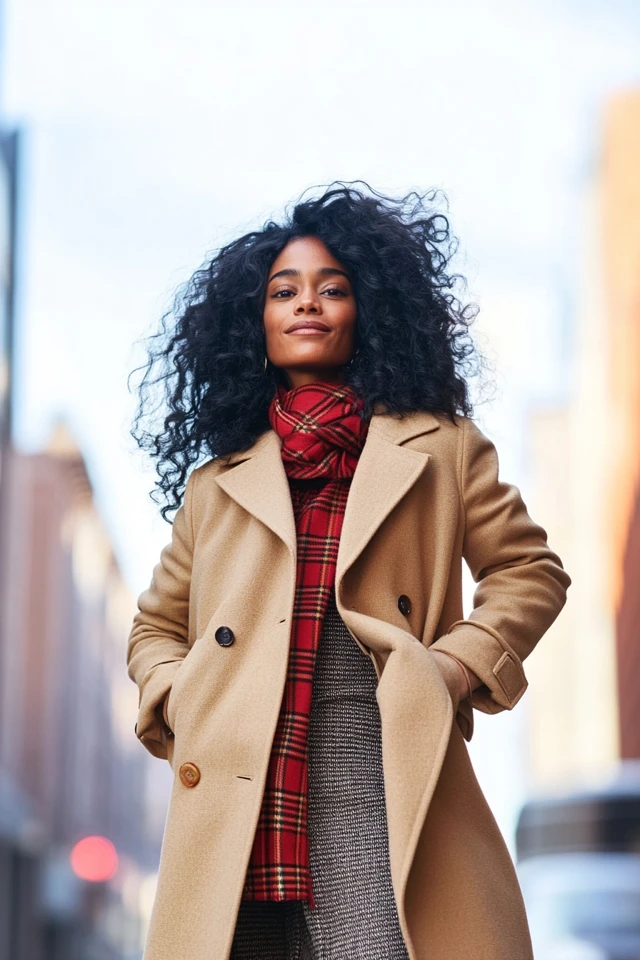
What are the main types of coats for winter?
Six shapes cover almost every situation. Each one has a different job, so it helps to know which job you need done.
Parkas
A parka is long, insulated and built for serious cold. Most have a hood (often trimmed with faux fur or shearling), deep pockets and adjustable cuffs. If your winters bring snow and wind, this is the safest pick. For more, see fluffy parkas for arctic winters and padded parkas for wind.
Style it with jeans and boots for everyday, or over a chunky knit and leggings. The long, bulky shape reads best against slimmer legs.
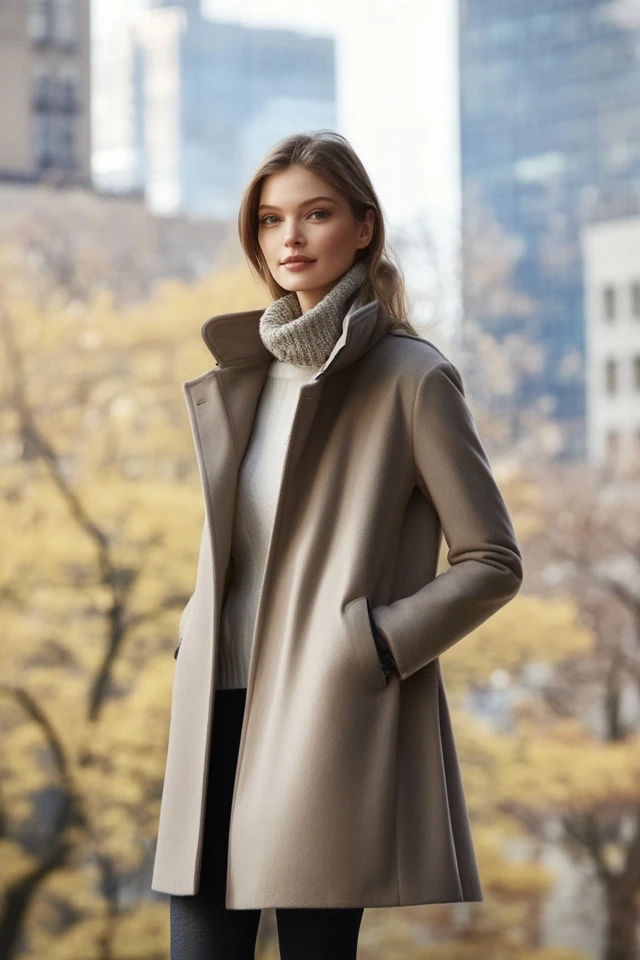
Puffer jackets
Puffers are quilted and filled with down or synthetic fibers, so they give warmth without much weight. They pack easily and suit active, casual outfits. A bright puffer with dark jeans and sneakers is an easy formula. Our puffer coat style and fit post goes deeper.
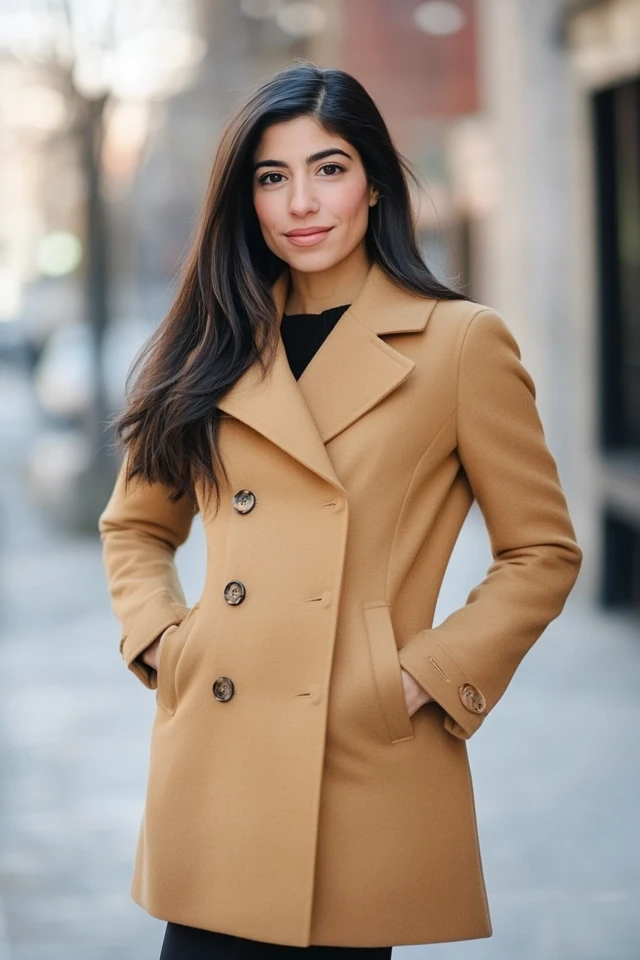
Peacoats
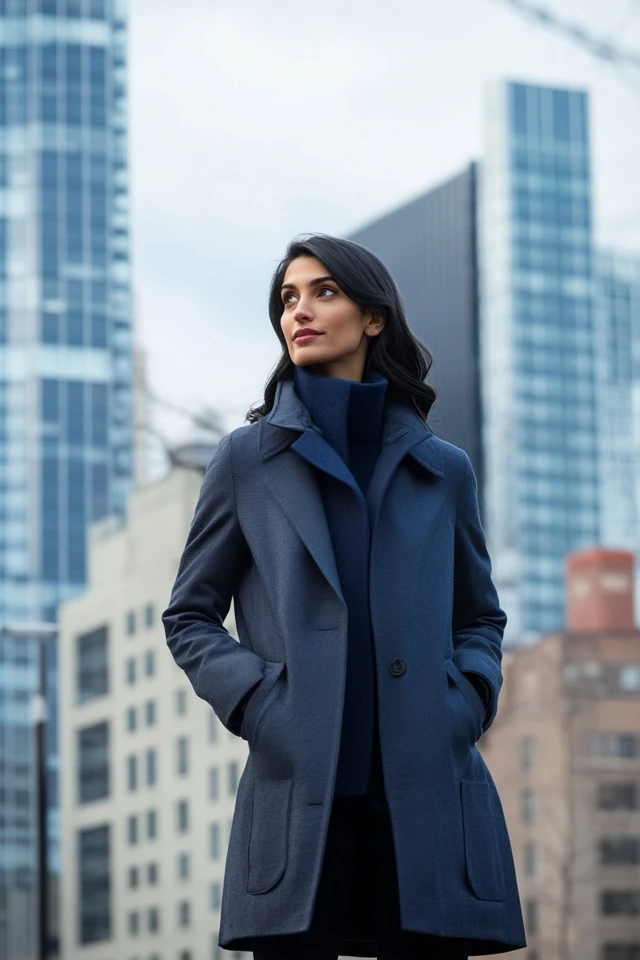
A peacoat is short, double-breasted and traditionally heavy wool, with wide lapels and large buttons. The cropped length sits at the hip, which makes it easy to wear with trousers, skirts or jeans. Navy with tailored trousers and loafers is the classic office combination.
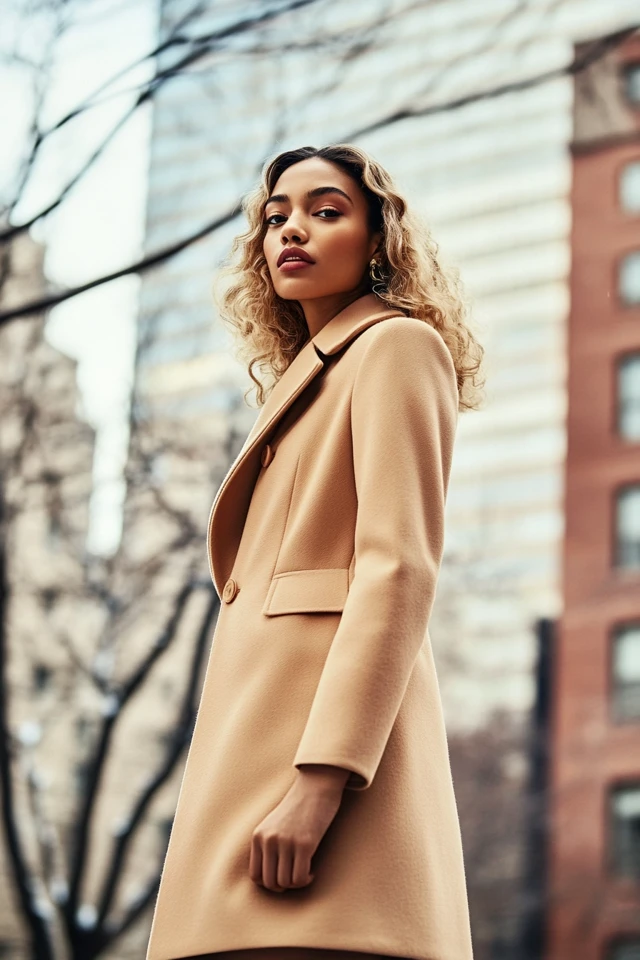
Wool coats
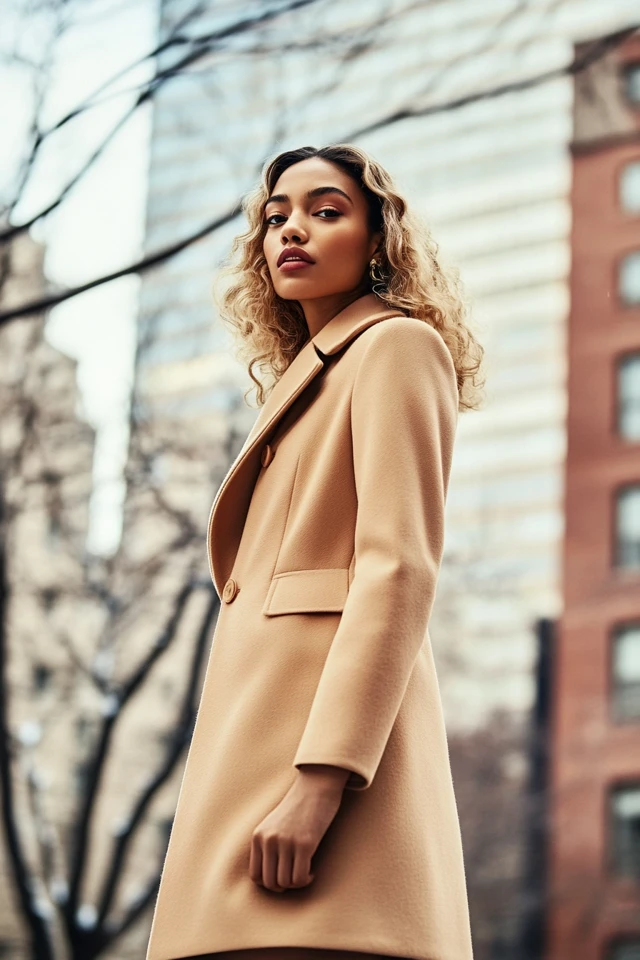
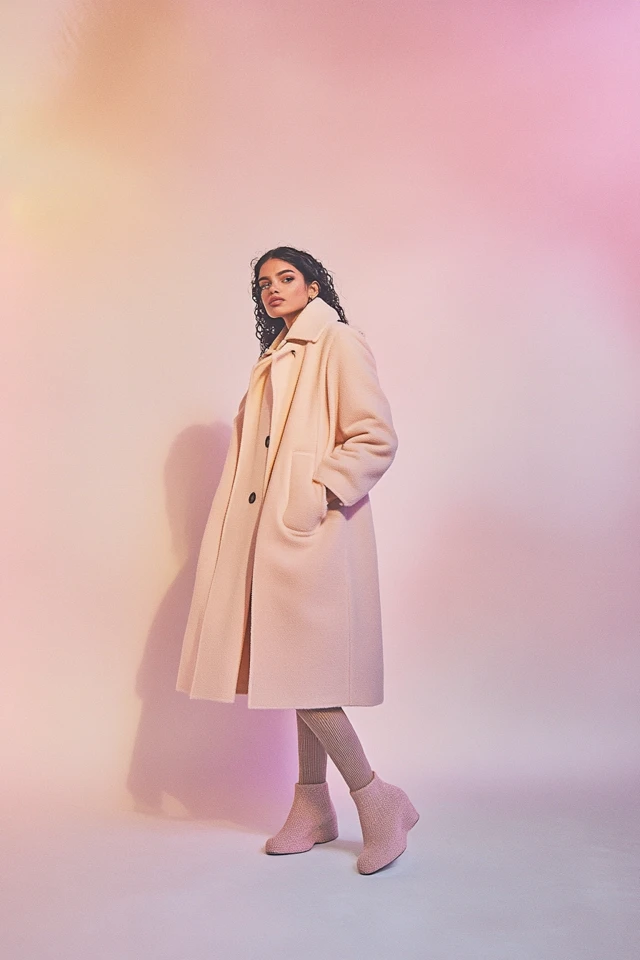
Wool coats include duffle, wrap and longer tailored styles. Wool insulates well and drapes cleanly, so it looks sharp over a suit or a turtleneck with wide-leg trousers. Browse warm wool coats for winter chic or more sophisticated wool options.

Trench coats
A trench is long and lightweight, with a belted waist and double-breasted front. It blocks rain and wind but has little insulation, so treat it as a coat for mild winters or as a layer over a warm knit. A beige trench over a midi dress and heeled boots is a dependable pairing.
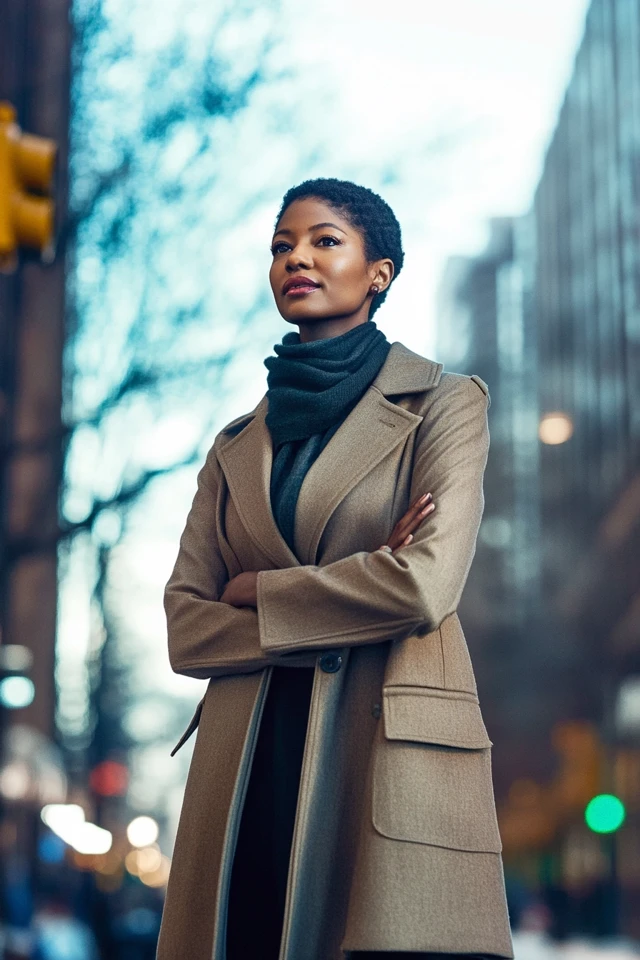
Bomber jackets
Bombers are waist-length with ribbed cuffs and hem. They suit milder days or work as a mid-layer under a bigger coat. A leather bomber with a tee and jeans is relaxed; a wool bomber over a hoodie and chinos is cozier.
How do you match a coat to your climate?
Think in three bands. Heavy snow and sustained cold call for a waterproof or water-resistant parka or puffer with a hood. Cold but mostly dry weather suits a thick wool coat or peacoat. Mild or rainy winters are the home turf of trenches, quilted jackets and bombers. Quilted coats sit in between.
Also check the details that change comfort: a hood, sealed or covered seams, storm flaps over zips, and cuffs that close around your wrists.
Layer under the coat, too
What you wear beneath matters as much as the coat. For cold-weather exercise, Texas A&M's Howdy Health says the layer closest to your skin should be moisture-wicking material that draws sweat away, and it advises avoiding cotton because it absorbs moisture and can keep it next to your skin, making you cold. That advice is written for exercise, but it is a useful hint for long walks in the cold too.

How should a winter coat fit?
A coat that pulls at the shoulders is a fit problem, not a you problem. Check these points while wearing the sweater you would normally layer underneath.
- Shoulders: the seam should sit where your shoulder ends, not past it and not pinching.
- Arms: you should be able to reach forward and hug yourself without the back straining. Sleeves should cover the wrist bone and leave room for a glove.
- Chest and waist: the coat should close comfortably without tight creases at the buttons or zip.
- Length: the hem should suit what you wear most. Hip-length works with trousers and jeans, knee-length covers skirts and dresses.
For women's and men's coats alike, the shoulder seam is the one thing a tailor cannot easily fix, so judge that first. Through the lens of evidence-based design, I'd treat the shoulder line as the first thing the eye reads on a coat, because it sets the whole proportion before color or texture registers.
How do you style a winter coat?
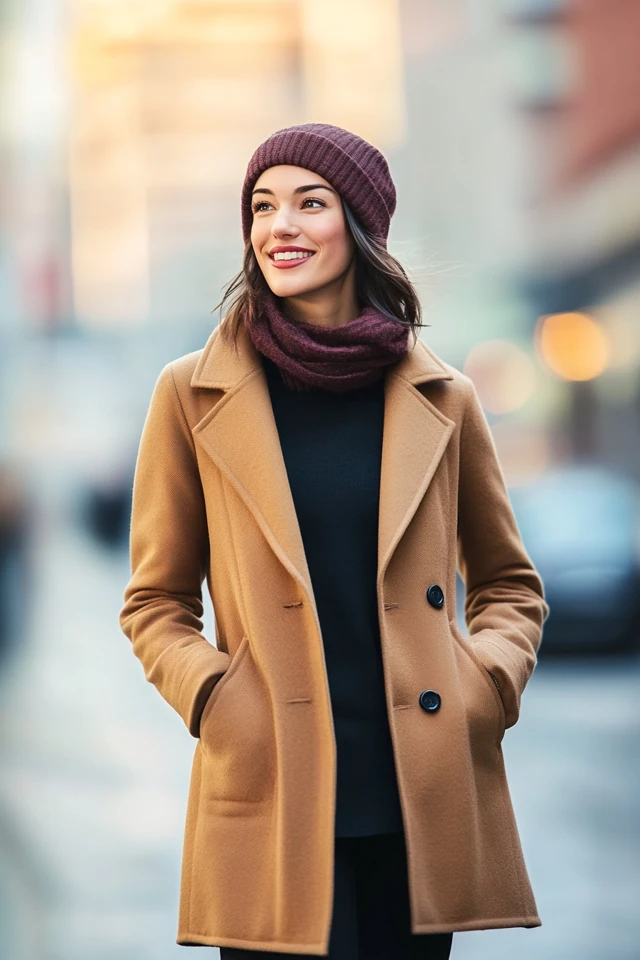
Balance volume. A bulky parka looks best over slimmer bottoms, while a tailored peacoat holds its own with wide-leg trousers. Match boots to length: ankle boots with short coats, knee-high boots with longer ones. For slushy streets, see puffy snow boots.
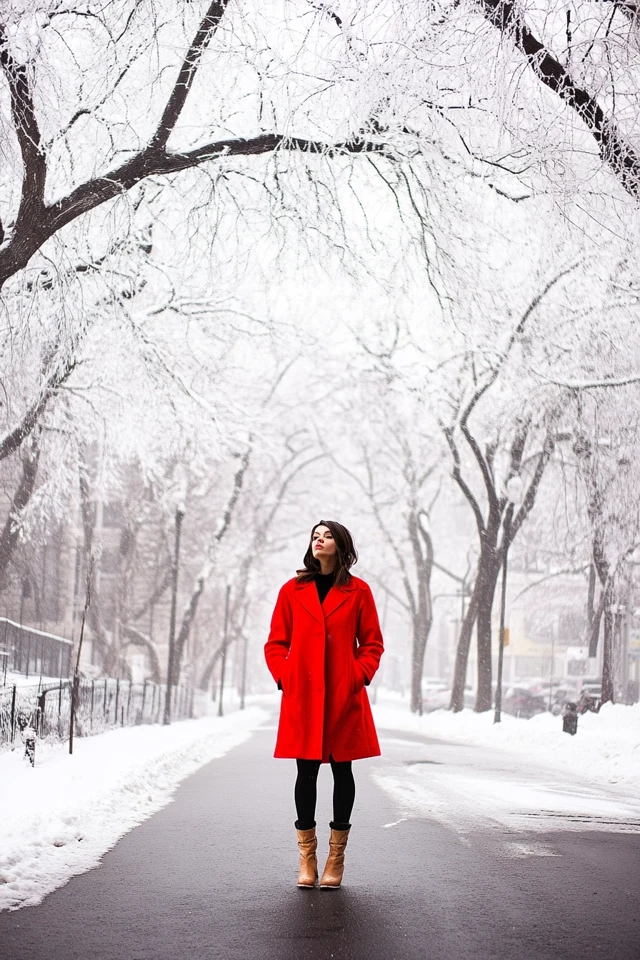
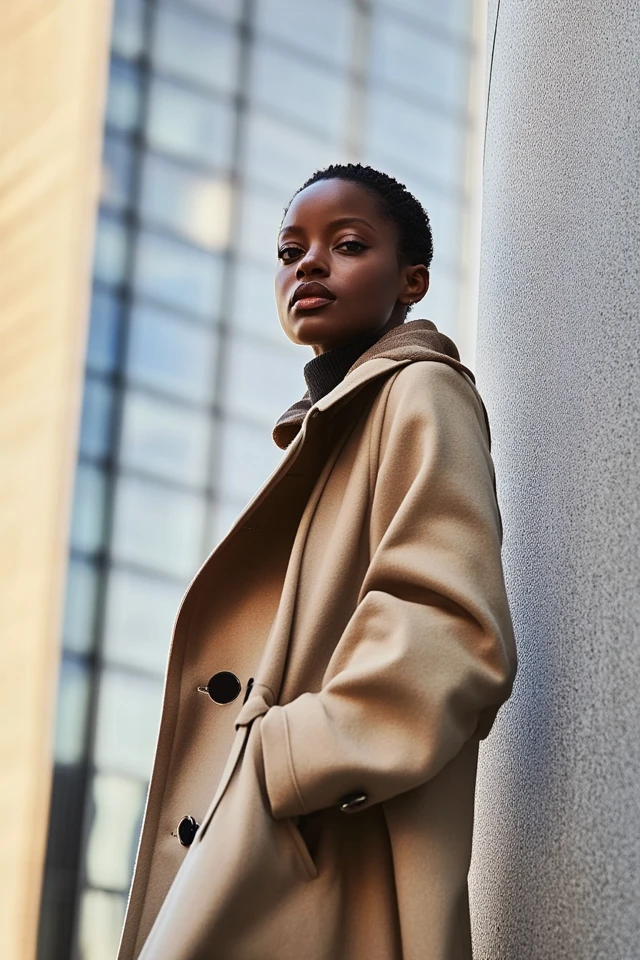
Winter does not have to be neutral. A bold coat works as the single statement, with plain black, gray or beige underneath. Red and warm beige coats are good places to start. As an architect trained in evidence-based design, I'd also look at texture: a matte wool and a glossy puffer in the same navy will read as different colors, because the surface changes how light reaches your eye.
Three outfit formulas
- Casual weekend: skinny jeans, an oversized sweater over a thermal top, combat boots, a wool parka and a beanie.
- Office: tailored trousers, a silk blouse, a navy peacoat and heeled ankle boots in burgundy.
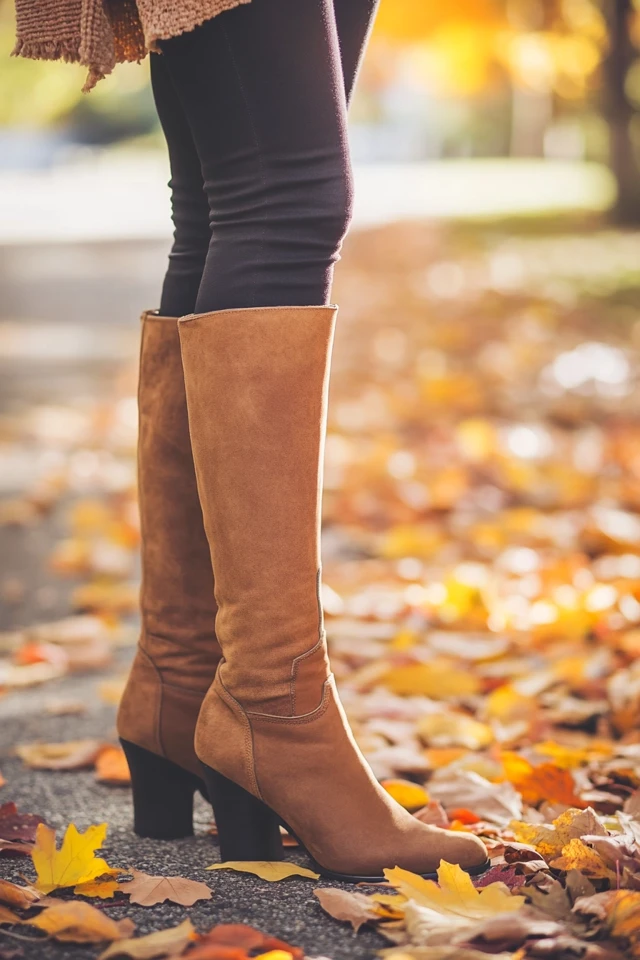
- Evening: a little black dress, suede knee-high boots and a long wool coat, with a faux fur stole if you want extra warmth.
Dressing for a winter wedding specifically? Try these winter wedding layering ideas, and for knit layers underneath, corduroy and fleece pieces.
Budget, care and sustainability
Spend more on the coat you will wear most days, and look closely at fabric, stitching and lining rather than the label. Follow the care tag for cleaning, store coats in a cool, dry place, and use a breathable garment bag for off-season storage. Buying one versatile coat you keep for many winters, or buying secondhand, is usually the lower-waste route.

Frequently asked questions
How should a winter coat fit a woman?
The shoulder seam should sit at the edge of your shoulder, and the coat should close over a sweater without pulling at the bust or waist. Sleeves should cover the wrist bone with room for gloves.
Can I wear more than one coat during winter?
Yes. Use a lighter coat such as a trench for mild days and a parka or wool coat when it turns cold. Having two or three coats lets you match the weather without overdressing.
How do I style a bold-colored winter coat?
Keep the rest of the outfit neutral, such as black, white, gray or beige, so the coat is the focal point. A red parka with black jeans and a white sweater is one simple version.
Which coat is warmest for very cold weather?
A long insulated parka with a hood is usually the warmest option. A down or synthetic puffer is the next choice when you want less weight.
Filed under Seasonal Trends