
Wool and Cashmere Coats: Warmth, Fit and What to Pay
- Words by
- Julio Arco
- Published
- Reading
- 5 min
Yes, wool and cashmere is a good blend. Wool supplies structure, body and durability, while a share of cashmere adds softness and a smoother drape. If you want one winter coat that looks polished and feels good against your neck, a wool-cashmere blend is a sensible pick.
Plain wool is not a lesser choice, though. It is usually sturdier and easier to live with, and the best coat is the one whose fabric, cut and length match how you actually dress and commute.
Is wool and cashmere a good blend?
The two fibers do different jobs. Wool gives a coat its shape, so lapels stay crisp and the hem hangs cleanly. Cashmere is finer and softer, so it changes how the fabric feels and falls. Blended, you get a coat that holds a tailored line without the scratchy hand some heavier wools have.
Through the lens of evidence-based design, I'd look at texture before color. A fine, slightly brushed surface reads softer and more expensive than a flat, dry one in the exact same camel, because the surface changes how light reaches your eye.
Is a cashmere coat better than a wool coat?
It depends on what you want from it. Cashmere feels softer and drapes more fluidly, but it is more delicate and tends to show wear sooner, especially at cuffs, under a bag strap and along the seat when you sit. Wool is the workhorse: it resists abrasion better and is more forgiving of daily use.
A blend sits in the middle. If you commute by public transit or carry a heavy bag, lean toward more wool. If the coat is for dressier days and shorter trips, a higher cashmere share makes sense.
How warm is a wool and cashmere coat?
Both are animal fibers that trap air, so a well-made blend is warm for cool to cold weather without feeling heavy. Warmth also depends on weight and weave: a dense, thicker cloth holds more heat than a thin one, and a full lining adds more. A coat cut with room for a sweater will be warmer in practice than a slim one worn over a shirt.
For very cold days, layer underneath rather than buying a bulkier coat. Texas A&M's cold-weather clothing advice says to avoid cotton, because it absorbs moisture and can keep it next to your skin, making you cold. A fine merino or other non-cotton base layer under the coat is a better idea. A soft knit helps too; see turtlenecks under wool coats.
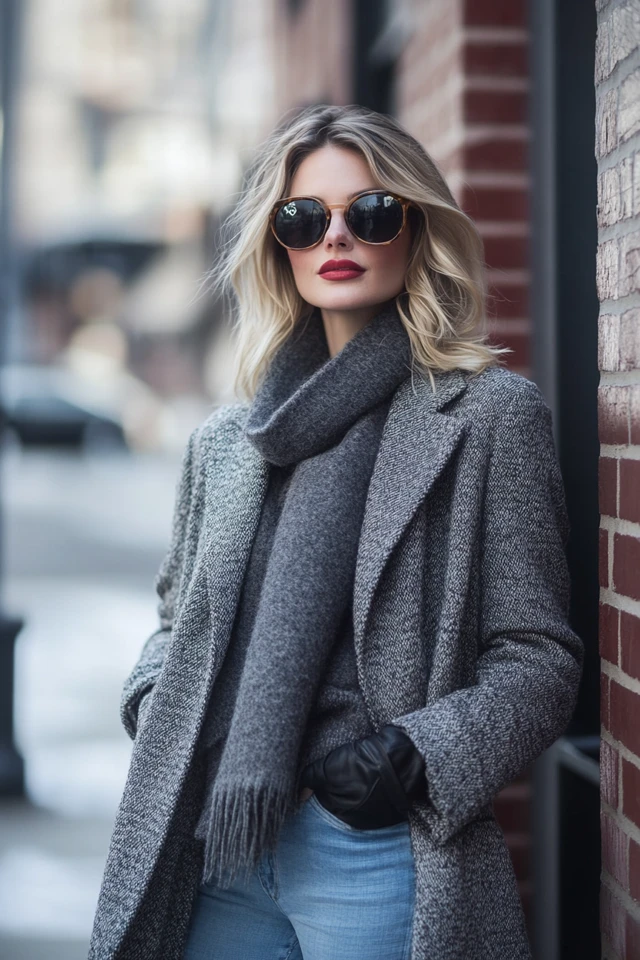
What to look for in a quality coat
- Fiber label: check the percentages. A coat labeled 100% wool, or a wool blend with a stated cashmere share, tells you more than "luxury blend." Very high synthetic content can reduce breathability.
- Hand-feel: rub the fabric between your fingers. It should feel smooth and dense, not thin or fuzzy.
- Shoulders: the seam should sit where your shoulder ends. A coat that pulls across the back is a fit problem, not a you problem.
- Lining and seams: a smooth lining, even stitching and lapels that lie flat are good signs.
- Buttons and buttonholes: they should be firmly attached and neatly finished.
How much should a cashmere coat cost?
Prices vary widely by brand, cashmere percentage and construction, so I won't give a number. A fair rule: the price should track the fiber content and the build. A coat with a small cashmere share priced like pure cashmere is the thing to question, so compare labels, not marketing words.

Double-face and other fabric options
A double-face wool cashmere coat is woven as two layers joined together, so the edges can be finished without a lining. The result is a clean, soft inside and a smooth outside, and it often drapes beautifully. It is usually lighter in feel than it looks, so check the weight if you want serious warmth.
Brushed and boiled wools are the other options. Brushed surfaces feel soft and slightly matte. Boiled wool is denser and more casual. For more on mixing fibers, see how to combine wool and cashmere.

Which silhouette and length suit you?
Tailored and double-breasted
Best for work and formal plans. Seams and darts give shape, and a double-breasted front adds a structured look.
Oversized and wrap styles
Oversized coats layer easily over knits. Keep what is underneath fitted so the proportions stay balanced. A belted wrap flatters many builds because it defines the waist without tight tailoring.
Short, mid and long
A short coat works with jeans and boots, and suits petite frames. A mid-length coat ending around the knee is the most flexible. A wool and cashmere long coat gives the most coverage and an elongated line, which is useful in windy cities. If you like bold shades, see long wool coats in bright colors.
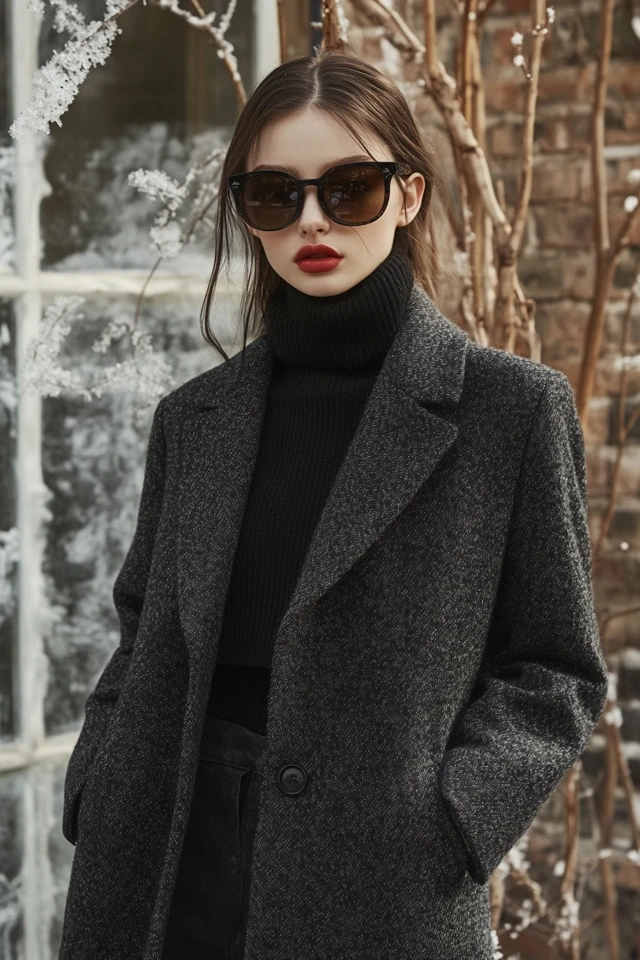
How to style a wool-cashmere coat
- Work: tailored coat over a blouse and skirt or trousers, with ankle boots.
- Casual: oversized coat, chunky knit, straight jeans and boots.
- Evening: long coat over a fitted dress, with pointed-toe shoes.
- Weekend: short coat, turtleneck, straight-leg jeans and sneakers.
- Very cold days: add a thin warm layer underneath. For more ideas, see layered wool coats for frosty mornings.
A single-color outfit under the coat, such as black knit, trousers and boots, makes the coat's texture the focus. For color pairing, red and warm beige is one combination worth a look. As an architect trained in evidence-based design, I'd say neutrals like camel, gray and navy read calm and easy to pair, while deeper reds and greens read more assertive.
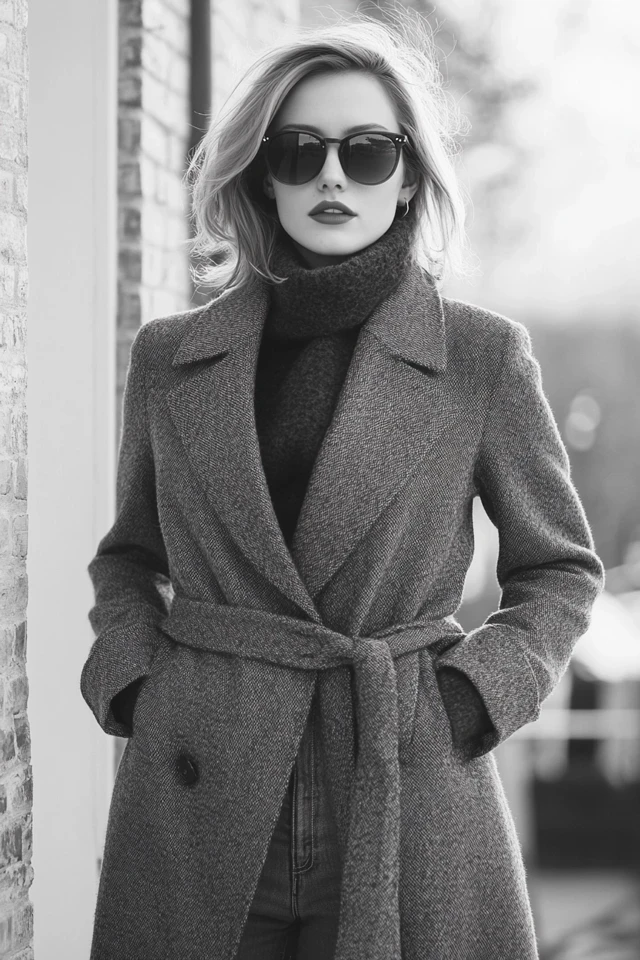
How to care for a wool and cashmere coat
- Brush with a soft-bristled brush to lift lint and dirt.
- Treat stains quickly. The University of Georgia Extension notes that ammonia damages silk and wool, so keep it away from your coat. For stubborn marks, go to a professional cleaner.
- Refresh with a steamer rather than an iron, and keep direct heat off the fibers.
- Hang the coat on a sturdy, wide hanger. In the off-season, use a breathable garment bag, not plastic.
- Remove pilling gently with a fabric comb or shaver. Cashmere blends pill most where fabric rubs, such as under the arms.



If you like the look but want a different fabric mix, warm wool coats for winter sophistication covers more options.
Frequently asked questions
Is wool and cashmere a good blend?
Yes. Wool gives structure and durability, and cashmere adds softness and drape. Check the label for the actual percentages.
Is cashmere coat better than wool coat?
Cashmere is softer but more delicate, while wool wears better day to day. A blend is a practical middle ground.
How warm is a wool and cashmere coat?
It is warm for cool to cold weather, and the fabric weight, lining and fit matter as much as the fibers. In very cold weather, add a non-cotton layer underneath.
How much should a cashmere coat cost?
It varies by brand, cashmere share and construction. Judge the price against the fiber label and build quality rather than marketing terms.
Filed under Wardrobe Basics