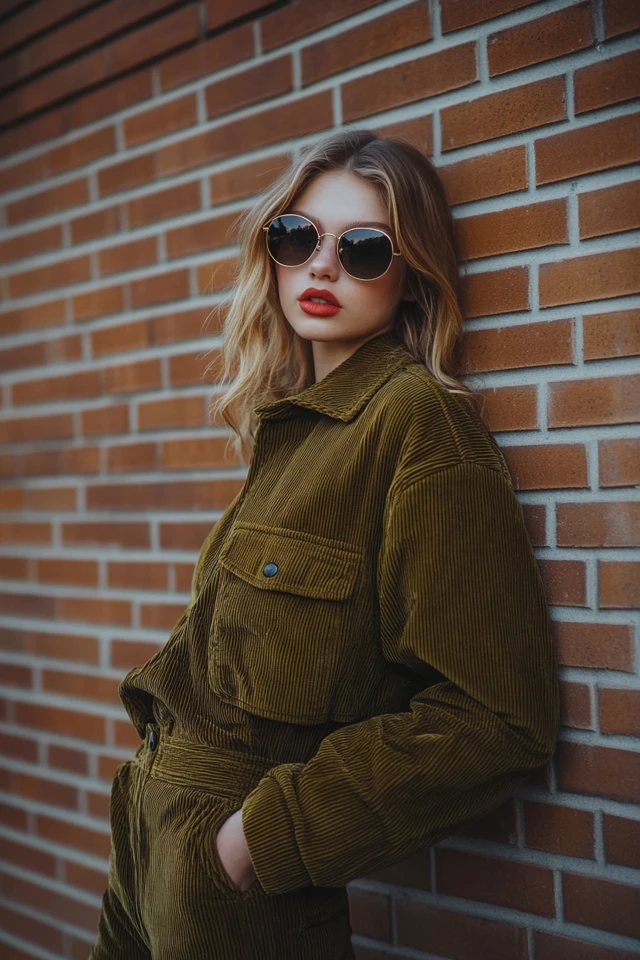
Chic Corduroy and Fleece for Cozy Layers: Stay Warm with Timeless Style
- Words by
- Julio Arco
- Published
- Reading
- 4 min
The simplest way to layer knits for winter is three layers: a smooth base against your skin, a knit mid-layer for warmth, and a top layer that blocks wind and weather. Keep each layer thinner than the one above it and the outfit stays warm without looking padded.
Corduroy and fleece fit this system well. A fleece can be your mid-layer, a corduroy jacket can be your top, and a fine knit can sit between them. Below is how each layer works and where people usually go wrong.
What is the 3 layer rule for winter?
The three-layer rule splits your outfit by job. The base manages moisture, the middle holds heat, and the outer layer shields you from wind, rain or snow. Each layer does one thing, so you can add or remove one as the day changes.
It is a practical formula first and a style one second, but the two overlap. Three clearly different textures (smooth, soft, structured) also look more intentional than three similar knits stacked together.

Choose a smooth base layer
Start with something thin that sits flat against your skin. Texas A&M's Howdy Health says the layer closest to your skin should be made of moisture wicking materials that draw sweat away from your skin. That advice is written for cold-weather exercise, but the logic holds for a long day outdoors.
The same page recommends you avoid cotton, including undergarments, because it absorbs moisture and can keep it next to your skin. For everyday wear, a fine merino or a synthetic tee is a sensible base. Layering with merino wool works well because the knit is thin enough to disappear under a sweater.
Pick a neckline that suits what goes on top. A fitted crew or turtleneck under a sweater gives a clean line at the collar.

Mid-layer knits: sweaters, cardigans and fleece
This is where most of your warmth comes from, so it is where texture matters. If you want to know how to layer knitwear for winter, choose one substantial piece here and keep the rest slim.
- A medium-weight wool sweater is the most reliable choice, and it looks good open at the collar of a shirt.
- A cardigan lets you adjust heat indoors without taking off your whole outfit.
- A fleece pullover or vest adds warmth with little weight. Tuck it into high-waisted corduroy trousers for a relaxed shape.
Through the lens of evidence-based design, I'd think about texture before color here. A chunky knit next to ribbed corduroy reads as two different surfaces, while a fleece next to a smooth knit reads softer and calmer. Contrast keeps the layers from blurring together.
For more ideas on pairing these fabrics, see pairing corduroy and soft knits for cozy layers and cozy knitwear layering.


Finish with a structured top layer
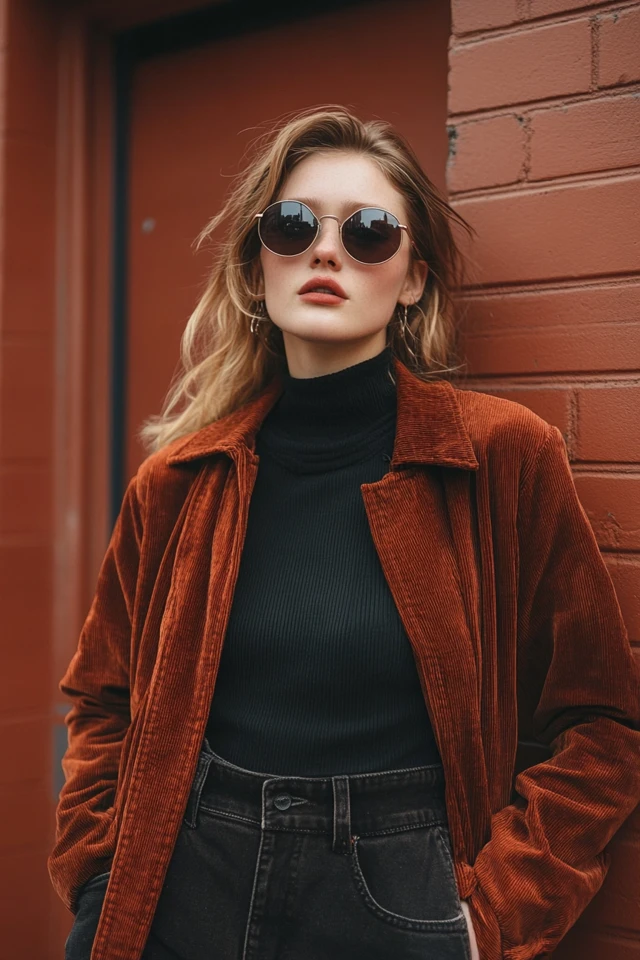
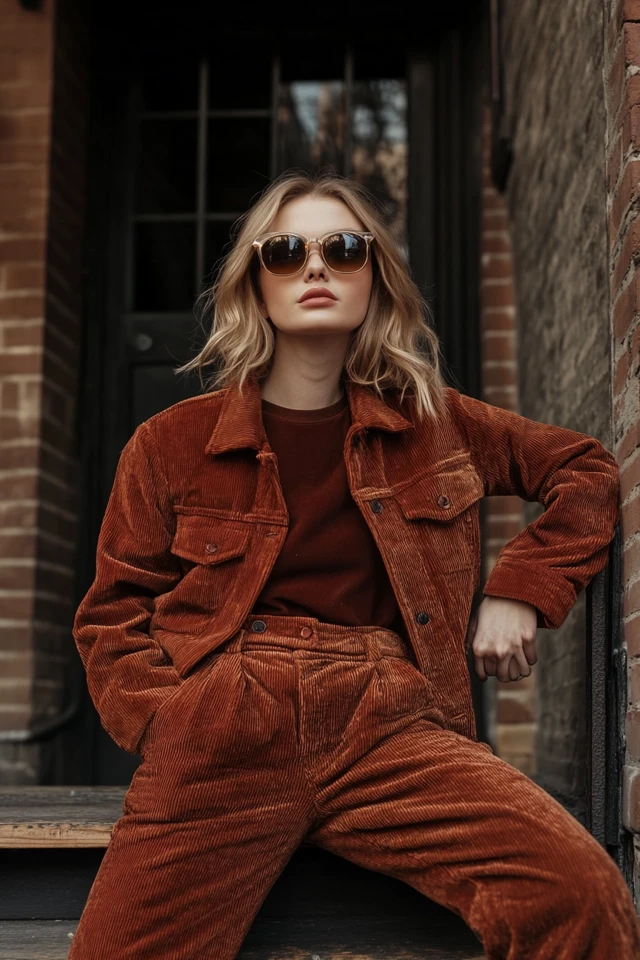
The outer layer sets the outline of the whole outfit. A fleece-lined corduroy jacket or an oversized corduroy shacket gives structure over soft knits, and the ridges add visible texture that plain wool lacks.
Earthy shades such as camel, olive, rust and cream are easy to combine with gray or taupe fleece. For colder days, move up to a coat. The winter coats guide compares parkas and peacoats.

How to layer without looking bulky
Bulk comes from stacking thick pieces at the same volume. A few adjustments fix most of it:
- Make one layer roomy and the others slim. An oversized corduroy jacket works over a fitted knit; a boxy fleece works with fitted trousers.
- Use thin layers at the neck and torso, where bulk is most visible.
- Stagger hems so each layer shows a little at the bottom, such as a shirt hem under a sweater under a longer jacket.
- Roll or push up sleeves so cuffs do not bunch inside the outer sleeve.
If a jacket pulls across the shoulders once the sweater is under it, that is a fit problem, not a you problem. Size up the outer layer or choose a thinner mid-layer.
Common winter layering mistakes
- Wearing cotton next to the skin, which holds moisture and can leave you cold, as noted above.
- Stacking two chunky knits, which adds bulk without much extra warmth.
- Choosing an outer layer that is too snug to fit over the sweater.
- Using only one color and one texture, which flattens the outfit.
- Forgetting that you will be indoors, so every layer should be easy to remove.
Accessories that finish the outfit
Scarves, beanies and gloves are the quickest way to add warmth and pattern. A plaid scarf suits earthy corduroy, and knit beanies keep the look consistent with your sweaters. Ankle boots work with corduroy trousers or skirts, while hiking boots suit outdoor days.
For skirts and tights, mixing corduroy and wool in autumn skirts shows how to keep legs warm without heavy trousers.
Frequently asked questions
What is the best layering system for winter?
A three-layer system is the most flexible: a thin moisture-managing base, an insulating knit or fleece mid-layer, and a wind-blocking outer layer. You can remove any one as temperatures change.
What are some common mistakes people make when layering for winter?
The usual ones are wearing cotton against the skin, stacking several thick knits, and picking an outer layer that is too tight. Keeping layers different in thickness fixes most of it.
Can I wear corduroy and fleece together?
Yes. Corduroy gives structure and fleece gives softness, so a fleece pullover under a corduroy jacket is a common pairing. Keep one piece roomier than the other to avoid bulk.
How do I care for corduroy and fleece?
Follow the care label first. As a general rule, wash corduroy gently and air-dry it, and wash fleece cool and avoid high dryer heat.
Filed under Fabrics & Textures