Winter Wedding Layering Ideas That Stay Elegant
- Words by
- Julio Arco
- Published
- Reading
- 4 min
The best winter wedding layering is built in two places: a thin, warm layer under the dress, and one good outer piece on top that you can take off for photos. Everything else (tights, gloves, a wrap) is an adjustment between those two.
Winter weddings usually mean a cold walk from the car, a warm room, then another cold step outside for pictures. Pieces that go on and off easily solve that, and they can look as polished as the dress itself.
How do you layer under a formal dress?
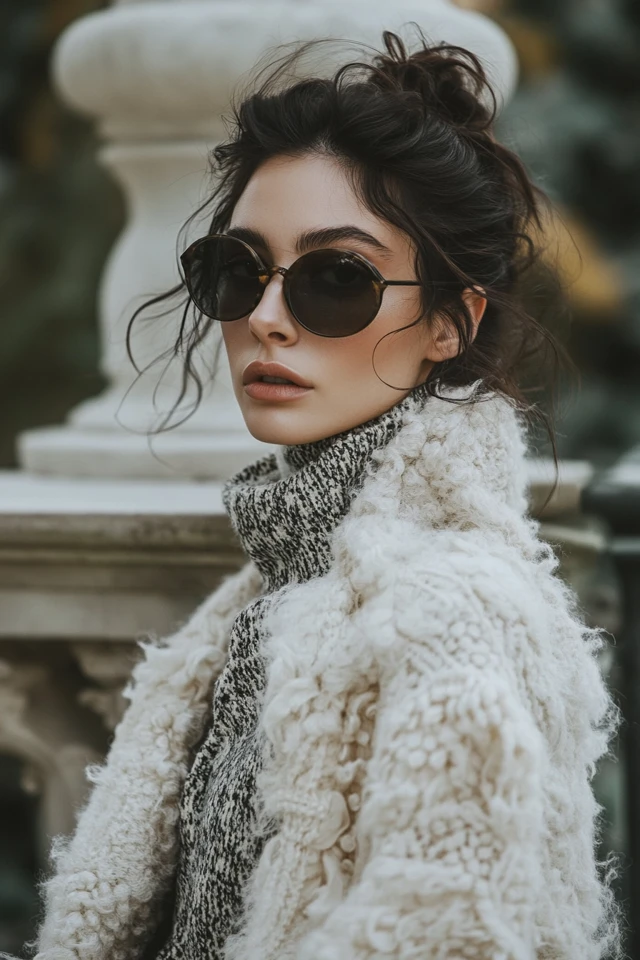
Start with the layer closest to your skin. The Howdy Health guide to cold-weather clothing says it should be made of moisture-wicking materials that draw sweat away from the skin. It is written for exercise, but the logic holds for a long evening of dancing in a heated room.
The same page says to avoid cotton, because it absorbs moisture and can keep it next to your skin, which makes you cold. For a wedding, that means choosing a thin thermal or silk-blend long-sleeve top or bodysuit over a cotton one.
Pick a neckline that sits inside your dress neckline, and a color close to your skin or to the dress. A black layer disappears under a dark dress; a nude one disappears under a lighter fabric. A fitted base layer adds warmth without changing the silhouette.
What about tights?
Opaque tights in black, navy or burgundy suit darker dresses and shorter hemlines. With a light dress, sheer nude or a faint shimmer looks cleaner. Fleece-lined styles are warmer, but check that the waistband won't show through a fitted skirt.
Which outer layers look most dressed up?
Tailored coats and velvet blazers
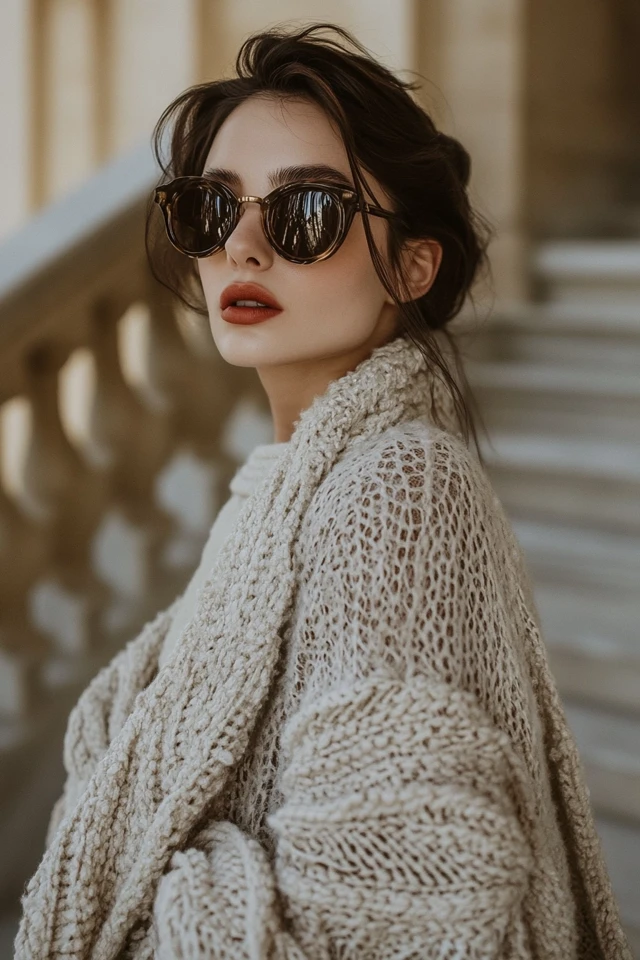
A structured wool coat with a defined waist keeps your shape visible, and a long one works over a floor-length gown. A velvet blazer over a midi dress is a good option for a cocktail or semi-formal wedding. Through the lens of evidence-based design, I'd choose velvet in a deep tone, because the pile catches light unevenly and the color reads richer than it would in a flat fabric.
Faux-fur stoles and wraps
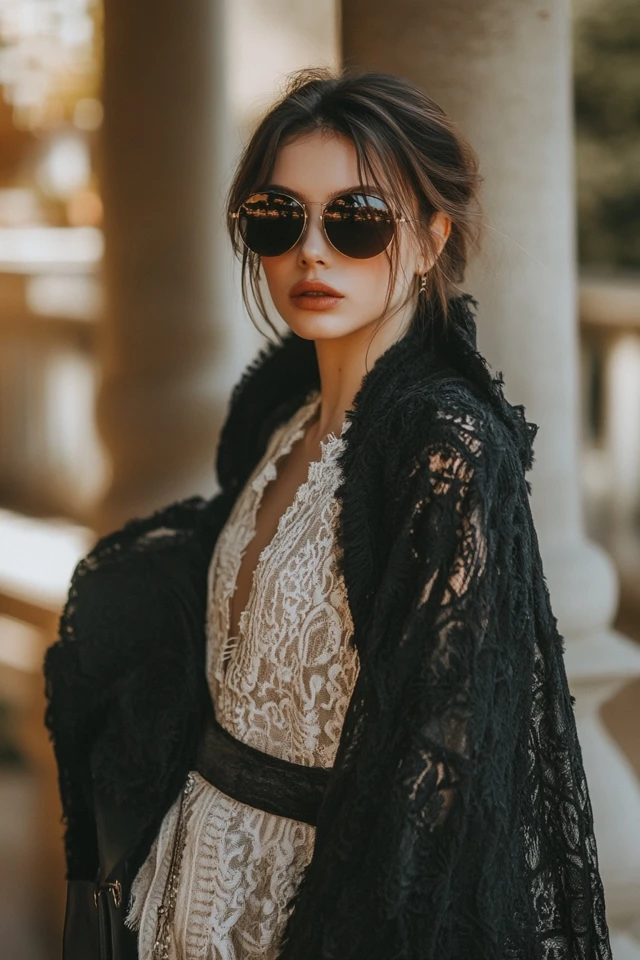
A stole is easy to drape over bare shoulders for outdoor photos and takes seconds to remove. Ivory, black and taupe go with most dresses. A small brooch can hold it in place when the wind picks up.
Capes and capelets
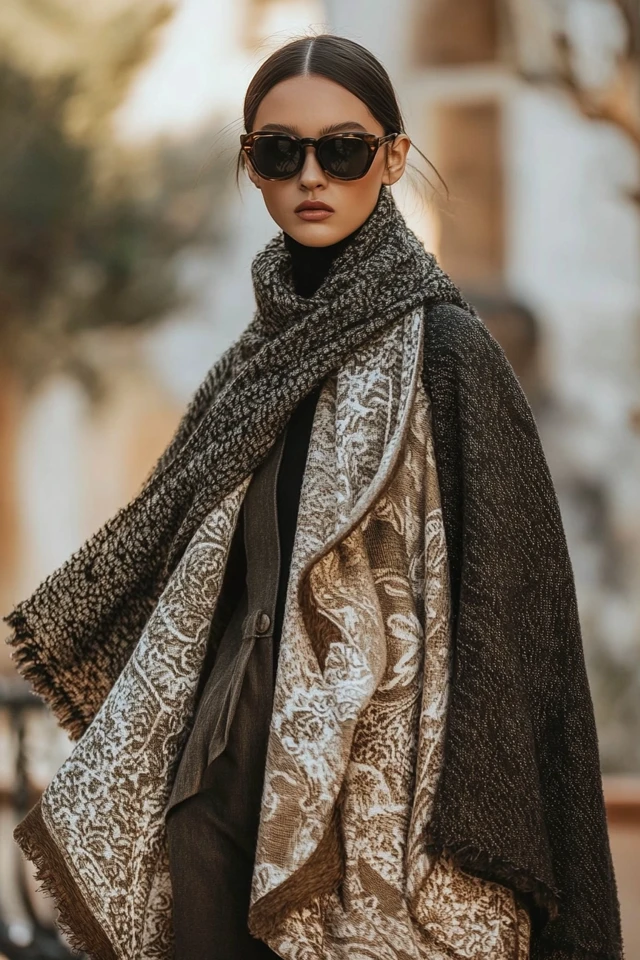
Capes cover your arms without the squeeze of sleeves, so they suit strapless and structured dresses. A short embellished capelet works over a fitted gown; a full-length wool or velvet cape suits black-tie. If your dress is already detailed, keep the cape plain.
Pashminas and shawls
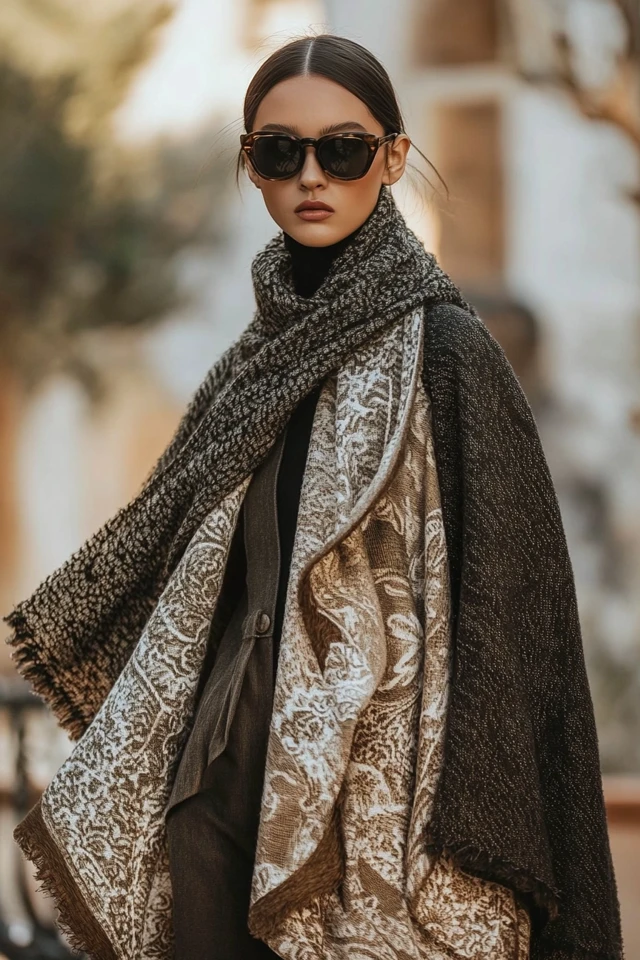
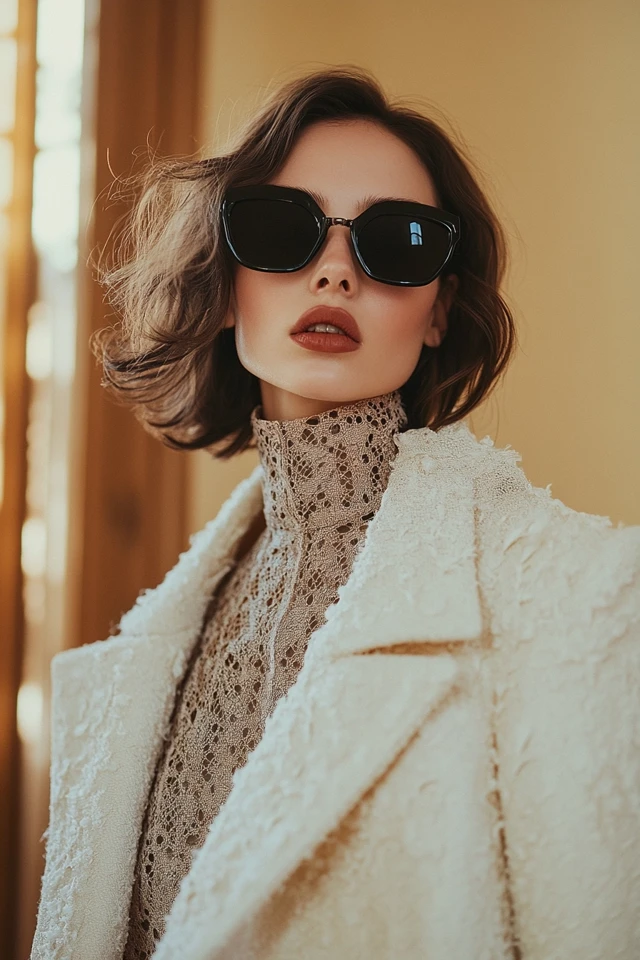
A pashmina is lighter than a coat and easier to carry indoors. Metallic thread or light beading dresses it up. Drape it loosely, or tie it behind your arms so it stays put while you move.
If you want more ideas for fabrics that trap heat without bulk, see this guide to heat retention clothing.
Do gloves, shoes and accessories help?
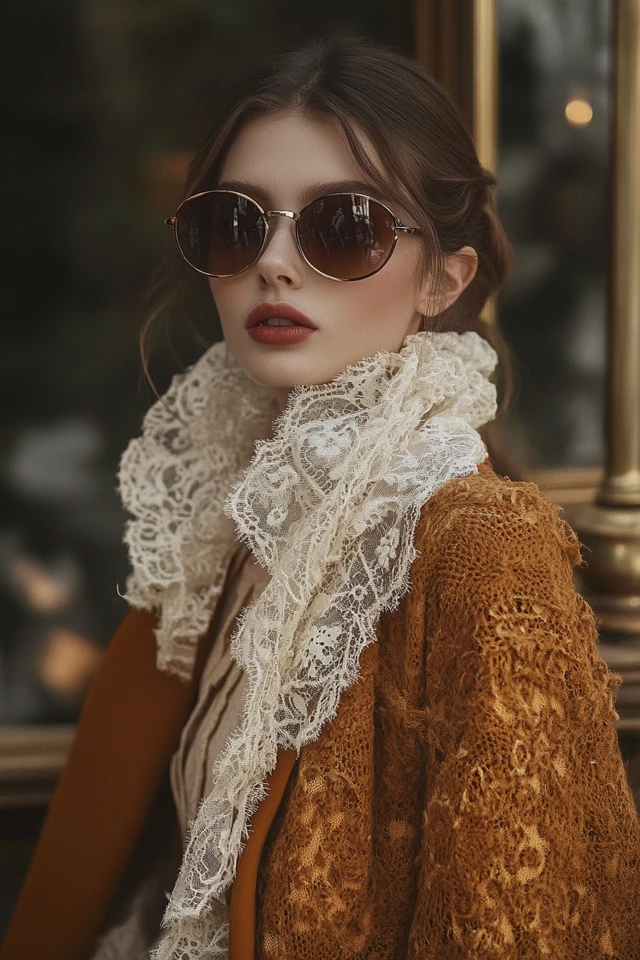
Yes, and they are the easiest way to stay warm without changing the dress. Long satin gloves suit evening gowns, while leather or suede feels more modern. Closed-toe heels or heeled ankle boots in suede or velvet keep your feet warmer than sandals and still read as formal under a long hemline. For wet or snowy venues, carry the boots and change at the door; these snow boot picks cover the walk there.
Keep jewelry in proportion to your layers. A fur wrap or a bold coat already supplies the drama, so small earrings are enough. With simple outer layers, chandelier earrings or a statement necklace add the missing focus.
How do you avoid looking bulky?
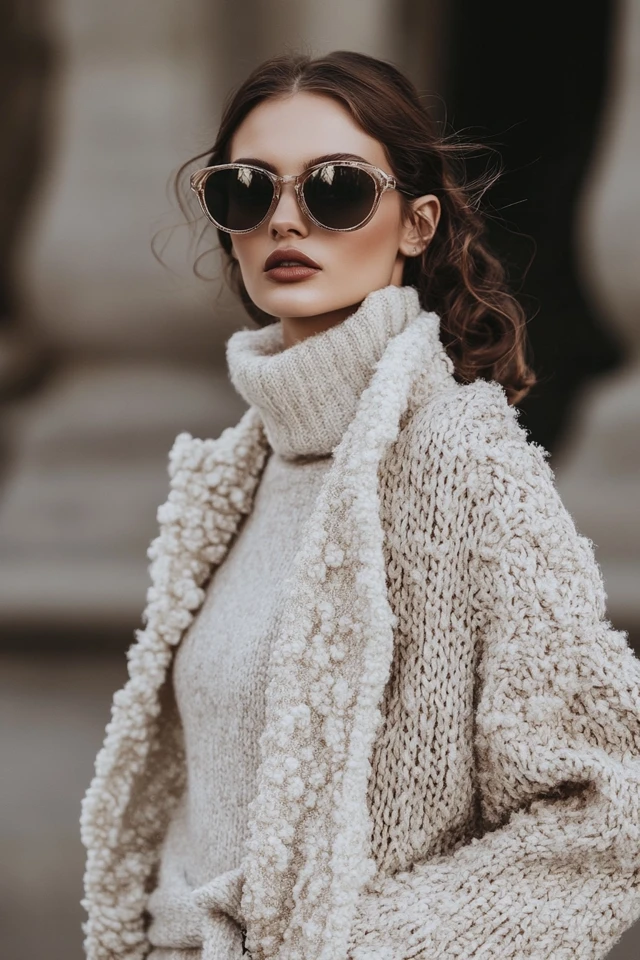
Layer texture, not volume. A thin base, a smooth dress and one substantial outer piece look sharper than three medium-weight layers. Fine knits such as cashmere or silk blends add warmth with little thickness. If you like knit layers for less formal events, this knitwear layering article shows how to build them.
As an architect trained in evidence-based design, I'd also limit the outfit to one dominant texture. When velvet, fur and sequins compete, the eye has nowhere to rest and the outfit looks heavier than it is.
What fits different dress codes?
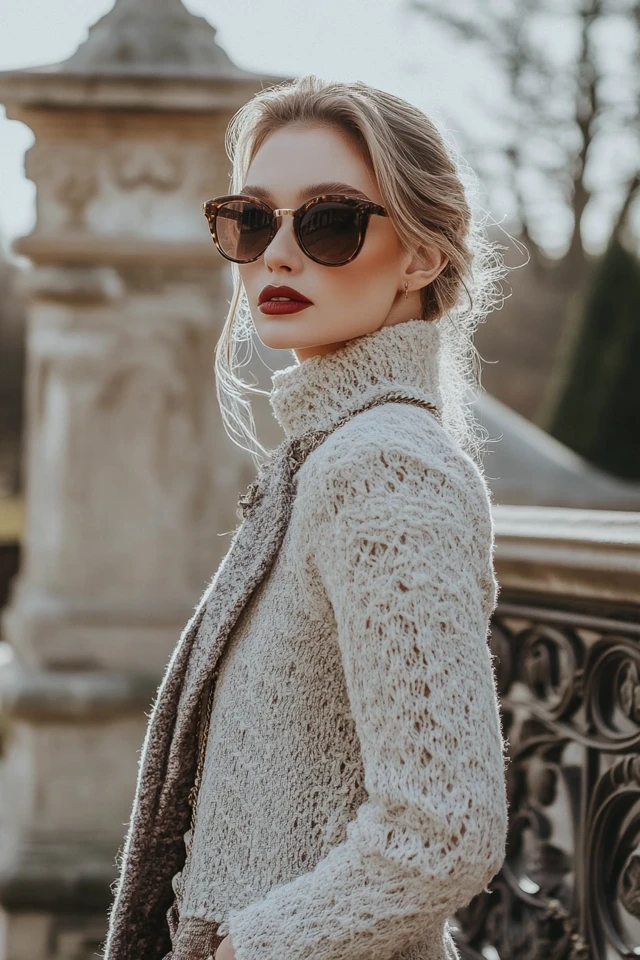
- Black-tie: floor-length gown, long velvet coat or full cape, satin gloves.
- Cocktail or semi-formal: midi dress, velvet blazer or pashmina, opaque tights, heeled boots.
- Outdoor ceremony: thermal base layer, structured wool coat, wrap for photos.
For dress ideas that already have warmth built in, look at warm layered dresses for winter weddings or metallic midi dresses. Finish with deep red, burgundy or a nude lip and warm metallic eyes if you want the makeup to match the season.
Frequently asked questions
Can I wear layers to a black-tie winter wedding?
Yes. Choose velvet, wool, silk or faux fur in a tailored cut, and keep the pieces plain enough that the gown stays the focus.
How do I stay warm during outdoor photos?
Keep a coat, cape or stole on until the photographer is ready, then remove it briefly. A thin thermal layer under the dress helps for those few minutes.
What can I wear over a strapless gown in winter?
A faux-fur stole, pashmina, cape or fitted bolero covers the shoulders and arms. Pair it with a thin long-sleeve base layer only if the neckline hides it.
Can I wear boots to a winter wedding?
Yes. Heeled ankle boots in suede, leather or velvet look polished with midi and floor-length dresses, especially outdoors.
Filed under Occasionwear