Wrap Coats for Women: How to Choose and Style Them
- Words by
- Julio Arco
- Published
- Reading
- 4 min
A wrap coat closes across the front with a tie or belt at the waist instead of buttons or a zipper. For snowy walks, the best version is a belted wrap jacket in a quilted or wool-blend fabric, cut roomy enough to wear over a sweater.
Wrap coats for women come in many weights, from a thin layer for mild days to a padded style for real snow. Below: what to look for, whether they flatter, and how to wear one without feeling bundled up.
What is a wrap coat?
A wrap coat (or wrap jacket) has no fastenings down the front. One side crosses over the other and a sash holds it closed, a bit like a robe. Some add a hidden snap or hook for windy days.
Because the closure is a belt, the fit adjusts. You can cinch it over a thin shirt or loosen it over a chunky knit, which makes it forgiving when your layers change from day to day.
Are wrap coats flattering?
For most people, yes, mainly because the belt defines the waist and the crossing front draws the eye to a vertical line. A long vertical line reads as length, and the sash gives a clear point where the silhouette changes.
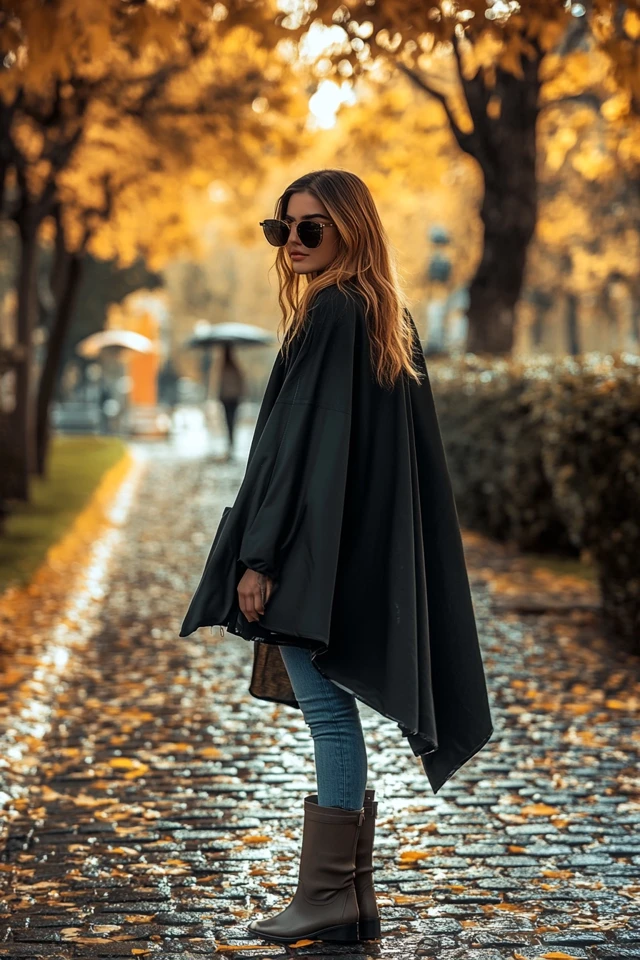
If you prefer less shape, leave the belt loosely tied or knotted at the side. A relaxed wrap coat in a soft fabric drapes without clinging, and it still looks intentional.
Through the lens of evidence-based design, I'd look at the lapel and neckline first. The open V of a wrap front is the first thing the eye reads, so a V that sits a little lower than your collarbone usually looks balanced.
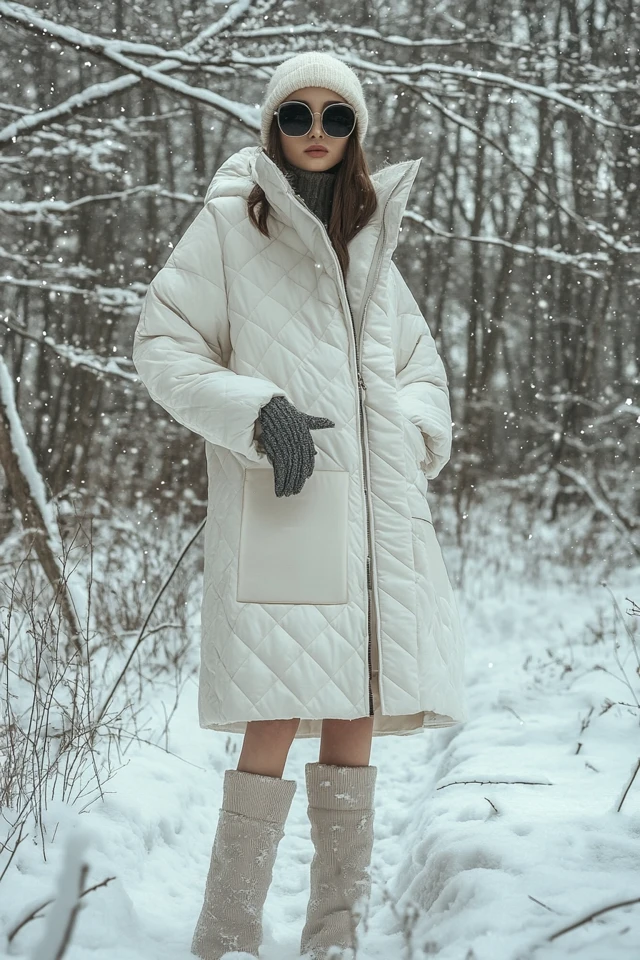
Belted and relaxed silhouettes
Belted wrap jacket
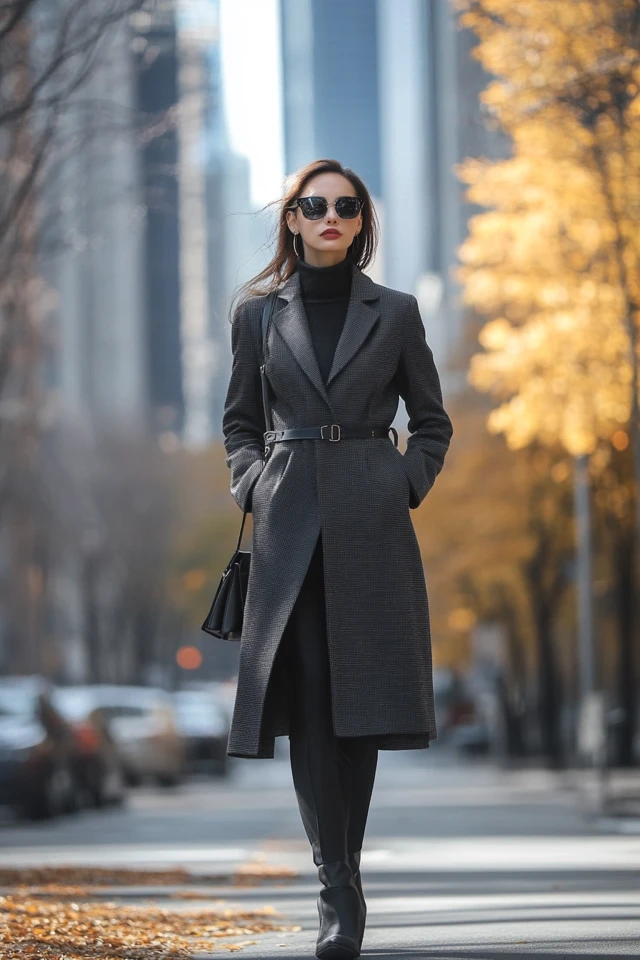
This is the fitted option. The sash sits at your natural waist, and the coat flares slightly below it. It suits dresses, tailored trousers and slim knits, and it works well if you want a polished line in the cold.
Relaxed wrap coat
Here the shoulders drop and the body is roomier. It layers easily over a thick sweater and feels less structured. If you are between sizes, this is the safer cut.
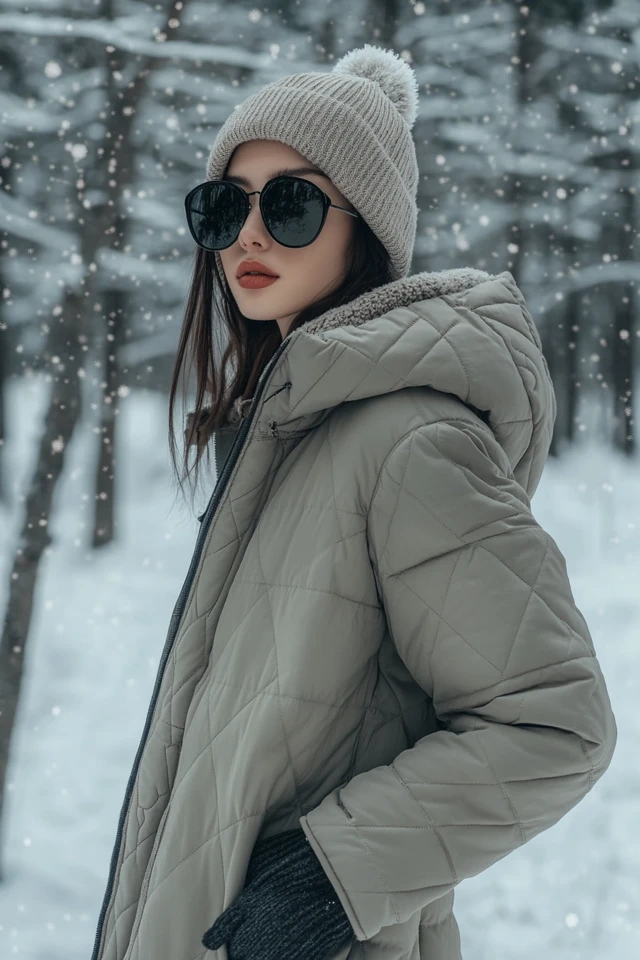
Fabric and fit details for cold weather
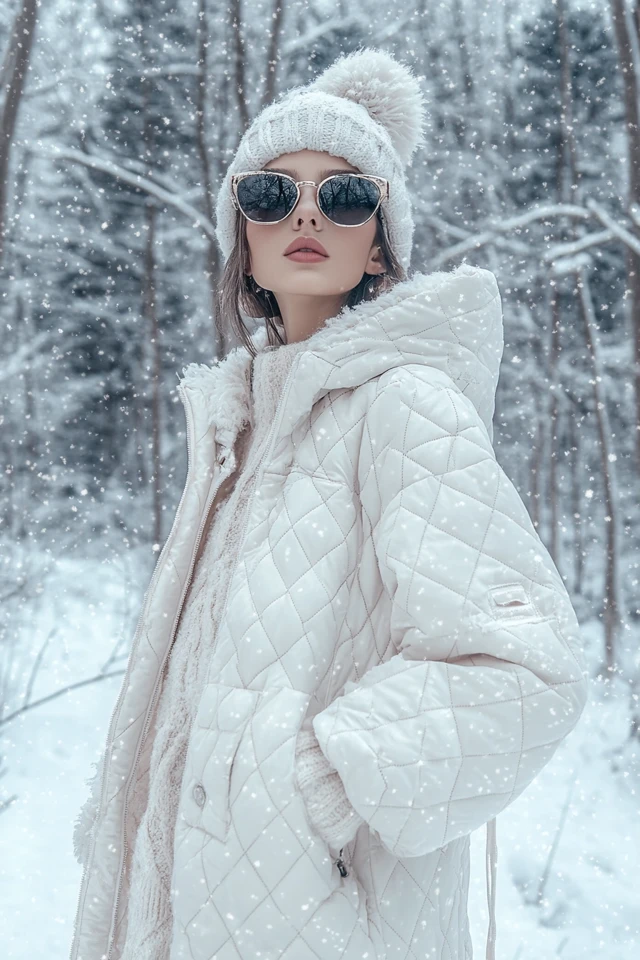
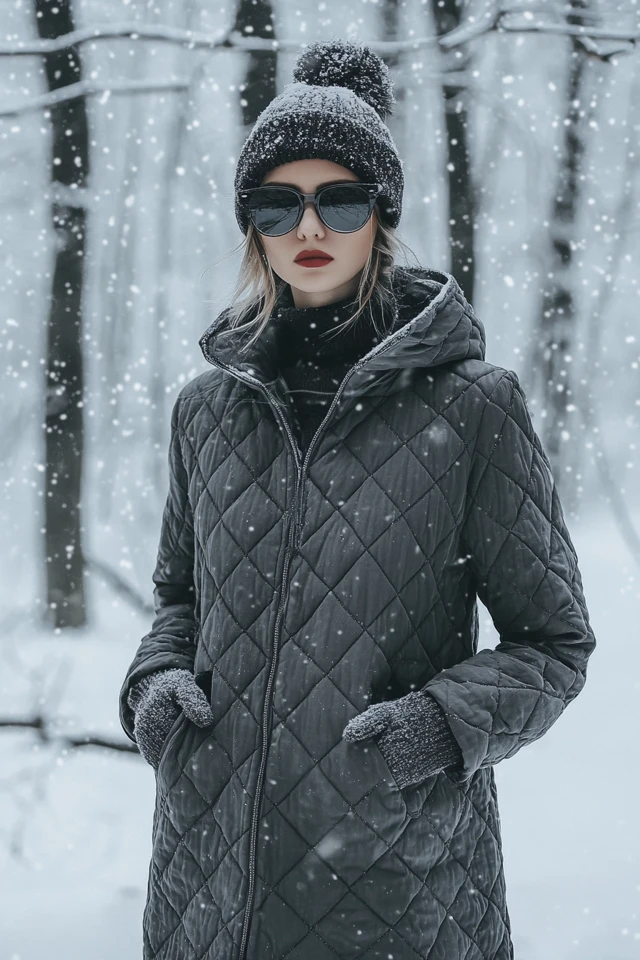
Quilted wraps use stitched sections of insulation to trap warm air. Wool blends are heavier and drape better, but they usually need a dry day. For snow, look for a quilted or padded wrap with a water-repellent shell, and check the care label for what the fill can handle.
- Shoulders: the seam should sit where your shoulder ends, with room to move your arms forward.
- Length: mid-thigh is easier for walking, while knee-length or longer covers more.
- Hood: a wrap jacket with hood adds warmth for wind and snow, and a detachable one gives you options.
- Sash: a belt that threads through loops stays put better than a loose tie.
Lightweight wrap jackets suit milder days or layering under a heavier coat. A wrap winter jacket should have more fill, a higher collar, and a sash long enough to tie over bulk.
What to wear underneath
Warmth also depends on your base layer. Texas A&M's Howdy Health advises that the layer closest to your skin should be made of moisture-wicking materials that draw sweat away from your skin, and to avoid cotton because it absorbs moisture and can keep it next to your skin, making you cold. That matters most if your walk is brisk.
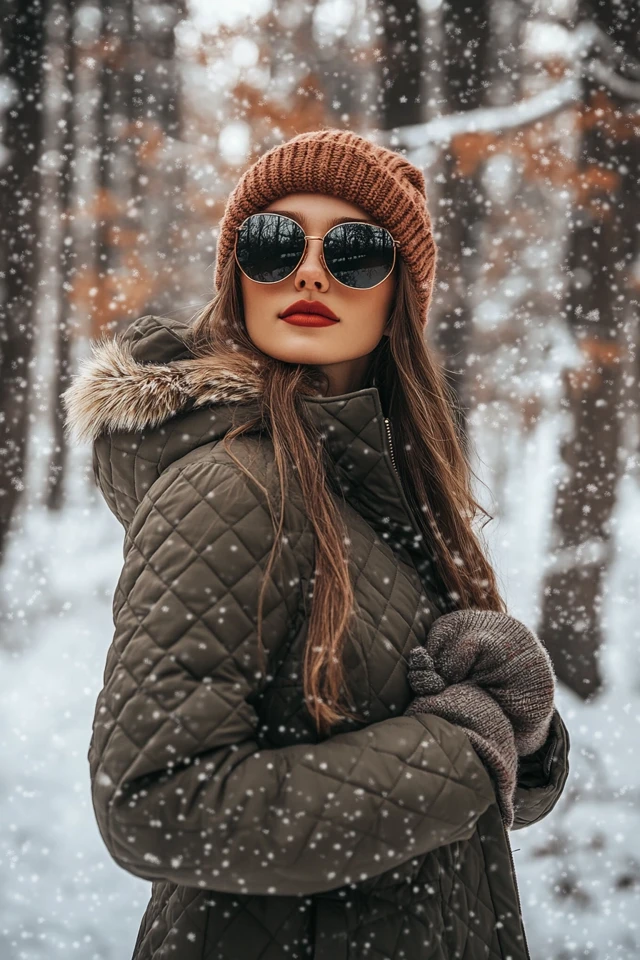
How to wear a wrap coat
Keep the rest of the outfit simpler than the coat, since the belt and crossover are already doing the shaping work.
- Over a turtleneck and straight trousers for a clean, office-ready line.
- Over a sweater dress with opaque tights and knee-high boots for dinner.
- With the belt tied at the back for a looser, more casual line.
- Closed with a scarf tucked into the V to block drafts.
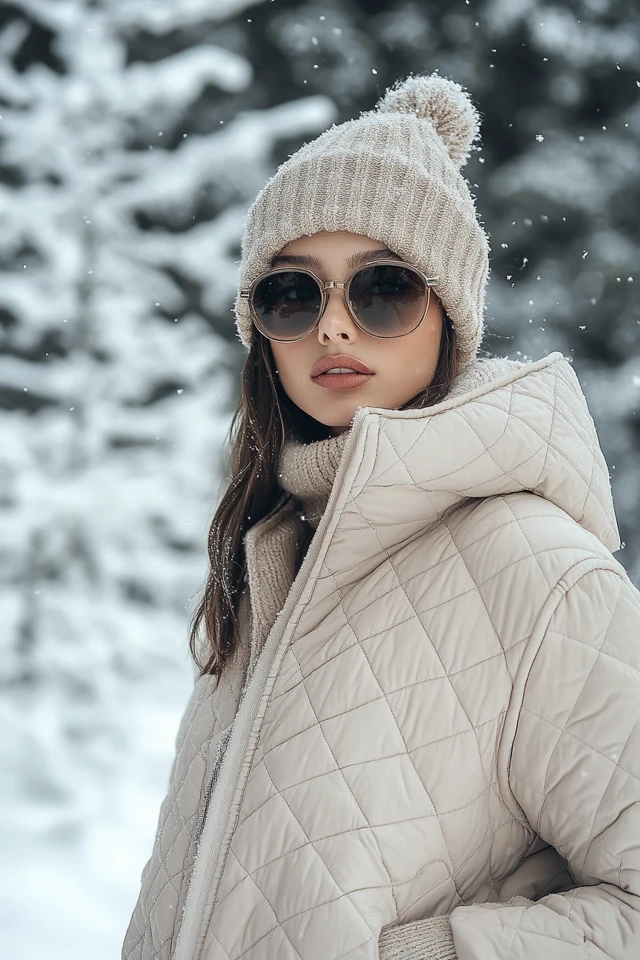
Wrap coat outfit casual ideas
For a wrap coat outfit casual enough for errands, pair a relaxed wrap with a chunky knit, straight or slim jeans, and insulated boots. Add a beanie and gloves. Matching the coat to a neutral palette like black, camel, gray or navy makes the pieces easy to repeat.
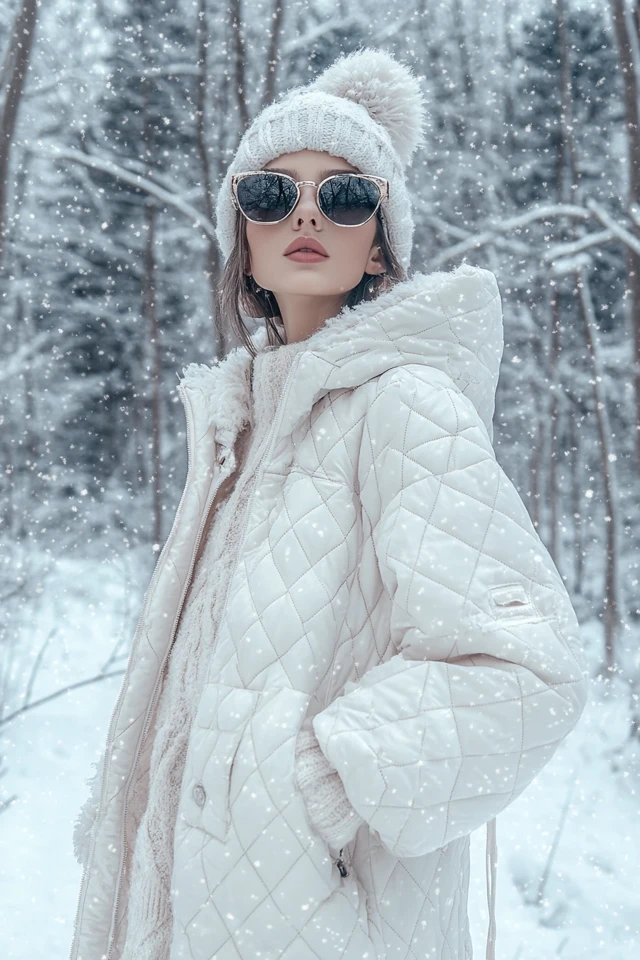
For a snowy park walk, go shorter with fleece-lined leggings and waterproof boots. If you want more warmth in the same family, see fleece-lined parkas, or add quilted mittens and a quilted blanket scarf.
Choosing a color and texture
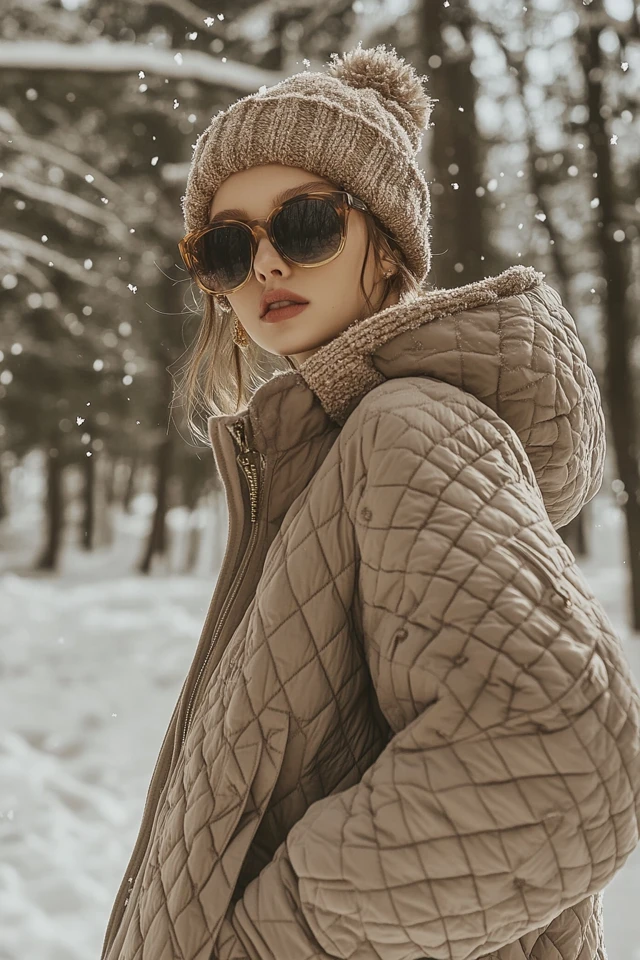
Texture changes how a color reads. A matte quilted black looks softer than a glossy one, and a camel wool wrap looks warmer next to skin than a cool gray. As an architect trained in evidence-based design, I'd pick the matte finish if you want the coat to look polished in flat winter light, because shine shows every pucker in the stitching.
If you are still comparing outerwear types, our winter coats guide and the wool coats post cover the alternatives.
Caring for a quilted wrap coat
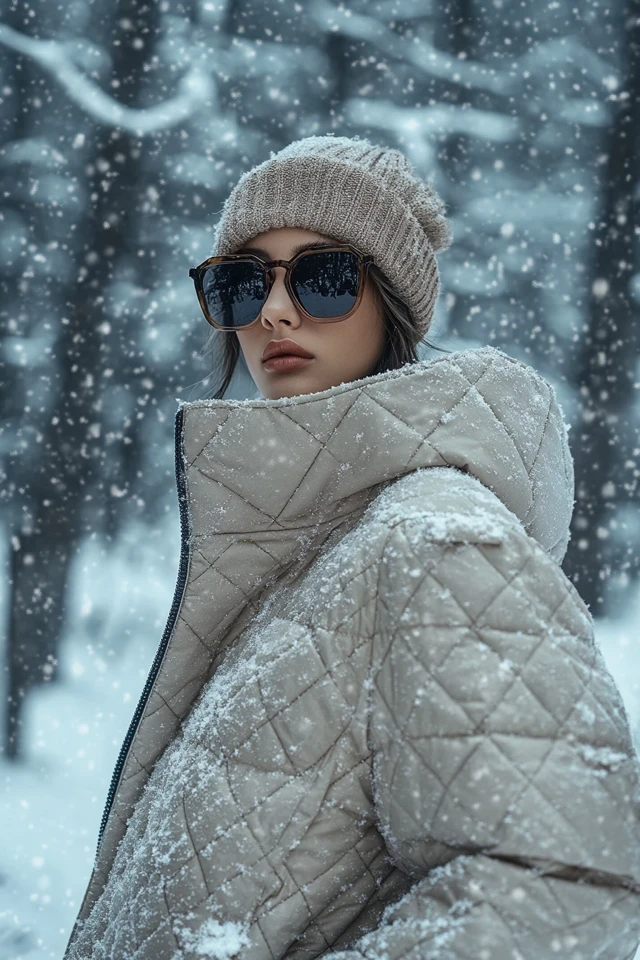
Spot clean small marks with a damp cloth. For a full wash, follow the care label, since fills differ. Hang the coat on a sturdy hanger and store it somewhere dry in the off-season. Untie the belt before storing so it doesn't crease the waist.
Frequently asked questions
What is a wrap jacket?
A wrap jacket closes by crossing one front panel over the other and tying a sash at the waist, with no buttons or zipper. The belt lets you adjust the fit over different layers.
What coats make you look slimmer?
Coats with a defined waist and a long vertical line, such as a belted wrap, tend to create a narrower look. Matte fabrics in darker colors also show fewer lumps than shiny ones.
Can a wrap coat be warm enough for snow?
Yes, if it has insulation such as quilted fill or a heavy wool blend, plus a water-repellent shell. Thin wraps need warm layers underneath.
Do wrap coats work for petite or curvy frames?
Often, since the belt adjusts to your waist. Choose a hem that ends mid-thigh or below the knee and keep the sash tied at your natural waist.
Filed under Weather Style