Gloves, Mittens and Ear Warmers for Snowy Days
- Words by
- Julio Arco
- Published
- Reading
- 4 min
For the warmest hands on a snowy day, choose quilted mittens. They keep your fingers together so they share heat, while gloves give you more dexterity. Pair either with ear warmers or earmuffs, since uncovered ears are often the first thing to feel the cold.
Below: mittens versus gloves, what to look for in a quilted pair, how to keep your ears covered, and how to put a matching set together.
Do gloves or mittens keep you warmer?
Mittens, usually. Your fingers sit side by side in one pocket, so they warm each other, and there is less surface area exposed to cold air. Gloves separate each finger, which is better for zippers, phones and tying laces, but the trade-off is less shared warmth.
Quilting helps either style. The stitched channels hold insulation in place so it does not shift and leave thin spots. A quilted mitten with a fleece or sherpa lining is a sensible pick for sledding, shoveling and long walks. If you need your fingers for tasks, a lined glove or a convertible mitten is the compromise.
What to look for in quilted mittens
Shell, insulation and lining
A water-resistant outer in nylon or polyester keeps snow from soaking through. Synthetic fill such as Thinsulate or PrimaLoft is light, so the mitten stays flexible. Fleece, sherpa or wool lining adds softness against the skin.
Moisture matters as much as insulation. Texas A&M's Howdy Health notes that the layer closest to your skin should be made of moisture wicking materials that draw sweat away from your skin, and it advises avoiding cotton because it absorbs moisture and can keep it next to your skin. For active days, a thin synthetic or wool liner glove under your mitten follows that same logic.
Fit and cuffs
A mitten should be snug but leave a little air around your fingertips, since a tight fit squeezes out the insulation. Elastic or adjustable cuffs that slide under or over your coat sleeve stop snow from creeping in at the wrist.
Grip, touchscreen and flip-top options
Textured palms help with sled ropes and ski poles. Touchscreen mittens add conductive fabric on the thumb and finger so you can answer your phone without baring your hand. Convertible flip mittens fold back to expose gloved fingers, which suits commuting and photos. Both are less warm than a fully closed quilted mitten, so save them for short, stop-and-go days.
What to wear to keep your ears warm
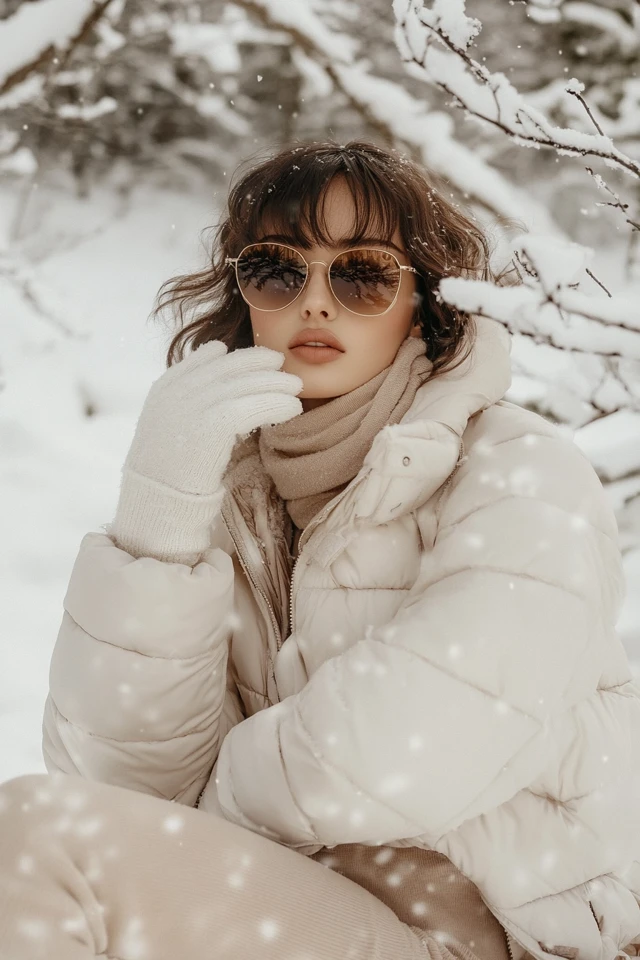
You have three easy options: a headband-style ear warmer, a pair of earmuffs, or a hat that pulls fully over the ears. Ear warmers are slim and fit under a hood. Earmuffs are warmer in wind and are easy to take on and off without messing up your hair. A hat is the simplest if you already wear one.
If your skin is sensitive or you have circulation concerns, check with your doctor about cold exposure. Otherwise, pick a soft lining so nothing scratches the edge of the ear.
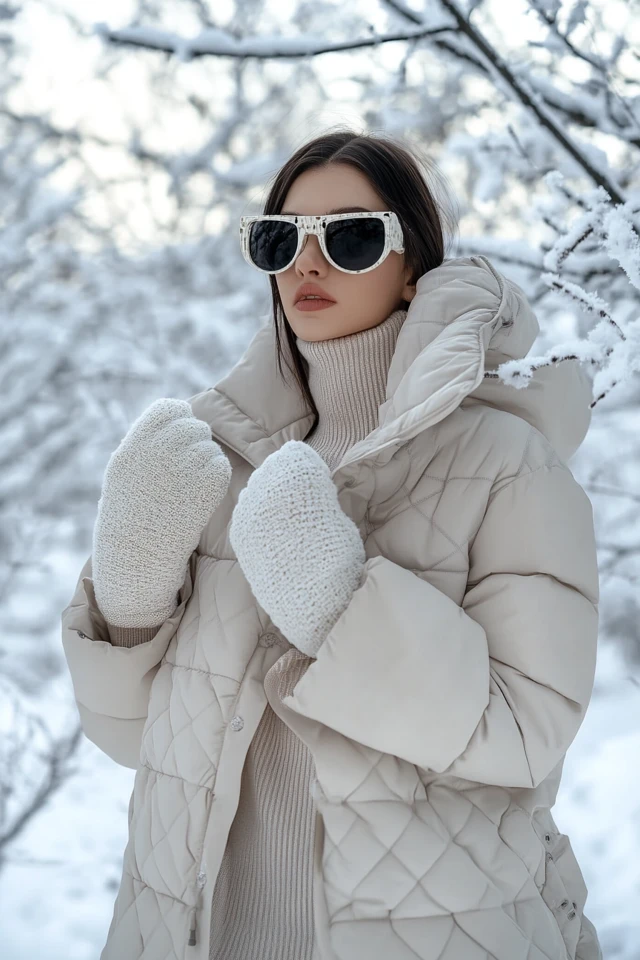
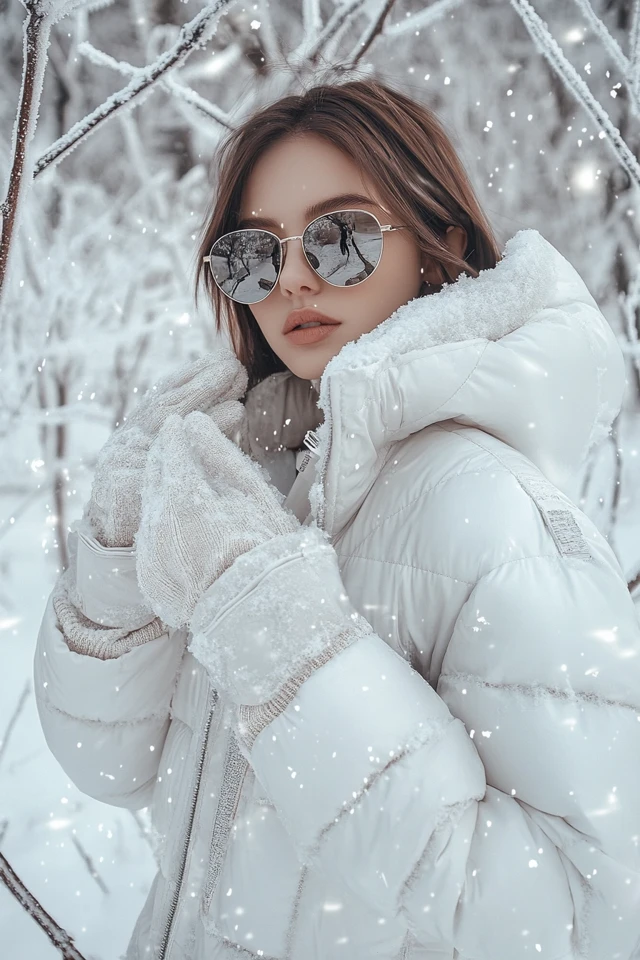
How to style an earmuff and glove set
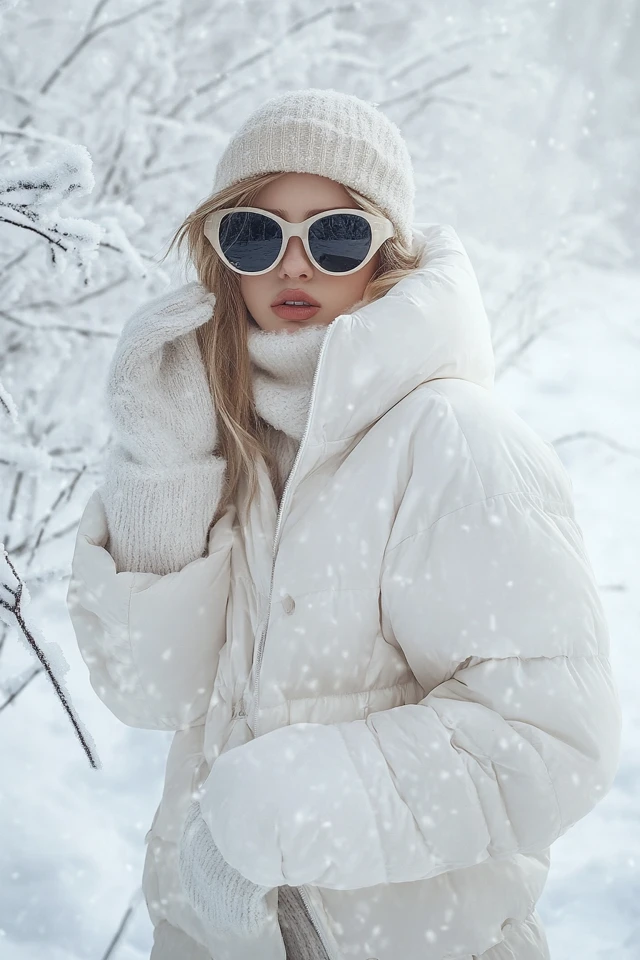
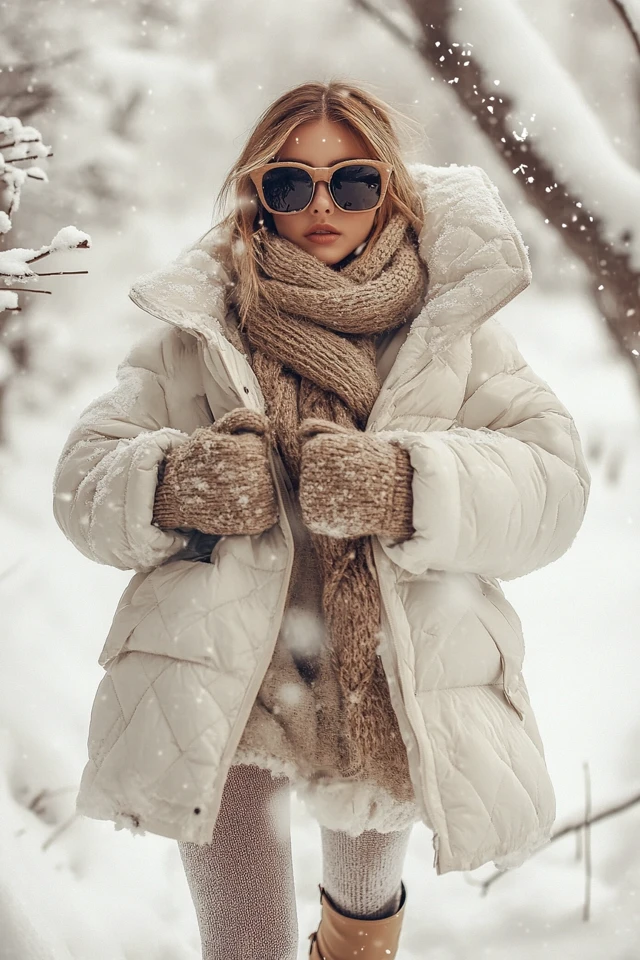
A matching set, whether an earmuffs and gloves set or an ear warmer and glove set, makes dressing quick. Through the lens of evidence-based design, I'd think about texture first: quilted nylon reads sleek and a little sporty, while a knit or sherpa reads softer, even in the same color.
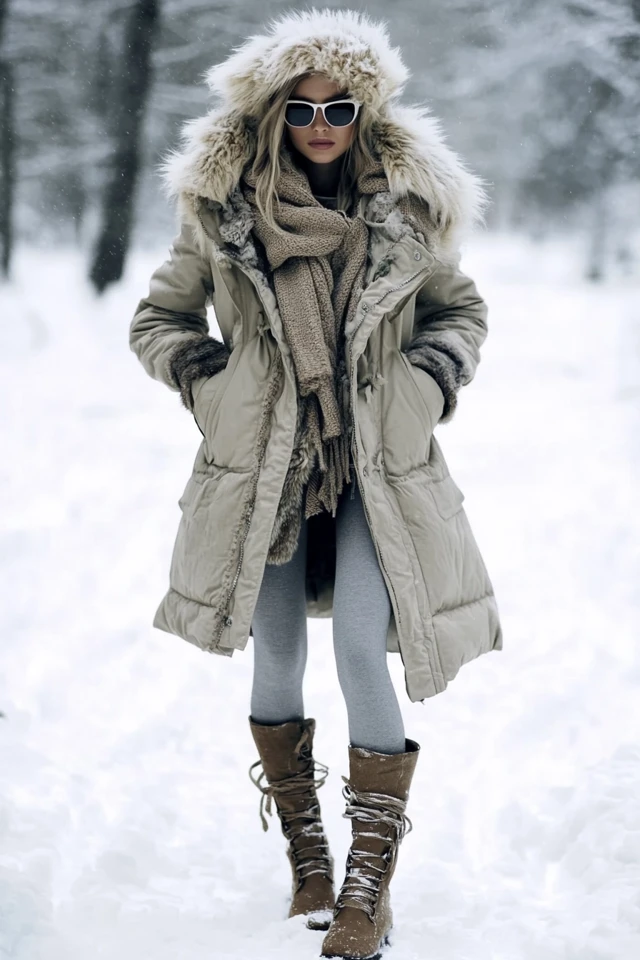
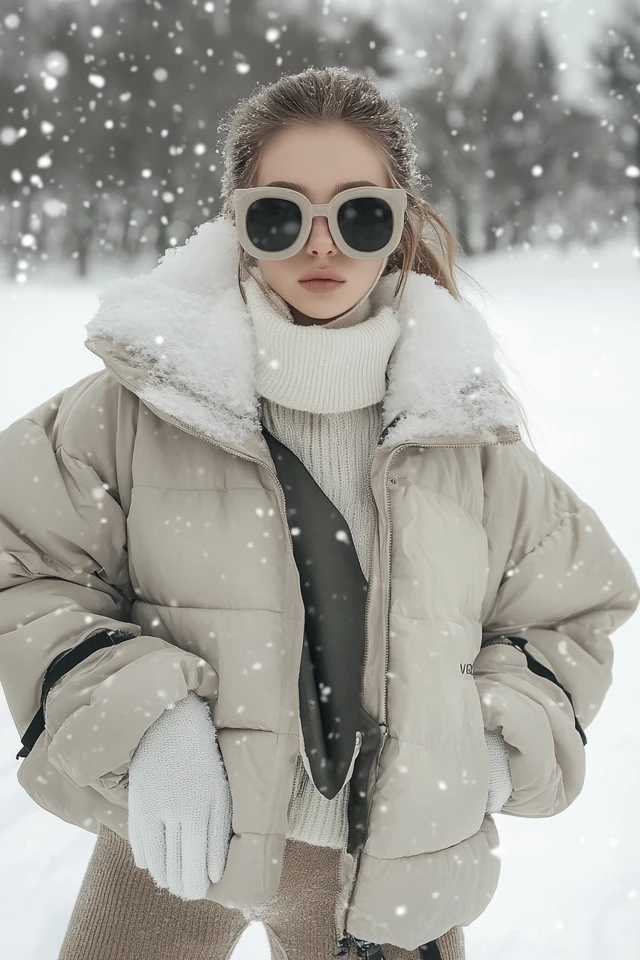
- Snow day: black quilted mittens with a puffer, fleece-lined leggings and waterproof boots. Add a headband ear warmer.
- Winter hike: a bold color such as cobalt on the mittens, with a thermal jacket and insulated boots.
- Market stroll: neutral mittens with a tailored wool coat and a plaid scarf.
- Ski day: grippy-palm mittens with a waterproof jacket and goggles.
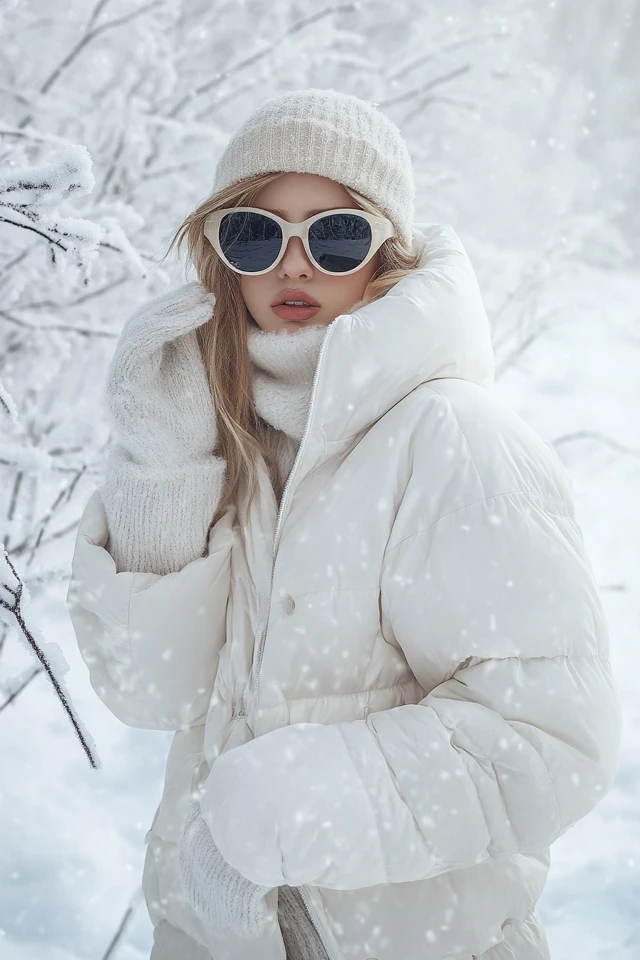
- Evening out: cream mittens with a dark coat and ankle boots.
As an architect trained in evidence-based design, I'd keep the set to one or two colors. A bright mitten against a neutral coat draws the eye to your hands and adds a clear accent, while three competing colors tend to look busy.
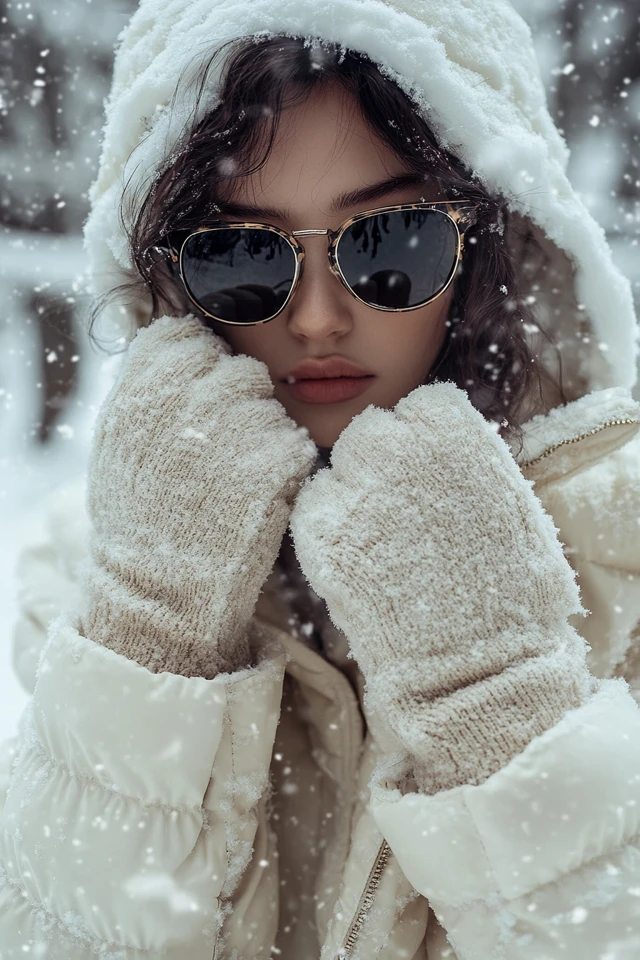
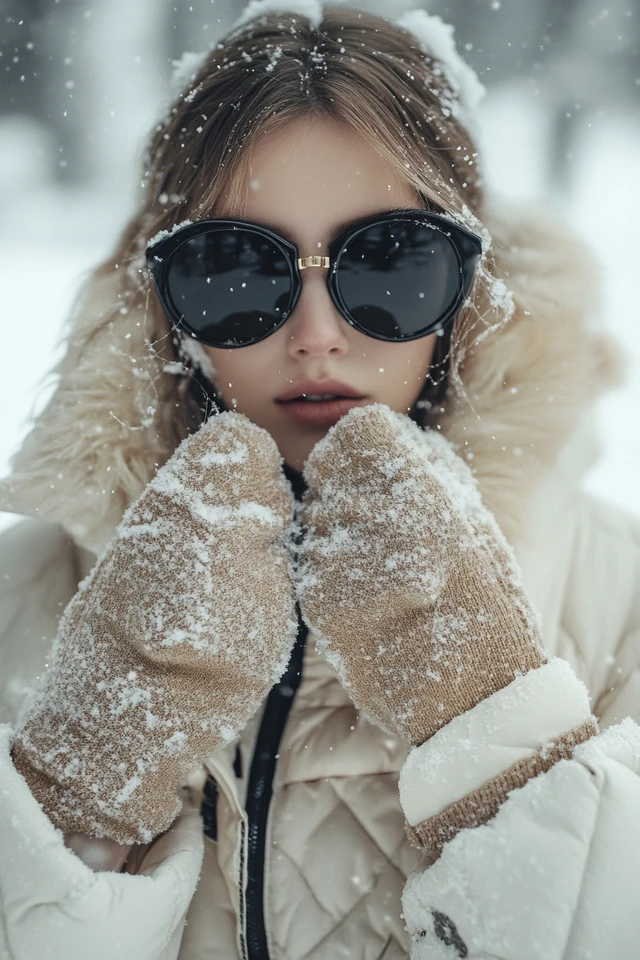
For more winter pieces that work with a set like this, see quilted blanket scarves, warm quilted coats and shearling-lined boots. The wider overview is in gloves and mittens for cold weather.
Options for kids and for people with cold hands
For kids, mittens are easier to put on than gloves, and a cuff that cinches over the jacket sleeve keeps snow out. For older adults or anyone whose hands run cold, choose mittens with a soft lining and a wide opening that is easy to pull on. A thin liner glove underneath helps when you need to use your fingers. If cold hands are persistent or painful, check with a doctor.
How to care for quilted mittens
- Spot clean with a damp cloth and mild soap. Machine wash only if the care label says you can.
- Air dry flat, away from direct heat. A hot dryer can damage the shell and insulation.
- Store flat or hung in a cool, dry place so the quilting does not get crushed.
Frequently asked questions
What are the best gloves for elderly people with cold hands?
Look for a soft lining, a stretchy or wide cuff that is easy to pull on, and light insulation that does not feel bulky. Mittens are usually warmer, and a thin liner glove adds dexterity. Check with a doctor if cold hands are painful or persistent.
Are there gloves that actually keep your hands warm?
Yes. Choose a water-resistant shell, synthetic insulation and a fleece or wool lining, with a cuff that closes at the wrist. Keeping your hands dry matters as much as the insulation.
Can quilted mittens be waterproof?
Many are water-resistant or waterproof, depending on the shell and seams. Check the product description, since quilting stitches alone do not make a mitten waterproof.
Can I wear touchscreen mittens for skiing?
They work for light use, but the touchscreen patch and flip-top designs are usually less insulated. For ski days, a closed quilted mitten with grippy palms is the warmer choice.
Filed under Weather Style