Long Layered Haircuts: Styles, Fit and How to Ask
- Words by
- Julio Arco
- Published
- Reading
- 4 min
The best long layered haircuts at mid-back length use long, soft layers that start around the chin or collarbone and keep the ends full. You get movement and shape without losing the length. Which version suits you depends mostly on how dense your hair is and whether you want bangs.
Below: the main layered styles, what changes for thin, thick, straight or wavy hair, and how to explain the cut to your stylist.
What makes a layered cut work at mid-back length?
Layers are shorter pieces cut over longer ones. At mid-back length they remove weight and let the hair bend and swing instead of hanging as one block. The longest layer sets the silhouette, so the ends can stay thick even when the top is lighter.
Through the lens of evidence-based design, I'd look at layers as a way of changing how light moves across the hair. Staggered lengths catch light at different points, so the hair reads as softer and fuller than a blunt line does.
Face-framing layers for long hair
These are the shortest pieces, cut around the face, usually starting near the cheekbone or chin. They draw the eye to the face and soften a strong jaw or forehead.
- Start at the chin for a gentle frame that grows out easily.
- Start at the cheekbone for more lift and a more visible shape.
- Ask for them to blend into the longer layers, so there is no obvious step.
Long layered haircuts with curtain bangs
Curtain bangs part in the middle and sweep to each side, then merge into the face-framing layers. They are the easiest bangs to grow out, which makes them a sensible first fringe. If your hair has a strong cowlick at the hairline, tell your stylist before they cut.
For a softer look without cutting a fringe, see the shorter option in this layered fringe cut.
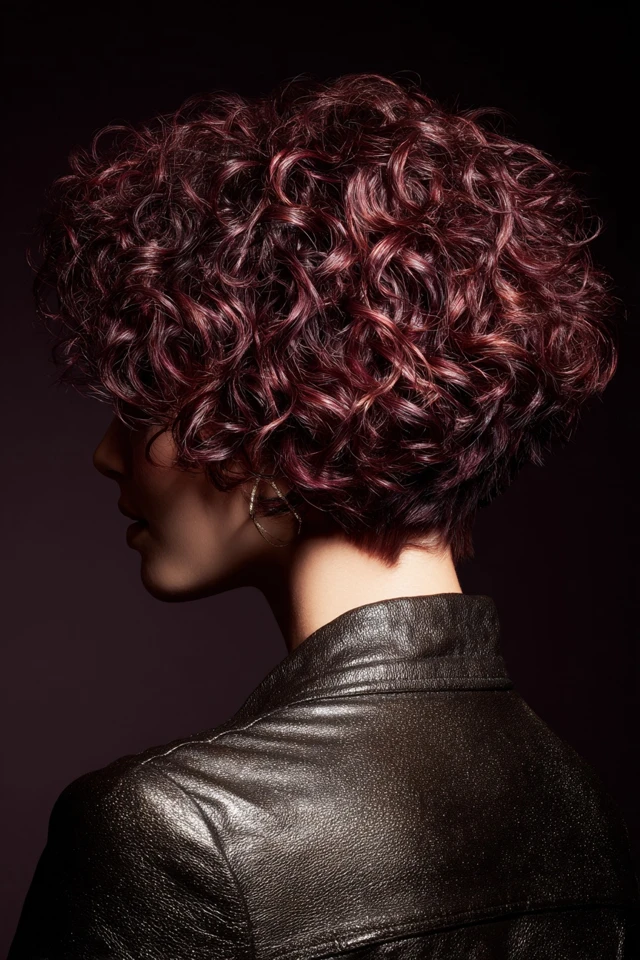
Long layered haircuts for thin hair
With fine hair, fewer and longer layers work best. Too many short layers remove the density you need at the ends and make them look wispy. Ask for a few long layers, keep the perimeter fairly blunt, and add face-framing pieces for shape.
Heat styling is where fine hair suffers most. The American Academy of Dermatology says flat irons should be used on dry hair on a low or medium heat setting, no more often than every other day.
Long layered haircuts for thick hair
Thick hair gains the most from layers because they remove bulk and stop the shape from turning triangular. Ask for longer layers through the body and some internal thinning or point cutting, which lightens the hair without shortening it visibly.
Thick or textured hair also tends to be drier. The AAD advises that if your hair is dry, textured, curly or thick, shampoo when needed, at least once every 2 to 3 weeks.
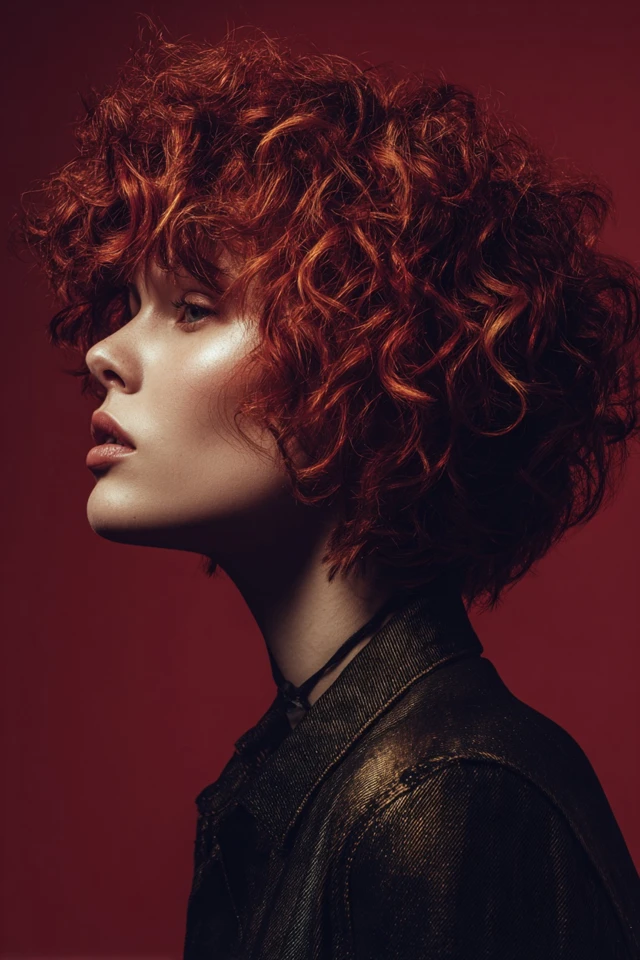
Straight, wavy and curly layers
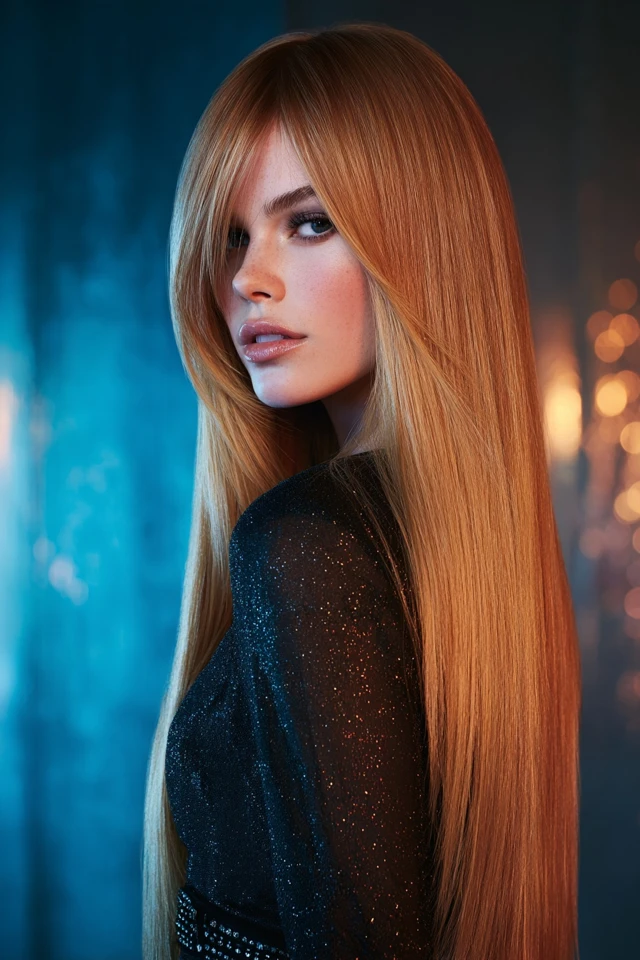
Straight hair shows every line, so a layer cut for long hair that is straight needs clean, even blending. Soft layers keep it from looking flat while the ends stay sleek. You can see how that looks in this mid-back straight cut.
Waves and curls shrink when cut, so the layers will sit higher than they look when wet. Ask your stylist to cut curls dry or check them often. Two related looks: mid-back waves and defined mid-back curls.
Do layers make you look younger?
Layers do not change age, but they change how the hair frames the face. Lifted, soft layers around the cheekbones tend to read as lighter and fresher than a heavy, one-length line that pulls the face downward. Healthy-looking ends matter as much as the cut.
How to ask your stylist for long layers
- Bring two or three photos and say what you like in each: the length, the face frame, the bangs.
- Say how long you want to keep the hair. Name where the longest layer should fall.
- Describe your routine: air-dry or heat-styled, daily or occasional.
- Mention density: thin hair needs fewer layers, thick hair can take more.
If you are between lengths, compare an upper-back cut, an armpit-length cut and a swoosh-style long cut.
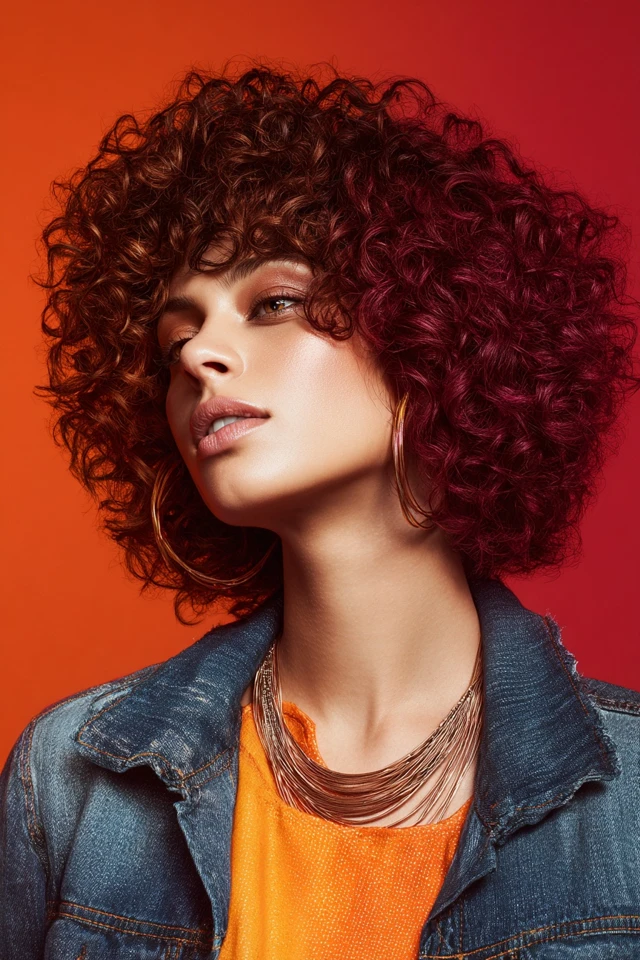
Keeping layers looking good
Wet hair is fragile, so the AAD recommends a wide-tooth comb instead of a brush to detangle wet hair. A leave-in conditioner can help too. Dermatologist Zoe D. Draelos, MD, FAAD, says: "You should see less frizz. Your hair should be easier to brush or comb, so you'll have less breakage."
Plan a trim every couple of months so the face-framing layers keep their shape.
Frequently asked questions
Which layer cut is best for long hair?
Long, soft layers with face-framing pieces suit most people because they add movement and keep the length. Fine hair needs fewer layers, and thick hair can take more.
Do layers make you look older or younger?
Layers do not change your age, but soft, lifted layers around the face usually look fresher than a heavy one-length cut. Healthy ends help most.
What is the most popular layered haircut?
Long layers with face-framing pieces are among the most requested, often paired with curtain bangs. They work on most textures and are easy to grow out.
Filed under Haircuts