Long Layered Haircuts: Styles, Face-Framing and What to Ask
- Words by
- Julio Arco
- Published
- Reading
- 5 min
Long layered haircuts keep your length and remove weight, so hair moves instead of hanging in one flat sheet. The right layer placement depends on your hair: shorter, more blended layers add lift to fine hair, while longer, softer layers take bulk out of thick hair.
Below you'll find the main styles, who each one suits, and how to explain the cut to your stylist.
What makes a haircut layered?
Layers are sections cut at different lengths so the hair stacks on itself. The longest layer sets your overall length, and the shorter ones sit above it, adding shape around the face, crown or ends.
Through the lens of evidence-based design, I'd think of a layered cut as a change in surface and silhouette. Light catches the ends of each layer differently, so the same color reads with more depth than it does on a blunt cut.
The trade-off is upkeep. Layers show their shape best with regular trims, and very short layers on long hair can look choppy as they grow out.
Which layer cut is best for long hair?
There isn't one winner. The best choice depends on thickness, texture and how much styling you want to do. These are the common options:
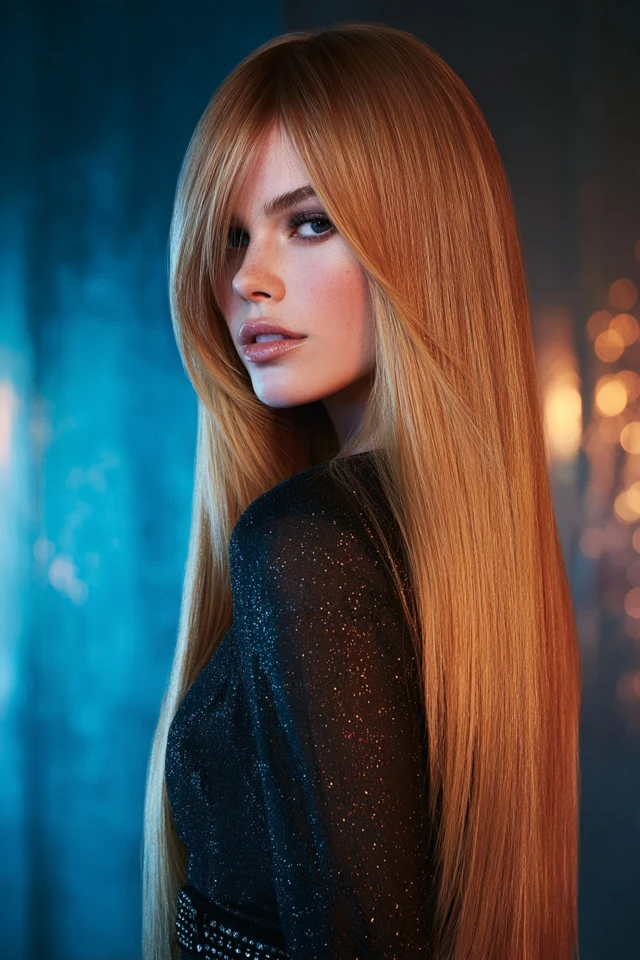
- Long, soft layers: a gentle step from crown to ends. Easy to wear straight or wavy.
- Face-framing layers: shorter pieces starting around the cheekbones or chin, with the back left long.
- Curtain bangs with layers: bangs that part in the middle and blend into the sides.
- V-shaped or U-shaped ends: the layers shape the back outline. See the long V-shape haircut and the long U-shape haircut.
- Invisible layers: hidden inner cutting that removes weight while the outline stays full. More in this guide to invisible layers.
How do face-framing layers work?
Face-framing layers are the shortest pieces in the cut, and they sit closest to your features. Starting at the cheekbone draws the eye up, starting at the chin softens a strong jaw, and starting at the collarbone is the most subtle.
I'd treat these pieces as the first thing the eye reads, since they sit right beside your face. That makes them a good place to experiment, because they grow out without changing your overall length.
Layers with bangs and curtain bangs
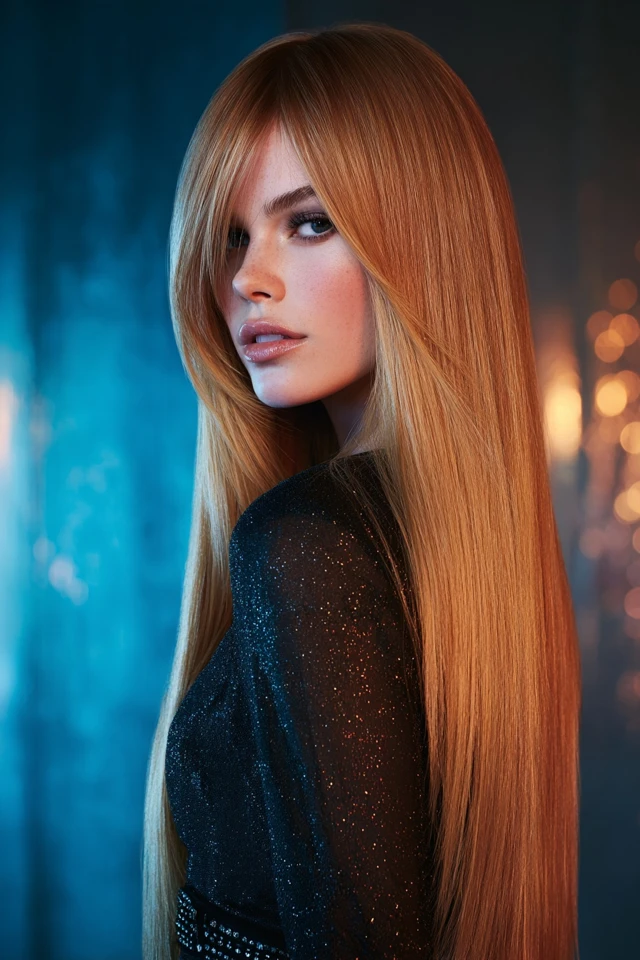
Long layered haircuts with bangs work when the bangs connect to the layers around them. Curtain bangs are the easiest version: they part in the center, sweep toward the sides and fade into your face-framing pieces.
Long layered haircuts with curtain bangs suit most hair types, but cowlicks at the hairline can make them lift or split. Mention that to your stylist before the first cut. Bangs also need a trim more often than the rest of the hair, so ask whether your salon offers quick bang touch-ups.
Long layered haircuts for thin hair
With thin hair, keep layers long and few. Too many short layers remove the density at the ends, and the cut can look see-through.
- Ask for a blunt-ish perimeter with a few long layers for movement.
- Put the shortest pieces near the face, not through the back.
- Avoid heavy thinning shears on the ends.
For extra lift, see long blowout styling for volume.
Long layered haircuts for thick hair
Thick hair benefits from layers placed through the mid-lengths and ends, where bulk collects. Without them, hair can flare out into a triangle shape.
Ask for weight removal rather than shorter length. Longer layers keep the outline while the inside feels lighter. If your hair is dry or textured, wash it as needed: the American Academy of Dermatology notes that dry, textured, curly or thick hair should be shampooed at least once every 2 to 3 weeks as needed.
Straight, wavy and curly layers
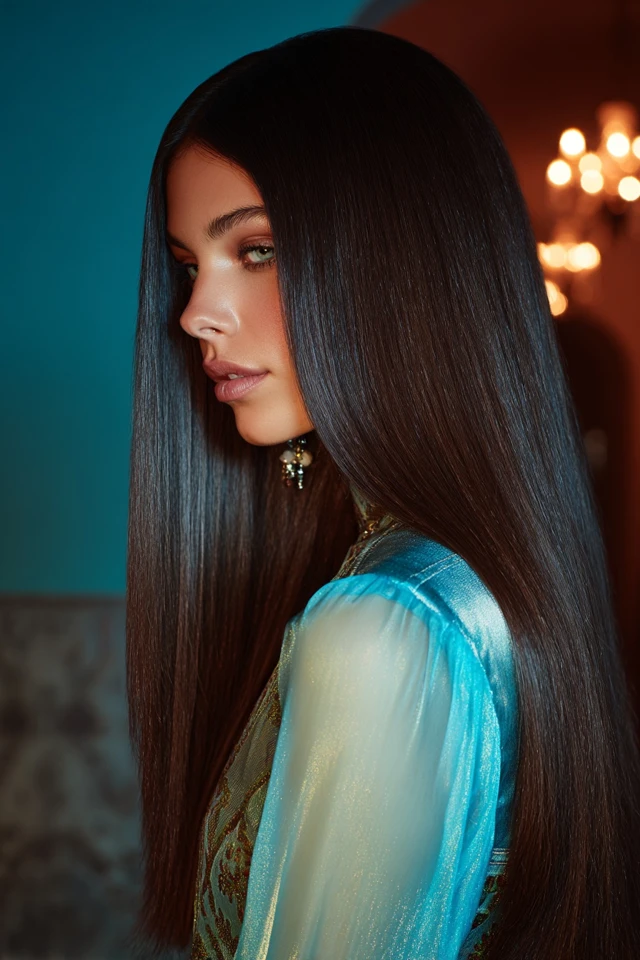
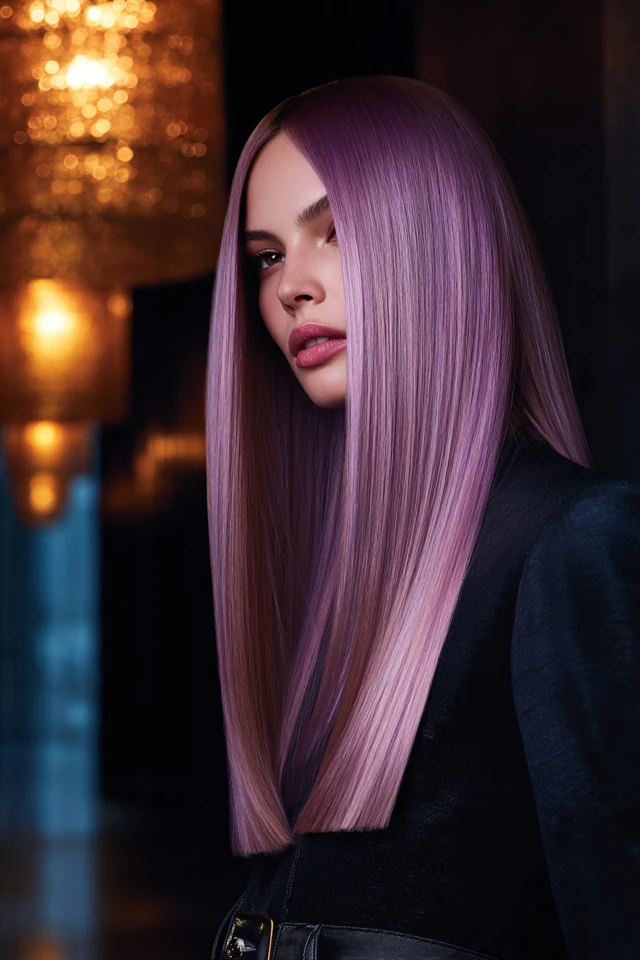
A layer cut for long hair that is straight shows every line, so the steps need to be blended well. Wavy hair gains shape from layers because the waves stack and separate. Take a look at long wavy cuts for that look.
Curly hair is often cut dry or curl by curl so each layer springs up to the right height. If you wear curls, see long curly haircuts for defined curls. For hair that dries without heat, this air-dry cut guide helps.
Do layers make you look younger?
Layers don't change age, but they change what the eye sees. Movement and face-framing pieces tend to read as softer and lighter than a heavy, one-length cut. A cut that suits your hair type and is kept fresh matters more than the layers themselves.
How to ask your stylist for layers
- Say your length goal first: keep it, or lose an inch or two.
- Say where the shortest layer should start (cheekbone, chin or collarbone).
- Describe the effect you want: more volume, less bulk, or more movement.
- Bring two or three photos of hair similar to yours in thickness and texture.
- Ask how it will look air-dried, and how often to trim it.
Keeping long layers healthy
Layers show damage at the ends, so gentle habits help. The AAD recommends a wide-tooth comb instead of a brush to detangle wet hair, because hair is delicate when wet. If you use a flat iron, the AAD advises dry hair, low or medium heat, and no more often than every other day.
Dermatologist Zoe D. Draelos, MD, FAAD, says of leave-in conditioner: "You should see less frizz. Your hair should be easier to brush or comb, so you'll have less breakage."
For a lower-effort routine, read the long low-maintenance haircut plan.
Frequently asked questions
What is the most popular layered haircut?
Long soft layers with face-framing pieces are among the most requested, since they work on most hair types and need little styling. Curtain bangs are a common add-on.
Do layers make you look older or younger?
Layers change movement and shape rather than age. Soft, face-framing layers usually look lighter than a heavy one-length cut, but a well-maintained cut matters most.
What are the trendy long layered haircuts for 2026?
Trends shift, so it's safer to ask for what suits your hair: soft long layers, curtain bangs or face-framing pieces. Your stylist can adjust them to your texture.
How often should I trim long layers?
Many people trim every few months to keep the ends shaped, and bangs more often. Your stylist can set a schedule based on how fast your hair grows.
Filed under Haircuts