Gel Nail Art: Crystal BIAB Ideas and How to Start
- Words by
- Julio Arco
- Published
- Reading
- 4 min
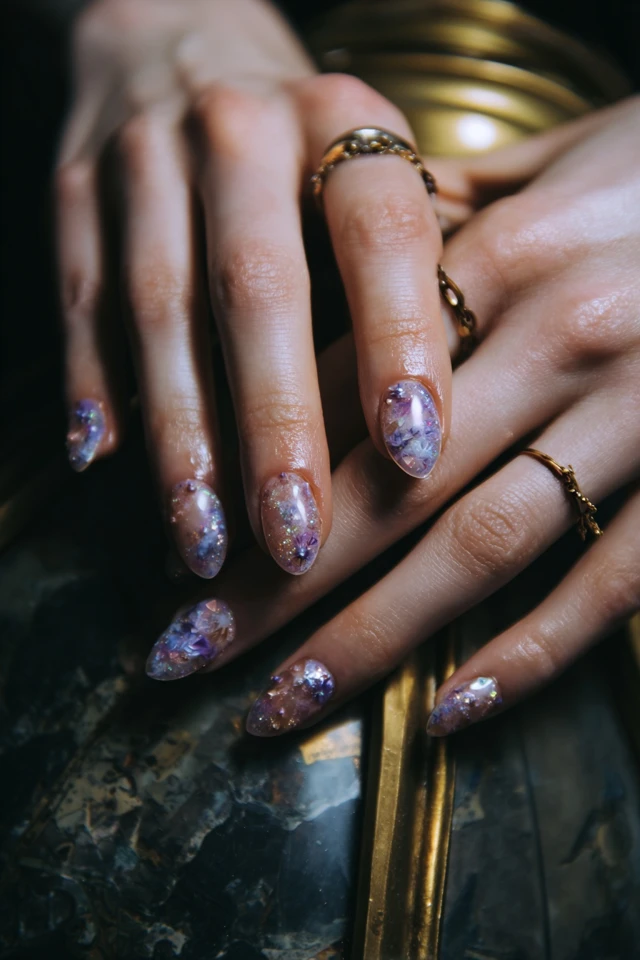
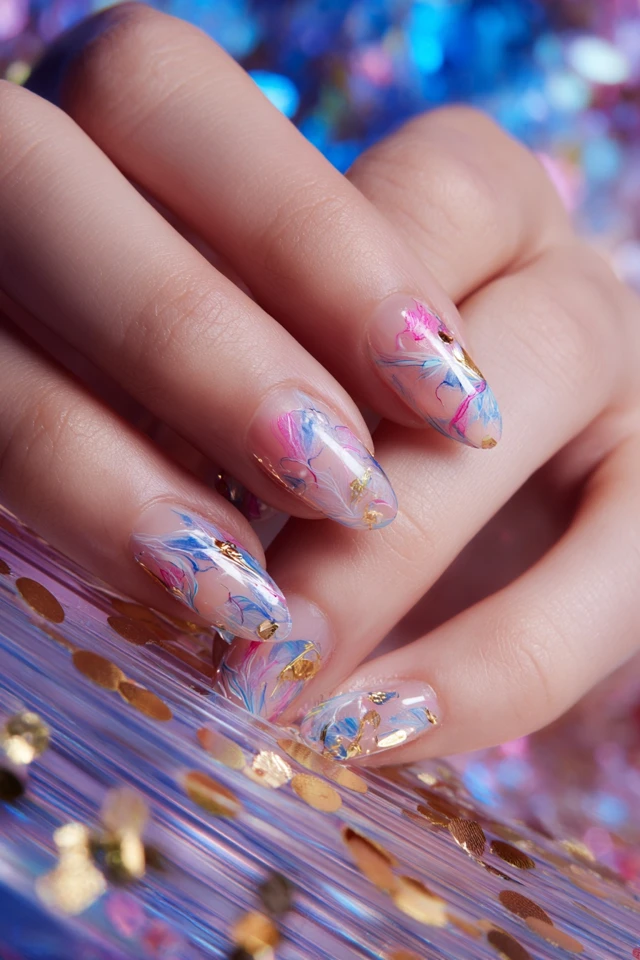
Yes, you can do nail art with gel. A crystal BIAB (builder in a bottle) manicure gives you a clear, slightly glassy base, and you can paint, line, sticker or build on top of it before sealing everything with a top coat.
The look works because the base is translucent. Sheer pink, milky nude and clear all let a few small crystals or fine lines read as the focus, without a heavy block of color.
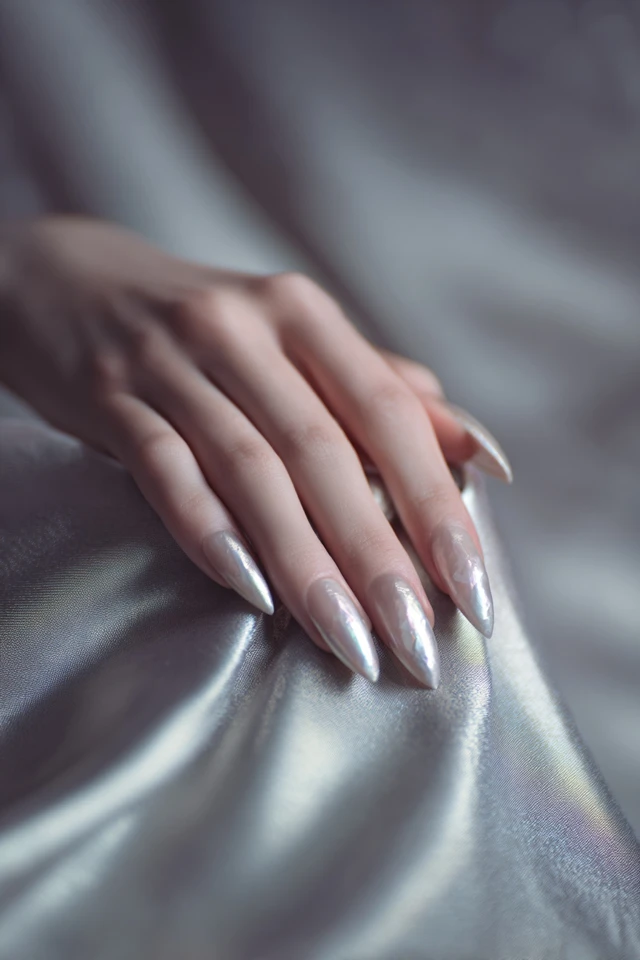
Can you do nail art with gel?
You can, and gel is forgiving for it. Gel stays workable until you cure it under a lamp, so you can fix a wobbly line with a clean brush before it sets. Regular polish starts drying the moment it leaves the brush.
The usual order is base layer, cured; color or art, cured in thin coats; then a top coat. Thin layers cure more evenly than one thick one, and they keep detail sharp.
Gel nail art ideas that suit a crystal base
A translucent base is the easiest place to start. These combinations tend to look polished without much effort:
- Clear or milky base with one or two tiny crystals near the cuticle
- Soft blush with a thin white line along the free edge
- Sheer nude with a gradient of shimmer toward the tip
- Pale lavender with a single crystal on the ring finger
Through the lens of evidence-based design, I'd keep the sparkle to one or two nails. A small, bright point draws the eye, and ten of them compete with each other. For more crystal looks, see encapsulated glitter designs and winter glow nails.
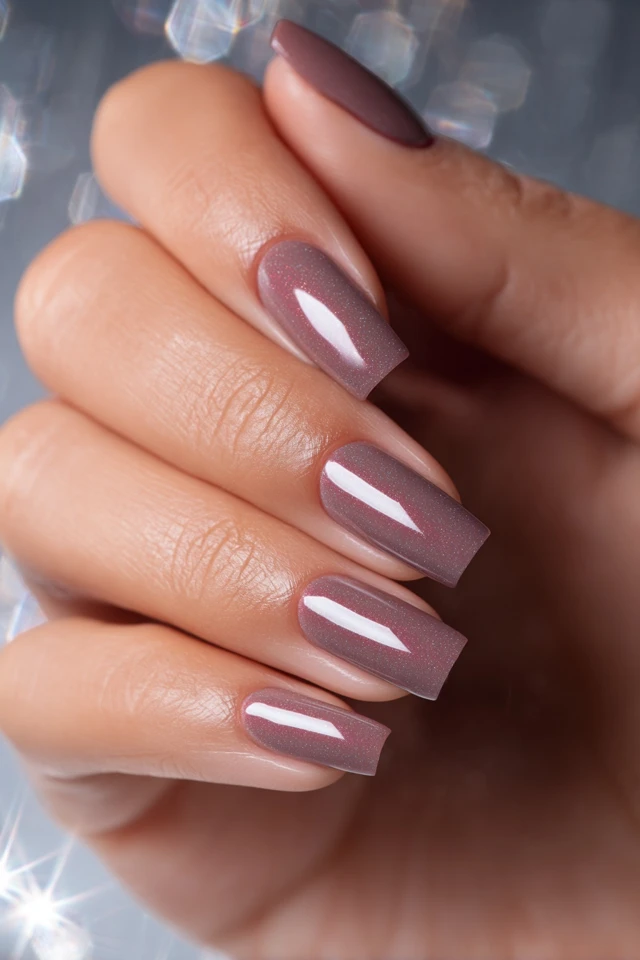
Which gel nail art supplies do you need?
You don't need a huge kit. A basic set of gel nail art supplies covers most designs:
- An LED or UV lamp that matches your gel brand
- Base coat, builder or BIAB gel, and a no-wipe top coat
- Gel paint in a few shades, plus white and black
- A fine detail brush and a dotting tool
- Lint-free wipes and a nail file and buffer
- Flat-back crystals and a small tub of gel for sticking them down
Buy gel products that are designed to work together and a lamp that suits them. Mixing brands can leave gel under-cured, which is a common cause of lifting and irritation.
How do you get clean lines and French tips?
A gel nail art liner is a long, thin brush made for exactly this. Load a little gel on it, rest your pinky on the table, and pull the line in one slow motion rather than short strokes.
For a French tip, lay the color along the free edge and cure it, then clean up the smile line with a flat brush dipped in alcohol or cleanser. A thin tip over a clear base is a softer take than the classic thick white.
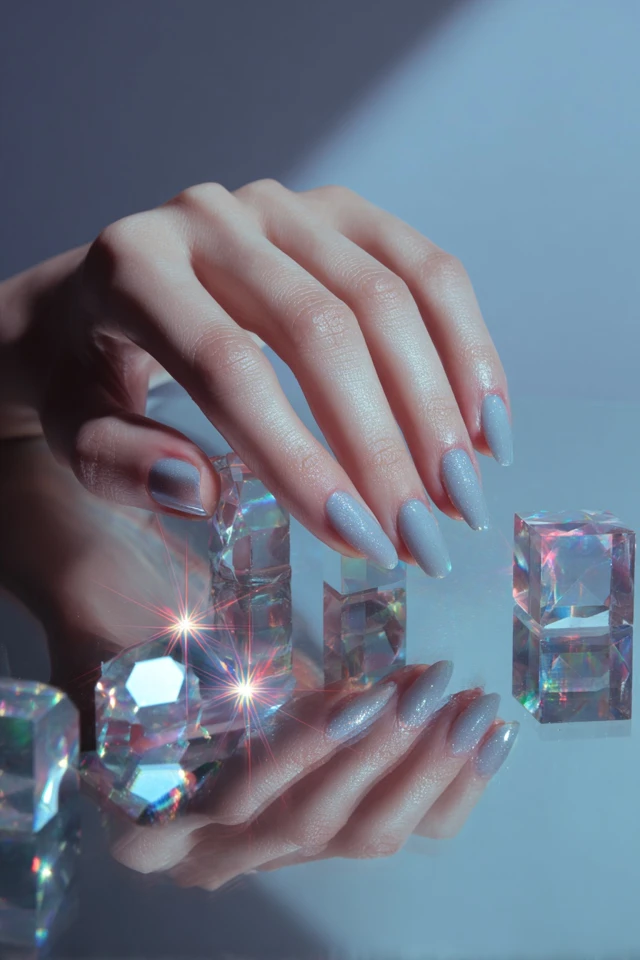
How do you make 3D gel nail art?
3D gel nail art uses a thicker gel that holds its shape, so you can shape small flowers, ridges or bubbles and cure them in place. Work one nail at a time, because thick gel can start to level before you reach the lamp.
Build the raised element on a fully cured, wiped base, then cap it with top coat. Keep it small on your first try. If you like the sculpted route, PolyGel artistry and 3-D jelly charms show how far it can go.
Which current gel nail trends are worth trying?
Among current gel nail trends, the ones that pair well with a crystal base are sheer neutrals, soft mauve and dusty rose, and thin graphic lines. Minimal designs like these artful minimalist nails are a good starting point, and marble effects work well over a milky base.
Color also changes with the finish. A glossy top coat over a pale shade looks cooler and cleaner than a matte one, which reads softer and warmer. Try a small swatch on one nail before committing to ten.
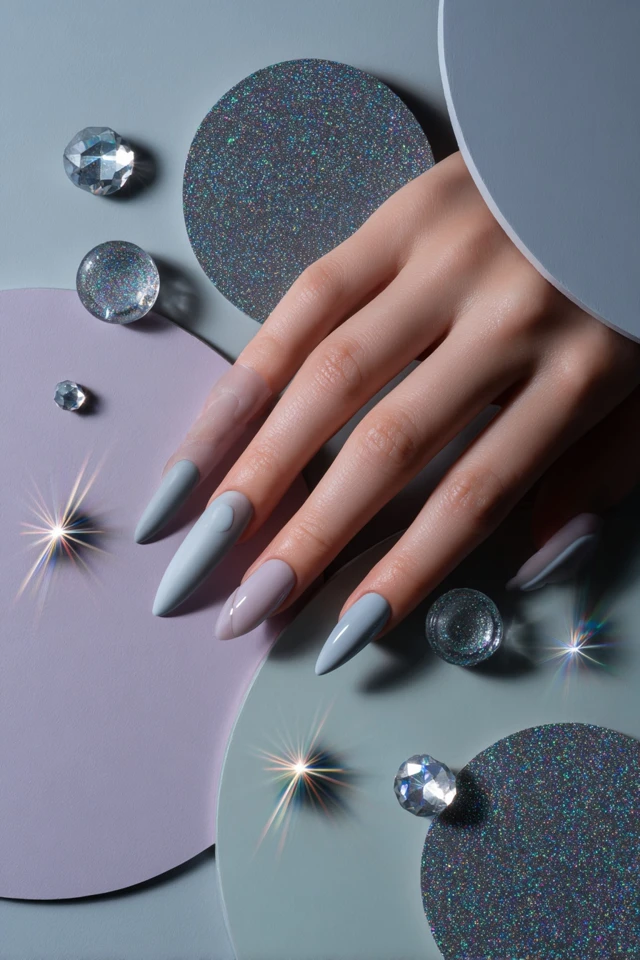
What is the downside of gel nails?
The main risks are skin reactions and nail damage. A literature review from the National Institutes of Health reports that allergic contact dermatitis is the most common adverse event, mostly linked to (meth)acrylates in nail glue, gel polish and acrylic nails. If your skin itches, swells or burns around the nail, stop and check with a dermatologist.
Removal is where most damage happens. Cleveland Clinic notes that removing gel polish carelessly can temporarily damage your nails, with cracking and peeling the most common problems. Don't peel it off.
How to take it off at home
The American Academy of Dermatology says acetone is the most effective way to remove gel polish at home. Dermatologist Shari Lipner, MD, PhD, FAAD also notes that after about 10 minutes under plastic wrap, most or all of the gel should be gone.
Afterward, look closely at your nails. As board-certified dermatologist Chris Adigun, MD, FAAD, says in the American Academy of Dermatology's guidance: "Looking closely at your nails after removing the color helps you spot a problem early."
Frequently asked questions
Can you do nail art with gel?
Yes. Paint or line your design in thin layers, cure each one under a compatible lamp, and finish with a top coat. Gel stays workable until cured, which makes corrections easy.
What are the current gel nail trends?
Sheer neutrals, soft mauve and dusty rose shades, thin graphic lines and small crystal accents are popular right now. Trends shift, so treat them as starting points.
What is the downside of gel nails?
Skin reactions to the gel ingredients and nail damage from rough removal are the main concerns. If you notice irritation or thinning nails, check with a dermatologist.
Do I need a gel nail art kit or can I buy supplies separately?
Either works. A kit is simpler for a first try, while buying separately lets you choose the brushes and colors you will actually use. Make sure the gels and lamp are compatible.
Filed under Nail Design