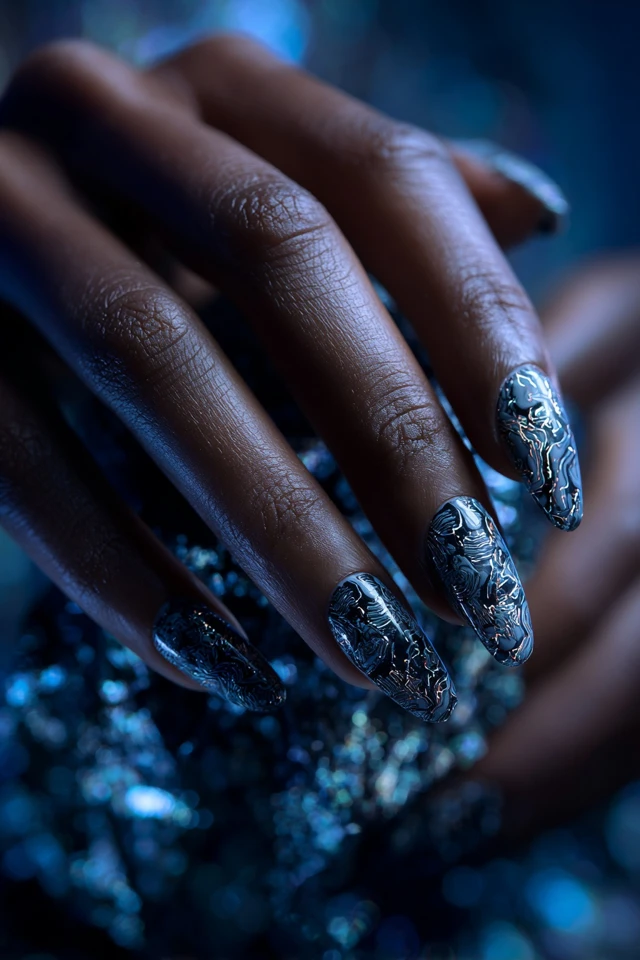
Gel Nail Art: Crystal PolyGel Ideas and Care Tips
- Words by
- Julio Arco
- Published
- Reading
- 5 min
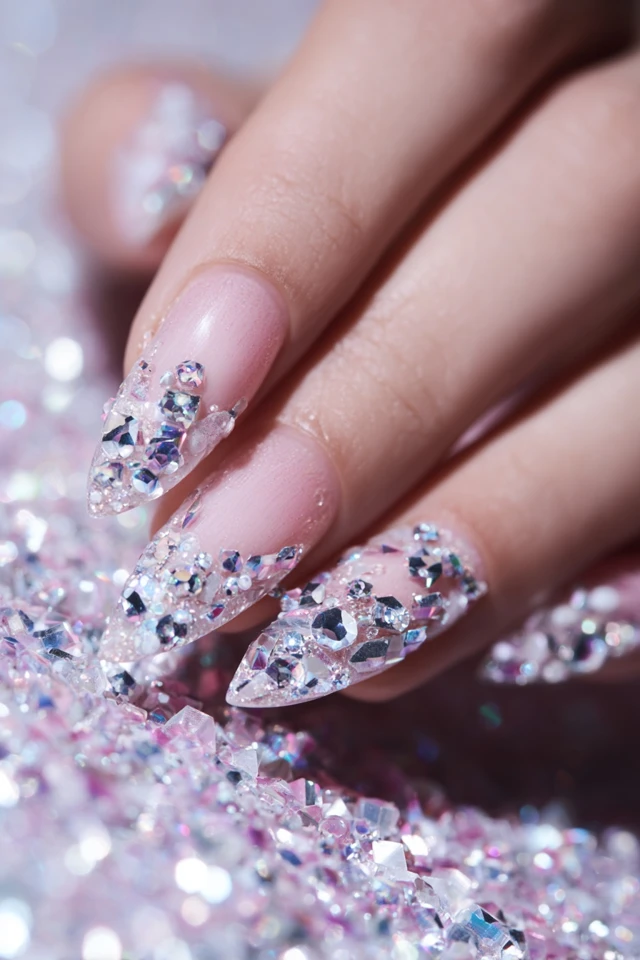
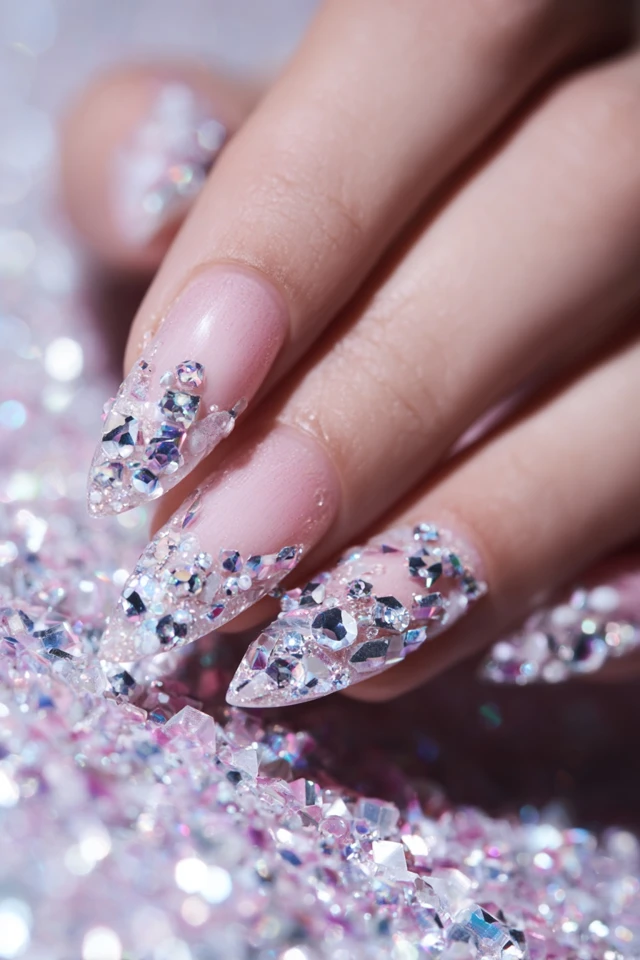
Yes, you can do nail art with gel. Crystal PolyGel is a good base for it: you sculpt or overlay the nail, set small crystals into the last layer, and cure each step under a lamp. Keep the design to one focal point, such as crystals clustered at the cuticle or a single accent nail, and it will read as polished rather than busy.
Below are gel nail art ideas that suit crystals, the supplies you need, how to match a design to your outfit, and how to take it off without punishing your natural nails.
Can you do nail art with gel?
You can, and gel is forgiving for it because it stays workable until you cure it. That gives you time to place a crystal, adjust a line or correct a shape. PolyGel is thicker than regular gel polish, so it suits sculpting length and building a slight arch, while thin gel paint handles the details.
If you are new to it, start with one layer of color, one detail and a top coat. Add complexity once your hands are steady.
Gel nail art supplies you actually need
A basic gel nail art supplies list is shorter than most kits suggest:
- A curing lamp that suits your gel brand
- PolyGel or builder gel, plus slip solution if you are sculpting
- Gel color or gel paint in a few shades
- A fine gel nail art liner brush for lines and French tips
- Flat-back crystals in two or three sizes, and a pick-up tool
- A no-wipe top coat and a gel top coat for sealing crystals
- A file, buffer, cuticle pusher and lint-free wipes
Flat-back crystals sit lower and snag less than domed charms. If you plan on 3D gel nail art, such as raised florals or jelly charms, pick a builder gel firm enough to hold its shape before curing. For a closer look at charms, see Crystal 3-D Jelly Charms Artistry Nails.
Crystal gel nail art ideas
Here are crystal looks that work on short to medium nails:
- A sheer nude base with a small arc of crystals at the cuticle.
- A French tip drawn with a liner brush, with one crystal at the smile line.
- Negative space: clear gel with crystals scattered on one or two nails.
- Encapsulated glitter under a clear layer, with a few crystals on top. This encapsulated glitter look shows the idea.
- A milky base for a softer finish, like the BIAB design with crystals.
How to match nail color to your outfit
Color reads differently next to skin and fabric. Through the lens of evidence-based design, I'd look at contrast first: a pale nude against a navy sleeve looks crisp, while a deep red against black reads heavier and more formal. Texture matters too. A glossy crystal catches light, so pair it with a matte or sheer base and the sparkle stands out instead of competing.
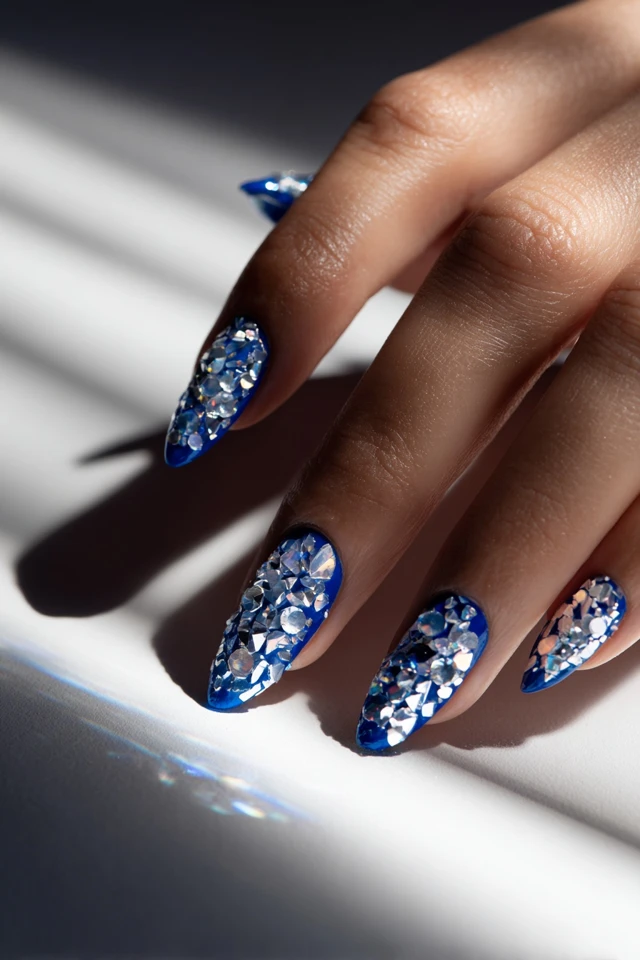
For undertones, warm skin usually looks good with peach, coral and gold crystals. Cooler skin often suits icy lavender, blue and silver. These are tendencies, so hold a swatch against your hand in daylight before you commit.
Current gel nail trends
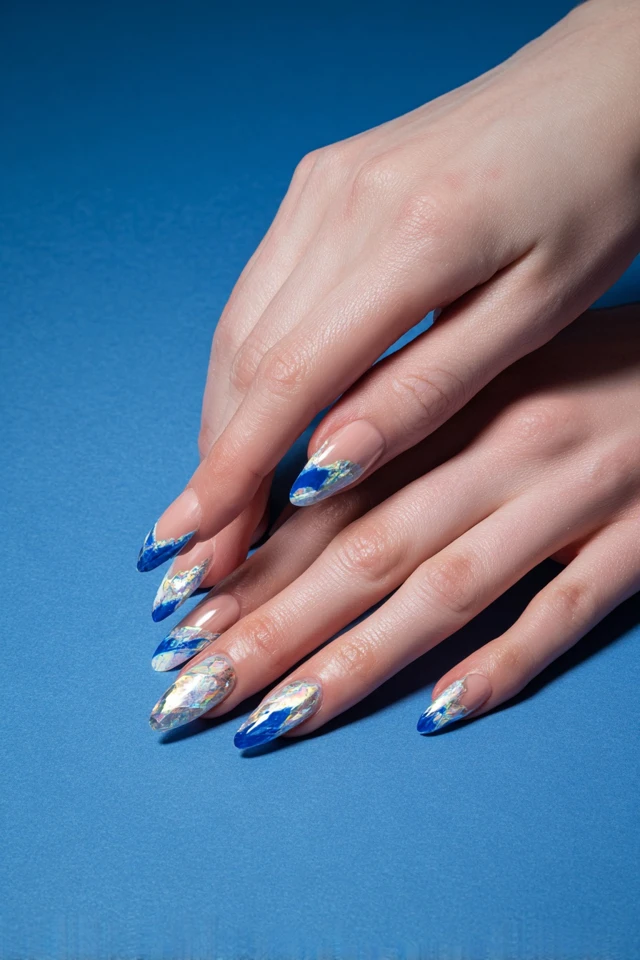
Trends shift quickly, so treat this as a direction rather than a forecast. Current gel nail trends on this theme lean toward sheer nude and milky bases, a few carefully placed crystals, and negative space. Classic French tips remain a safe choice for work and formal events. Seasonal palettes are an easy way to refresh a design, and the winter looks in Crystal Winter Palette Nails and Crystal Winter Glow Nails are good starting points.
How to apply crystal gel nails step by step
- Push back the cuticles, lightly buff the shine off and wipe away dust.
- Apply a thin base layer and cure it.
- Build the shape with PolyGel in thin layers, curing each one, rather than one thick bead.
- Add color or draw details with the liner brush, then cure.
- Put a small dot of gel where each crystal goes, set the crystal and cure.
- Seal around the crystal edges with top coat so they do not catch on fabric, then cure.
Short nails are more practical for typing, cooking and anything active, since there is less to snag.
What is the downside of gel nails?
The main risks are skin reactions and damage during removal. A literature review from the National Institutes of Health found that allergic contact dermatitis is the most prevalent adverse event, primarily attributed to (meth)acrylates in nail glue, gel polish and acrylic nails. If your skin itches, swells or blisters around the nails, stop and see a doctor.
Removal is where nails usually suffer. The Cleveland Clinic notes that removing gel polish carelessly can temporarily damage your nails, with cracking and peeling the most common issues. Do not peel or pry it off.
The American Academy of Dermatology says acetone is the most effective way to remove gel polish at home. Board-certified dermatologist Shari Lipner, MD, PhD, FAAD, also advises giving nails a break between sets: "After removing the color, wait one month before getting another one of these manicures." That quote comes from the AAD's page on dip powder manicures, so treat it as general guidance for similar products and ask your dermatologist about your own nails.
For maintenance, the AAD says wearing artificial nails for more than a few weeks means touch-ups every 2 to 3 weeks to fill the gaps that appear as nails grow.
Frequently asked questions
Can you do nail art with gel?
Yes. Gel stays workable until you cure it, so you can place crystals, draw lines with a liner brush and build small 3D details. Start with a simple design and add detail as you get comfortable.
What are the current gel nail trends?
Sheer nude or milky bases, negative space, and a few well-placed crystals are popular right now. Classic French tips also stay in rotation.
What is the downside of gel nails?
Possible skin reactions and nail damage from rough removal are the main concerns. Check with a dermatologist if your skin or nails become irritated.
How do I keep crystals from snagging?
Choose flat-back crystals, keep them to a few nails and seal their edges with top coat. Shorter shapes also catch less on clothing and hair.
Filed under Nail Design