Nail Texture Techniques: Ideas and How to Do Them
- Words by
- Julio Arco
- Published
- Reading
- 4 min
The simplest way to add texture to a manicure is to mix finishes: one matte nail or a matte top coat over a glossy base, then a small raised detail such as a bead, a chrome accent or a gel swirl. Keep the raised part to one or two nails and the manicure stays comfortable to wear.
Below are the main techniques, how each one is done, and what to check if you have short nails or plan to use acrylic.
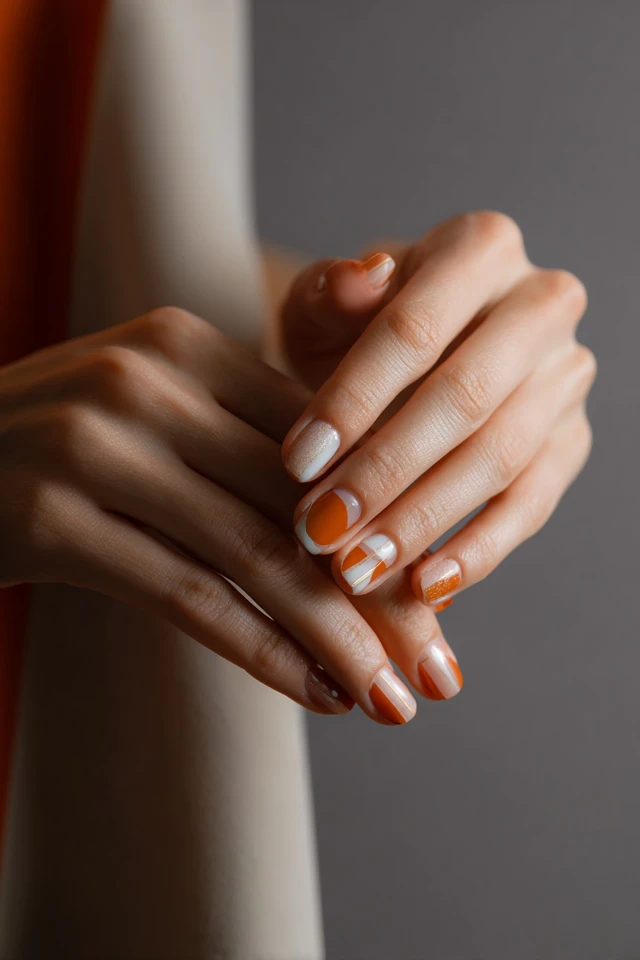
How to do textured nails
Texture comes from three places: the finish of the polish, something added on top, or product built up in layers. Start by choosing one of them rather than all three.
- Prep the nail with a clean, lightly buffed surface so the color sits evenly.
- Apply your base color and cure or dry it fully.
- Add the texture layer: matte top coat, gel in a raised pattern, beads, or flocking powder.
- Seal the raised areas carefully so nothing catches on hair or fabric.
If you want a sculpted look and are unsure how to get it, show a technician a photo and ask which method they would use. Raised work is easier to do well with a steady hand and the right gel.
Matte and glossy nail contrast
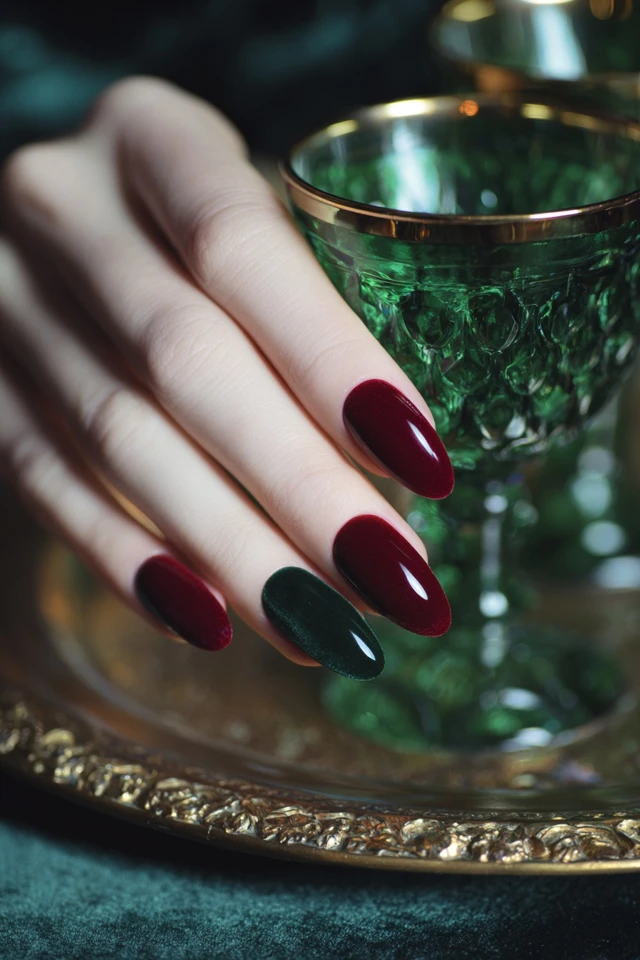
This is the easiest entry point. A matte surface scatters light, so the color looks softer and flatter. A glossy surface reflects it, so the same color looks deeper. Put them side by side and the eye reads two different shades even when the polish is identical.
Through the lens of evidence-based design, I'd start here because the surface does the work before any added detail. Try a glossy French tip over a matte base, or a glossy swirl painted on a matte nail. If you like this look, matte canvas nails go deeper into it.
Gel and encapsulation layering
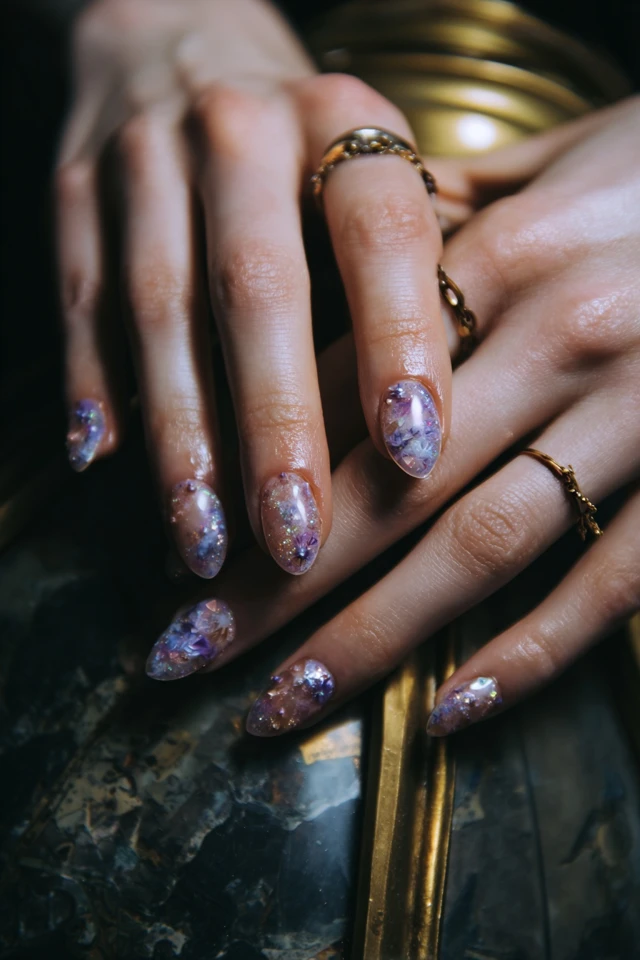
Encapsulation means sealing something flat, like foil, dried flowers or glitter, between layers of gel so the surface still feels smooth but looks dimensional. It suits anyone who wants depth without anything that snags.
Gel needs careful removal. The American Academy of Dermatology says acetone is the most effective way to remove gel polish at home, and the Cleveland Clinic notes that careless removal can temporarily damage nails, with cracking and peeling the most common issues.
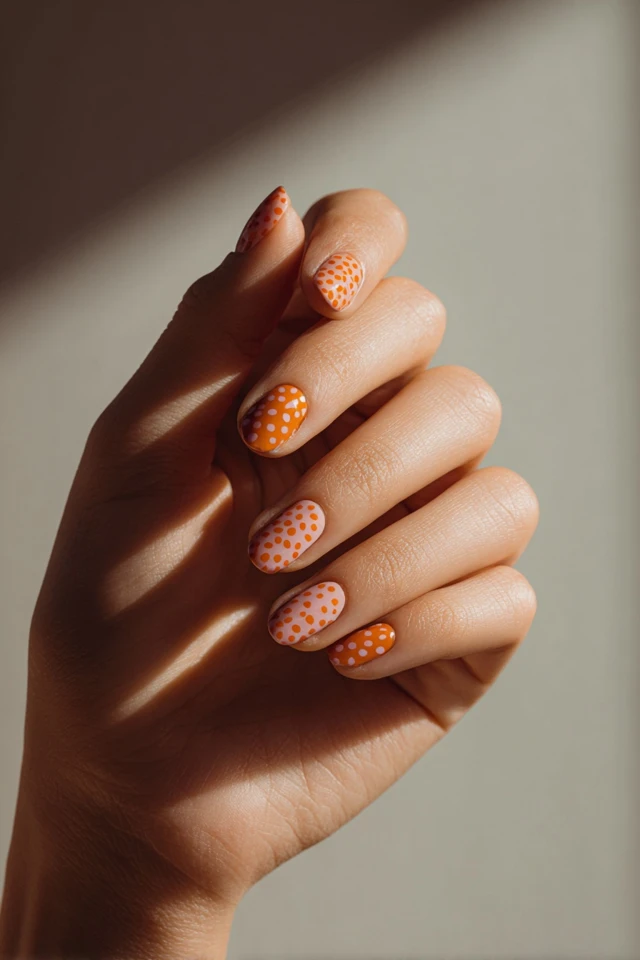
3D nail designs and specialty finishes
3D nail designs include sculpted gel flowers, raised lines, chrome powder over a ridged shape and molded acrylic details. Chrome and pearl powders add shine without height, which makes them a good middle step.
Acrylic is the usual material for sculpted work because it holds shape. It also asks more of your natural nail. The AAD explains that natural nails must be filed until rough for acrylic to stick, which thins them. If you wear them longer than a few weeks, plan on touch-ups every 2 to 3 weeks.
Sweater, embossed and bead textures
A knit-look nail is made by piping gel in rows or cables over a matte color. It pairs naturally with wool and knitwear, since the surface echoes the fabric. Embossed patterns work the same way in a smaller scale.
Rhinestones, pearls and caviar beads add sparkle and bumps. Place them away from the free edge, and keep them to an accent nail or two. A chain or charm detail is another raised option if you prefer metal over beads.
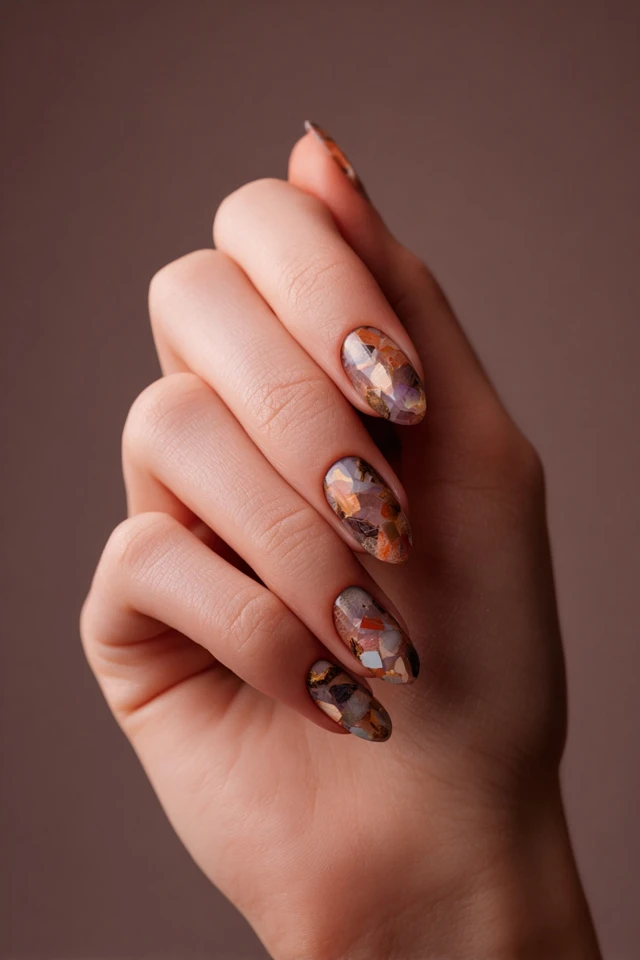
Texture without bulk on short nails
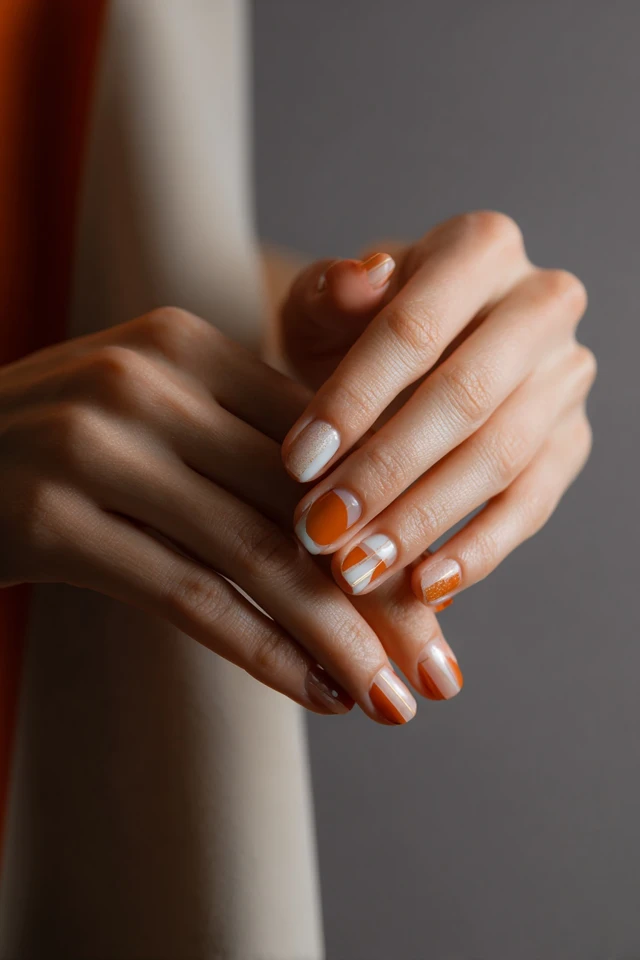
Nail texture techniques for short nails work best when they stay low. Choose a matte and gloss contrast, a thin line of raised gel, or a single small bead near the cuticle. Heavy 3D pieces on a short nail look crowded and are more likely to catch.
Soft, sheer colors keep the nail looking longer, and a minimalist design leaves room for one textured accent. A jelly finish also adds depth with no height at all; see jelly vision nails.
Keeping nails healthy under texture
A healthy nail has, in the words of a review in the National Institutes of Health's PMC archive, a smooth glossy surface and a translucent nail bed. Heavy texture hides that, so check your bare nails between sets. Dermatologist Chris Adigun, MD, FAAD, says "Looking closely at your nails after removing the color helps you spot a problem early."
If ridges or damage worry you, check with a dermatologist or a nail professional rather than buffing them away repeatedly.
Frequently asked questions
How do you do textured nails?
Apply a base color, cure it, then add one texture layer: matte top coat, raised gel, beads or powder. Seal any raised parts so they stay smooth to the touch.
How do I stop ridges on my fingernails?
Ridges are common, and a smooth base coat can even out their look. If they are new, deep or changing, check with a dermatologist.
What are the top 10 nail art techniques?
Common ones include matte and gloss contrast, chrome powder, encapsulation, 3D gel, caviar beads, rhinestones, sweater texture, flocking, marbling and embossing.
Can I do texture nail art on short nails?
Yes. Keep it low, with matte and gloss contrast, thin raised lines or one small bead, so the nail does not look crowded.
Filed under Nail Design