Artful Jelly Vision Nails
- Words by
- Julio Arco
- Published
- Reading
- 4 min
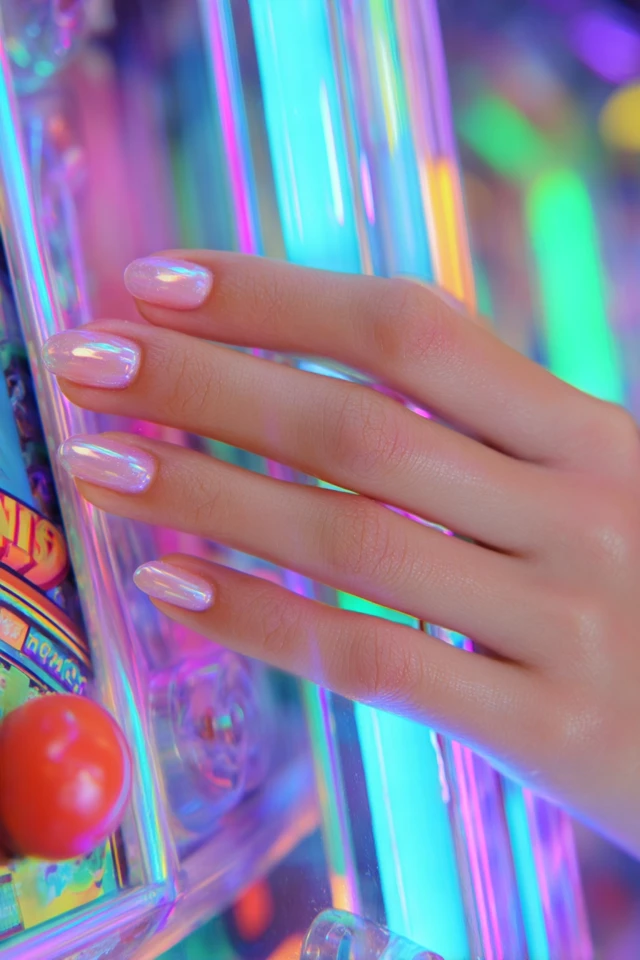
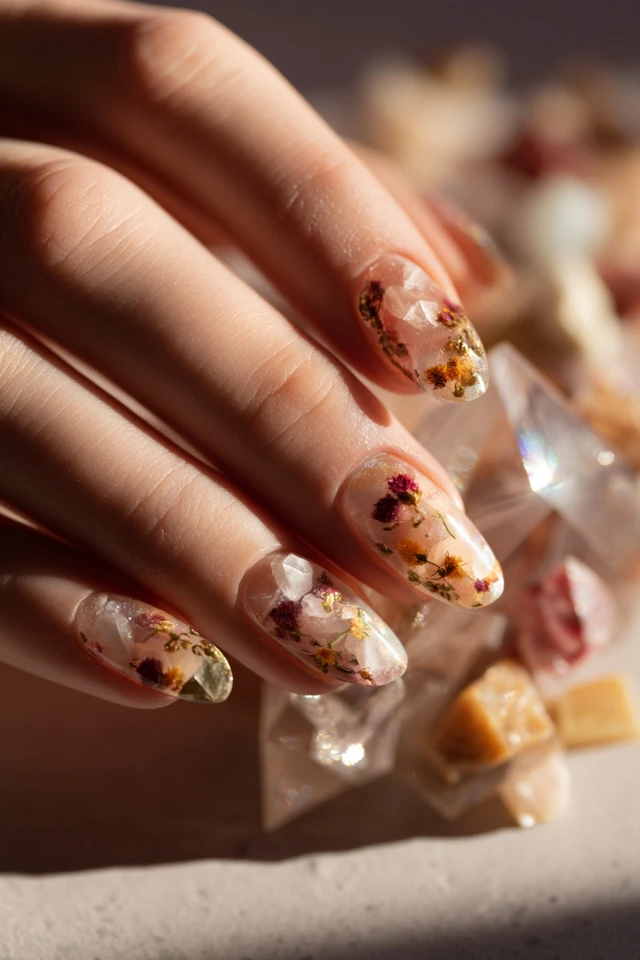
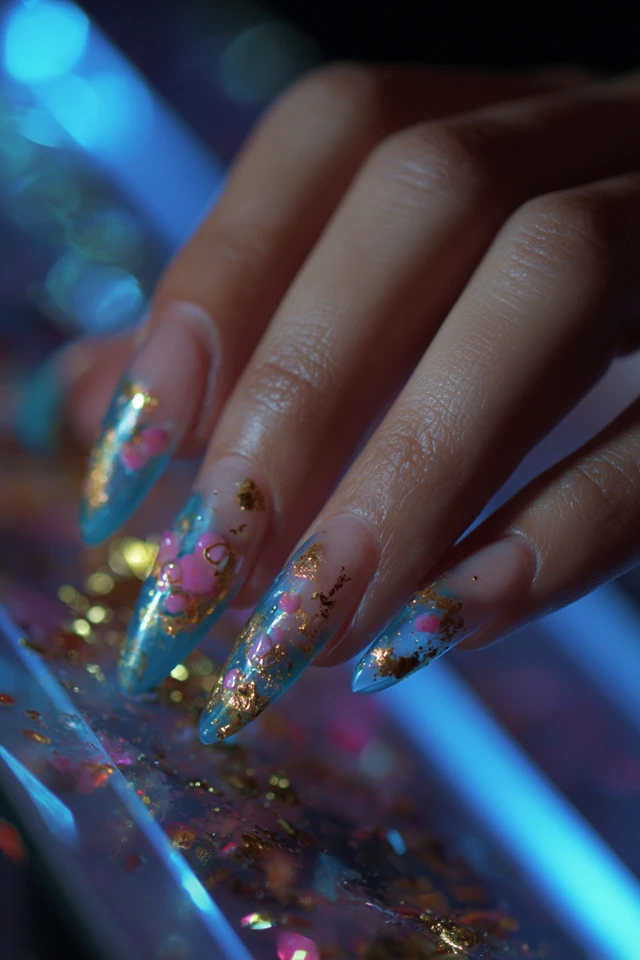
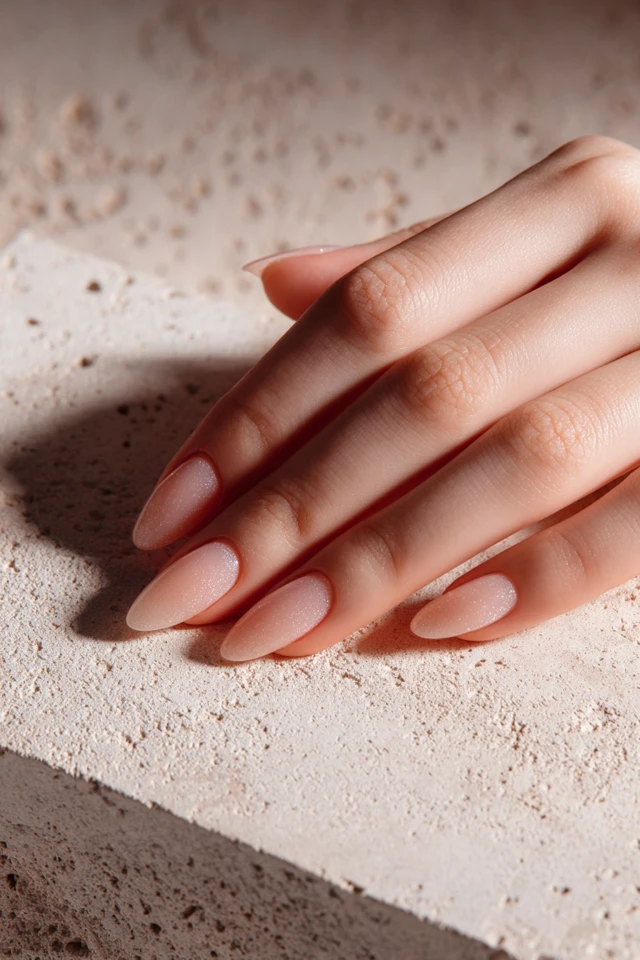
Jelly nails are sheer, glossy color you can see through, built up in thin layers. Watercolor nails take that same transparency and blur the edges so the color looks like a soft wash. For both, the rule is the same: thin coats, a sheer base, and a glossy top coat.
You can do it at home with gel or regular polish, and you can ask for it at a salon in a sentence. Here is how.
What is jelly nail polish?
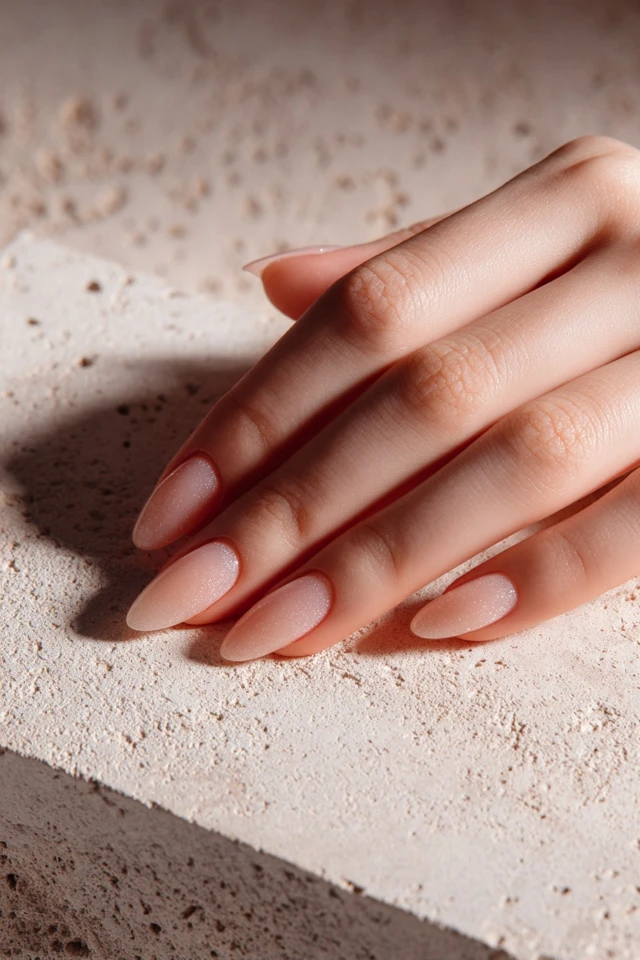
Jelly polish is translucent. You can see your natural nail, or a base color, through it, a bit like looking through colored candy or stained glass. It has a squishy, glossy look because light passes into the layer and bounces back instead of sitting on top.
Through the lens of evidence-based design, I'd say the surface matters as much as the hue. A sheer pink and an opaque pink in the same shade do not read as the same color, because the glossy depth changes how light reaches your eye.
Which shades work best?
Sheer shades in soft pastels are the easiest place to start: pink, peach, lilac, seafoam and pale blue. They are forgiving, and small streaks do not show.
- Cool undertones usually look clean in icy blue, lilac and soft pink.
- Warm undertones tend to suit coral, peach and amber.
- Neutral undertones can wear almost anything, so choose by outfit.
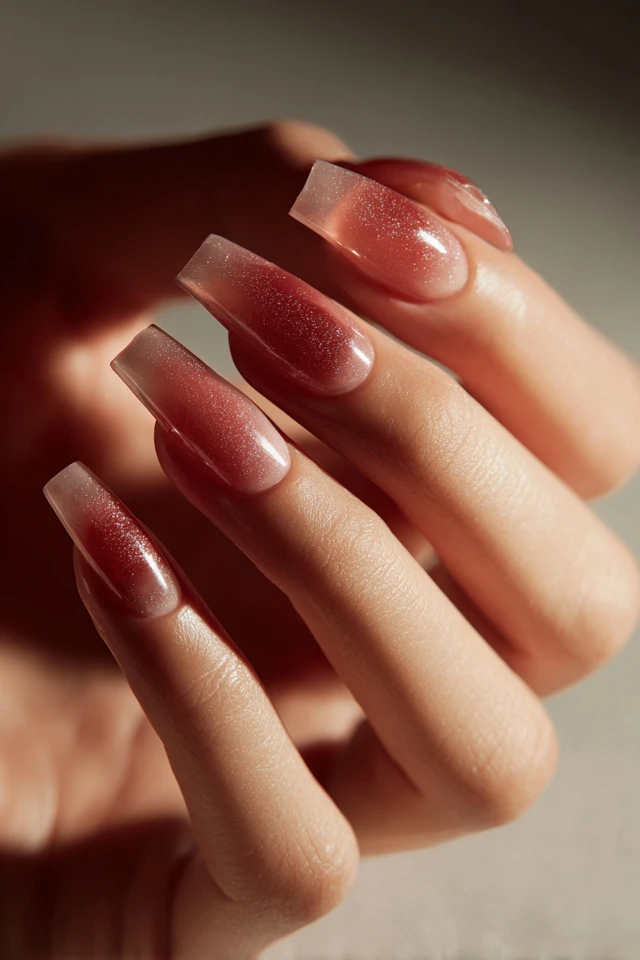
Deeper jellies like cherry, plum or forest green look rich when they are built slowly, since each extra coat adds depth.
What tools and polishes do you need?
For a basic jelly look you need a sheer or clear base, one or two translucent colors, and a glossy top coat. If you use gel polish, you also need a lamp that suits your formula.
For watercolor nails with no tools, a plain brush from the bottle is enough. A small makeup sponge or a dotting tool helps with blending but is optional. A little rubbing alcohol on a brush can soften edges for a wash effect.
How to get the jelly effect on nails
- Prep: push back cuticles, shape the nails and wipe them clean of oil.
- Apply a thin sheer or clear base coat.
- Brush on one very thin coat of jelly color. Cure it if you are using gel.
- Add a second thin coat, then a third only if you want more depth. Thin coats stay clear; thick ones turn cloudy.
- Finish with a glossy top coat and cap the free edge.
If you want a more graphic spin, look at stellar jelly nails or prismatic jelly designs.
How to get a watercolor effect on nails
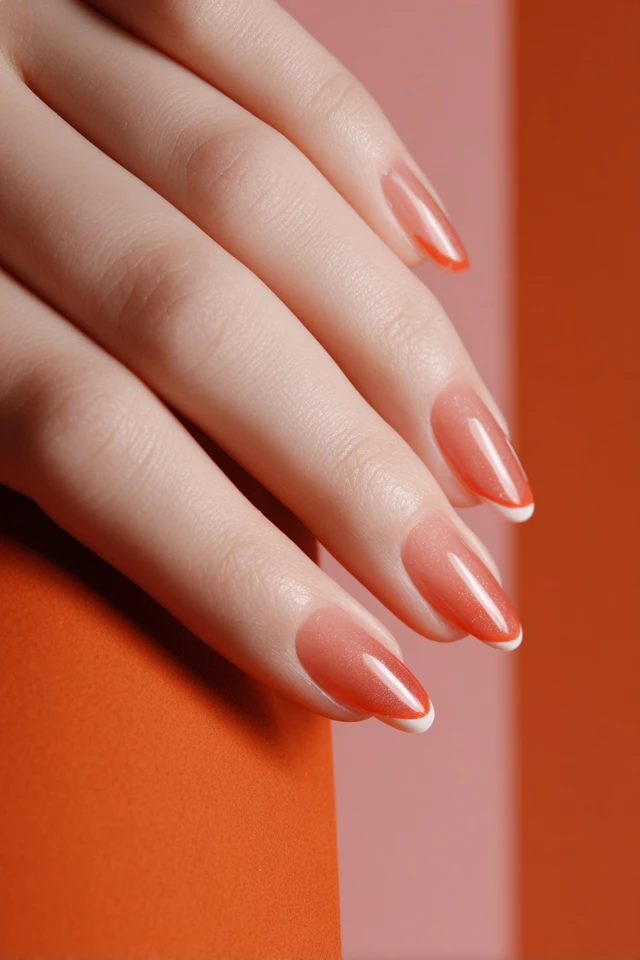
This is the easiest route for beginners. Start with a pale, sheer base so the color has something soft to sit on.
- Dab two or three nearby shades onto the nail in small, uneven spots.
- Press a clean sponge or a barely damp brush over the spots so they bleed into each other. Keep your touch light.
- Stop while it still looks a bit messy. Overworking turns it muddy.
- Seal with a glossy top coat. For gel, cure between steps as your formula directs.
That is how to do watercolor nails with gel polish: keep each layer thin and cure before you add the next. Blended color is easy to see on a fresh base but hard to fix once cured, so go slowly.
Easy tips for beginners
- Use less polish than you think. Wipe the brush on the bottle neck.
- Pick colors close on the wheel, such as pink, peach and coral, so blends stay clean.
- Work one hand at a time so the polish does not dry before you blend.
- Short, rounded or squoval nails make blending simpler. Our squoval silhouette nails post covers that shape.
- If you want a calmer finish, compare it with matte nail designs, where there is no gloss to show streaks.
What if you do not have jelly polish?
Mix your own. Put a drop of a regular cream polish into a clear gel or clear polish on a palette, then paint it on in thin coats. You can also layer a sheer pink or white over a pale base, or dab a small amount of color onto a clear coat and blur it.
How to ask for jelly nails at a salon
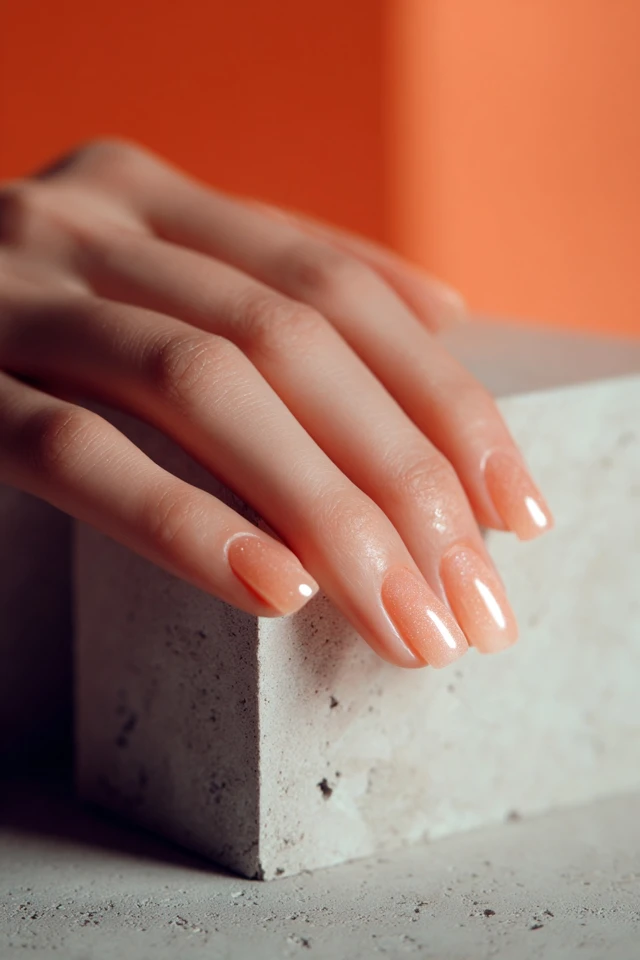
Say you want sheer, glossy, see-through color in thin layers, and bring a photo. For watercolor, ask for soft blended color with no hard lines. Mention the base color and the length and shape you want, since that changes how the color reads.
Keeping your nails healthy
Gel lasts, but removal is where nails get hurt. Cleveland Clinic notes that careless removal can temporarily damage nails, with cracking and peeling the most common problems. The American Academy of Dermatology says acetone is the most effective way to remove gel polish at home.
Dermatologist Chris Adigun, MD, FAAD, says "Looking closely at your nails after removing the color helps you spot a problem early." If your nails look thin, split or painful, check with a dermatologist.
For more ideas to try next, see celestial jelly nails.
Frequently asked questions
What is the point of jelly nail polish?
Jelly polish gives a glossy, see-through color with depth, so it looks soft and light rather than flat. It also hides grow-out and small flaws better than a solid opaque coat.
How to ask for jelly nails at a nail salon?
Ask for sheer, translucent color built in thin layers with a glossy finish, and show a photo. Say the shade, length and shape you want.
How to get a watercolor effect on nails?
Dab a few close shades onto a pale sheer base, blend them lightly with a sponge or damp brush, and seal with a glossy top coat.
How to get jelly effect on nails?
Use a sheer base, apply two or three very thin coats of a translucent color, and finish with a glossy top coat.
Filed under Nail Design