Fall Layering Neutrals with Wool and Cashmere
- Words by
- Julio Arco
- Published
- Reading
- 5 min
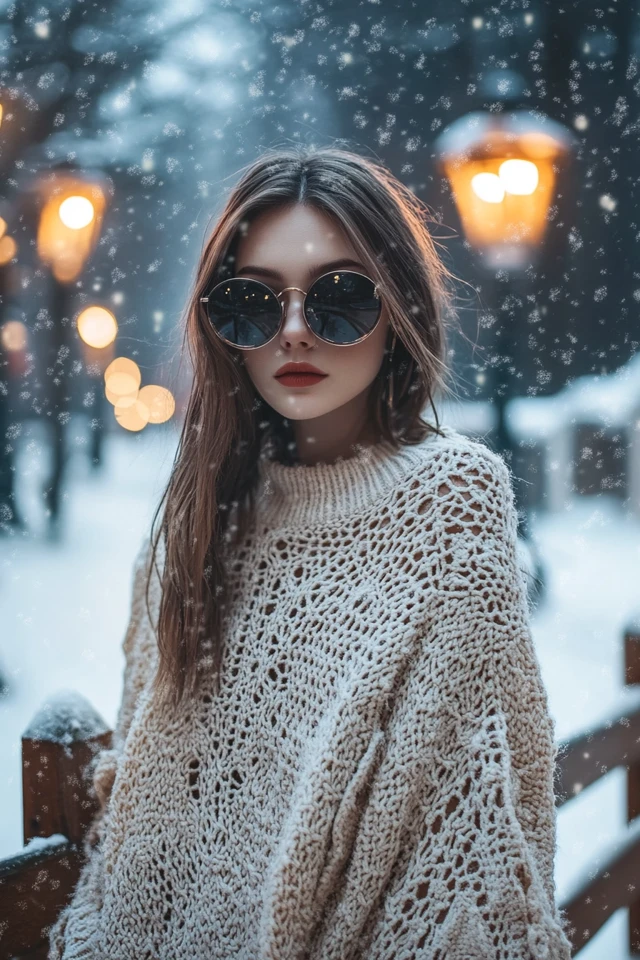
The simplest way to handle fall layering neutrals is to build three layers in a tight color range and let texture do the work: a fine cashmere knit next to the skin, a structured wool piece in the middle, and a wool coat on top. Camel, cream, gray and black all sit well together, so the outfit looks planned even when the pieces were bought years apart.
Wool gives structure and warmth. Cashmere gives softness without bulk. Here is how to put them together, which neutrals to pick, and how to keep a calm palette from looking flat.
What are fall neutral colors?
Fall neutral colors are the quiet shades that go with almost everything: camel, cream, oatmeal, taupe, charcoal, gray, navy, chocolate brown and black. Most of them lean warm or cool, and mixing within one side of that divide is the easiest way to look cohesive.
Camel, oatmeal and chocolate are warm. Charcoal, light gray and navy are cool. Cream and black bridge both, which is why they work as the connector between a warm coat and a cool trouser.
Through the lens of evidence-based design, I'd check undertone before anything else. Colors that sit next to your face change how your skin reads, so try the sweater near your neck in daylight before you commit to it.
How to layer fall clothes: the three-layer formula
The 3 layer rule for outfits is a practical frame: a base, a mid layer and an outer layer, each doing a different job. You can add or remove one as the temperature moves, which is why it suits fall weather.
Base layer: fine cashmere or a thin knit
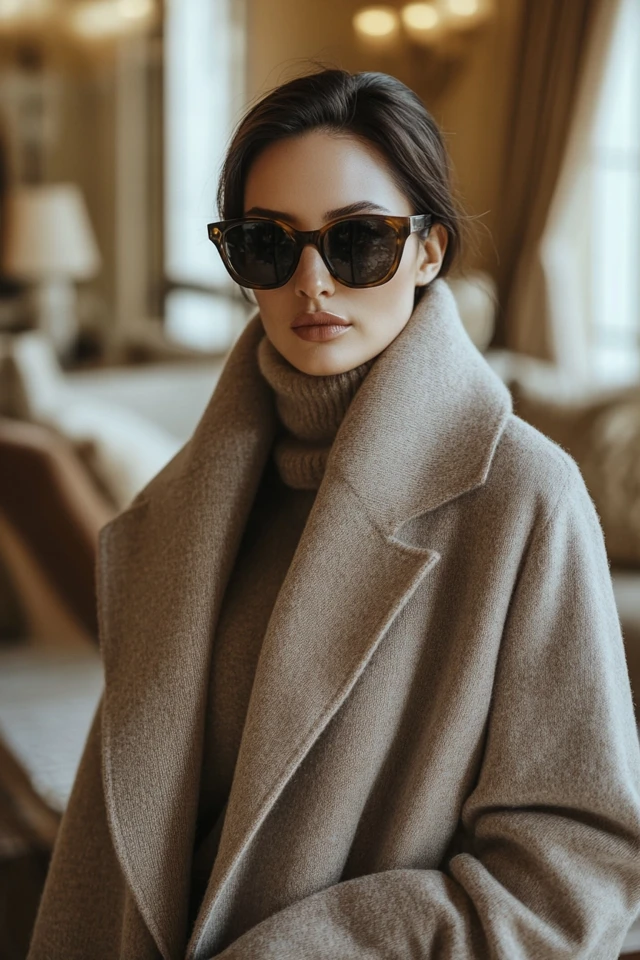
Start with a lightweight cashmere crewneck or turtleneck. It adds warmth without thickness, so the layers above still fit properly. A black or cream turtleneck works under almost everything.
If you are layering for a workout or a long walk outdoors, the base layer has a different job. Texas A&M's Howdy Health guide to cold weather exercise says the layer closest to your skin should be moisture wicking, and it advises avoiding cotton because it absorbs moisture and can keep it next to your skin. For everyday city wear, a fine knit is fine, but for active days choose a technical base and put the cashmere over it.
Mid layer: a wool blazer, cardigan or vest
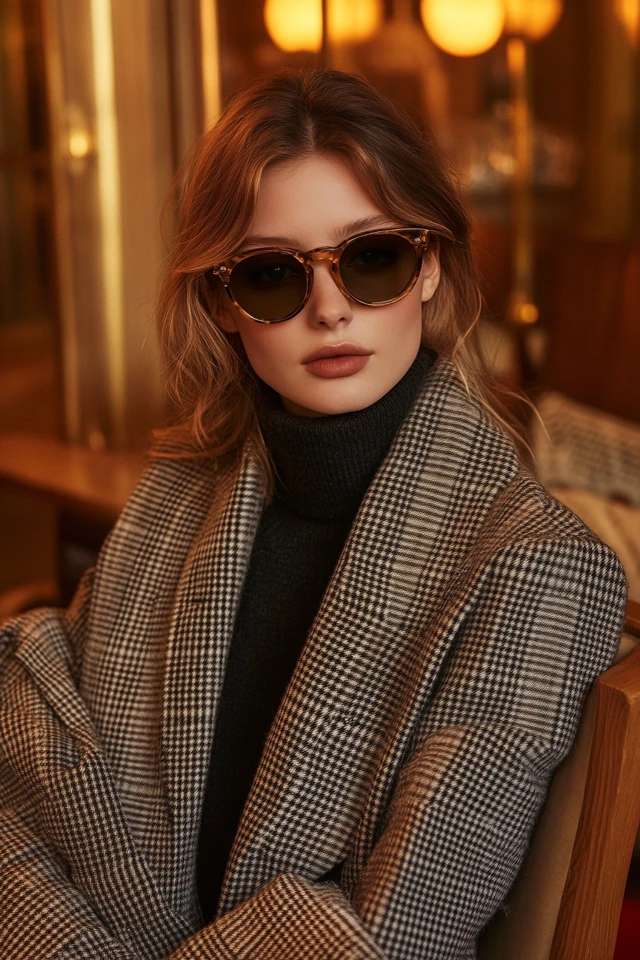
The mid layer adds structure. A gray or herringbone wool blazer over a cashmere knit is a classic pairing for the office. A wool cardigan does the same job with a softer line.
Check the fit with the coat on top. If the blazer sleeves bunch at the elbow when the coat goes over, size the mid layer a touch slimmer or choose a knit instead.
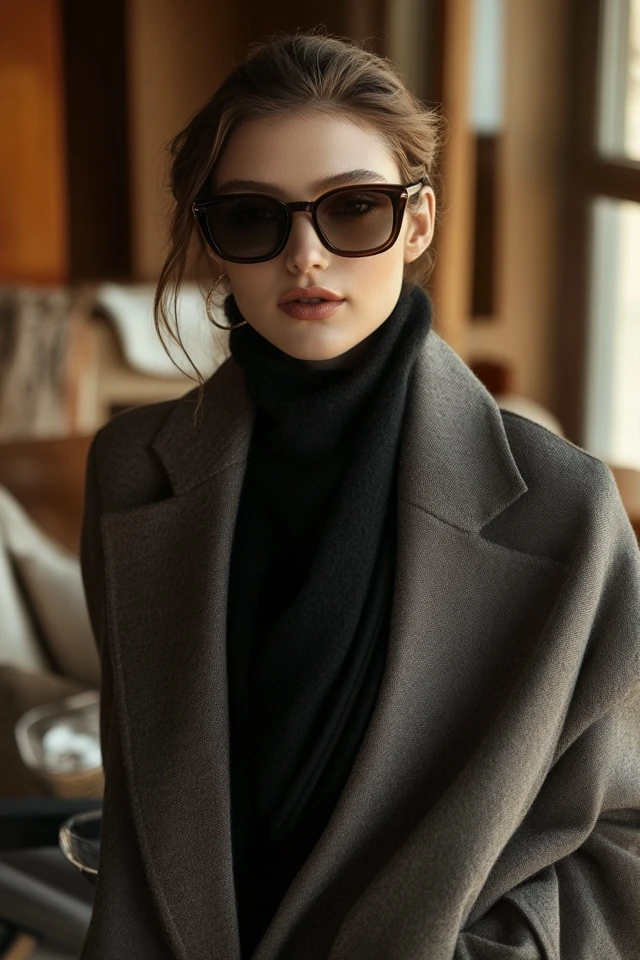
Outer layer: a wool coat
A camel, navy or charcoal wool coat finishes the stack. Look for a cut that closes over your mid layer without pulling across the shoulders. That is a fit problem with the coat, not with you.
For more on coat fabrics, see how to combine wool and cashmere for winter coats and sculpted wool coats for polished layers.
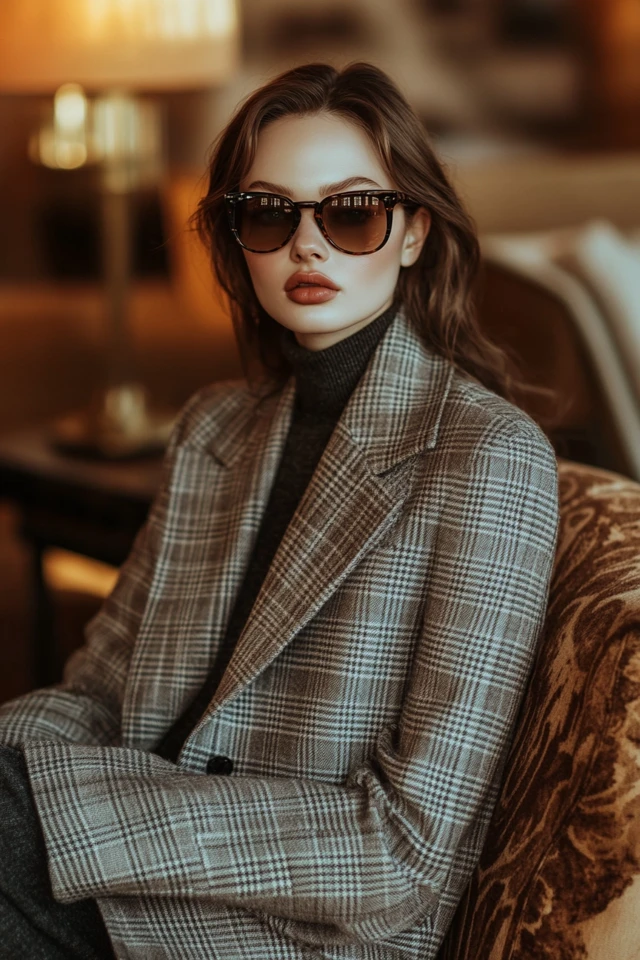
How to make neutrals feel fresh
An all-neutral outfit goes flat when every piece has the same surface. Fixing that takes variation in texture, tone and shape, not more color.
- Change the texture: a ribbed cashmere knit, a flat wool trouser and a brushed coat each catch light differently, so the same beige reads as three shades.
- Change the tone: put a light cream next to a deeper camel or a dark charcoal. A range from light to dark gives the eye something to follow.
- Change the shape: pair a close-fitting knit with wide-leg trousers, or a fitted coat with a relaxed sweater.
- Add one small accent: a burgundy scarf, a rust bag or a deep green beret is enough.
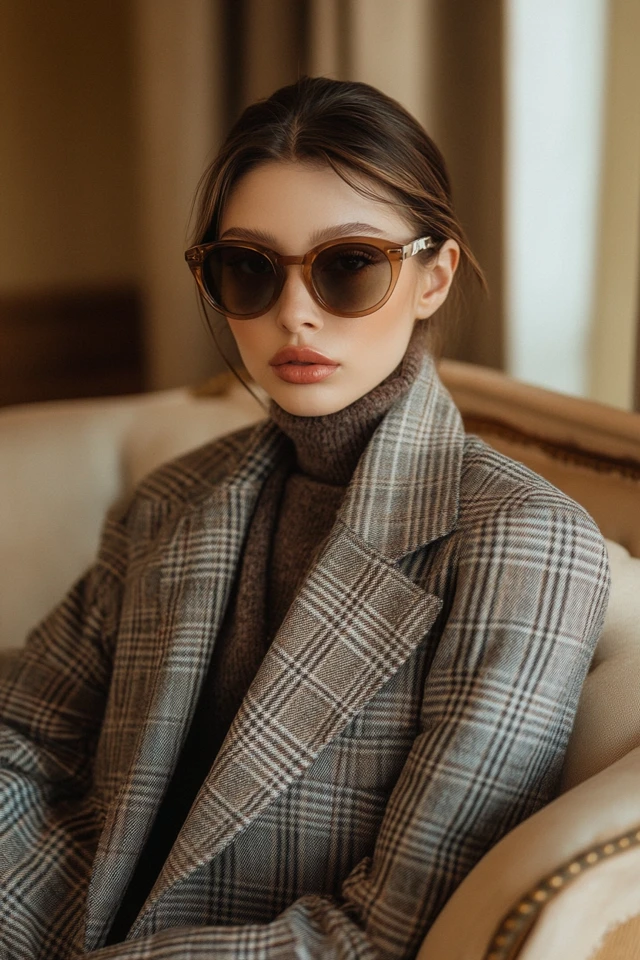
Through the lens of evidence-based design, I'd treat texture as a color tool. A matte knit and a smooth wool in the same gray do not look identical, because the surface changes how light reaches your eye.
Mixing textures for depth
Wool and cashmere already pair well, but a third material gives the outfit more range. Silk adds a soft sheen, and leather adds a firm, smooth edge in gloves, belts or boots.
Try a cashmere sweater under a wool blazer with a silk scarf at the neck. For more combinations, read mixing wool and silk for cozy layers and silk and cashmere layers.
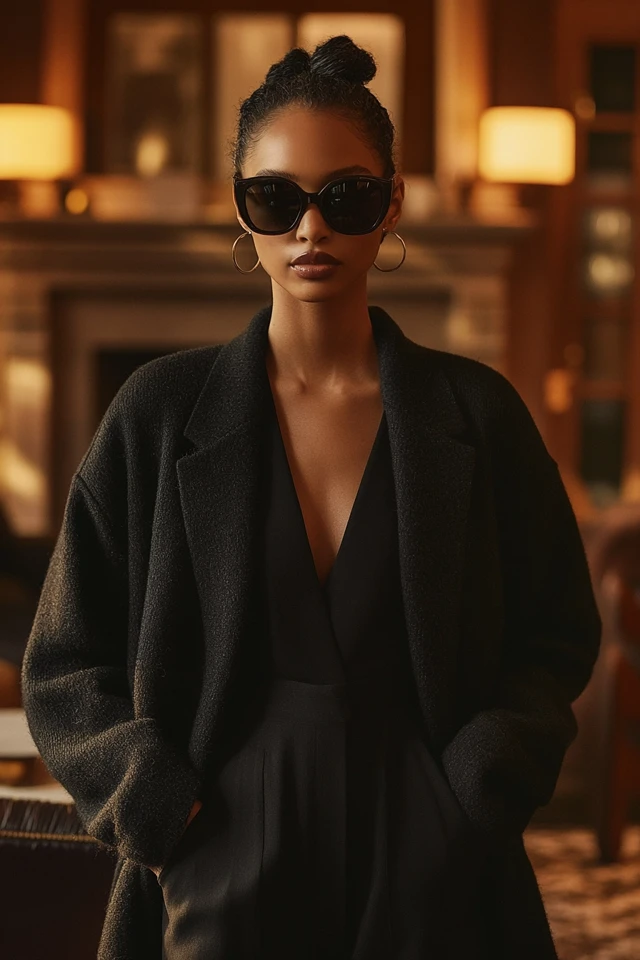
Fall neutral outfit ideas
These are formulas, so swap in what you own.
- Tonal cream: cream cashmere crewneck, oatmeal wool trousers, a camel coat. Add tan boots.
- Office gray: black cashmere turtleneck, gray wool blazer, charcoal trousers, a navy wool coat.
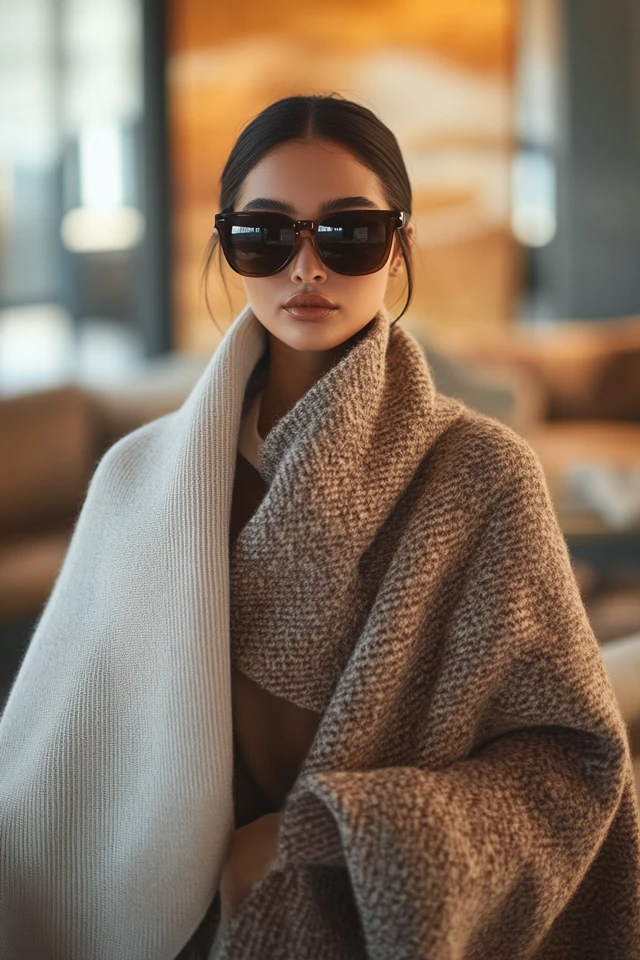
- Soft dress layer: a wool dress with a belted cashmere wrap on top. A neutral wrap keeps the dress as the focus. See wool and cashmere combinations for dresses.
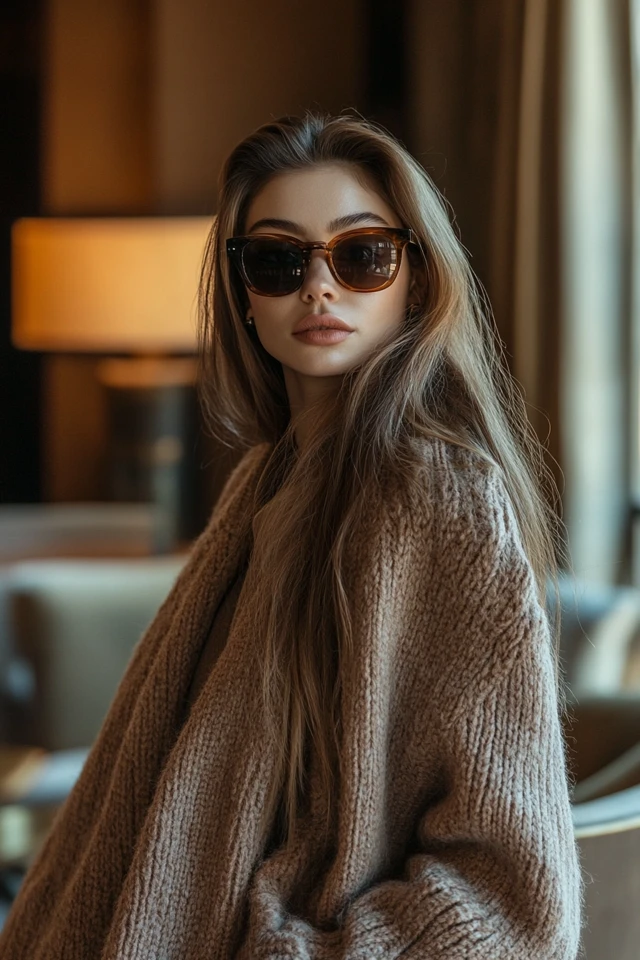
- Off-duty: an oversized wool coat over a cashmere sweater and straight jeans.
Neutral staples worth owning
A short list covers most of the combinations above: a camel or navy wool coat, a black or cream cashmere turtleneck, a gray wool blazer and a cashmere wrap in a neutral shade. If you are choosing knits first, start with cashmere sweaters for layering.
Care and comfort tips
- Check the care label. Many wool and cashmere pieces need hand-washing or dry cleaning to keep their shape.
- If wool feels scratchy, wear a fine knit between it and your skin, or look for a finer wool or a wool-cashmere blend.
- Store knits folded rather than hung so shoulders do not stretch, and keep them somewhere cool and dry.
- Finish with accessories in the same palette: a cashmere scarf, leather gloves or a wool beret.
Frequently asked questions
What is the 3 layer rule for winter?
Wear a base layer for comfort next to the skin, a mid layer for warmth and structure, and an outer layer to block wind and weather. You can remove or swap a layer as the temperature changes.
What are fall neutral colors?
Camel, cream, oatmeal, taupe, gray, charcoal, navy, chocolate brown and black. Stay within warm or cool tones for the most cohesive look.
Can I wear wool and cashmere in warmer weather?
On mild fall days, choose a lightweight cashmere knit and a thin wool-blend layer that you can take off easily.
Can I mix neutrals with a print?
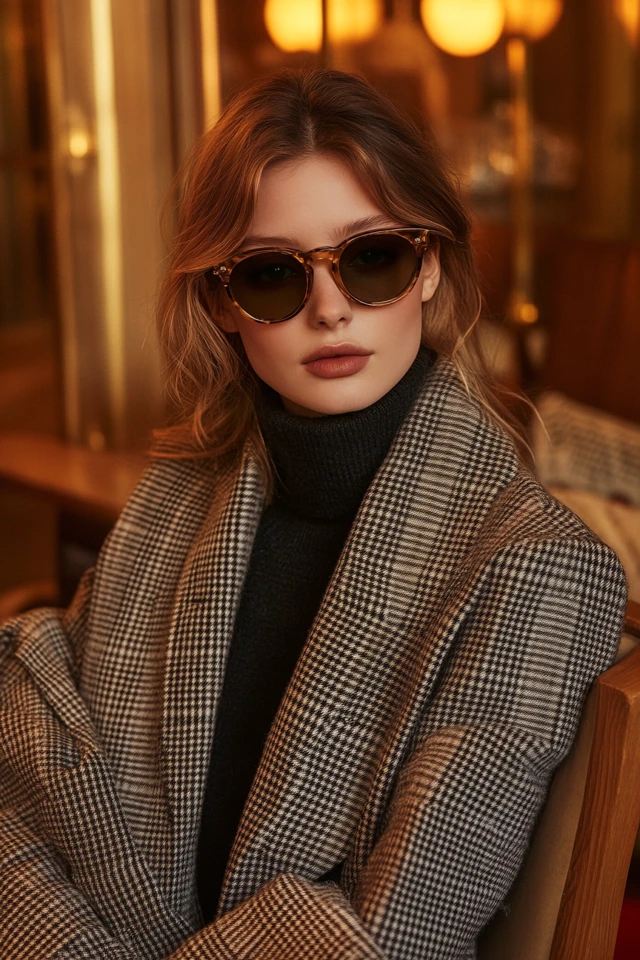
Yes. A patterned scarf or a houndstooth coat can sit on top of neutral layers if the print uses the same colors.
Filed under Fabrics & Textures