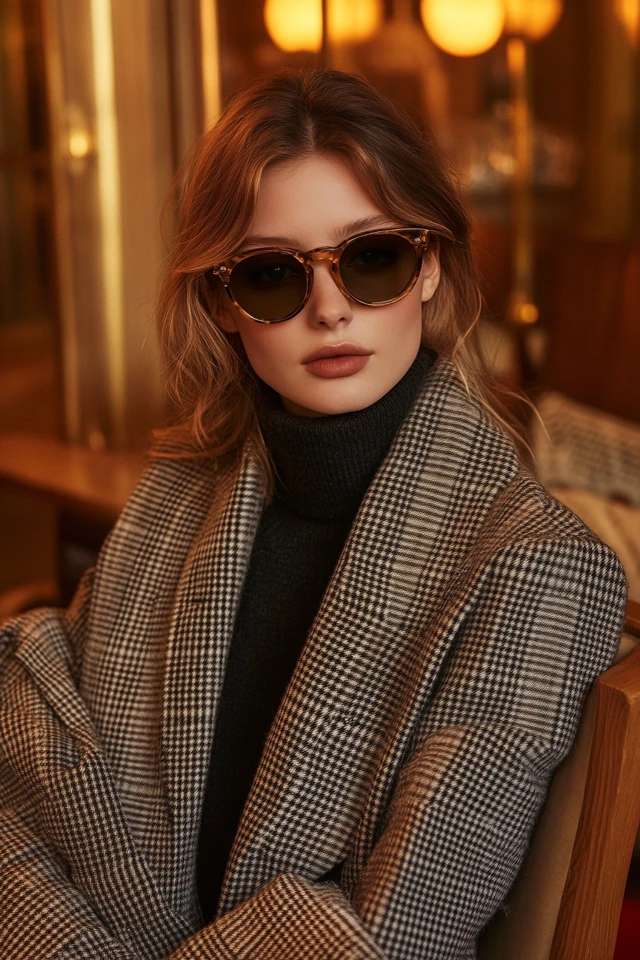
Warm Winter Wool Dresses: Styles, Fabrics and Lace Trim
- Words by
- Julio Arco
- Published
- Reading
- 4 min
The warmest wool dress is usually a mid-weight knit or woven in merino or a merino blend, cut to a midi length, with lace kept to the edges: collar, cuffs, hem or tights. Wool does the insulating, lace adds a lighter texture, and the two work well together as long as you don't let the lace carry the warmth.
Below: which wool dress styles to look at, how to choose by shape and occasion, and how to add lace without losing the cozy part.

What makes wool dresses for winter work?
Wool traps air in its fibers, so it insulates without needing to be thick. It also handles damp better than cotton. Texas A&M's Howdy Health notes that you should avoid cotton in cold weather because it absorbs moisture and can keep it next to your skin, which is a good reason to wear a wool dress over a thin, non-cotton base layer if you'll be outside for a while.
Merino is the softest common option, since its fibers are fine and tend to feel less scratchy on the neck and arms. If wool usually itches on you, start with merino wool dresses for women or a blend with a little nylon or viscose, and keep a smooth layer underneath.
Which wool dress style should you pick?
Sweater dresses
Wool sweater dresses are the easy choice for daytime: soft drape, stretch, no ironing. Ribbed or fine-gauge knits look sleeker, while chunky cables add bulk, so wear those with slim tights and boots to keep the outline balanced.
Midi lengths
Sweater dresses for cabin trips show how well a midi hem works in cold weather: it covers the knee and leaves just enough room to tuck into boots. Midi warm winter wool dresses also suit most heights, and they move easily from work to dinner.
Tailored sheaths and fit-and-flare
A woven wool sheath looks sharper and suits offices and formal events. Fit-and-flare skims the hips and defines the waist, which is useful if you want shape without a clingy knit.
How do you choose by body shape?
A fit problem is a pattern problem, not a you problem. These are starting points, not rules.
- Petite: a hem at or just below the knee and a defined waist keep the line long. Lace at the neckline draws the eye up.
- Curvy and plus size warm winter wool dresses: pick a mid-weight fabric with some stretch, since very thick wool adds volume. A wrap or fit-and-flare cut defines the waist.
- Athletic: chunkier textures and A-line skirts add softness, and a lace hem or sleeve adds contrast to a structured frame.

How do you add lace to a wool dress?
Through the lens of evidence-based design, I'd treat lace as a texture contrast. Wool has a matte, dense surface, and lace is open and light, so the eye reads the two as different in weight. A little goes a long way.
- Keep lace at the edges: collar, cuffs, hem or insets. The wool stays the warm core.
- If the dress is heavy and chunky, keep lace minimal. If the lace is bold, choose a plainer wool silhouette.
- Lace tights or a lace camisole under the dress add texture and a bit of warmth without bulk.
- Match tones: black wool with black lace looks subtle, while a contrasting lace reads as a feature.
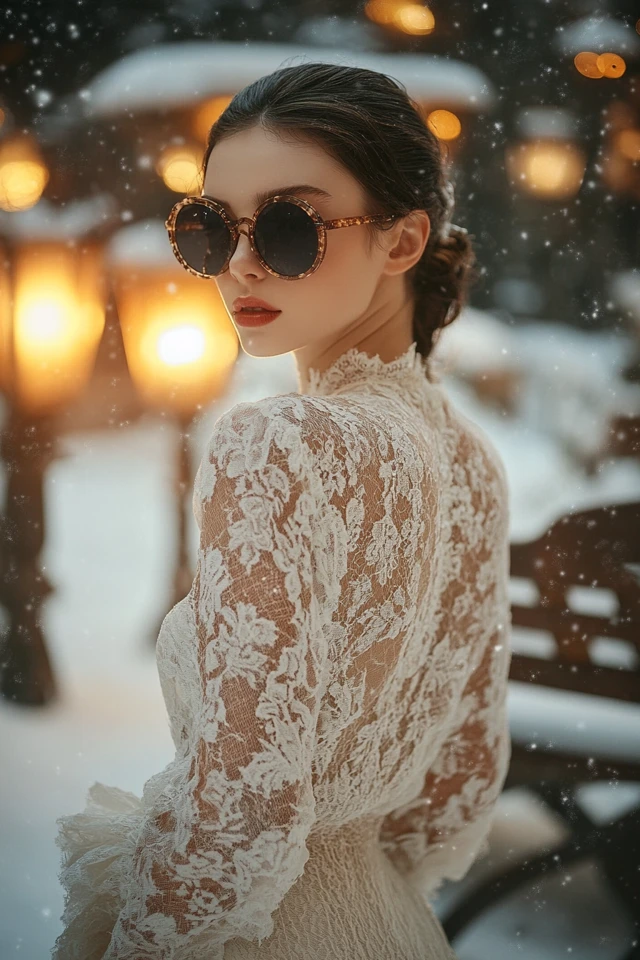
For more combinations, see combining wool and lace for warm winter dresses and pairing lace with knits.

What should you wear for work, parties and weddings?
For work, a sheath or knit midi in gray, navy or black with a plain or lightly trimmed neckline. Add a blazer if the office is cold; wool blazers layer well over a fine knit.
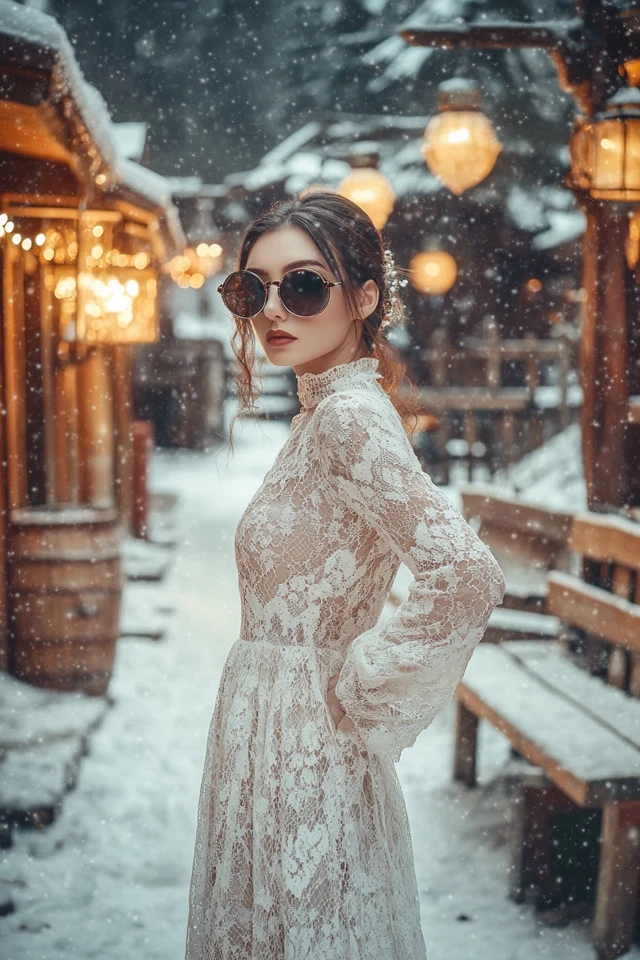
For parties, jewel tones such as burgundy, emerald or deep blue look rich in wool, and lace sleeves add evening detail. For outdoor weddings, a lace-sleeved wool dress keeps arms covered, and a wool coat over it handles the ceremony.
Are wool dresses good for travel?
Yes, with the right fabric. Merino resists creasing and doesn't need frequent washing, so one dark midi can be worn for a day of sightseeing and then dressed up with tights and a scarf. Choose a mid-weight knit that folds without bulk, and pack lace pieces separately as tights or a camisole.

How do you care for wool and lace?
Always follow the care label. Hand washing in cool water with a gentle detergent works for many knits, while structured or lined dresses are safer dry cleaned. For stains, avoid ammonia: the University of Georgia Extension says ammonia damages silk and wool. Dry flat so the knit keeps its shape.
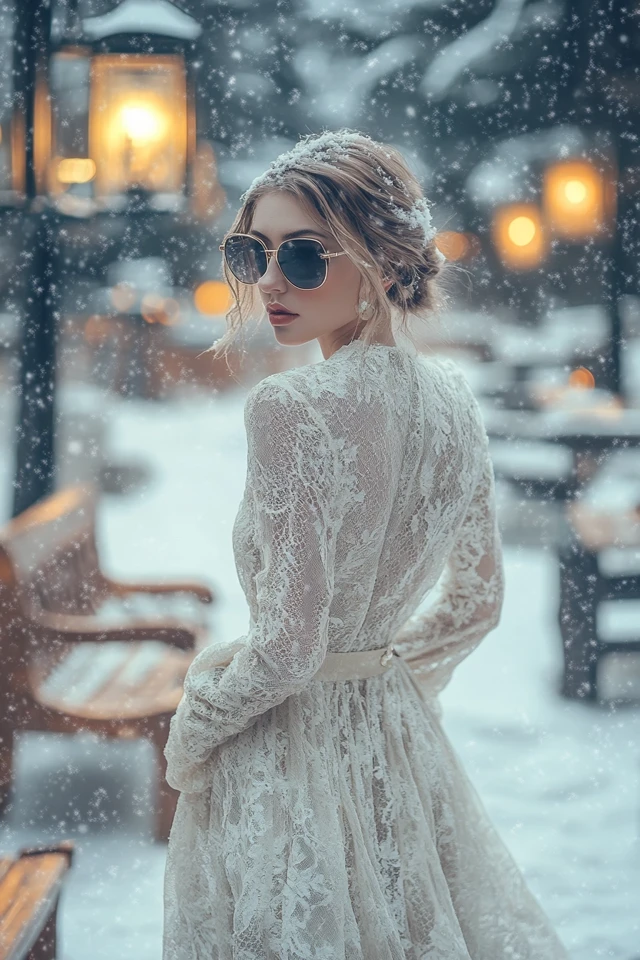
If you like a softer, luxe feel, wool and cashmere blends are worth a look, and a good coat finishes the outfit, as in these wool coat ideas.

Frequently asked questions
Can you wear lace and wool together for formal occasions?
Yes. A tailored wool dress with lace sleeves or a lace overlay looks dressed up, and the wool keeps it warm for outdoor events.
How do you keep a wool dress from feeling scratchy?
Choose fine merino or a blend with a smooth fiber, and wear a soft non-cotton layer underneath. A lace slip or camisole also acts as a barrier.
Are merino wool dresses good for travel?
Generally yes. Merino tends to resist creasing and can be worn more than once between washes, so a single midi dress covers several days.
How should you wash a wool dress?
Follow the care label. Many knits can be hand washed in cool water with gentle detergent and dried flat, while lined or tailored pieces are safer dry cleaned.
Filed under Fabrics & Textures