Winter Layering Knits: Silk and Cashmere Done Right
- Words by
- Julio Arco
- Published
- Reading
- 4 min
The simplest way to layer knits for winter is a thin, smooth layer against the skin, a warm knit over it, and a coat or wrap on top. Silk works well as the thin layer and cashmere as the warm one, because both are light for the warmth they give.
Below: the three-layer formula, how to keep the result from looking bulky, which proportions work, and the mistakes that make winter outfits feel heavy.
What is the 3 layer rule for winter?
It is a base layer, a mid layer and an outer layer. Each has one job: the base sits next to your skin, the mid layer holds warmth, and the outer layer blocks wind and weather. It is also the best layering system for winter because you can remove one piece at a time as temperatures change indoors.
For exercise in the cold, Texas A&M's Howdy Health says the layer closest to your skin should be moisture wicking so sweat is drawn away. It also advises avoiding cotton, because it absorbs moisture and can keep it next to your skin, which makes you cold. For everyday dressing the same logic holds: keep cotton tees out of the base layer on a long, cold day.
Choose a smooth base layer
A silk camisole, slip or long-sleeve tee is thin enough to disappear under a sweater. Its smooth surface also lets the knit glide over it instead of catching, so sleeves don't bunch at the elbow.
If the silk shows at the collar or cuff, treat it as a design detail. A fine line of sheen at the neckline against a matte knit is an easy way to look put together.
Pick a mid-layer knit that does the warming
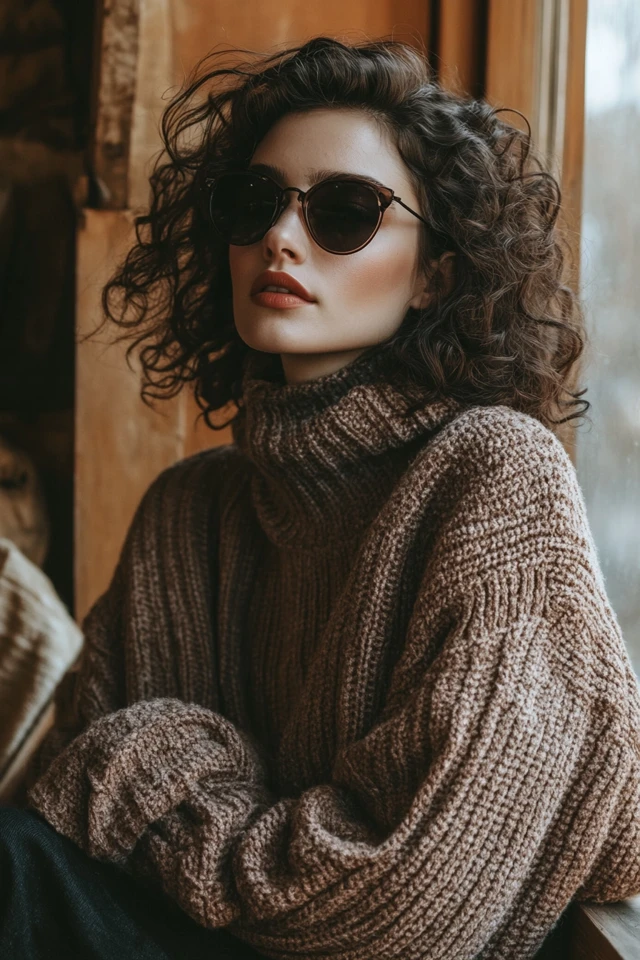
This is where cashmere earns its place: a crewneck, turtleneck or long cardigan. Fine-gauge knits fit under a coat without strain, and chunky ones are better kept for days when the coat is roomy. For more on this pairing, see cashmere sweaters for luxurious layers and wool and cashmere layers.
When shopping, look for a tight, even knit that feels soft but springs back when you gently squeeze it. Check that the seams are even and the shoulders sit where yours end.
How to layer without looking bulky
Bulk comes from stacking volume on volume. Keep one layer slim and let the other have room.
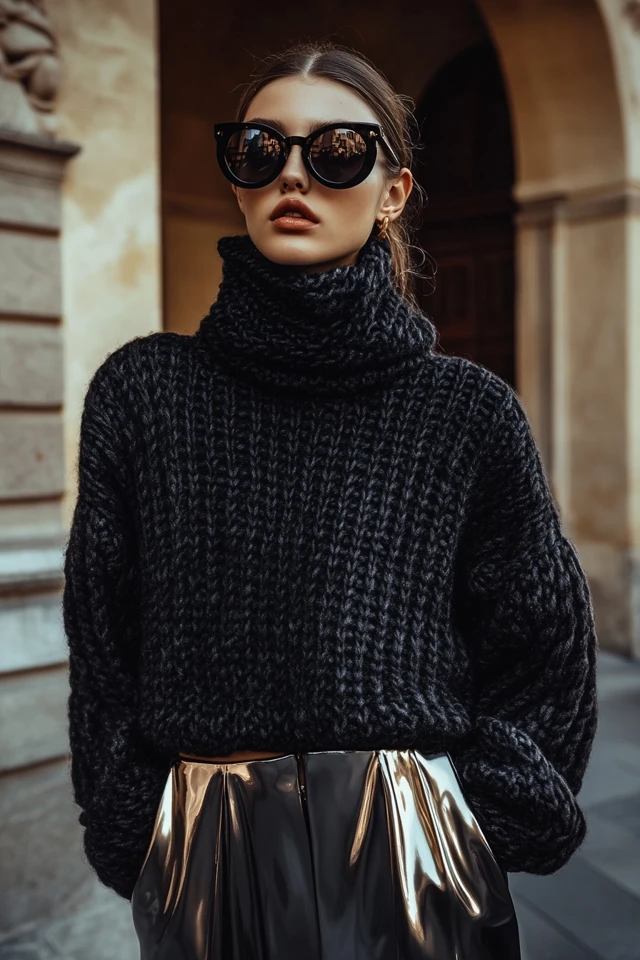
- Chunky or oversized knit on top: wear a fitted silk layer underneath.
- Flowy silk skirt or dress: choose a more tailored sweater or cardigan.
- Tuck or half-tuck the base layer so fabric doesn't pile at the waist.
- Vary thickness, not just color, so the eye reads layers instead of one lump.
Through the lens of evidence-based design, I'd treat the neckline as the first thing the eye reads. A clean V or crew over a thin collar line keeps the upper body looking sleek even when the layers underneath are several.
On body shape: if you want to lengthen the torso, choose a longer cardigan that skims the hips. If you are petite, a slightly cropped or fitted knit over a slim base keeps the layers in scale with your frame.
Play with texture and color
Silk is glossy and fluid, cashmere is matte and soft. That contrast is what makes the pairing look considered. Through the lens of evidence-based design, I'd choose texture before color, because a surface changes how light reaches the eye and the same shade reads differently in silk than in knit.
Neutrals such as cream, taupe, gray and camel blend easily, and a monochrome outfit in slightly different tones looks quietly polished. Deeper shades like emerald, navy or burgundy suit evenings and holidays. For a silk-forward look, try mixing wool and silk.





Finish with the top layer and accessories
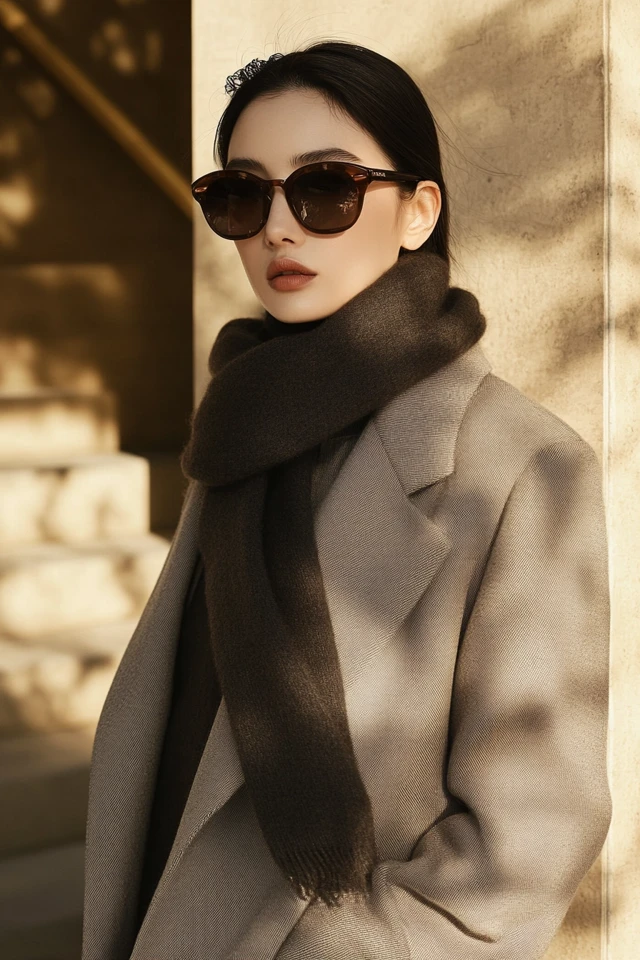
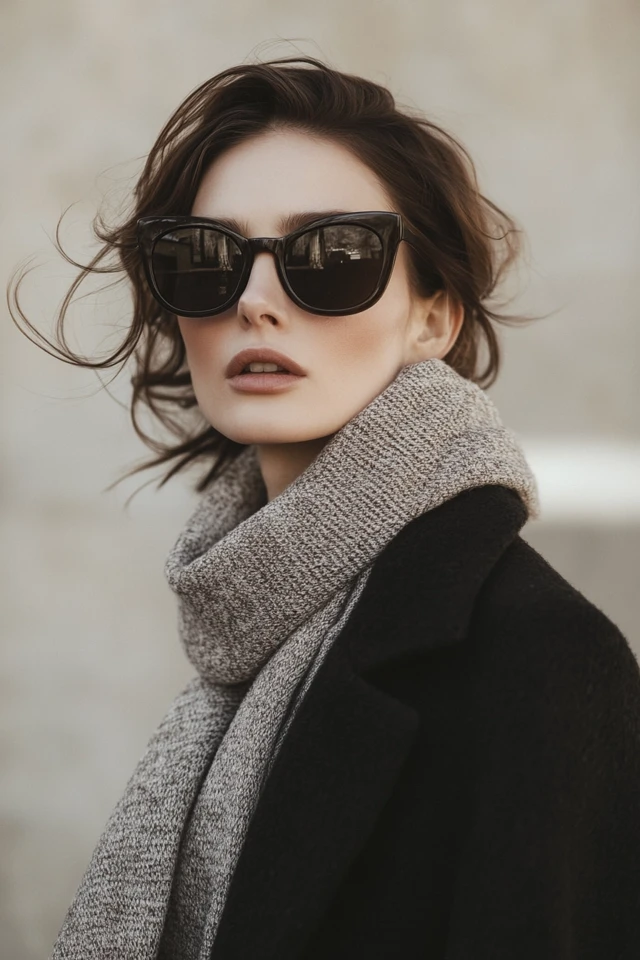
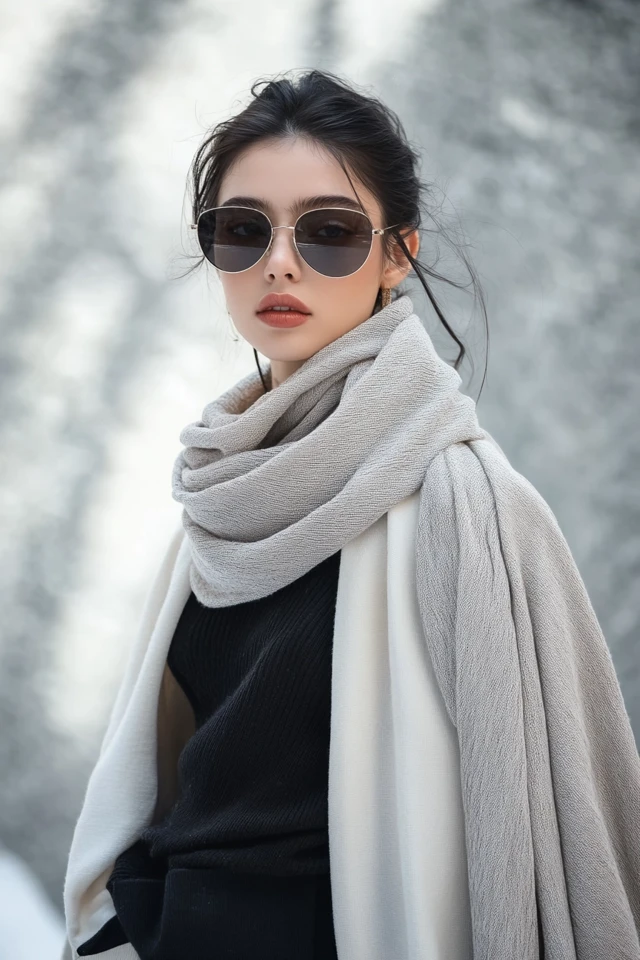
A wool or cashmere coat over knits works best when it is cut a little roomier than your usual size, so the sleeves slide over the sweater. A printed silk scarf adds color at the face, and cashmere socks or gloves add warmth without bulk. See how to combine wool and cashmere for winter coats and soft cashmere socks.
Common winter layering mistakes
- Wearing cotton next to the skin, which holds moisture.
- Putting thick layers at the same spot, such as a chunky turtleneck under a stiff collar.
- Choosing a coat too snug to fit over knits.
- Skipping a smooth base, so the knit rubs and pills.
- Ignoring indoor heat. Choose layers you can peel off one at a time.
Care for silk and cashmere
Check each care label first. Silk is usually hand washed in cold water with mild detergent and dried flat or hung. Cashmere is usually hand washed in cool water or dry cleaned, stored folded so it doesn't stretch, and de-pilled gently with a fabric shaver.
Frequently asked questions
What is the 3 layer rule for winter?
Wear a base layer next to the skin, an insulating mid layer such as a sweater, and an outer layer like a coat. Each layer has a separate job, and you can remove one as conditions change.
What is the best layering system for winter?
A smooth, moisture-managing base, a warm knit and a weather-blocking coat. Silk or a technical fabric works as the base, and cashmere or merino as the middle.
What are some common mistakes people make when layering for winter?
Wearing cotton against the skin, stacking bulky pieces together, and buying a coat too tight to fit over knits are the usual ones. Layers you can't remove indoors also cause trouble.
Can I wear silk and cashmere in milder weather?
Yes. Choose lightweight cashmere and a thin silk layer, with looser silhouettes that let air move.
Filed under Fabrics & Textures