Puffer Jackets and Vests for Windy, Cold Weather
- Words by
- Julio Arco
- Published
- Reading
- 5 min
For windy days, pick a puffer with a wind-resistant shell, a fit that leaves room for one mid layer, and a hem and cuffs that close out drafts. Down gives the most warmth for its weight. Synthetic fill copes better with damp.
A vest keeps your core warm but leaves your arms to the wind, so it suits mild cold, active days and layering under a coat. For truly cold, gusty weather, choose a jacket with sleeves.
Do puffer vests keep you warm?
Yes, up to a point. Your torso holds most of the heat your body needs to protect, so a vest adds real warmth over a sweater or fleece. Bare arms lose that warmth faster in wind, which is why a vest works best when you are moving or when the temperature is cool rather than freezing.
Wear a vest over a long-sleeve base layer and a knit, and it becomes a good three-season piece. In deep cold, use it as the middle layer under a shell or a full jacket.
How do puffer jackets and vests keep wind out?
Insulation traps warm air in small pockets. It does not stop wind by itself, so the shell fabric matters as much as the fill. Look for a tightly woven nylon or polyester, ideally with a durable water repellent (DWR) finish, which sheds light snow and drizzle.
Then check the closures. A storm flap over the zipper, elastic or adjustable cuffs, and a drawcord hem stop gusts from sneaking up inside. A hood matters more than most people expect: a men's puffer jacket with a hood, or the same style in a women's cut, covers the neck, where wind is felt first.

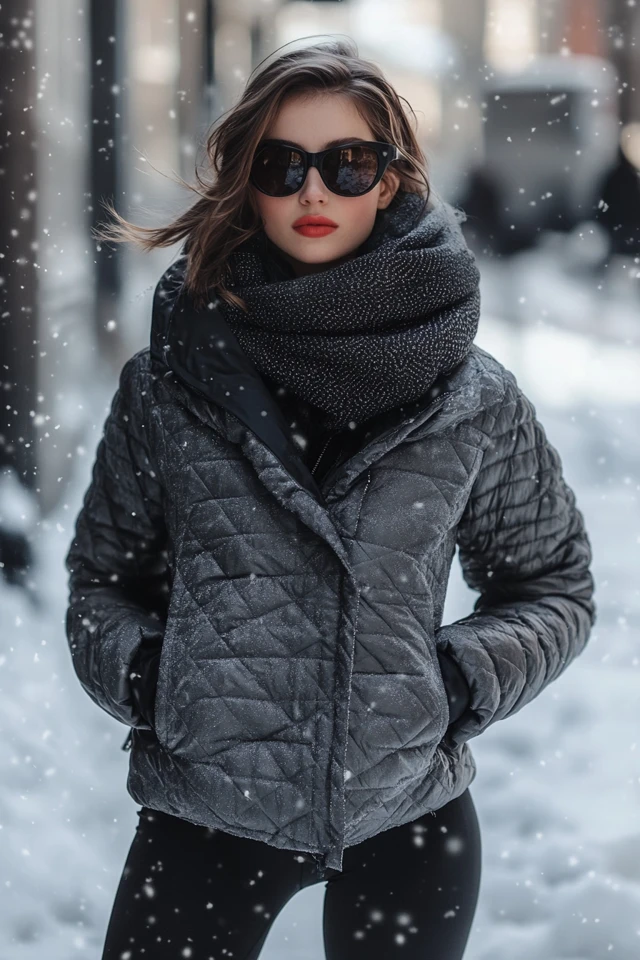
Down or synthetic: which fill should you choose?
Down is the warmest for its weight and compresses small, so it packs easily. Synthetic fill is usually heavier for the same warmth, but it keeps insulating better when damp and is simpler to care for. If your winters are wet and slushy, synthetic is the safer pick. If they are dry and cold, down is hard to beat.
What does fill power mean?
Fill power measures how much space an ounce of down fills, so it tells you about quality and loft. Fill weight is the total amount of down in the jacket. A high fill power with a small amount of fill can be less warm than a moderate fill power with a generous amount. Roughly, 600-700 suits everyday cold, and 800 and above is for severe cold or when you want a compact, light jacket.
How should a puffer fit?
Aim for snug but not tight. You want enough room for a sweater or fleece, because squashed insulation loses loft and warms less. Raise your arms: the hem should not ride far above your waistband, and the sleeves should still cover your wrists.
If a jacket pulls across the shoulders, that is a fit problem, not a you problem. Try the next size or a different cut.
Which length is best?
- Hip-length: easiest for hiking, skiing and driving, since it moves with you.
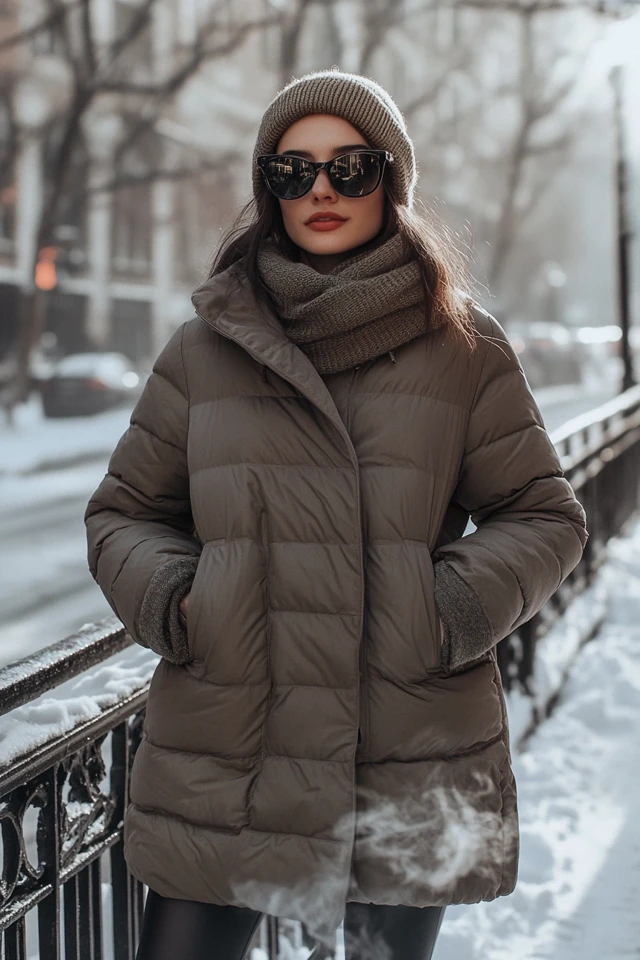
- Mid-thigh: more cover for commuting and windy city streets.
- Knee-length: the warmest for standing around or waiting for transit, though it limits long strides.
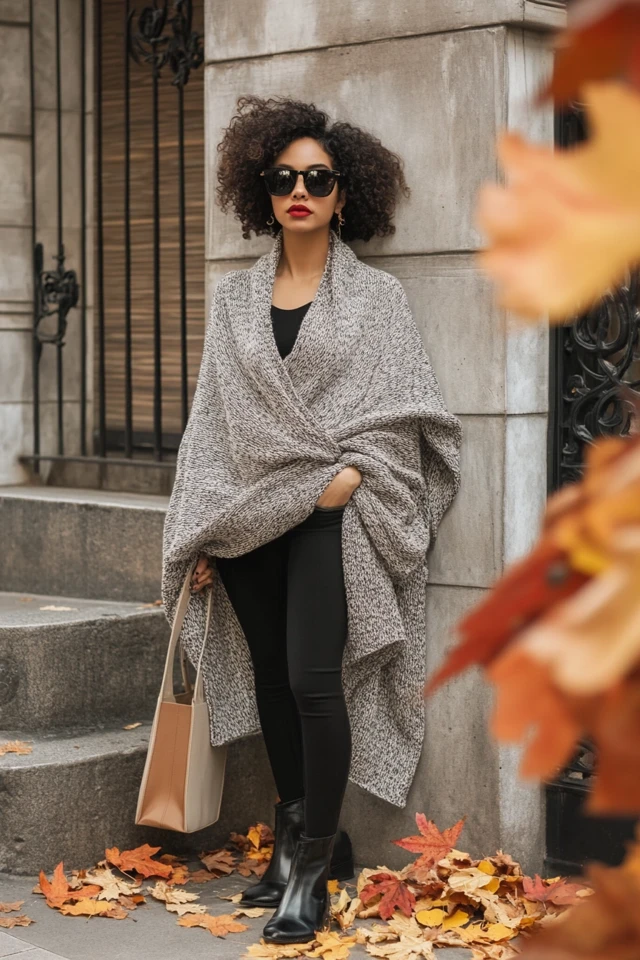
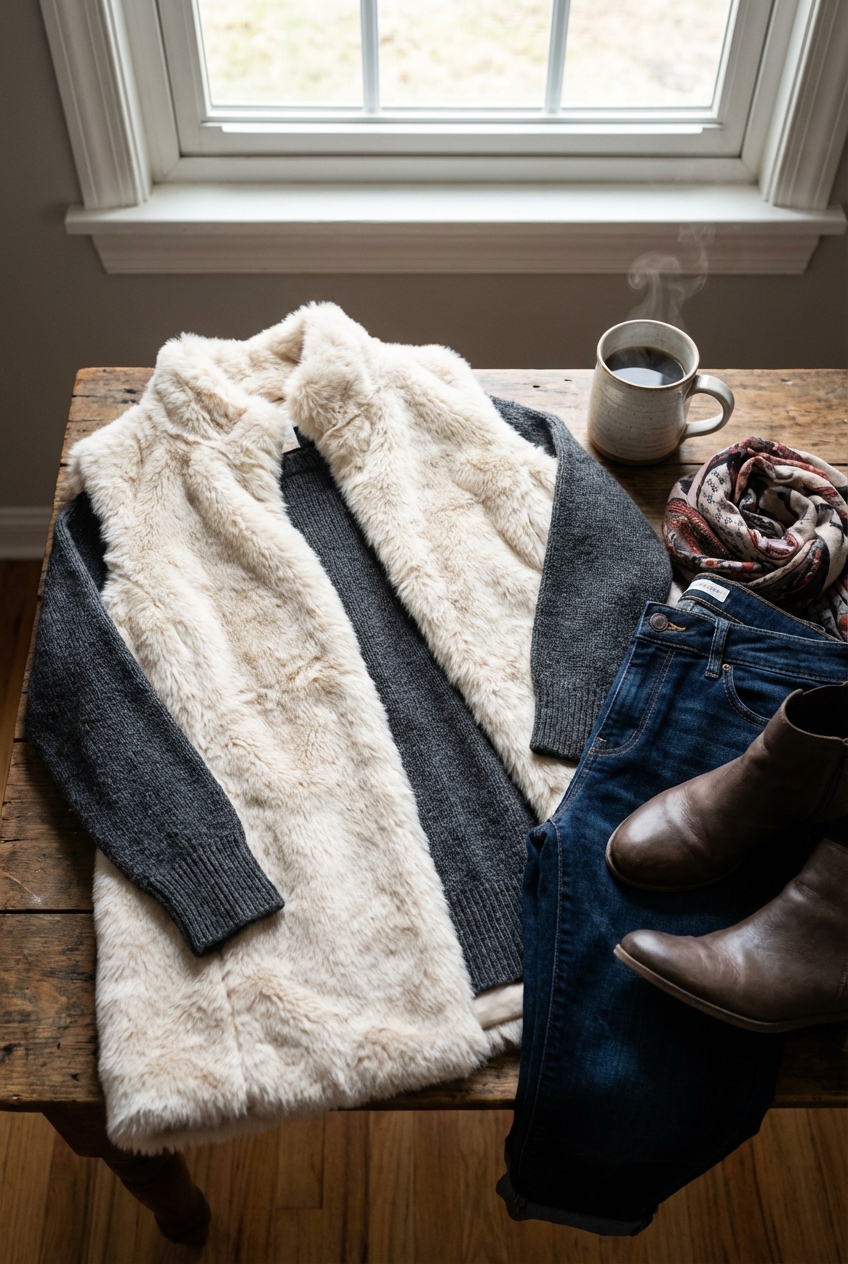
A women's puffer vest in a long cut covers the hips and upper thighs, which makes it a useful layer over a coat-weight knit or a dress with tights. It still leaves arms free, so keep expectations to cool days.
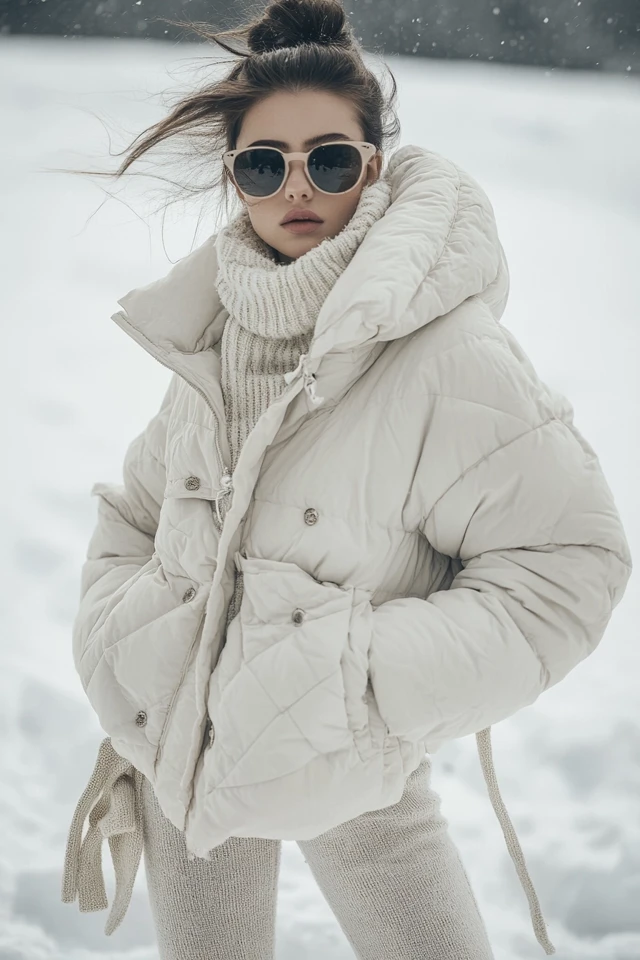

How do you layer under a puffer?
Start with a base layer that moves sweat away from your skin. Texas A&M's Howdy Health advises that the layer closest to your skin should be made of moisture-wicking materials that draw sweat away from your skin. It also says to avoid cotton, including undergarments, because it absorbs moisture and can keep it next to your skin, making you cold.
Add a fleece or a thin knit for warmth, then the puffer on top. If you get warm while walking, open the front or take the vest off instead of sweating through the layers.
Which color should you choose?
Through the lens of evidence-based design, I'd start with the surface. A glossy shell reflects light and makes a color look brighter and slightly larger, while a matte shell reads quieter and sits closer to the body.
- Black, navy and gray are the easiest to pair and hide dirt best.
- Olive, camel and charcoal look calm and work with wool and denim.
- Red, yellow and teal stand out against snow and gray skies, which helps in flat light.
- Emerald, burgundy and sapphire read richer and dressier, especially in a satin-like finish.

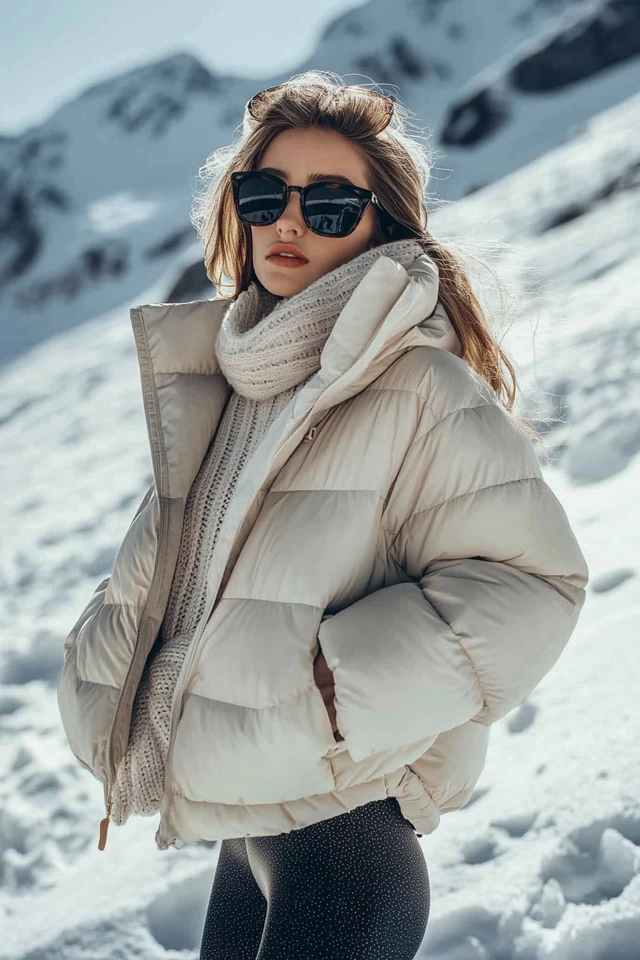
How do you style puffer jackets and vests?
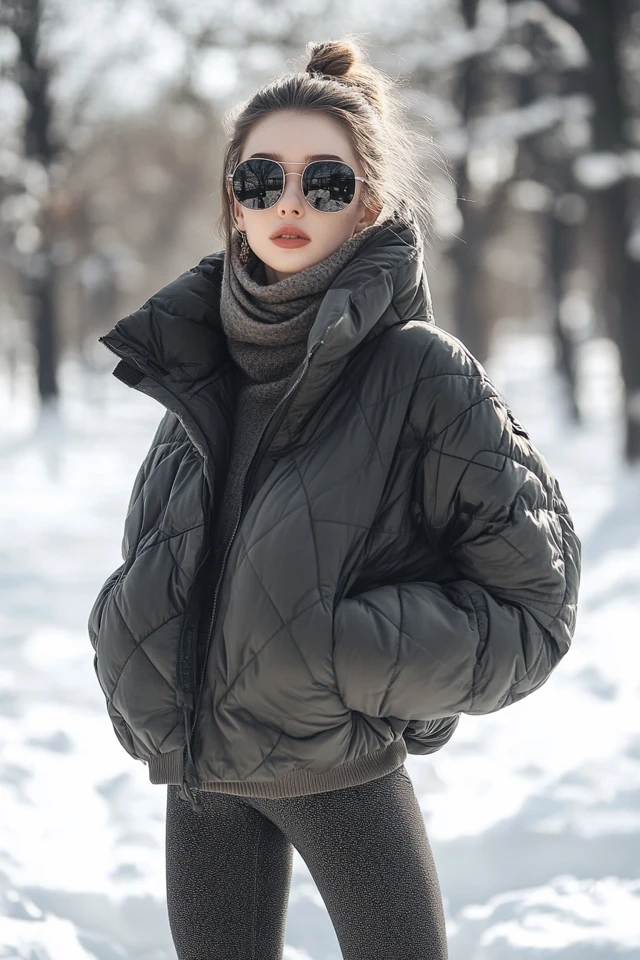
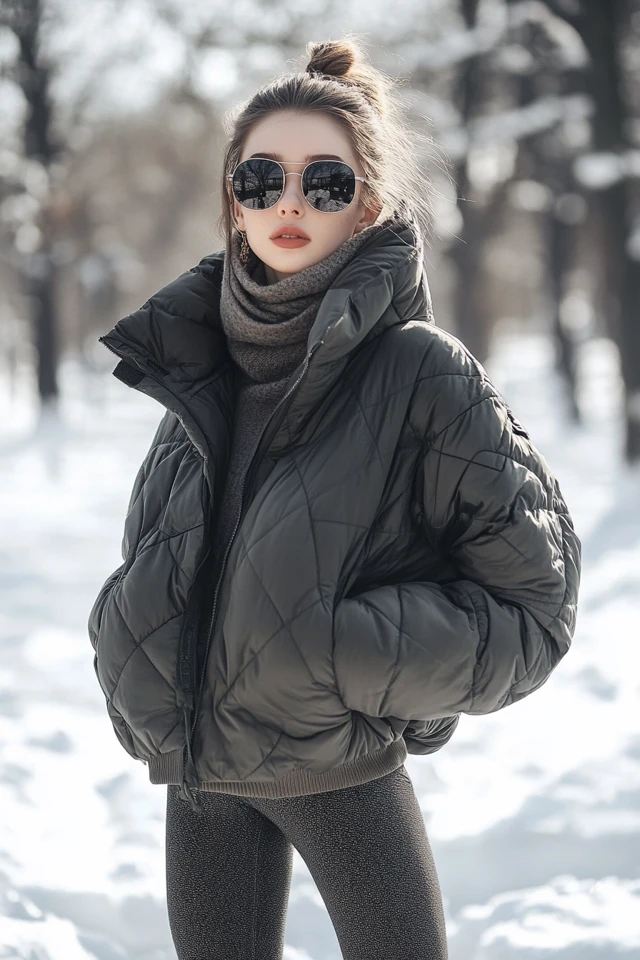
Balance the volume. A big puffer looks best with slimmer legs, such as straight jeans or thermal leggings, and a slim boot. A vest over a fitted knit looks sharper than one over a bulky sweater.
- Trail days: a brighter puffer, thermal leggings, waterproof boots and a fleece-lined beanie.
- City walks: a neutral jacket with jeans, ankle boots and a chunky scarf.
- After skiing: the jacket over a knit sweater with snow boots and earmuffs. See warm earmuffs for windy mornings for options.
- Casual weekends: a puffer with joggers, sneakers and a crossbody bag.
If you like a roomier shape, look at oversized puffers. For a more structured look, quilted puffers have cleaner lines. Heading somewhere colder? Compare with insulated ski jackets.
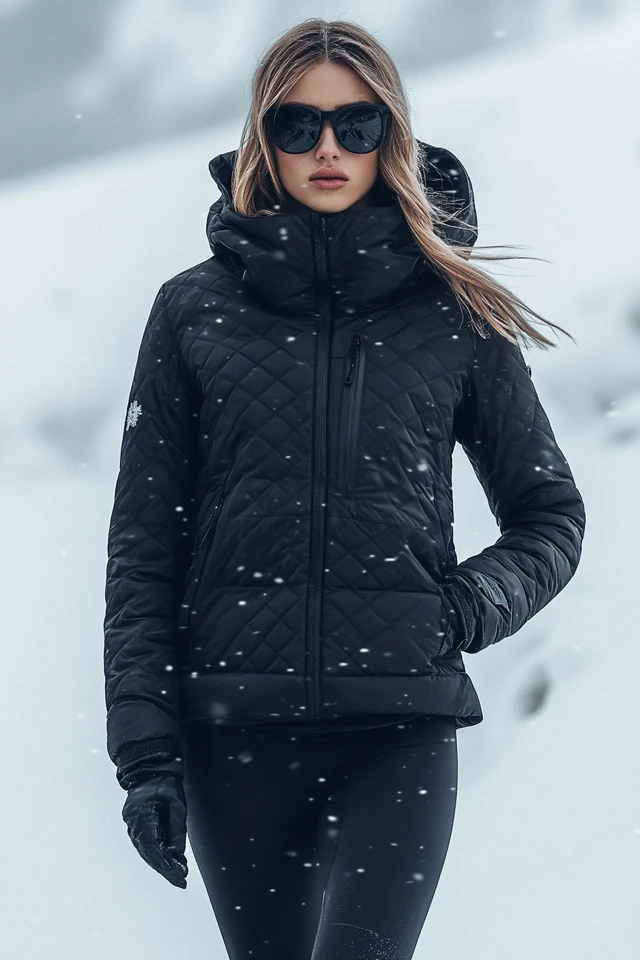
How do you care for a down jacket?
Check the care label first, then follow it. In general, down washes best in a front-loading machine on a gentle cycle with a down-specific detergent. Dry on low heat with a few clean tennis or dryer balls to break up clumps, and make sure the fill is completely dry before storing it.
Store it loosely in a breathable bag or on a hanger. Long-term compression flattens the loft.
Frequently asked questions
Are puffer vests still in style?
Yes. Vests remain a common layering piece, especially over knits and under coats. Neutral colors and clean lines age best.
Can I wear a down jacket in the rain?
Down jackets with a DWR finish handle light rain and wet snow, but they are not fully waterproof. Add a rain shell for longer exposure, since wet down loses warmth.
Are synthetic jackets as warm as down?
Synthetic fill can be very warm and performs better when damp. Down is warmer for its weight and packs smaller.
Can I wear a puffer for hiking or snowshoeing?
Yes, lightweight puffers work well for stops and cold starts. While moving hard, you may want to wear it open or swap to a thinner layer to avoid overheating.
Filed under Weather Style