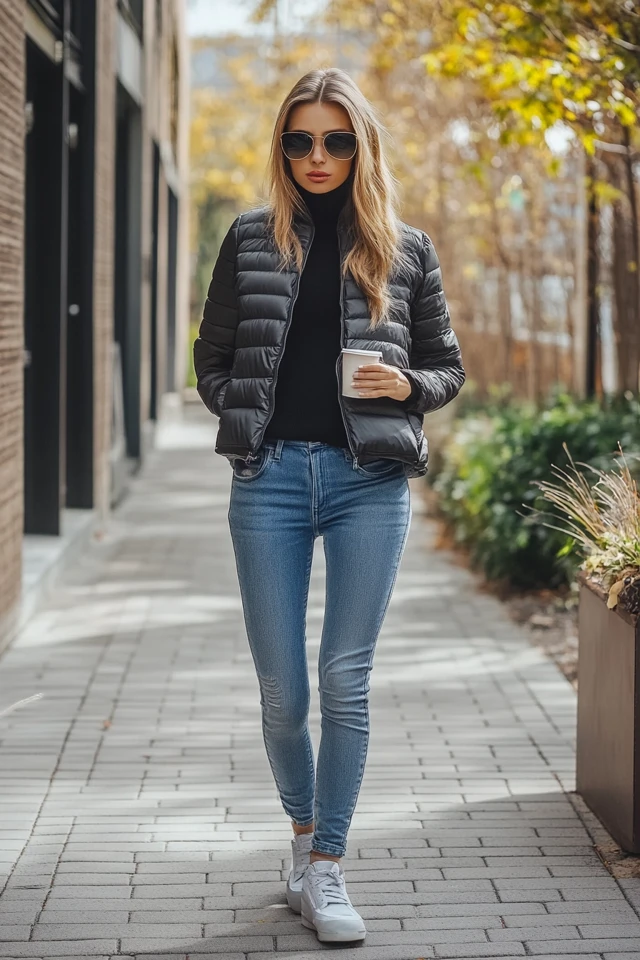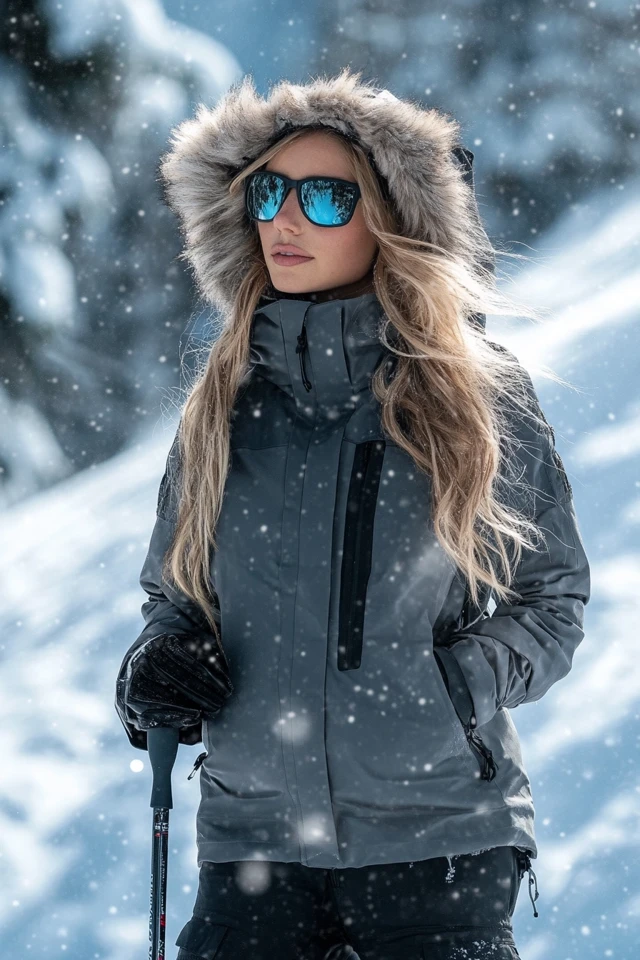
Insulated Ski Jackets for Subzero Adventures
- Words by
- Julio Arco
- Published
- Reading
- 4 min
The best parkas for winter and rain pair a waterproof, taped-seam shell with insulation that still works when damp. For wet cold, around freezing, choose synthetic fill. For dry, deep cold, down is lighter and warmer for its weight, as long as the shell is truly waterproof.
The same rules apply to insulated ski jackets, which is where this post started. A ski jacket is a good model for any parka that has to handle snow, sleet and wind, so the features below carry over to everyday wear.
What makes a parka work for both rain and cold?
Three things: a shell that blocks water, insulation that holds heat, and a cut that lets you add layers. If one is missing, you notice fast. A warm coat with a shower-proof shell soaks through. A fully waterproof shell with thin fill leaves you shivering at a bus stop.
Look at the care label and product description for the words “waterproof” and “taped” or “sealed” seams. “Water-resistant” usually means it handles a light drizzle and not much more. Not every insulated jacket is fully waterproof, so check before you buy.
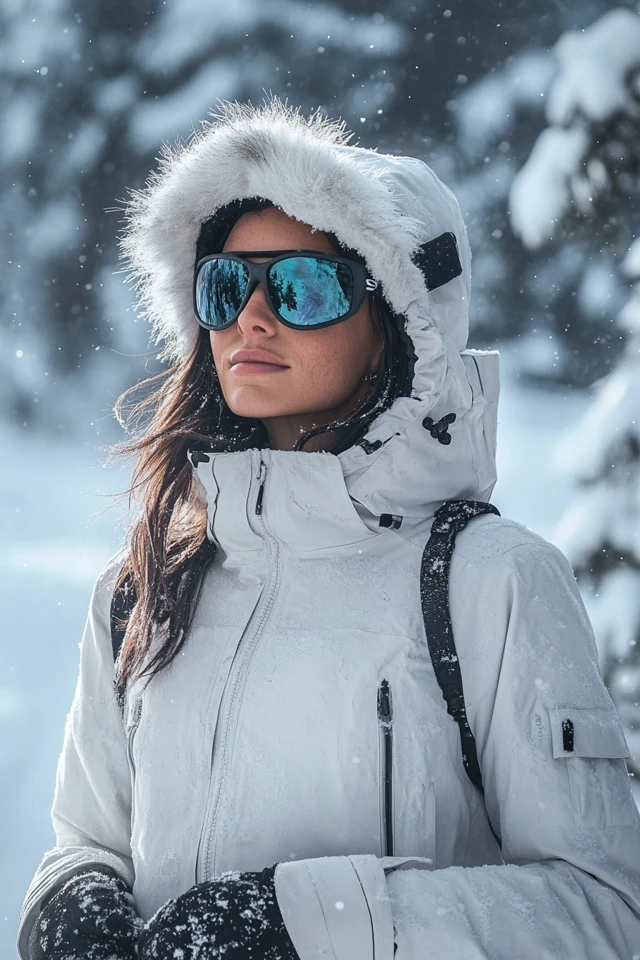
Waterproof shell: what to check
Rain gets in through seams and zippers before it goes through fabric. Sealed seams and a storm flap over the zipper do most of the work in a waterproof parka.
- A membrane fabric (GORE-TEX is the best-known) keeps water out while letting some vapor escape.
- A DWR finish makes water bead on the surface. It wears off, so it needs refreshing.
- Underarm zips or other vents help if you run warm while walking fast.
Through the lens of evidence-based design, I'd also look at the surface. A matte shell hides water spots and reads as one even color in flat winter light, while a glossy one shows every crease and splash.
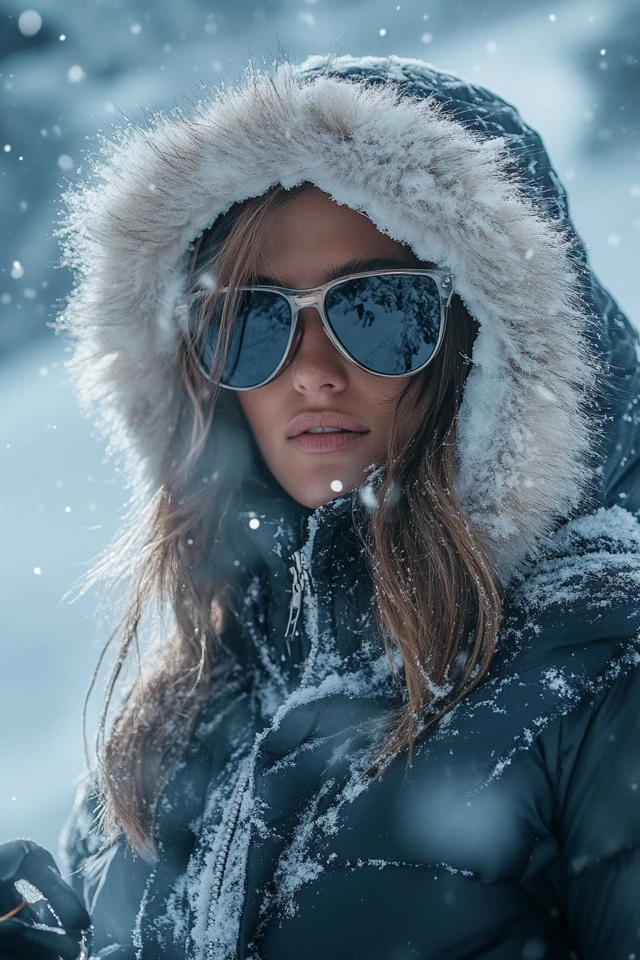
Down or synthetic insulation?
Down gives the most warmth for the least weight and suits cold, dry days. Its weakness is moisture: wet down clumps and loses loft. Synthetic fill, such as PrimaLoft, keeps insulating when damp and dries faster, which makes it the safer pick for a city winter with sleet.
Hybrid parkas put down in the torso and synthetic in areas that get wet, like the shoulders and hood. If you want a coat for mostly dry mountain cold, see warm down jackets for windy winter days. For lighter, quilted options, cozy puffer jackets are worth a look.
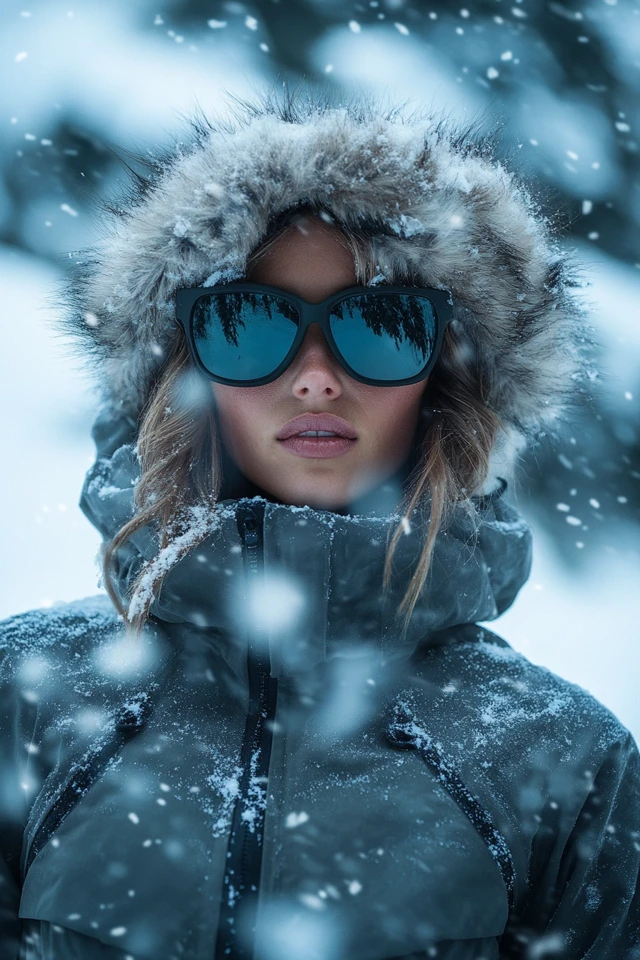
Hood, cuffs and hem: the details that keep weather out
A parka hood should cover your head in a wind without blocking your side vision. Adjustable toggles let you cinch it. Cuffs with hook-and-loop tabs and a drawcord hem seal out cold air and splashback.
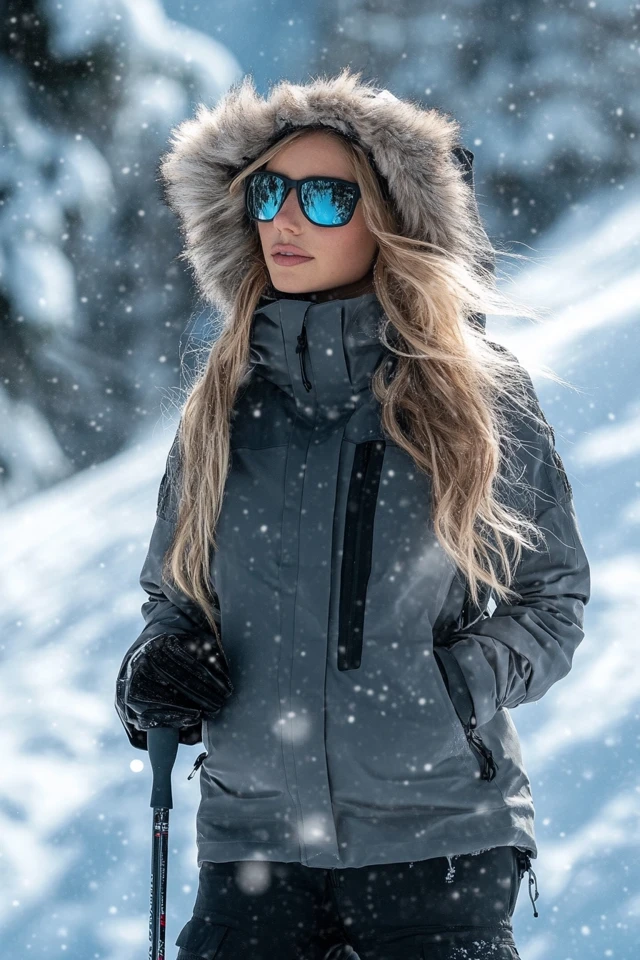
Ski-style features are handy off the slopes too: a powder skirt stops snow and drafts at the waist, and fleece-lined hand pockets are welcome at 10 degrees. Longer parkas that reach mid-thigh protect more when you sit on cold benches or train seats.
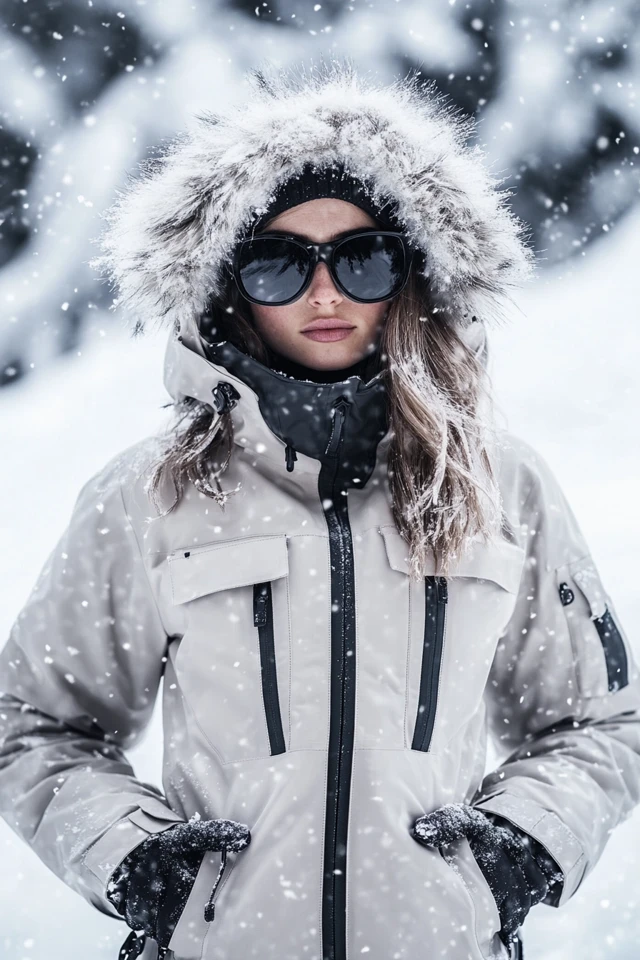
How should a winter parka fit?
Try it on over the layers you will actually wear. You should be able to raise your arms and cross them without the hem lifting or the shoulders pulling. A jacket that binds when you reach is a fit problem, not a you problem.
Leave a little room in the torso, since insulation works by trapping air, and a tight coat squashes it. Too much room lets warm air escape at the collar and hem.
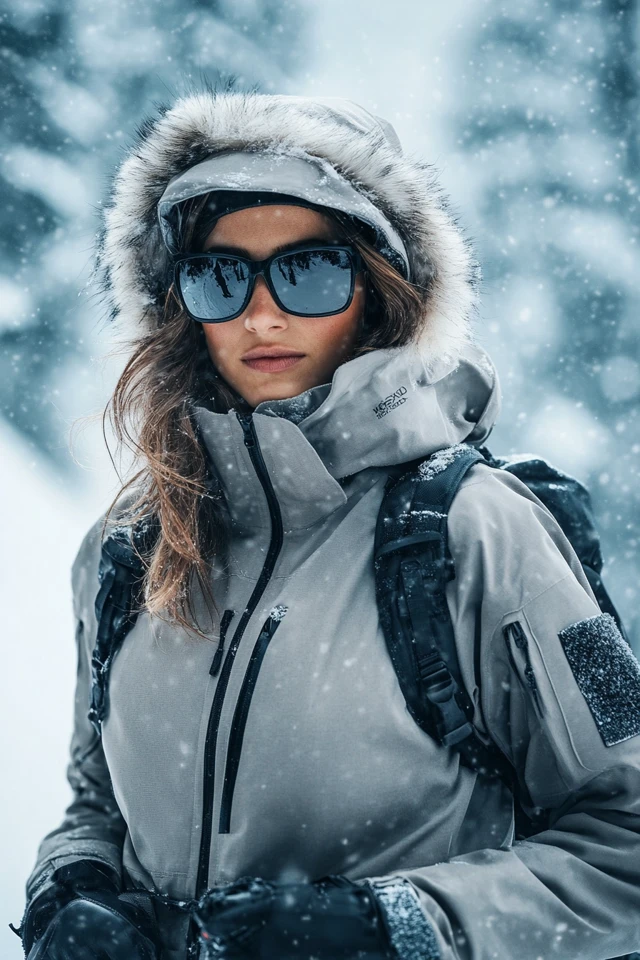
What to wear under a parka
Start with a base layer that moves sweat away from skin. Texas A&M's Howdy Health says the layer closest to your skin should be moisture-wicking, and it also advises avoiding cotton, because it absorbs moisture and can keep it next to your skin. Add a fleece or light down mid-layer on colder days.
Our guide to stretchy base layers covers that first layer. Finish with thermal socks and an insulated trapper hat for the extremities.
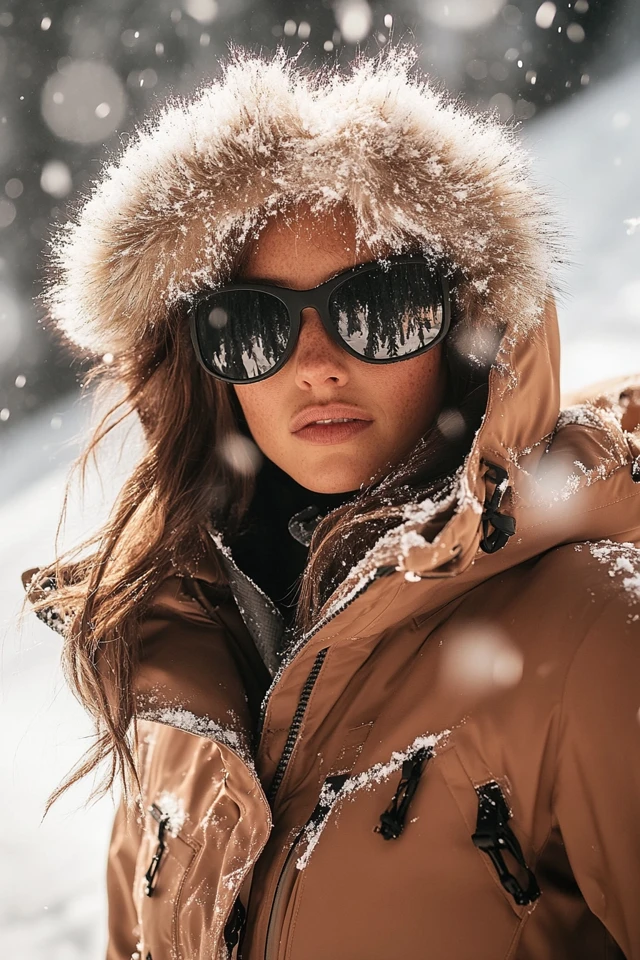
Choosing a color and style
Black, navy, charcoal and olive hide dirt and go with nearly everything. Brighter reds and blues stand out against gray skies and snow, which is useful in low visibility. As an architect trained in evidence-based design, I'd pick the color by the light you usually see it in: deep tones look richer on overcast days, and bright ones keep from disappearing into the gray.
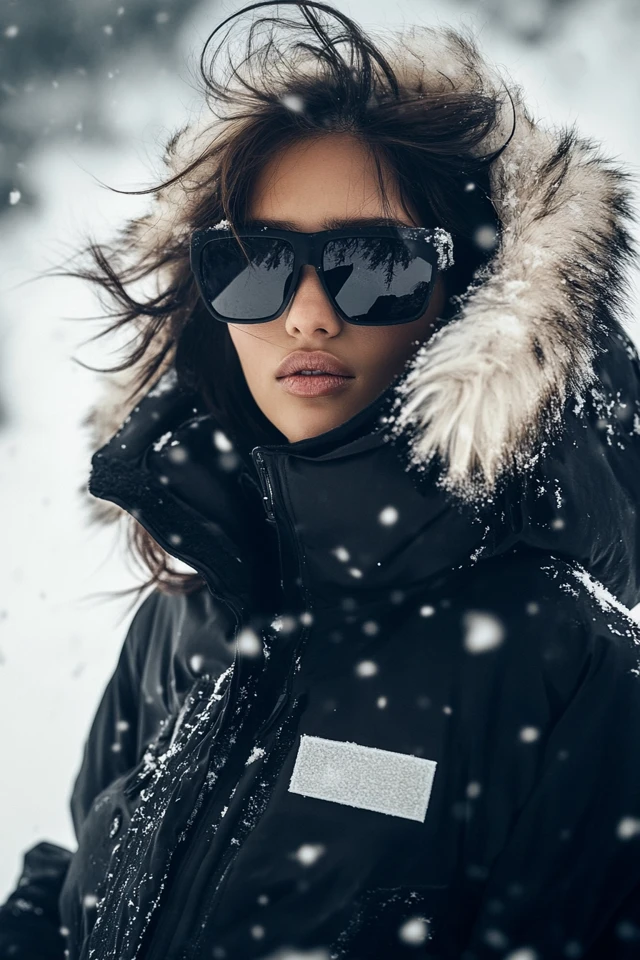
For women's parkas for winter and rain, a cinched waist or a longer hem gives shape without losing warmth. A matching color on the parka and bottoms reads sleek, and insulated snow pants are an easy match for colder trips.
Caring for your parka
Spot clean with a damp cloth and mild detergent. If the label allows it, wash on a gentle cold cycle and dry thoroughly, since damp insulation loses warmth and can smell. When water stops beading on the shell, reapply a waterproofing treatment made for outerwear.
Frequently asked questions
What is the best jacket for both rain and winter?
A parka with a waterproof, taped-seam shell and synthetic or hybrid insulation covers both. It keeps its warmth when damp, and you can add or remove layers underneath.
What is the best parka for cold weather?
For very cold, dry days, a down parka with a hood and a long cut gives the most warmth for its weight. Pick one with a wind-blocking shell and an adjustable hem and cuffs.
What is the best waterproof parka?
Look for fully sealed seams, a storm flap over the zipper and a membrane or coated shell, rather than a single brand. Product descriptions that say only “water-resistant” are weaker.
Can I wear an insulated ski jacket for everyday winter walks?
Yes. Ski jackets are built for snow, wind and wet, so they suit winter walks, commuting and hikes as well.
Filed under Weather Style