Puffer Jackets and Vests for Windy Winter Days
- Words by
- Julio Arco
- Published
- Reading
- 5 min
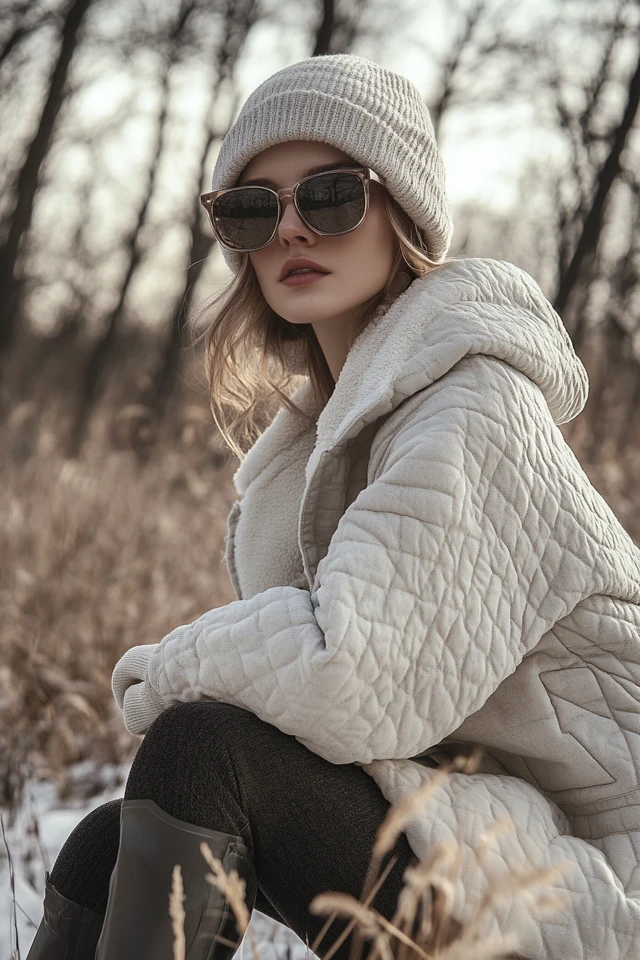
For windy winter days, pick an oversized puffer with a wind-resistant shell, enough room to layer underneath, and a length that reaches at least mid-thigh. A hood that cinches and cuffs that close snugly matter as much as the fill.
Puffer vests are a good partner to a jacket, not a replacement for one. This guide covers what to look for in puffer jackets and vests for cold weather, how to style the volume, and how to care for them.
What makes a puffer work in the wind?
Wind strips away the warm air near your body, so the shell matters as much as the insulation. A tightly woven nylon or polyester outer layer blocks gusts, while the fill (down or synthetic) holds heat in its loft.
Check these features before you buy:
- A tightly woven, wind-resistant shell with no thin, see-through patches.
- A high collar and a hood with a drawcord, so the opening around your face can be closed.
- Elasticized or adjustable cuffs, which stop air from traveling up your sleeves.
- A storm flap over the zipper, or at least a zipper that closes to the chin.
- A hem that reaches mid-thigh or lower, which protects the part of your legs the wind hits first.
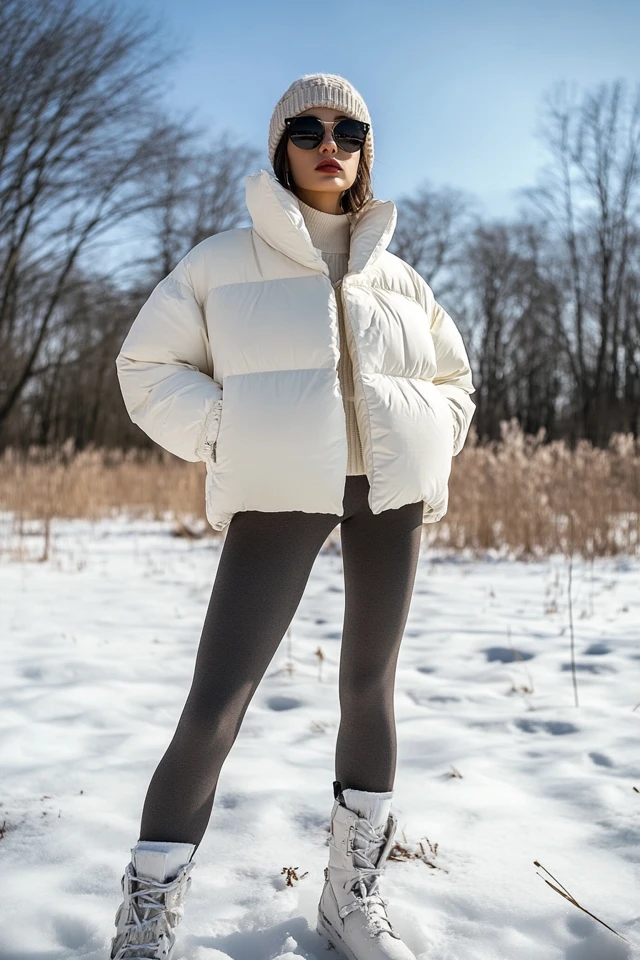
Do puffer vests keep you warm?
They keep your core warm, which is a big part of feeling comfortable, but they leave your arms exposed. In wind, that makes a vest a mid-layer: wear it under a shell or over a long-sleeve base, rather than alone on an exposed trail.
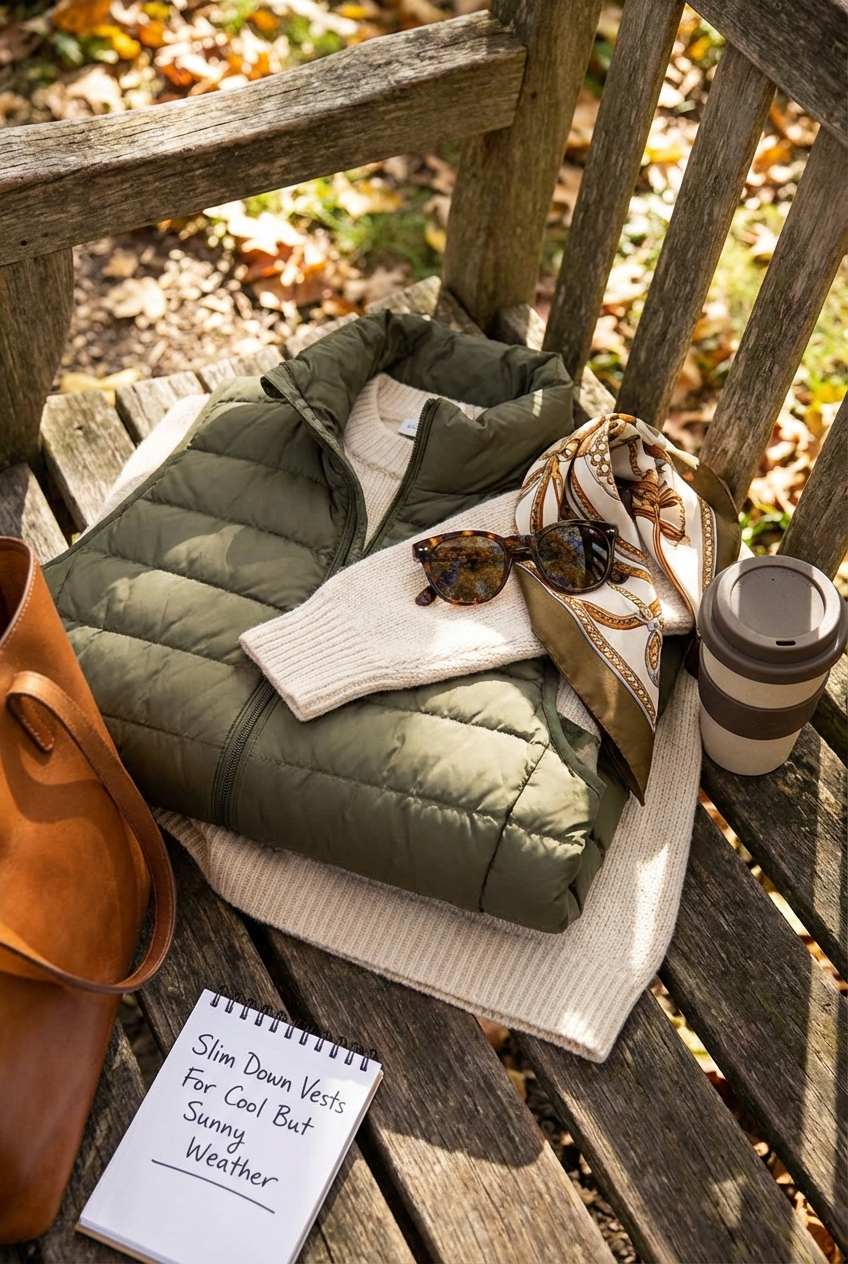
For a calm city day, a vest over a knit sweater is plenty. A long vest, like a women's puffer vest long enough to cover the hips, also protects more of your torso and looks good over a straight-leg trouser.
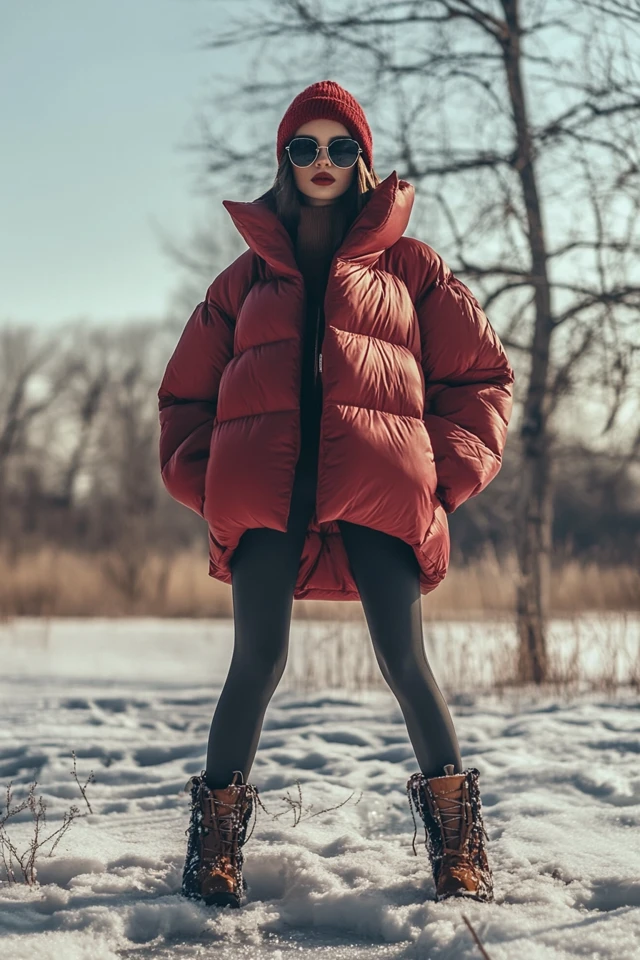
How should an oversized puffer fit?
Oversized should mean room for a sweater, not a jacket you swim in. The shoulder seam can sit slightly past your shoulder, but sleeves that swallow your hands let wind in and get in the way.
Try it on with the thickest layer you plan to wear. You should be able to lift your arms without the hem riding up, and the zipper should close without pulling. If the hem lifts when you reach, the cut is too short for windy weather.
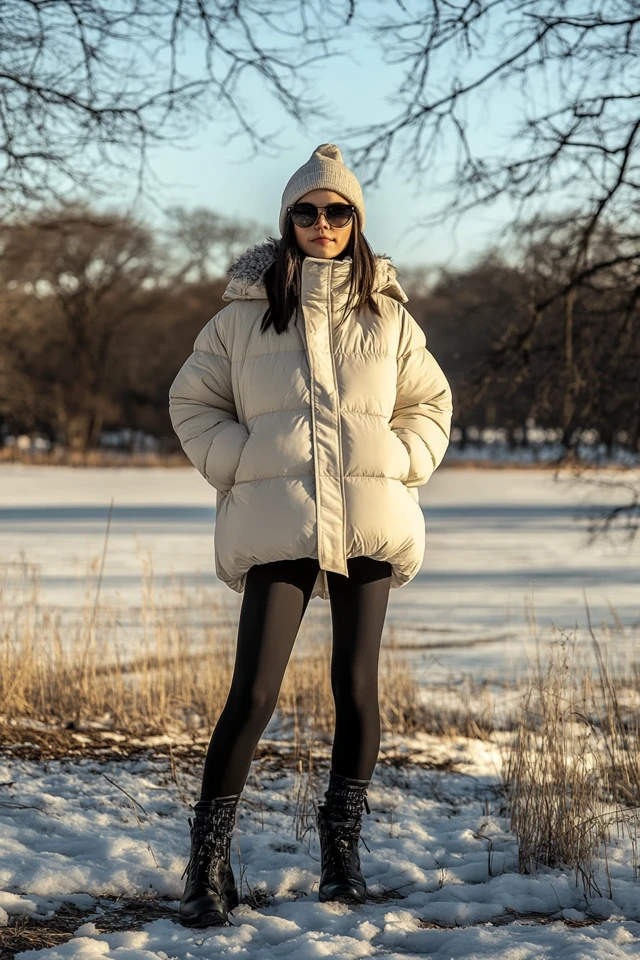
Through the lens of evidence-based design, I'd treat the silhouette as the first thing the eye reads. A big puffer paired with slim bottoms looks intentional, because the contrast in volume gives your outfit a clear shape.

What should you wear under a puffer?
Build from the skin out. Howdy Health at Texas A&M advises that the layer closest to your skin should be made of moisture-wicking materials that draw sweat away. The same page says to avoid cotton, including undergarments, because it absorbs moisture and can keep it next to your skin, making you cold.
For active days, that means a wicking base, a fleece or knit mid-layer, then the puffer. If you want a stretchy, close-fitting base, see these base layers for subzero days. For a steep, strenuous hike, a lighter shell may be better so you don't overheat; our lightweight windbreaker picks cover that.
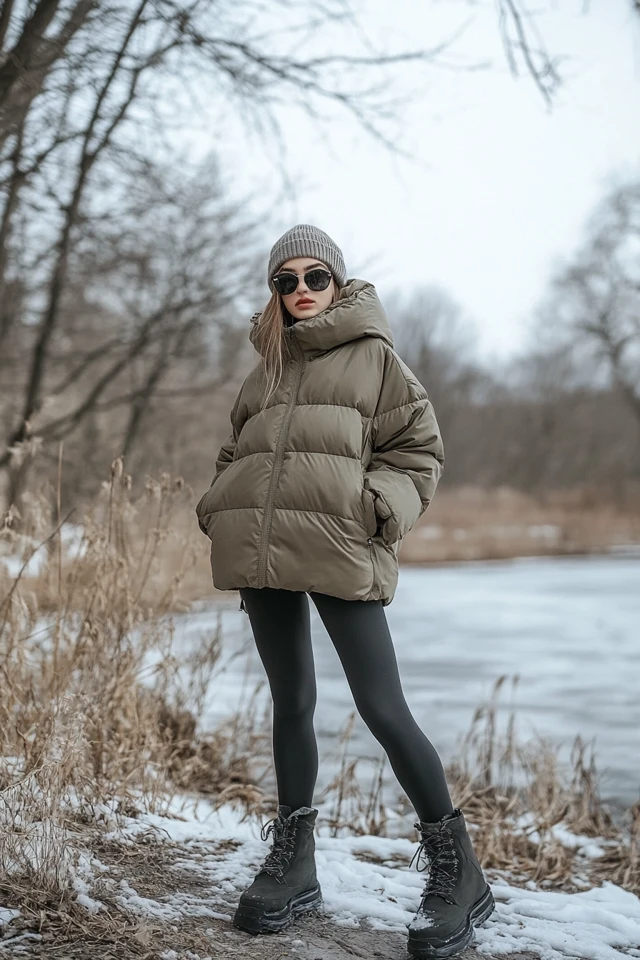
How to style an oversized puffer
Sporty
Wear it over thermal leggings and a fleece hoodie, with waterproof boots and a beanie. Keep the colors simple so the jacket carries the look.
Urban
A neutral puffer works with straight-leg jeans, a chunky sweater and leather ankle boots. A scarf closes the gap at the collar, which also helps against wind.
Bold color
Emerald, cobalt or red against black leggings reads clearly, because a saturated color next to a dark neutral stands out. More ideas are in these bright puffer jackets.
Minimal
A matte black or beige puffer over wide-leg trousers and a fitted turtleneck looks sleek. Matte fabric absorbs light, so it looks calmer than a glossy one in the same color.
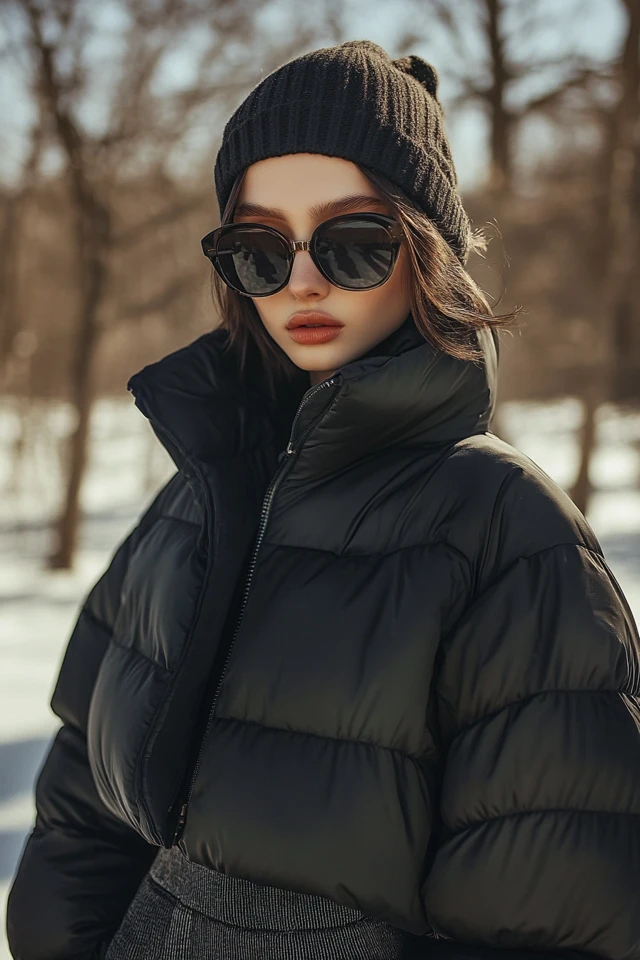
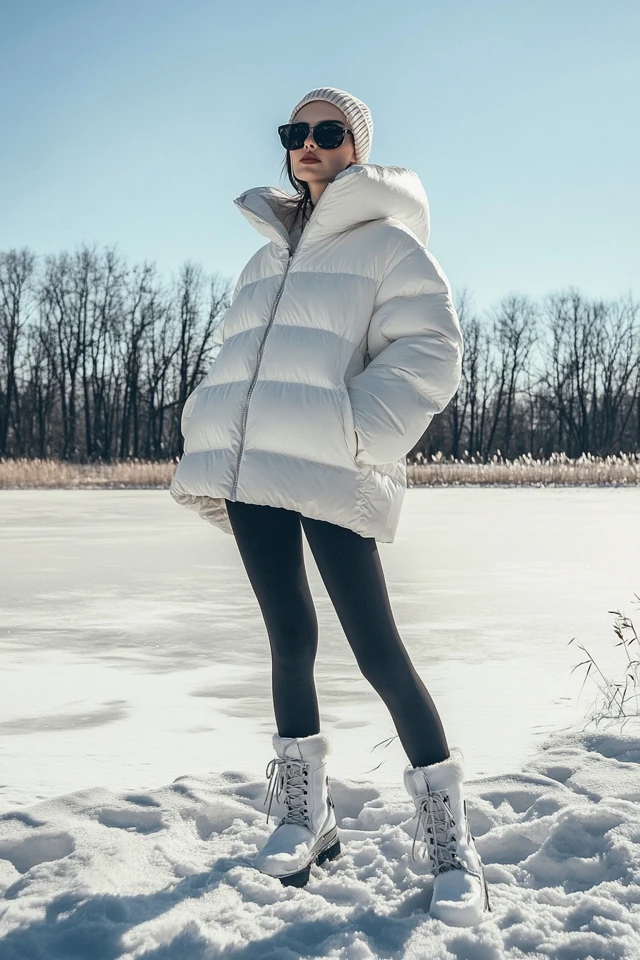
Women's, men's and hooded options
Cut differs more than warmth. Women's styles often add shaping at the waist and a longer hem, while men's styles tend to be straighter through the body. If a cut isn't right, try the other department: an oversized fit is designed to be forgiving anyway.
A men's puffer jacket with a hood is usually easiest to find with a drawcord and a storm flap, but the same features appear in women's styles. Look at details, not the label.
Brand matters less than construction. Compare shell fabric, hood adjustment, cuff closure and stitching on any brand you consider, and read the care label to see what the fill needs. For other warm options, compare down jackets and wool overcoats, or browse more puffers for snowy days.
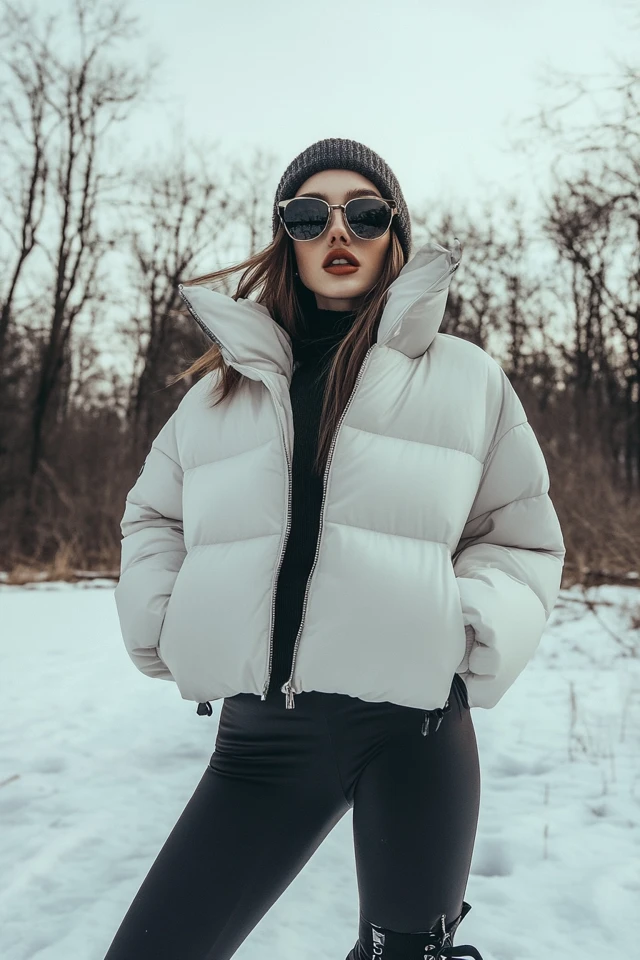
Down or synthetic fill?
Down is generally lighter for its warmth and compresses well, but it loses insulation when soaked. Synthetic fill handles damp better and is often easier to care for. If your winters are wet and windy, synthetic is the safer choice; for dry cold, down is hard to beat.
Caring for a puffer
- Spot clean small marks with a damp cloth and mild detergent.
- Follow the care label for machine washing; use a gentle cycle and cold water if it is allowed.
- Dry on low heat or flat, as the label says. Dryer balls can help restore loft in down.
- Hang it somewhere cool and dry between wears, and avoid compressing it for months.
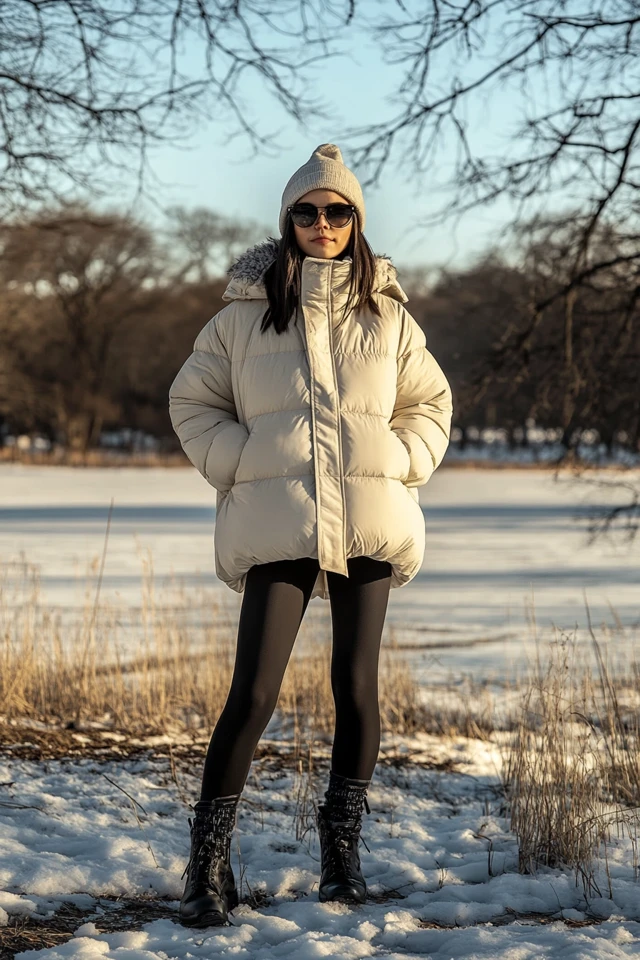
Frequently asked questions
Are puffer vests still in style?
Yes. Vests are an easy layering piece over knits and shirts, and long versions add shape over trousers. Choose a clean cut in a neutral color and it will keep working season after season.
What brand has the best puffer jacket?
There is no single best brand. Compare shell fabric, fill type, hood and cuff adjustment, and fit, then pick the one that matches your climate and budget.
How do I style an oversized puffer without looking bulky?
Pair it with slim bottoms like leggings or tailored trousers so the volume sits in one place. A belt over the jacket can define the waist.
Are oversized puffers good for extreme cold?
They can be, if the fill is warm and the shell blocks wind. Check the product's temperature guidance and add a wicking base layer.
Filed under Weather Style