Soft Puffer Gloves for Icy Morning Commutes
- Words by
- Julio Arco
- Published
- Reading
- 5 min
For an icy commute, pick soft puffer gloves with a snug cuff, a textured palm and a lining that stays warm if it gets damp. Quilted insulation traps air around your fingers, and a good cuff keeps cold air from sneaking in at the wrist.
Below: what to check before you buy, which colors are easiest to wear, how to style them, and how to keep the padding fluffy.
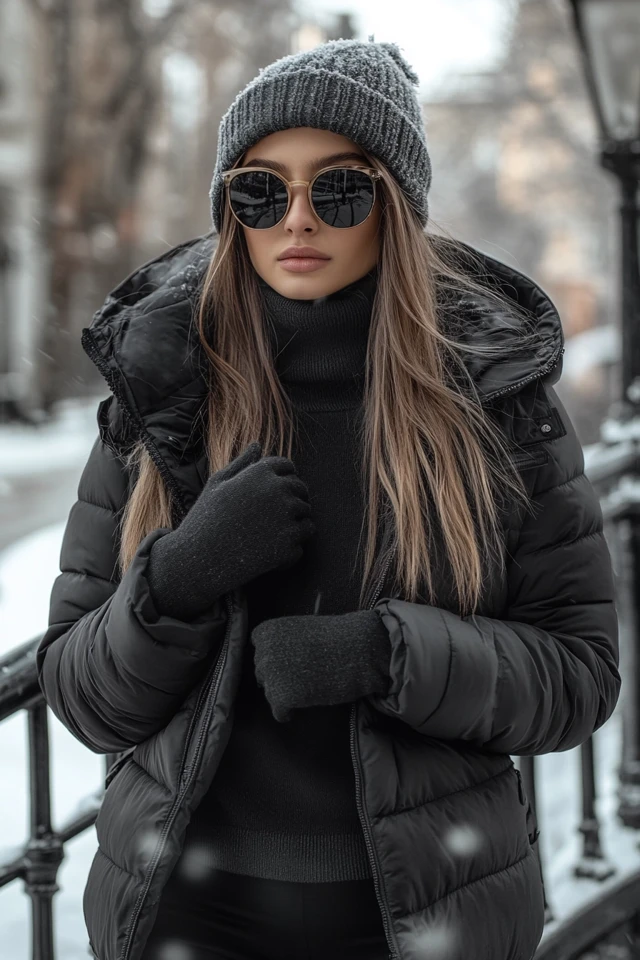
What makes puffer gloves work on a cold commute?
Puffer gloves are padded the way a puffer jacket is: stitched channels filled with down or synthetic fiber, so air stays trapped close to your skin. The padding also feels soft and a little bulky, which most people find comforting on a gray morning.
The trade-off is dexterity. Thick padding makes it harder to tap a phone or pull out a transit card, so look at the fingertips and palm before you commit.
What should you check before buying?
- Insulation: down is very light and warm but loses performance when soaked. Synthetic fill copes better with slush and is the vegan option.
- Cuff: elastic, knit or adjustable cuffs that slide under a coat sleeve keep wind out. A cuff that is too wide leaves a gap.
- Grip: a textured or silicone-dotted palm helps with a coffee cup, handrail or bike handlebar.
- Touchscreen fingertips: useful if you check your phone on the platform. Test the thumb and index finger in the store if you can.
- Fit: you want a little air at the fingertips but no loose fabric. Gloves that are too tight squeeze the insulation flat and feel colder.
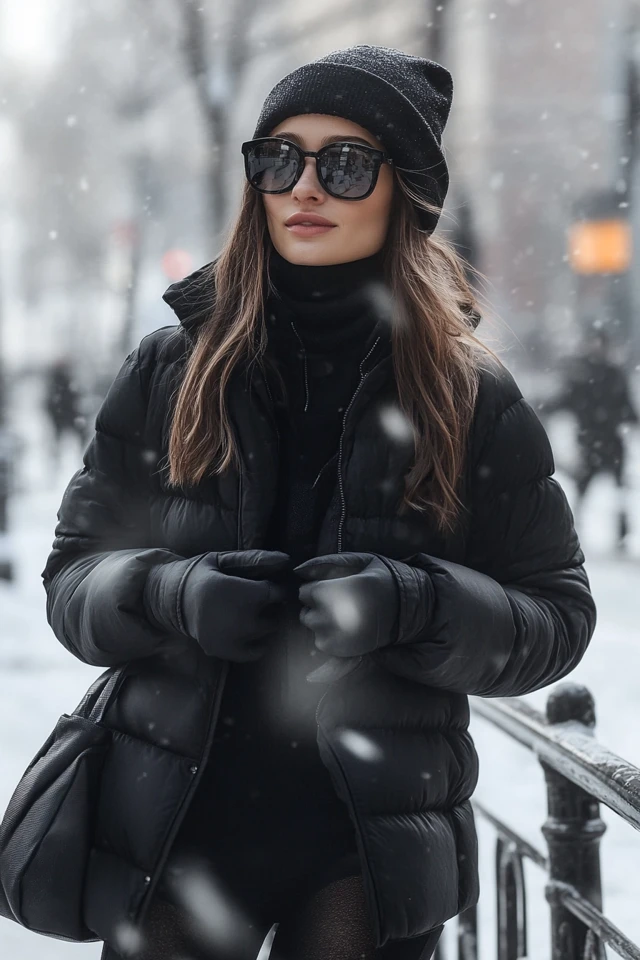
Do your hands stay warm if the rest of you is cold?
Often they do not. When your core cools down, your body tends to protect it first, so gloves can only do so much on their own. That is where the rest of your layers come in.
What is the 3 layer rule for winter?
It is a simple system: a snug base layer, an insulating middle layer, and an outer layer that blocks wind and wet. WVU Today describes it this way: a snug-fitting base layer draws moisture away from the skin so it remains dry, and a middle layer provides insulation by creating air spaces that trap warm air heated by the body. Fashion design professor Angela Uriyo, in the same piece, puts it plainly: “Something as simple as layering your clothing can make the difference between being toasty or miserable in cold weather. The ability to add and remove garment layers is what helps us regulate our body temperatures and remain comfortable. Using a three-layer clothing system is key.”
What goes against your skin?
For base layer clothing for cold weather, skip cotton. The Be Ready Utah clothing guide notes that cotton holds moisture next to your body, which promotes heat loss through evaporation and conduction. Merino wool base layers are a common alternative. Debanjan Das, associate professor of fashion design and merchandising at WVU, says that wool is the original performance fabric, valued for its exceptional insulation, even when wet. A thin turtleneck is an easy way to start, and this guide to warm turtleneck tops covers options.
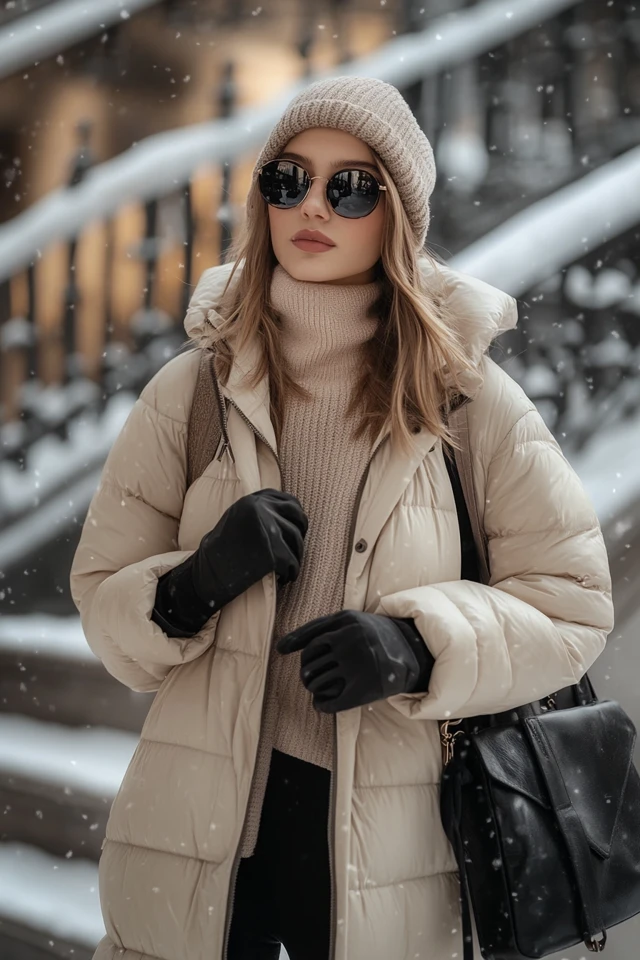
Which color should you choose?
Color changes how a glove reads against a coat, and your hands are always in view when you hold a phone or a rail.
- Black, gray and navy disappear into most coats and look tidy. They are the safest pick if you own one pair.
- Camel, olive and burgundy add warmth to a dark coat without shouting.
- Red, mustard or teal give a bright accent against gray winter light. Wear them with a quiet coat so the gloves are the only loud note.
- Blush, lavender and powder blue look softer, though pale colors show street grime quickly.
Through the lens of evidence-based design, I'd also think about texture. A matte quilted glove and a glossy metallic one in the same shade do not read as the same color, because the surface changes how light reaches your eye. Matte looks calmer, shiny looks sportier.
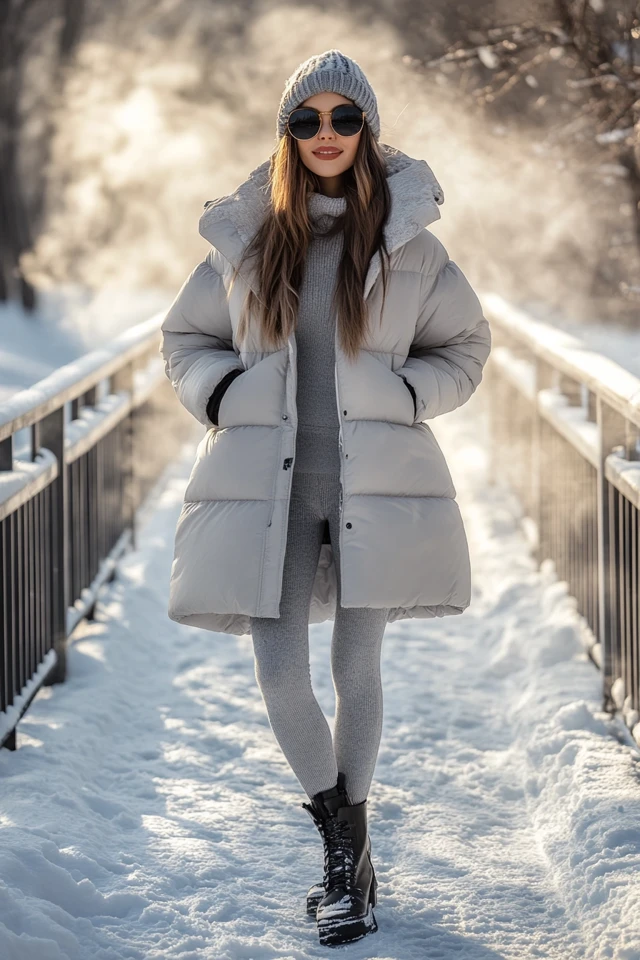
How do you style puffer gloves?
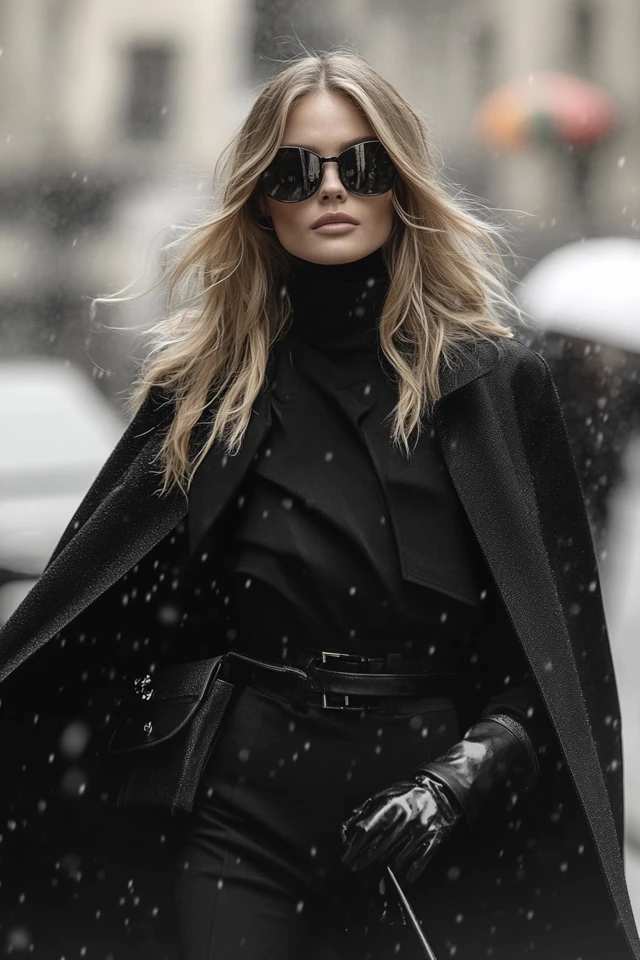
- With a wool coat: black or camel gloves and boots give a clean, classic line. Padded gloves add volume at the hands, so keep the coat slim.
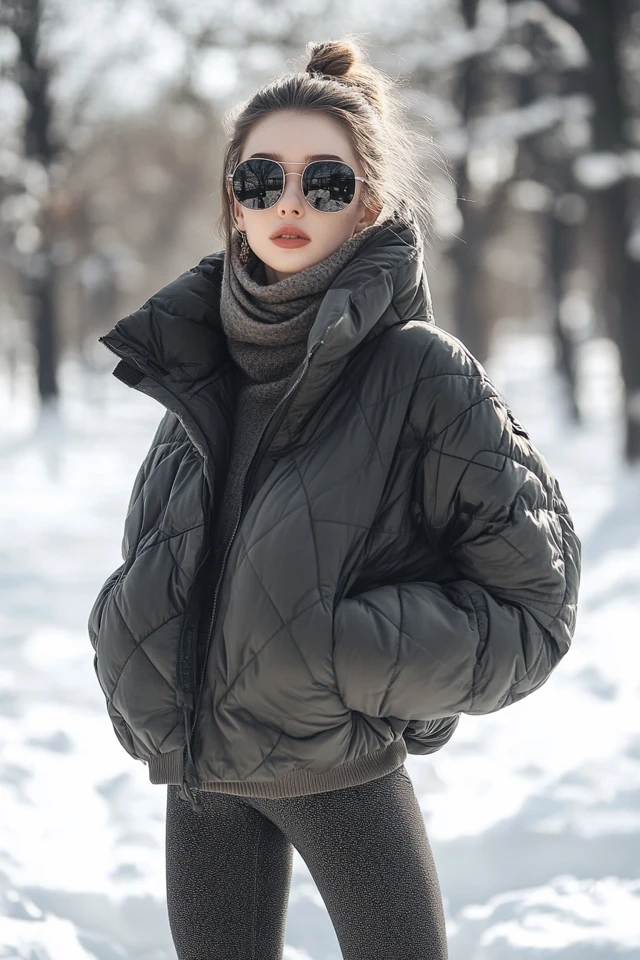
- With a puffer jacket: choose a different texture, such as a matte glove with a shiny jacket, so the two do not blur together.
- With a parka and sneakers: neutral or metallic gloves keep the look sporty.
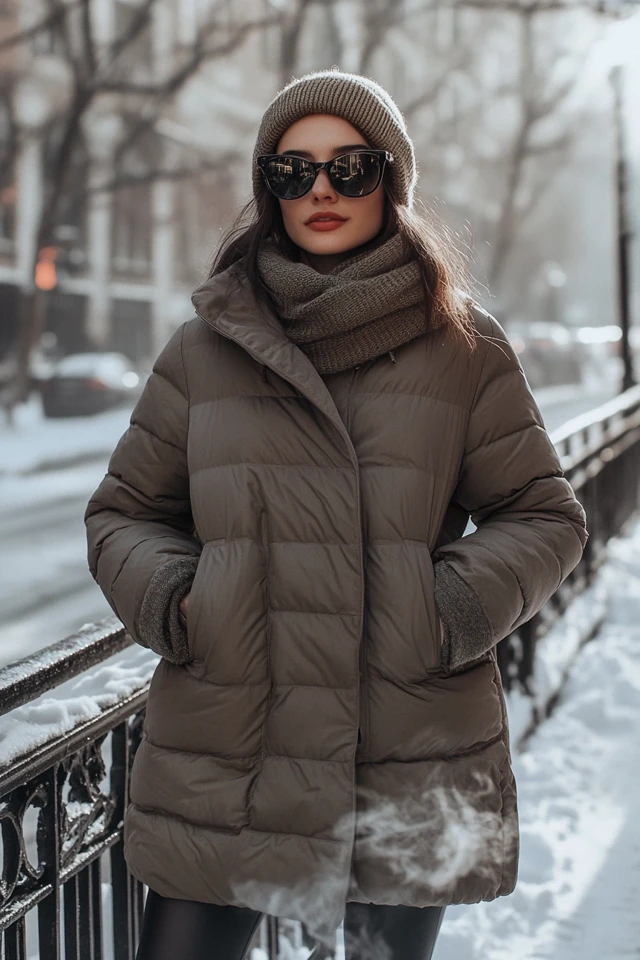
- With a scarf or beanie: match one color across the pieces, or pick two shades from the same family.
If you prefer less bulk, fitted knit gloves are slimmer, and leather gloves dress up a tailored coat better. For running, see insulated gloves for frosty runs.
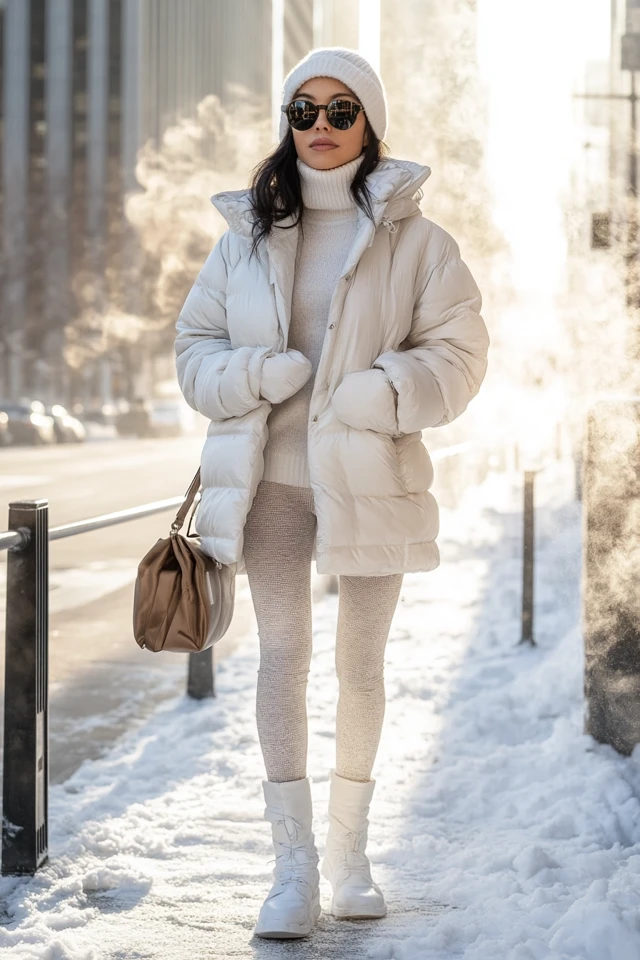
Which puffer glove trends are worth trying?
Quilted diamond or square stitching is the classic look. Metallic finishes feel modern, faux fur cuffs add warmth at the wrist, and minimalist monochrome pairs suit almost everything. Bold prints work if the rest of your outfit is plain.
Pick function first: insulation, a good cuff and grip matter more on a freezing platform than any pattern.
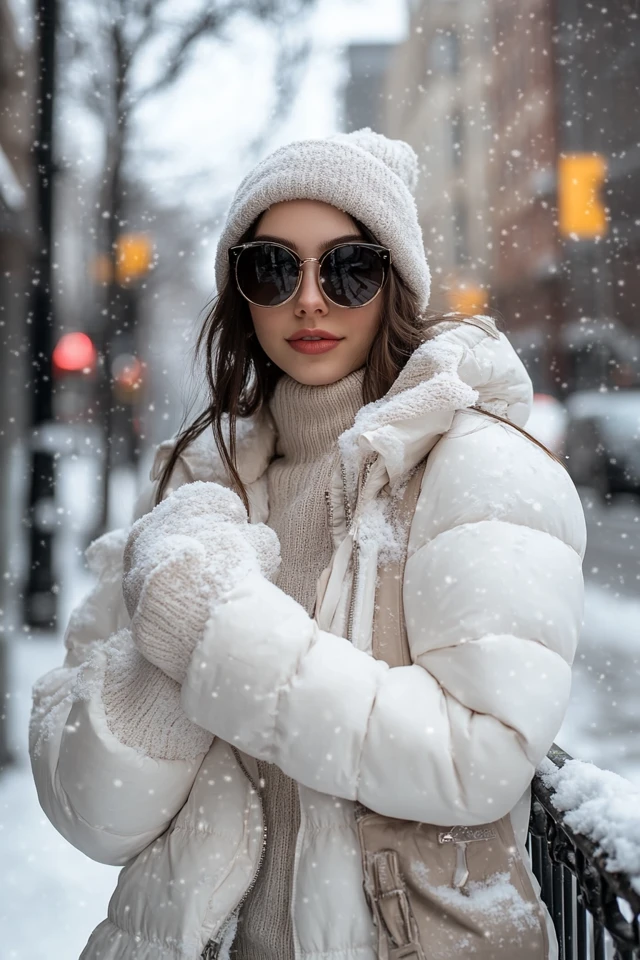
How do you care for puffer gloves?
- Spot clean with a damp cloth and mild soap, and check the care label first.
- Let them air dry fully after snow or rain. Heat can damage the insulation, so avoid direct heaters.
- If the padding flattens, fluff it by hand. Some care labels allow a no-heat tumble with clean tennis balls, so confirm before trying it.
- Store them dry in the off-season, ideally in a breathable bag, to prevent musty smells.
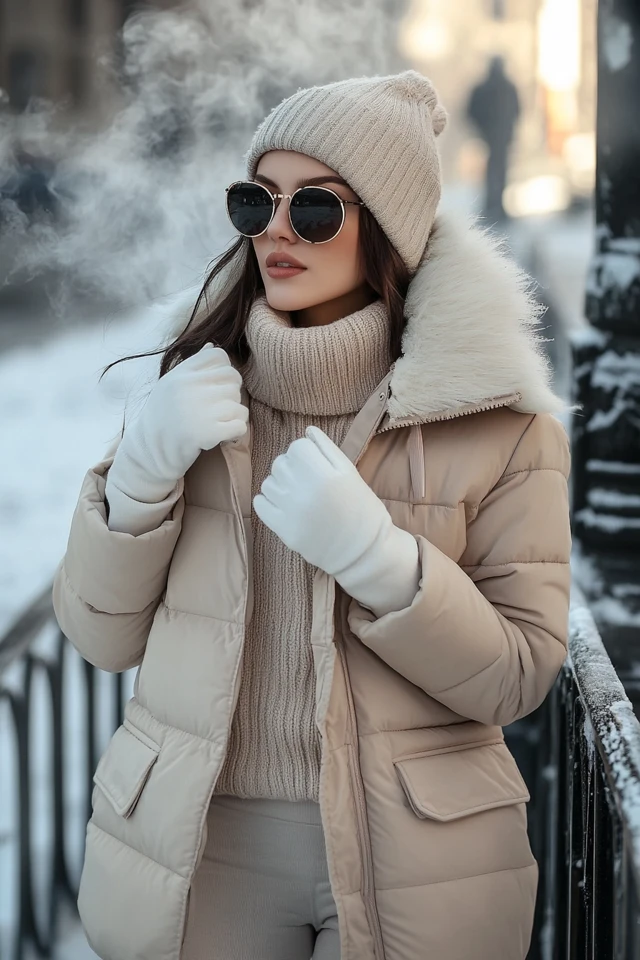
For extra warmth on the coldest days, slip a reusable hand warmer inside the glove, and pair the set with an insulated hat with ear flaps.
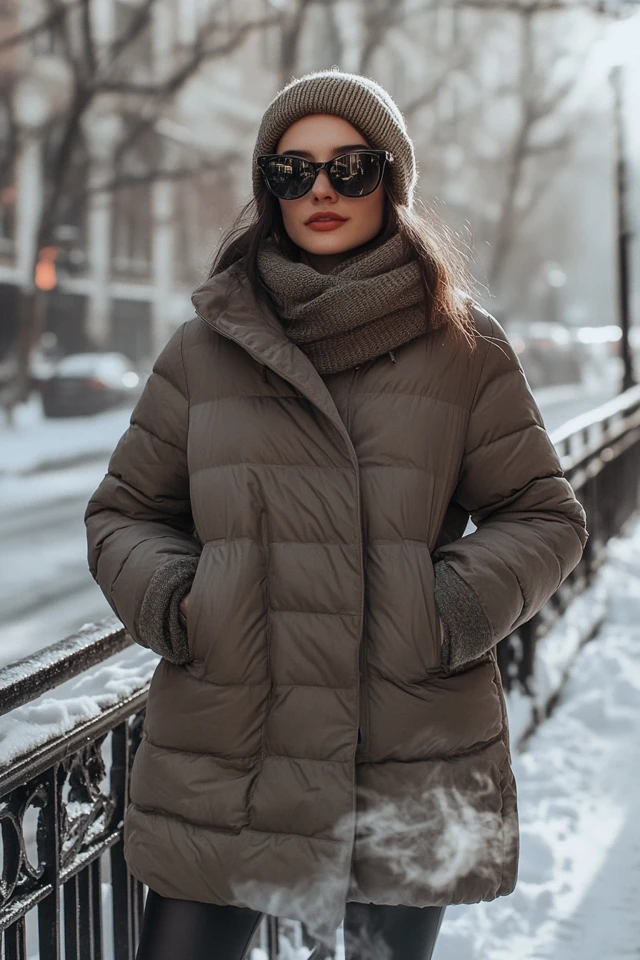
Frequently asked questions
Are puffer gloves warm enough for extreme cold?
Well-insulated puffer gloves handle most icy commutes. For very low temperatures, look for the maker's stated temperature range and consider a thin liner underneath.
Can you wear puffer gloves in wet weather?
Many are water-resistant and fine for snow or light rain. In heavy rain or slush, choose gloves labeled waterproof and let them dry fully afterward.
Do touchscreen fingertips actually work?
They can, but sensitivity varies a lot between pairs. Try the thumb and index finger on your phone before buying if you can.
How do you keep puffer gloves from losing their shape?
Avoid over-washing, dry them completely and store them uncrushed. Fluff the padding by hand when it flattens.
Filed under Weather Style