Best Beanies for Winter: Warm Picks With Ear Coverage
- Words by
- Julio Arco
- Published
- Reading
- 5 min
The warmest beanie is a snug, double-layer knit with a fleece or soft thermal lining that also covers your ears. Wool or a wool blend on the outside, fleece against the skin, and a band that reaches below the ear tops will handle most frosty mornings.
Are beanies good for winter? Yes, as long as they cover your ears and fit close to your head. A thin, loose beanie that leaves ears exposed is the usual reason people feel cold in one.
What kind of beanie is warmest?
Look at three things: the material, the number of layers and how far the hat reaches. A single layer of loose knit lets wind pass straight through. Two layers, or a knit with a lining, trap a pocket of air around your head.
Fleece lined beanie
A fleece lined beanie is the easiest warm option. The outer knit gives shape and a bit of wind resistance, and the fleece feels soft against the forehead and ears. It suits most people and most commutes. If you run hot, pick a thinner lining.
Wool and wool blends
Wool is warm and handles a little dampness better than cotton. A wool blend with some acrylic or nylon is often less itchy and holds its shape better. If wool bothers your forehead, a lining solves it.
Thermal beanie hats
Thermal beanie hats usually use a brushed or ribbed inner layer that holds warmth close. They are thin enough to fit under a hood or helmet, which makes them a good pick for sporty mornings. Check the label for the actual fabric, since "thermal" is a style word, not a standard.
Cotton: skip it for cold, active days
Cotton soaks up moisture and keeps it close to you. Texas A&M's Howdy Health advises avoiding cotton in cold weather because it absorbs moisture and can keep it next to your skin, which makes you cold. The same logic applies to a hat if you sweat on a brisk walk or run.
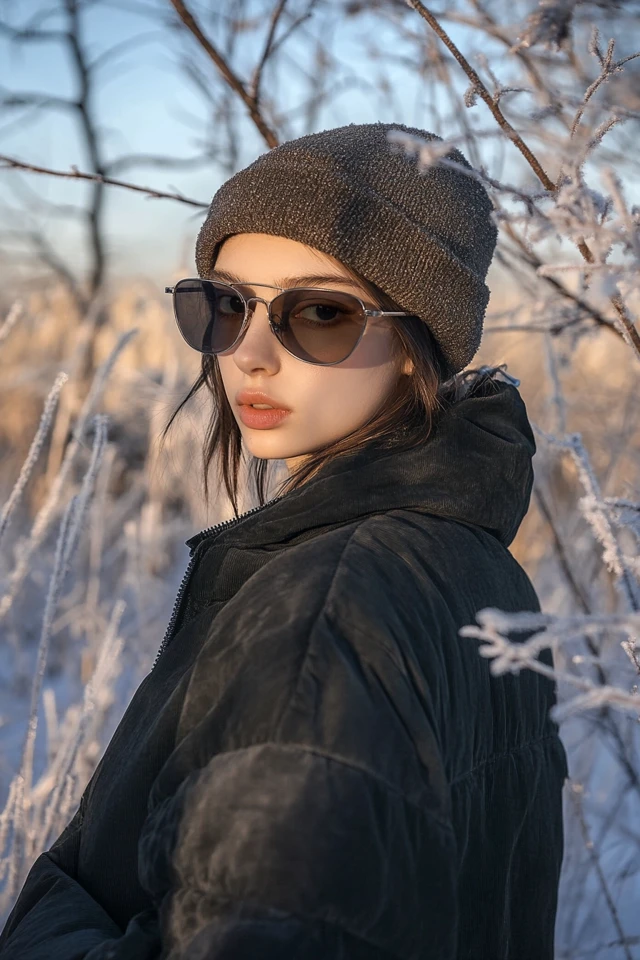
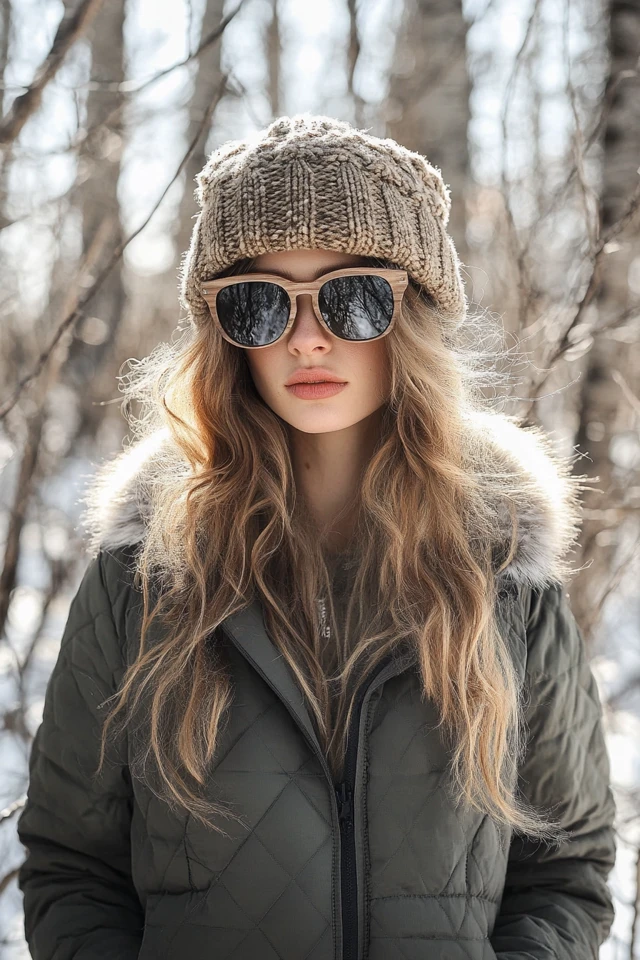
Which beanie is best for winter: ear covers, flaps or a plain beanie?
If your ears get cold first, choose a hat built for them. Your options are a deep beanie that pulls down over the ears, a style with built-in ear flaps, or a trapper shape with a fleece-lined flap and optional chin tie.
- A deep, lined beanie is the most low-key and works with a tailored coat.
- Ear flaps add real coverage in wind and sit well with a puffer or parka.
- A trapper hat is the warmest of the three, though it is bulkier under a hood.
If you want a lighter option for mild days, a separate band is another route. I cover that in fluffy ear warmers for winter style, and for the heavier end, see insulated hats with ear flaps for icy winter weather.
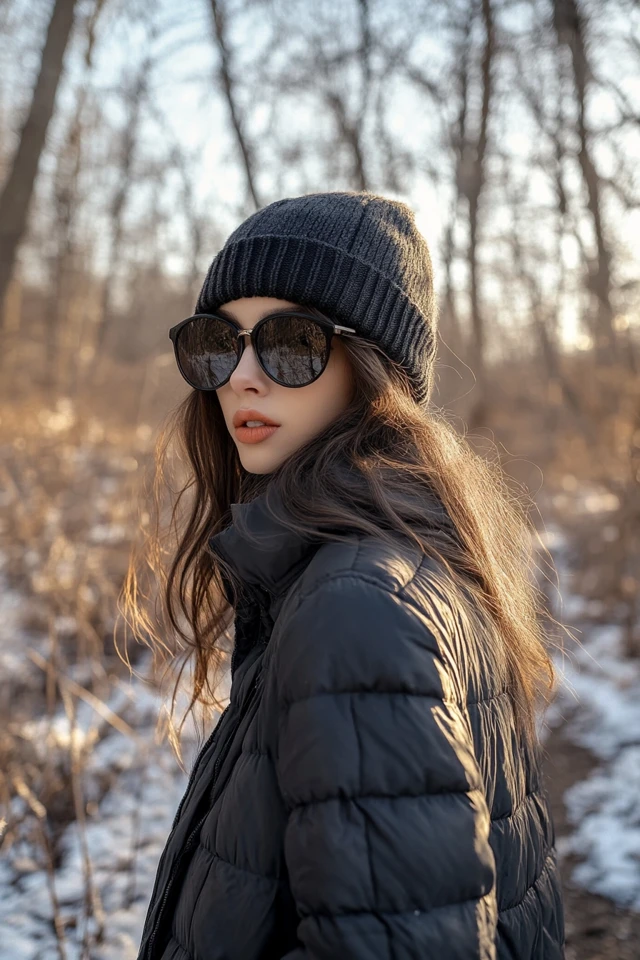
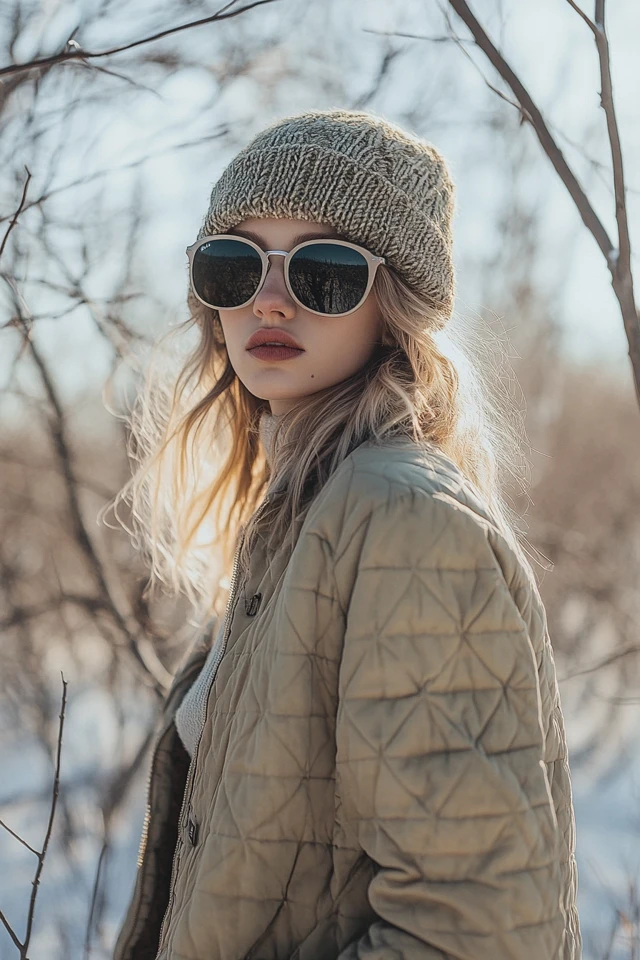
Winter beanies for men and women: does the cut differ?
The warmth comes from fabric and fit, not from the label. Winter beanies for men are often cut a little deeper and in darker neutrals, while beanies for winter women's collections lean toward slouchier shapes, pom-poms and lighter colors. Both work for anyone. Choose by head size and how much coverage you want.
If you have long hair or a ponytail, a slightly slouchy or roomy crown keeps the hat from pressing hair flat and leaves room for it. If you have short hair, a close, ribbed fit holds better in wind.
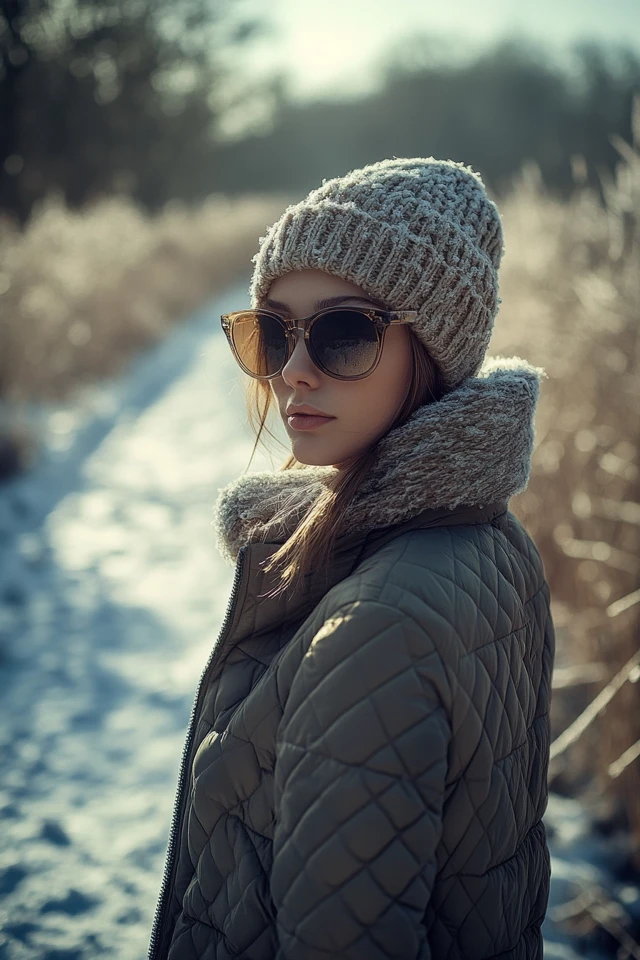
How should a winter beanie fit?
Snug, not tight. The band should sit just above your eyebrows and cover the tops of your ears with a little overlap. If it leaves a deep red line on your forehead, size up or choose a stretchier knit. If it lifts off in wind, go smaller or add a chin tie.
A beanie that slips or pinches is a fit problem, not a you problem. Many knits also stretch with wear, so a hat that feels slightly firm in the shop often settles in.
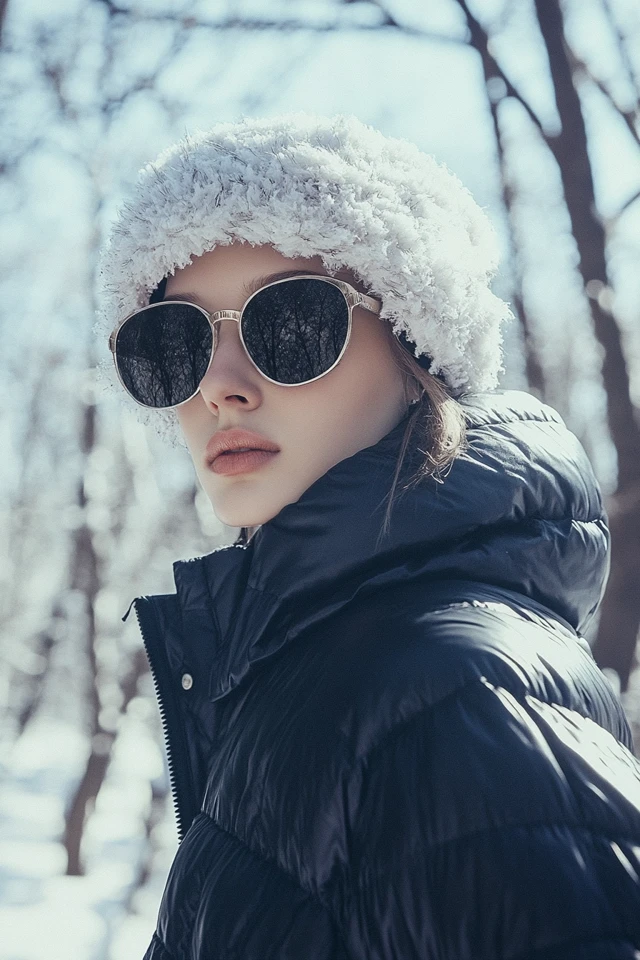
How to style a warm beanie so it still looks put together
Through the lens of evidence-based design, I'd treat texture as the first thing the eye reads on a hat. A chunky knit looks casual and soft, while a fine rib looks sharper, even in the same color.
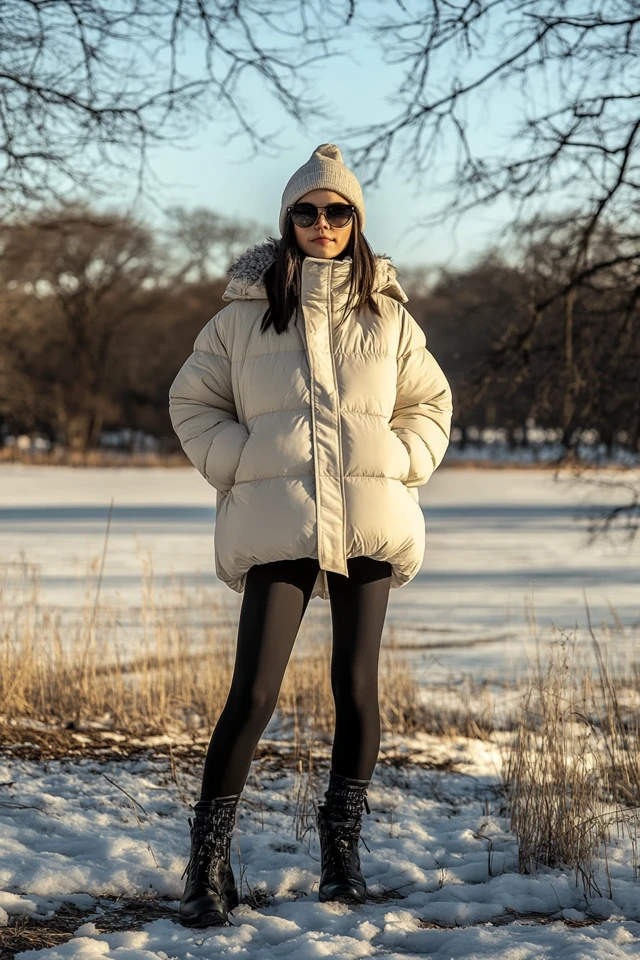
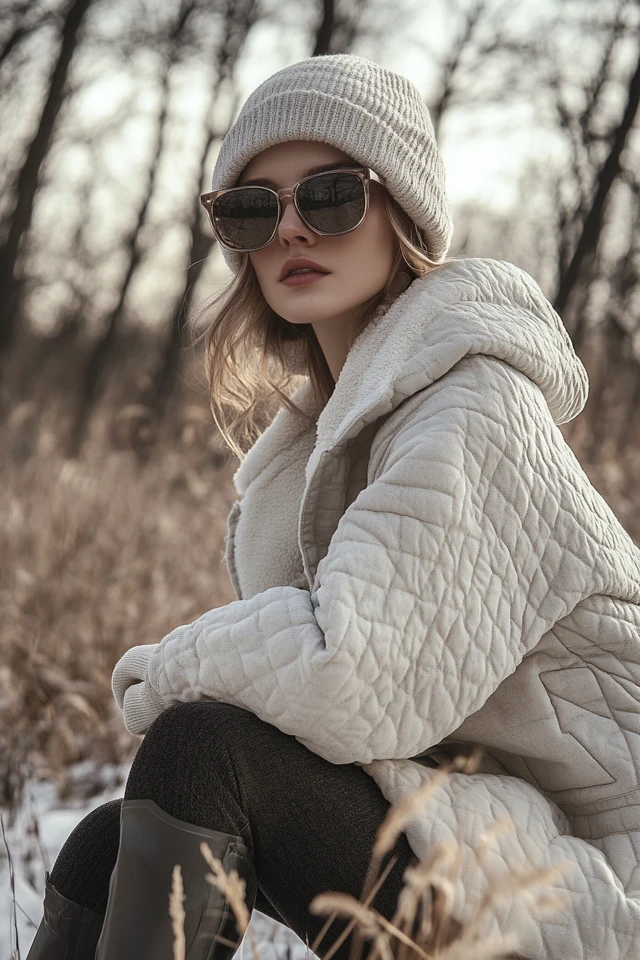
- Casual: a fleece-lined beanie with a puffer jacket, jeans and waterproof boots.
- Sporty: a thin thermal beanie with a moisture-wicking top layer, as Howdy Health suggests for the layer closest to your skin, and leggings.
- Polished: a fine wool-blend beanie in black, gray or navy with a tailored coat and leather boots.
Neutrals match nearly everything. If you want color, keep the rest of the outfit quiet and let the hat be the one bright piece. A layered wool coat or an oversized sweater pairs well with a simple knit.
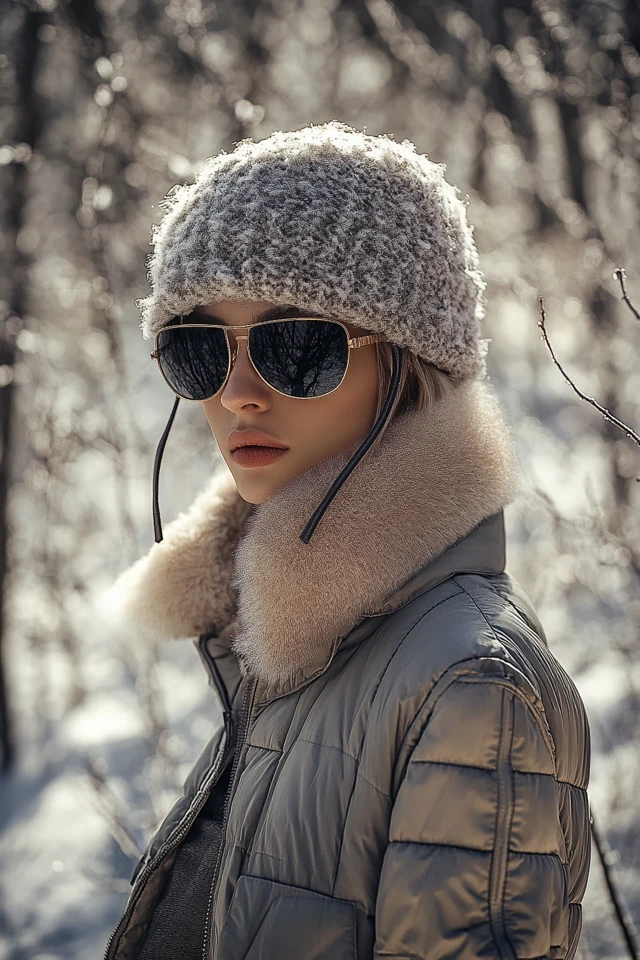
How to care for a thermal hat
Follow the care label first. Wool and fleece usually do best washed gently by hand with mild detergent. Dry the hat flat, away from direct heat, since a dryer can shrink knits. A fabric shaver or lint roller keeps pilling in check, and a dry spot in the closet prevents musty smells in the off-season.
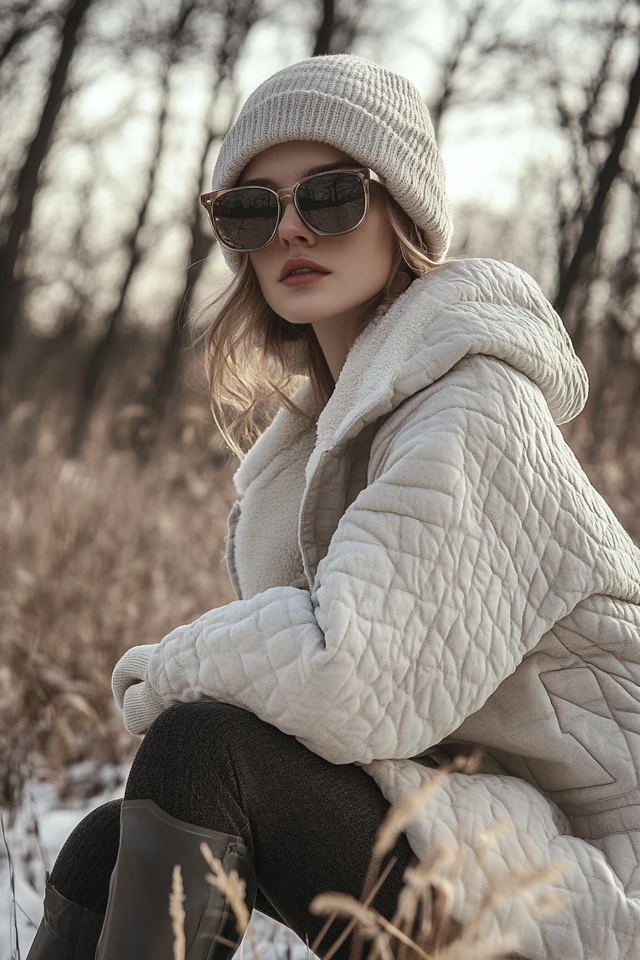
For wet, misty days, a hat with a water-repellent outer is worth a look: see water-repellent hats for misty mornings.
Frequently asked questions
What is the best beanie to keep warm in winter?
A fleece-lined wool-blend beanie that covers your ears is the safest pick. The lining adds warmth against your skin and the wool blend blocks some wind.
Can I wear a thermal hat under a helmet?
Slim, low-profile thermal beanies often fit under a helmet, but bulky trapper styles usually do not. Try it on with your helmet before relying on it.
How do I stop my beanie from slipping in the wind?
Choose a slightly smaller size, a ribbed knit that grips, or a style with a chin tie. Pulling the band down over your ears also helps it stay put.
Are faux fur ear flaps as warm as real fur?
Fleece or faux fur lining can add comfortable insulation, and it is an animal-free option. Check the hat's fabric label for the lining material rather than relying on the product name.
Filed under Weather Style