Insulated Trapper Hats for Extreme Cold Adventures
- Words by
- Julio Arco
- Published
- Reading
- 5 min
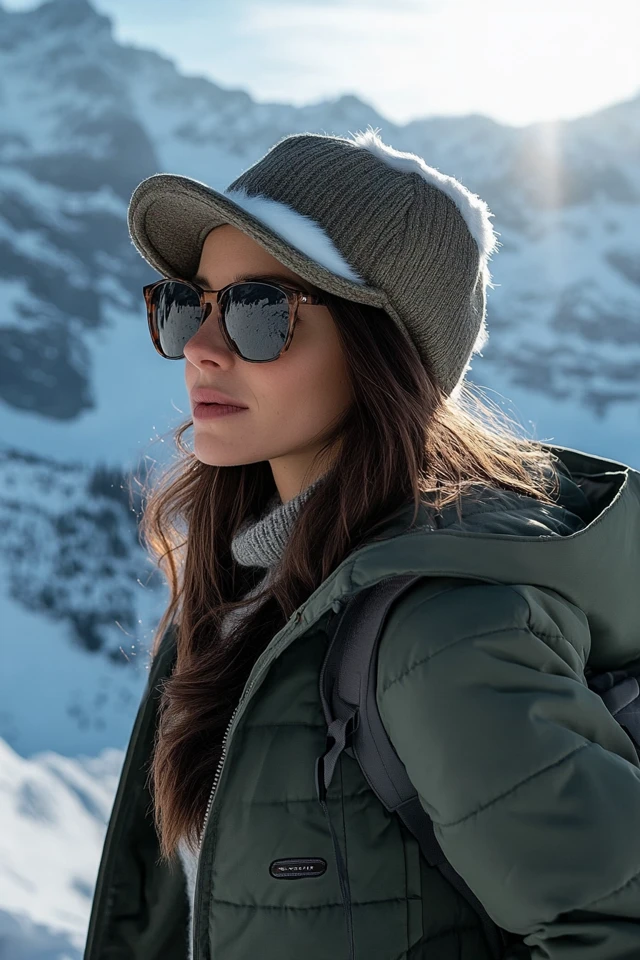
The warmest winter beanie is a snug, double-layer knit with a fleece or thermal lining, long enough to cover your ears. Wool or a wool blend on the outside, soft fleece inside, and a fit that leaves no gaps at the temples will beat a thin single knit every time.
For truly extreme cold, wind and long exposure, a trapper hat with ear flaps and a chin strap goes further than any beanie. Below you'll find how to choose between them, which materials to look for, and how to wear them.
Are beanies good for winter?
Yes, with one condition: the knit has to be dense enough to hold warm air and stop wind. A loose, open-gauge beanie looks cozy but lets a breeze straight through. Hold it up to a window. If you can see a lot of light between the stitches, wind will get through as well.
Coverage matters as much as fabric. A beanie that sits high on the forehead and leaves your ears out is a fashion choice, not a cold-weather one. Pull it down over the ears when the temperature drops.
What kind of beanie is warmest?
Look for three things: a tight knit, a lining, and extra length. A fleece lined beanie traps a layer of air against your head and feels soft on the forehead. Thermal beanie hats usually use a brushed or fleece interior for the same reason.
Rank the materials roughly like this:
- Wool or merino wool: warm, breathable, and it stays comfortable when slightly damp.
- Fleece or fleece-lined knits: very soft, quick to warm up, good for dry cold.
- Acrylic: affordable and easy to wash, though it breathes less than wool.
- Cotton: skip it for real cold.
The cotton warning is practical. Howdy Health at Texas A&M advises avoiding cotton because it absorbs moisture and can keep it next to your skin, which makes you cold. A damp cotton beanie after a brisk walk does exactly that.
Which beanie is best for winter if you're active?
If you run, ski or shovel snow, you'll sweat under your hat. Pick a thinner wool or technical knit that moves moisture away. The same source recommends moisture-wicking layers next to the skin, and that logic applies to a hat worn against your hairline.
For standing around in the cold, such as commuting or watching a game, go heavier: a lined, double-layer knit. Through the lens of evidence-based design, I'd choose the softer, brushed interior here, because a fabric that feels pleasant against the forehead is one you'll actually keep on.
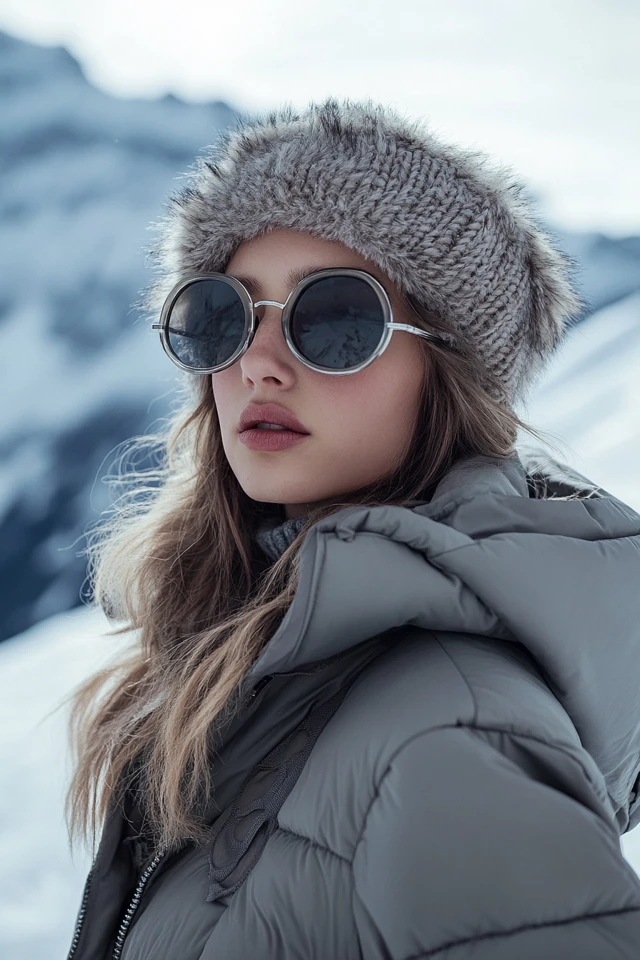
Winter beanies for men and women: does fit differ?
Mostly the difference is sizing and styling, not warmth. Winter beanies for men tend to come in deeper, roomier shapes and darker neutrals. Beanies for winter women's collections often offer more color, pom-poms and slouchier cuts. Ignore the label and choose by head size, depth and lining.
- Snug fit: warmest, holds in place in wind. Best for cold commutes and sport.
- Cuffed fit: the folded brim doubles the fabric over your ears and forehead.
- Slouchy fit: more air space, so slightly less warm, but flattering with longer hair and big scarves.
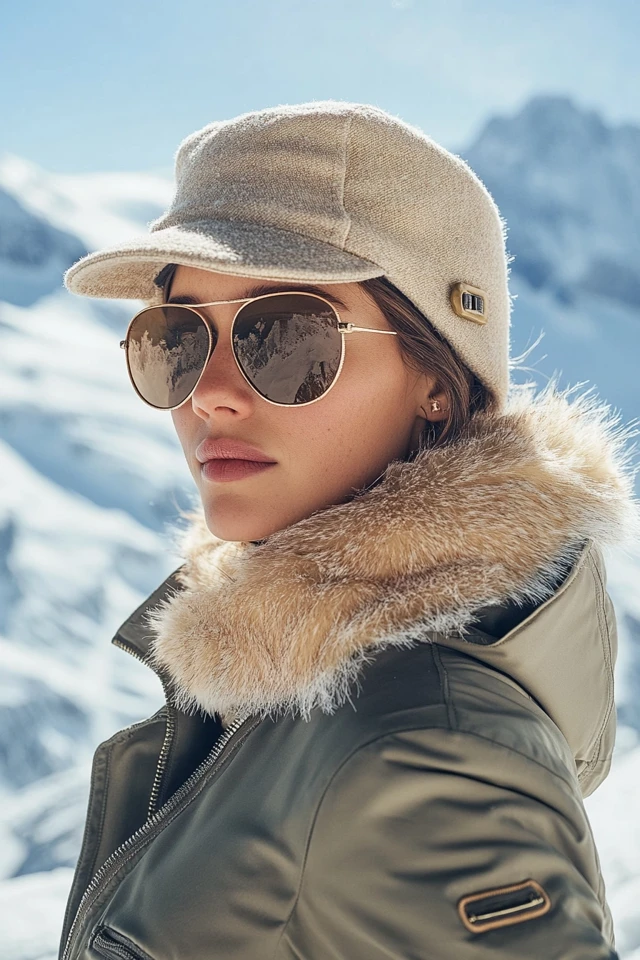
A hat that pulls tight at the temples is a sizing problem, not a you problem. Try the next size up or a stretchier knit before giving up on beanies.
When a trapper hat is the better pick
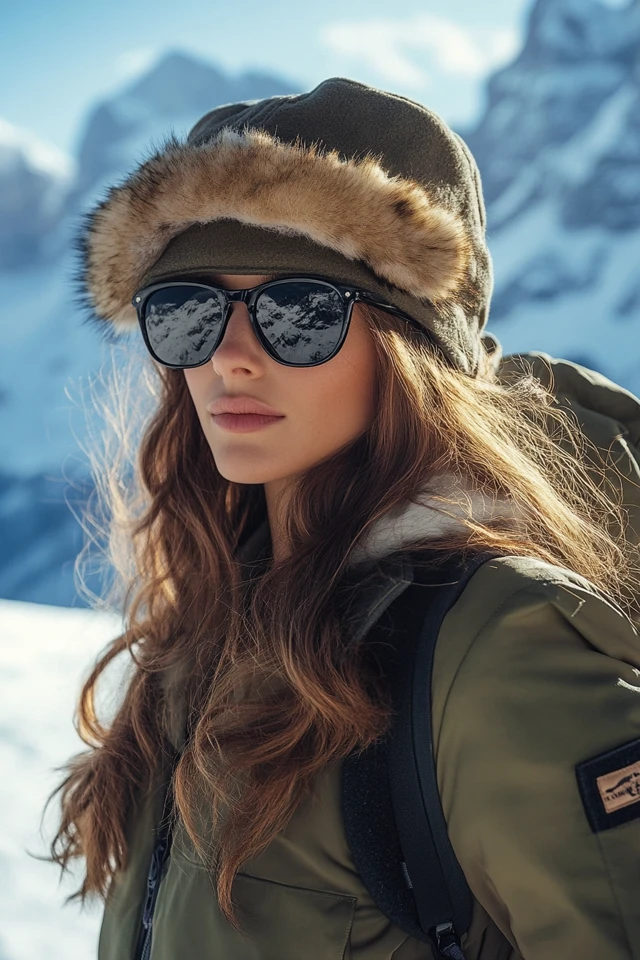
A trapper hat adds flaps for ears and cheeks, a covered nape, and usually a wind-blocking shell with a plush lining of fleece, shearling or faux fur. If you face sharp wind, long hours outside or subzero walks, it covers areas a beanie leaves open. Chin straps or toggles keep it in place when it gusts.
Check the outer shell. Nylon or waterproof fabric sheds snow, while untreated canvas soaks it up. If you want a lighter option with flaps, see insulated hats with ear flaps.
How to style a winter hat
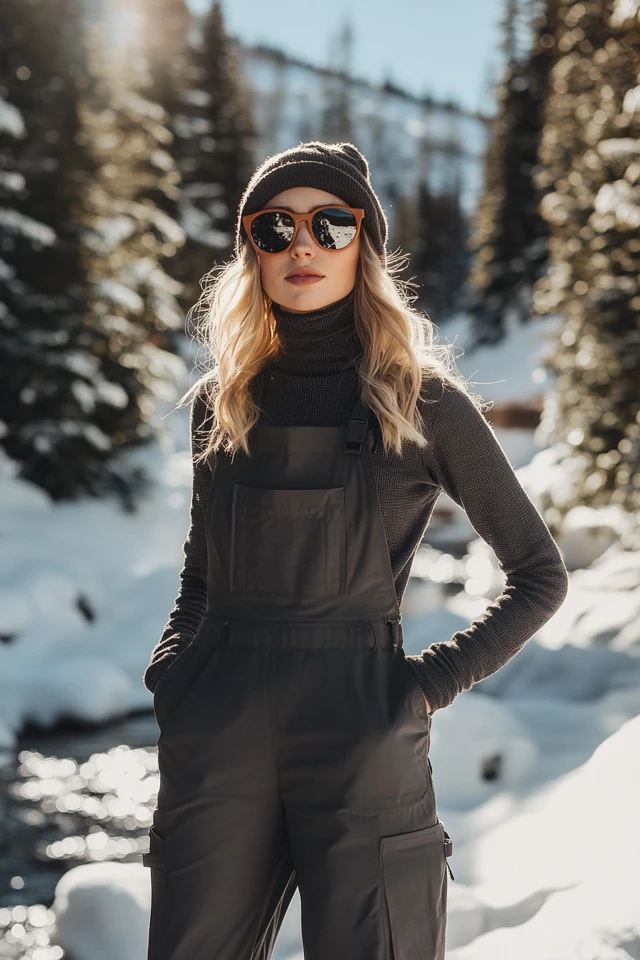
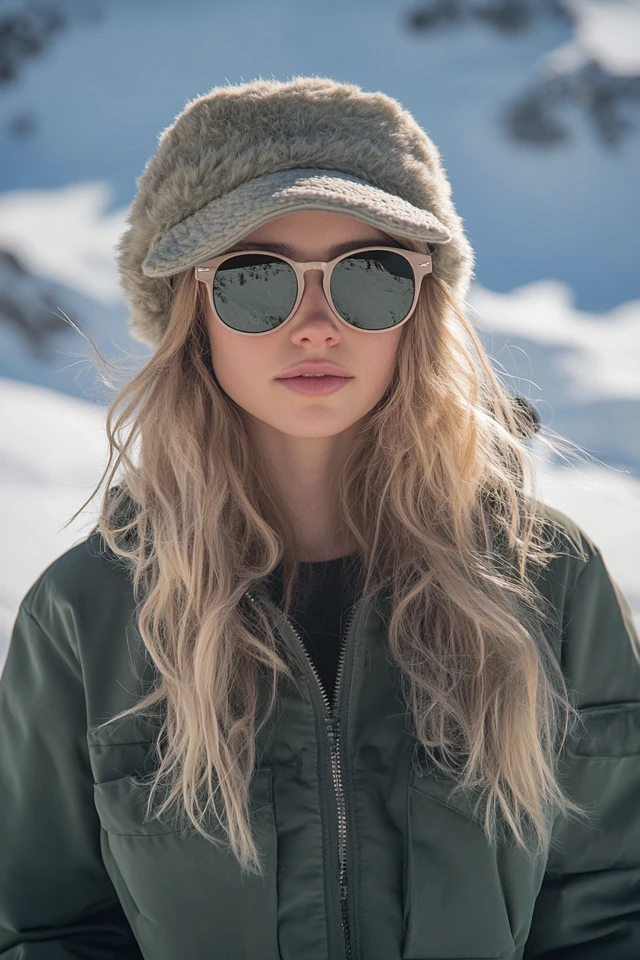
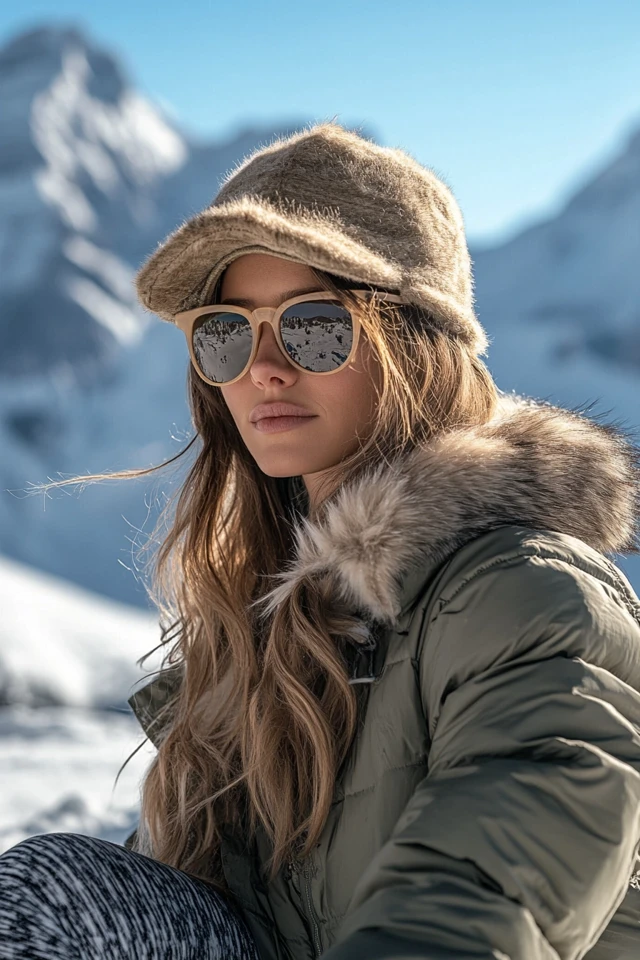
Keep the hat and the outerwear in the same temperature family. A charcoal or oatmeal beanie works with nearly any coat. A bolder knit looks best against a plain coat, so only one piece does the talking.
- Active days: a technical beanie or trapper hat with a shell jacket and warm insulated gloves.
- City days: a fine wool beanie with a tailored overcoat. For something dressier, try stylish wool hats.
- Weekend casual: a chunky cuffed knit with a puffer and boots.
As an architect trained in evidence-based design, I'd treat the hat as the first thing the eye reads near your face. A color that sits well against your skin and hair does more for the outfit than the brand tag.
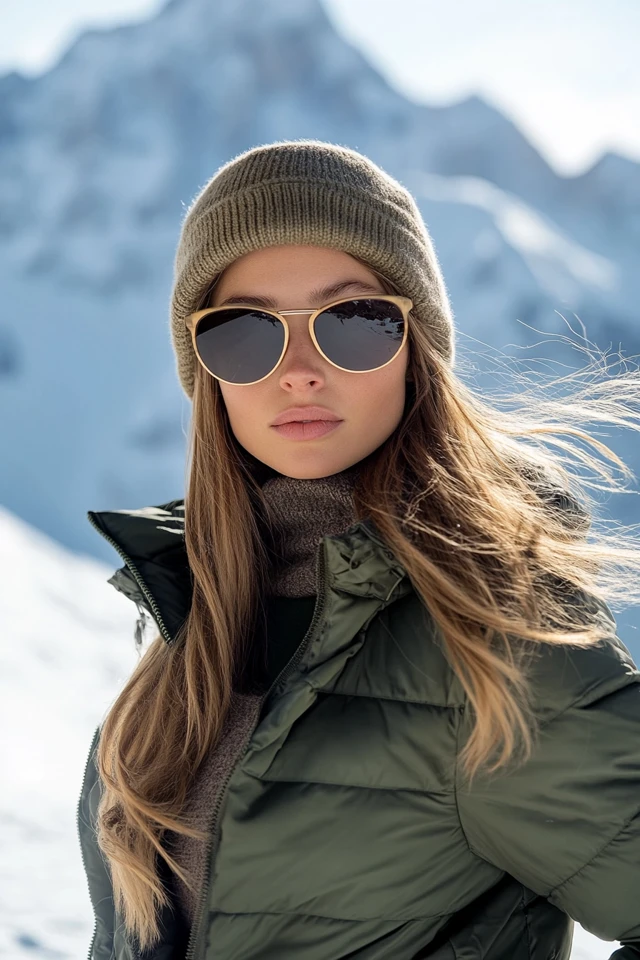
If you prefer something cleaner and simpler, minimalist hats are worth a look.
How to choose and care for the warmest beanie
- Check the fiber: wool or a wool blend outside, fleece or thermal lining inside.
- Check the knit density: little light should pass through.
- Check the coverage: it should reach below the tops of your ears.
- Check the fit: snug without a headache line.
- Check the care label before washing.
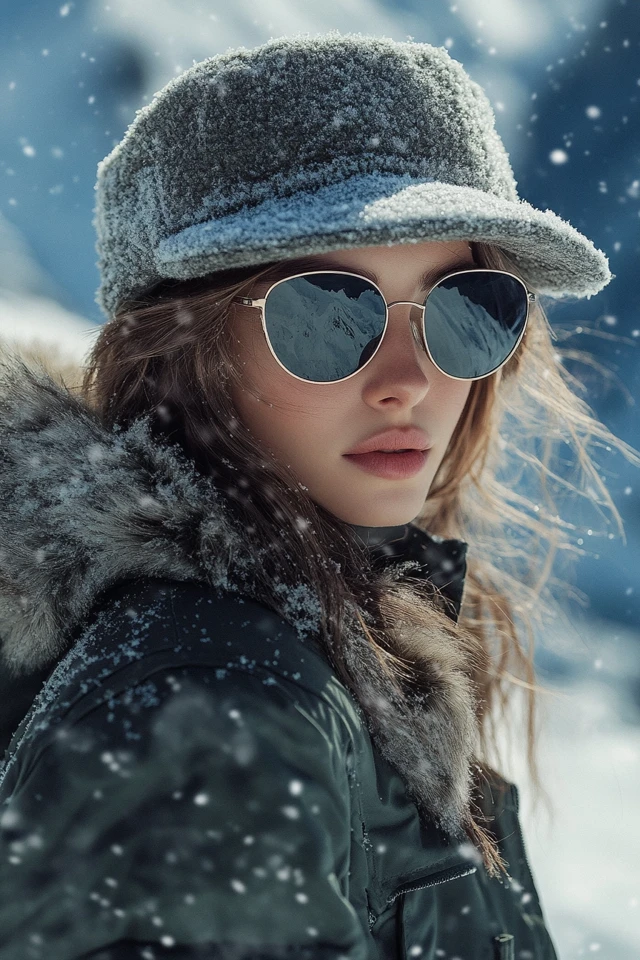
Wool and fleece-lined hats usually last longer if you wipe off dirt, let them air dry fully, and keep them away from direct heat. Store them uncrushed so the shape holds. Layering a hat under a hood also adds warmth, and a good insulated ski jacket pairs well with either style.
Frequently asked questions
What is the best beanie to keep warm in winter?
A snug, double-layer wool or wool-blend beanie with a fleece or thermal lining that covers your ears is the safest choice. Choose a dense knit so wind cannot pass through.
Which beanie is best for winter?
It depends on activity. Pick a lined, thicker knit for standing or commuting, and a thinner wool or technical knit for exercise so sweat does not build up.
Is a fleece-lined beanie warmer than a regular one?
Usually yes, because the lining traps an extra layer of air and blocks wind. It can feel too warm during hard exercise, so choose a lighter knit for that.
Should I wear a beanie over my ears?
Yes, in cold weather pull it down to cover them. Ears lose comfort quickly in wind, so a cuffed or longer beanie helps.
Filed under Weather Style