Long Layered Haircuts: Face-Framing Ideas and How to Ask
- Words by
- Julio Arco
- Published
- Reading
- 4 min
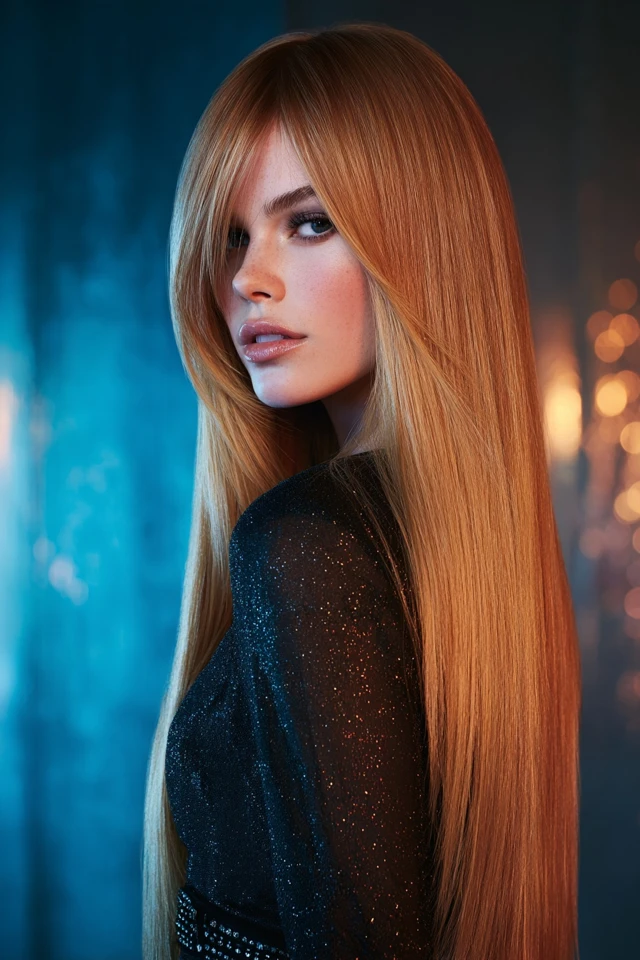
The softest version of long layered haircuts starts with face-framing pieces: the shortest layers begin around the cheekbone or chin and blend into length that falls past the collarbone. They soften the jaw, add movement, and keep your length.
Which layers suit you depends mostly on hair density. Fine hair wants fewer, longer layers. Thick hair can take more shape and some internal thinning. Below are the options, and how to explain them to a stylist.

What are face-framing layers for long hair?
Face-framing layers are the shortest sections of the cut, placed around your face. They start at a point you choose (cheekbone, lips, chin) and graduate into the rest of the length. Where they start changes what the eye reads first.
- Cheekbone start: draws attention up and adds lift near the eyes.
- Chin start: softens a strong jaw or a longer face without a visible shortcut.
- Collarbone start: the most subtle, close to a plain long cut with a gentle curve.
Through the lens of evidence-based design, I'd treat the point where the layer starts as the first thing the eye lands on. A line that ends at the cheekbone points there; one that ends at the chin points to the jaw.
How do long layered haircuts work with curtain bangs?
Curtain bangs part in the middle and sweep to each side, so they blend into face-framing layers instead of ending in a hard line. They are a good bridge if you want a fringe without a commitment: as they grow, they simply become the shortest layers.
If you are weighing this option, ask for bangs that start at the cheekbone and connect to your first layer. Long layered haircuts with curtain bangs suit most face shapes, but cowlicks at the front hairline can make them lift or split, so mention yours before the first cut.

Which layers work for thin hair?
For long layered haircuts for thin hair, keep the perimeter blunt and the layers long and few. A strong blunt bottom edge makes the ends look fuller, and too many short layers can leave the ends see-through.
- Ask for two or three long layers, not a stack of short ones.
- Put the shortest piece at the chin or lower.
- Skip heavy thinning shears.
Which layers work for thick hair?
Thick hair is where long layered haircuts for thick hair earn their keep. Layers remove bulk, so the hair swings instead of sitting in a triangle. Start layers around the cheekbone or lower, and ask for the weight to be taken out through the mid-lengths while the ends stay full enough to look intentional.
For a lighter finish with less visible shape, see long invisible layers. If you want a more defined silhouette, a V-shape and a U-shape change how the back falls.

What about straight, wavy and curly hair?
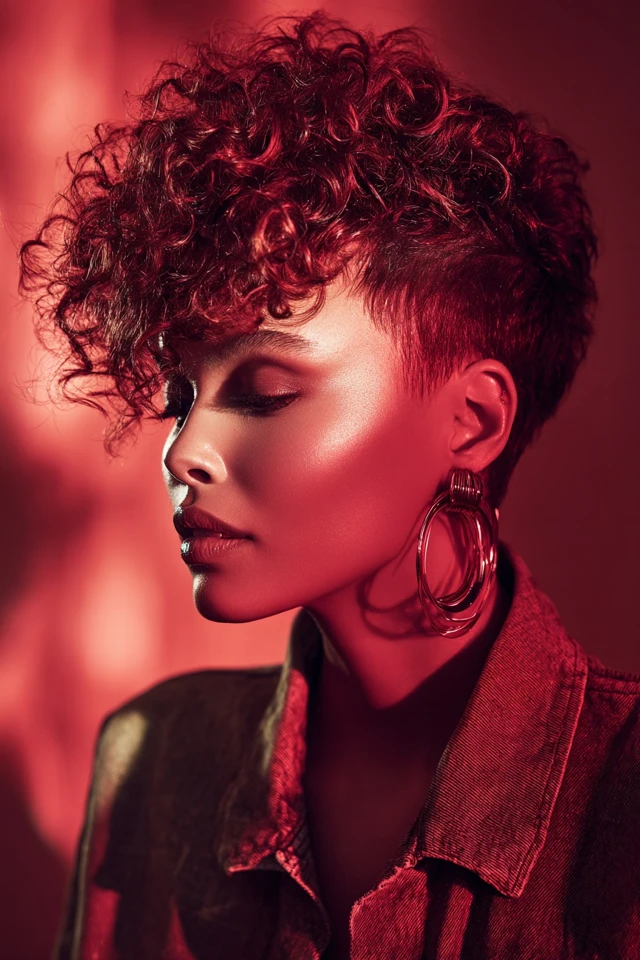
With a layer cut for long hair straight, layers show clearly, so the shape of the cut matters more than the styling. Wavy hair forgives more and gains movement. Curly hair needs layers cut with the curl pattern in mind, so a stylist who works with curls is worth the search. Our guide to long curly cuts covers that.
Whatever your texture, a leave-in helps layers behave. Board-certified dermatologist Zoe D. Draelos, MD, FAAD, says of leave-in conditioner in the American Academy of Dermatology's leave-in tips: "You should see less frizz. Your hair should be easier to brush or comb, so you'll have less breakage."
Do layers make you look younger?
Not automatically. Layers add movement and lift, and that can read as lighter and fresher, but the effect comes from how the cut fits your hair. Overdone short layers on fine hair can look stringy, which does the opposite. Soft face-framing pieces around the cheekbone are the safest route.
How to ask your stylist
- Bring two or three photos, ideally on hair like yours.
- Say where the shortest layer should land: cheekbone, lips or chin.
- State your density: fine, medium or thick.
- Say how much you style. If you air dry, mention it; a cut designed for air drying is shaped differently.
- Ask how often to trim. Many people keep layers neat with a trim every couple of months, but your stylist knows your growth rate.

Keeping layers looking soft
Detangle wet hair gently: the American Academy of Dermatology advises using a wide-tooth comb instead of a brush on wet hair, because hair is delicate when wet. If you use a flat iron to polish the front pieces, the AAD says to use it on dry hair on a low or medium heat setting, no more often than every other day.
For more volume at the roots, try a long blowout, and if you want less daily work, the low-maintenance plan is a good next read.
Frequently asked questions
Which layer cut is best for long hair?
Soft face-framing layers starting at the cheekbone or chin suit most people, since they add movement without sacrificing length. Fine hair does better with fewer, longer layers.
Do layers make you look older or younger?
Neither by default. Well-placed layers add lift and movement, which often reads as fresher, while choppy short layers on fine hair can look thin.
What is the most popular layered haircut?
Long layers with face-framing pieces, often paired with curtain bangs, are among the most requested because they are easy to grow out and style.
Can I get layers if my hair is very fine?
Yes, but keep them long and few, and keep the bottom edge blunt so the ends do not look sparse.
Filed under Haircuts