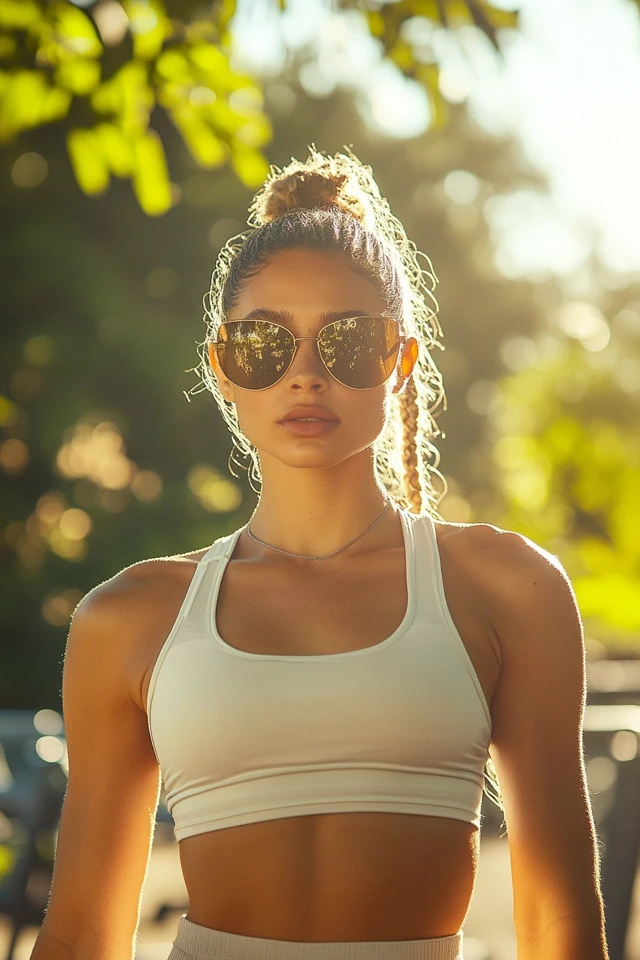
Hot Weather Activewear: What to Wear for Sweaty Workouts
- Words by
- Julio Arco
- Published
- Reading
- 5 min
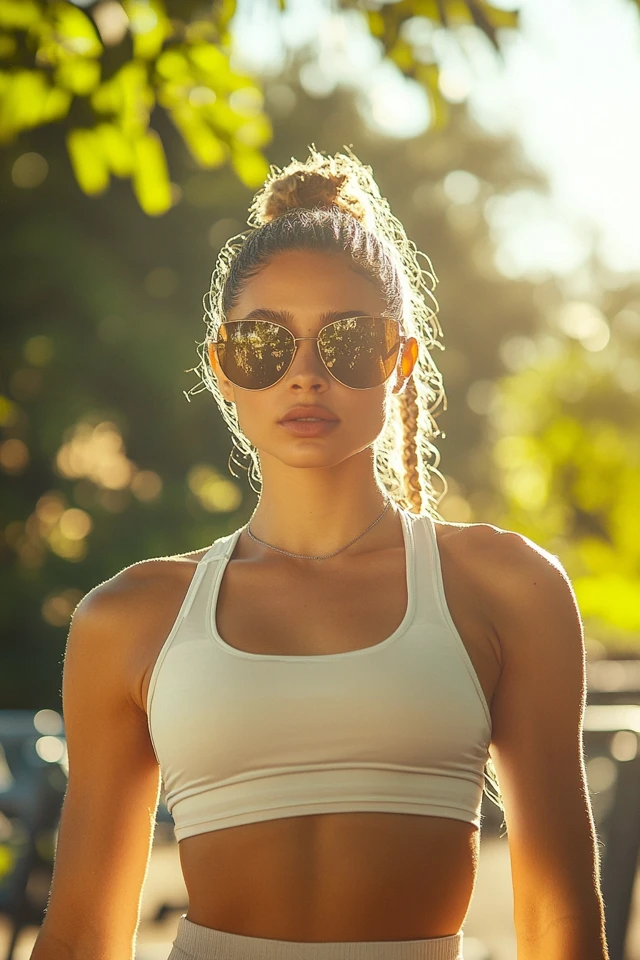
For a hot workout, wear a lightweight, loose-to-athletic tank in a synthetic knit made to move sweat, such as polyester or nylon with a little spandex. Pair it with short, lightweight bottoms. A tank is usually the best starting point because it leaves your shoulders and arms open to air.
The rest of this page covers what makes a fabric work, how a tank should fit, how to handle sun, and how to keep the pieces working wash after wash.
What makes a tank good for hot workouts?
Moisture-wicking fabric pulls sweat away from your skin and spreads it across the outer surface, where it can evaporate. That is the whole trick, and it is why moisture-wicking workout clothes for heat feel drier than a damp cotton tee. Texas A&M's Howdy Health advises that the layer closest to your skin should be made of moisture wicking materials that draw sweat away from your skin. That advice is written for cold weather, but the mechanism is the same in heat.
Look for knits that feel light and slightly slick, and for mesh panels across the back or under the arms. A thin, open knit lets air move through, and a dense, heavy knit holds heat against you.
Which fabrics are the coolest in hot weather?
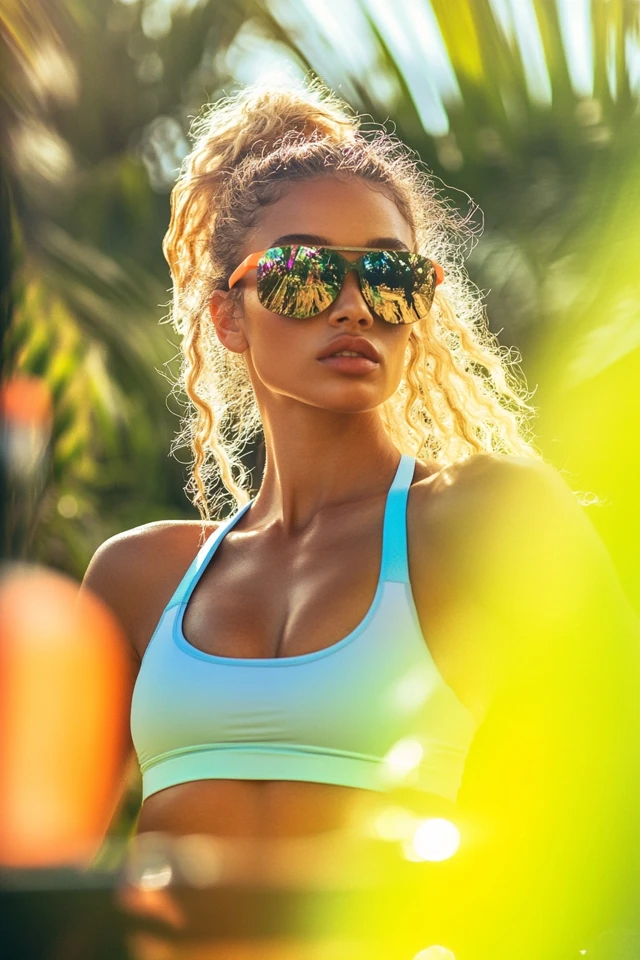
For the gym or a run, synthetics built to wick are the best workout clothes for hot weather. For the coolest clothing to wear in hot weather when you are not exercising, linen is a strong pick. Georgia Tech's News Center explains that cotton's moisture vapor transmission rate is lower than linen's, meaning it doesn't dry as quickly.
That is also why cotton is a poor workout choice. It soaks up sweat and stays damp, so it feels heavy and clingy. Howdy Health says to avoid cotton because it absorbs moisture and can keep it next to your skin. In heat that mostly means sticky and heavy, and a cotton tee is fine for the walk to the gym but not for the session itself.
Should a hot-weather tank be loose or fitted?
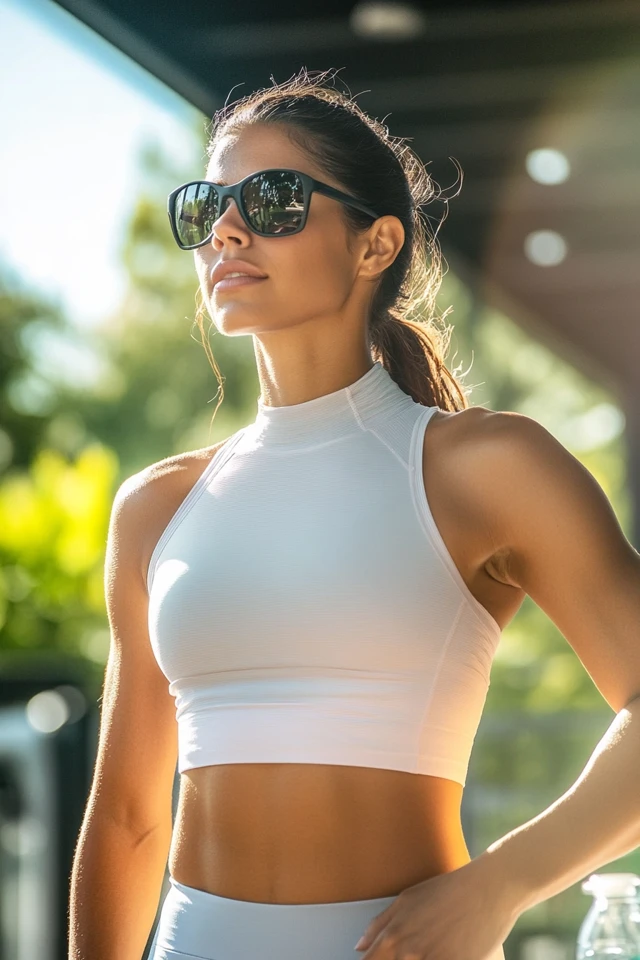
Both work, for different jobs. A fitted tank stays put during fast movement and keeps wicking fabric in contact with your skin, which suits running, HIIT and lifting. A looser tank lets air circulate, which suits slower sessions, walking and yoga.
If you overheat easily, try a relaxed fit in a thin knit with a racerback or open back. Through the lens of evidence-based design, I'd also choose a lighter shade for outdoor sessions, since a pale surface usually reads as cooler to the eye and to the person wearing it. Treat that as a perceptual preference, not a guarantee of lower body temperature.
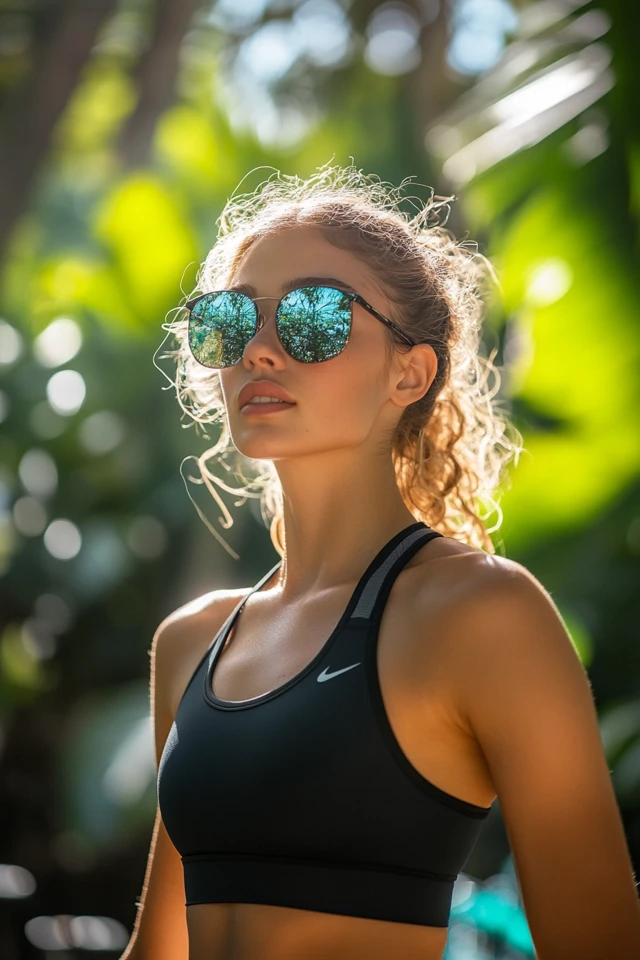
What to wear when it's 90 degrees
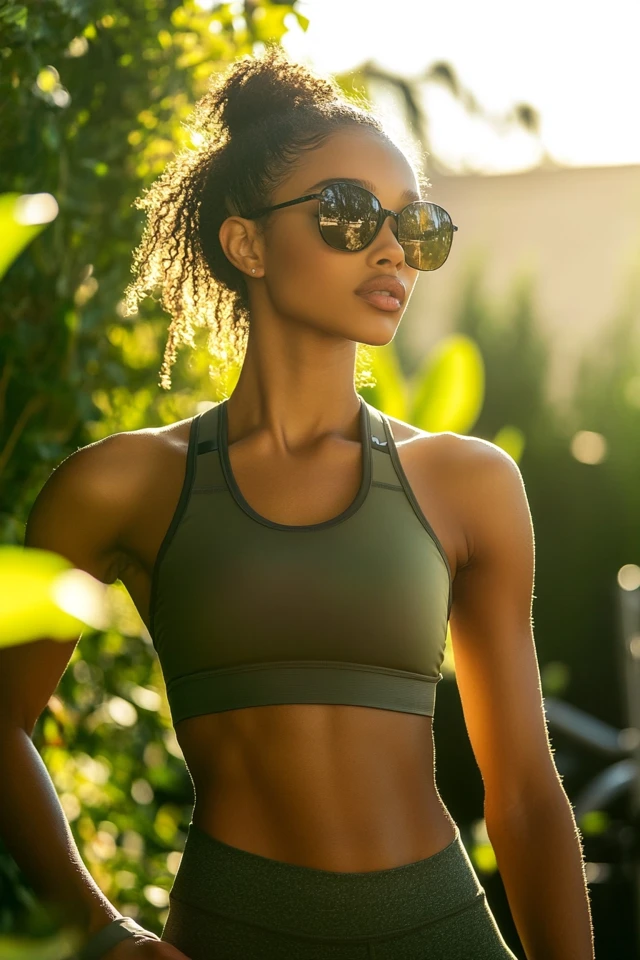
At 90 degrees, keep it simple and light:
- A wicking tank in a thin knit, loose or athletic depending on the workout.
- Short bottoms such as running shorts or biker shorts, with a built-in liner if you want less chafing.
- Low-cut or no-show socks in a synthetic blend.
- A cap or visor for outdoor sessions.
If you are heading out for a longer outdoor session, the same ideas apply to our notes on breathable activewear for sunny hikes. For the hottest days, wicking tank tops for scorching heat days and cooling performance tees are good places to compare options.
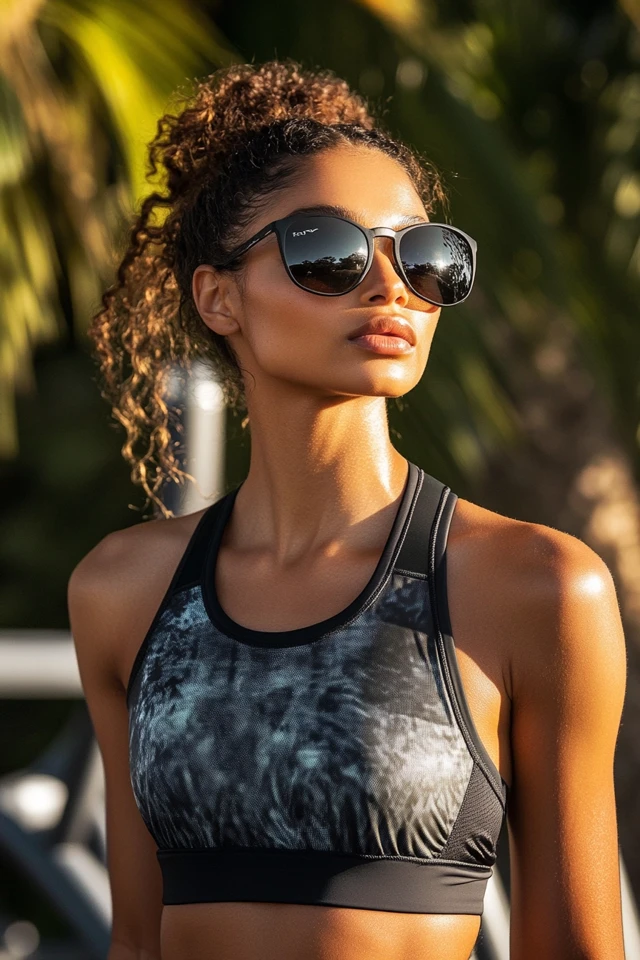
Best gym clothes for people who overheat
If you run hot, fabric and cut matter more than any label claim. Choose thin knits, mesh ventilation, and as few layers as you can get away with. Skip anything with a thick waistband or a heavy lining in the torso, because those trap heat where you generate the most of it.
Built-in bras are fine for light to medium support, but for high-impact work a separate sports bra gives better support, and a plain tank over it lets air reach more of your torso. If you want a matching look, breathable activewear sets for gym sessions keep the fabrics consistent.
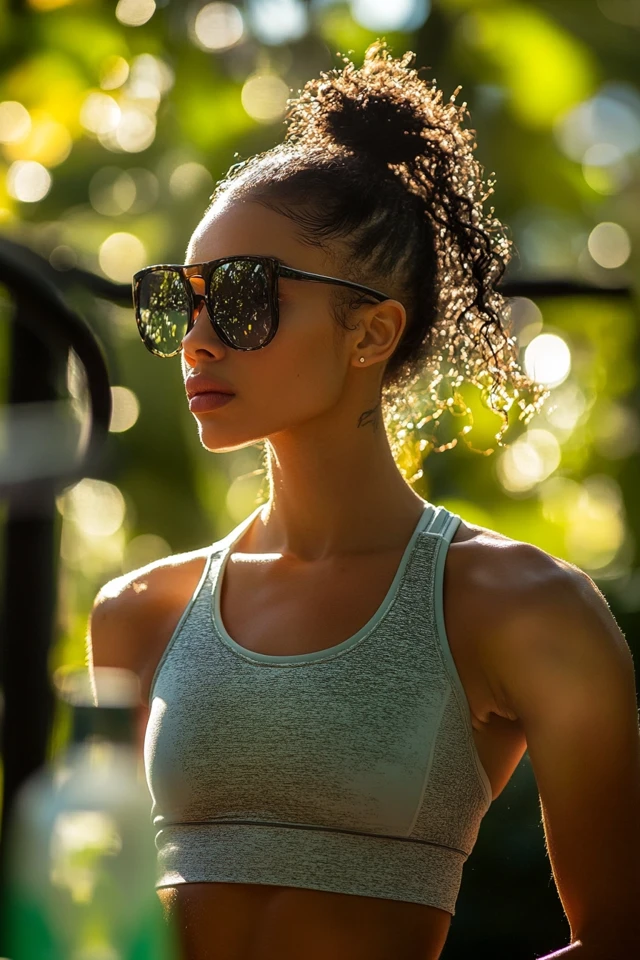
Do you need sun protection in your workout clothes?
For outdoor sessions, a tank leaves a lot of skin exposed, so plan for sun. The Skin Cancer Foundation says that a UPF of 30 to 49 offers very good protection, while UPF 50+ offers excellent protection. A UPF-rated tank covers the skin it sits on, so sunscreen still has to handle your shoulders and arms.
For your face and scalp, dermatologist Anna L. Chien, MD, of Johns Hopkins University School of Medicine says, "A hat with a 3-inch brim protects the top of your scalp, ears and face." For questions about skin, check with a dermatologist.
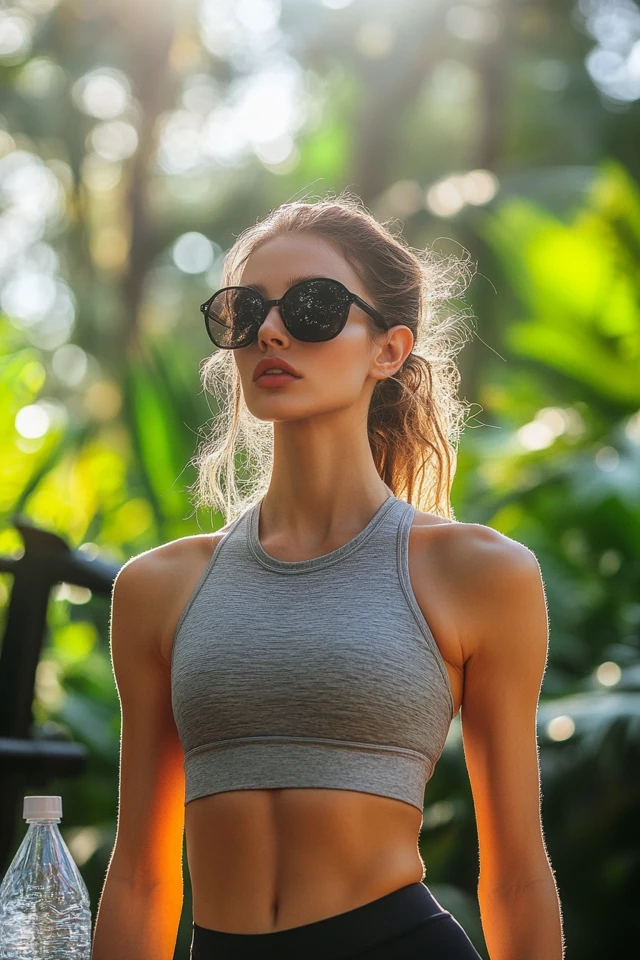
How to care for wicking tanks
Care affects performance, so a few habits are worth keeping:
- Wash soon after each workout so sweat and odor do not set in.
- Use cool or cold water and check the care label.
- Skip fabric softener, which can coat fibers and make the fabric less able to move moisture.
- Air dry when you can, since high dryer heat can wear down stretch fibers.
For off-duty days, a loose tank like the ones in loose tanks for poolside lounging in the heat is a comfortable way to stay cool without technical fabric.
Frequently asked questions
What is the best clothing to wear in extreme heat?
Light, loose or lightly fitted pieces in thin, breathable fabric, plus a hat or visor outdoors. For exercise, choose wicking synthetics over cotton and lower your intensity or move indoors if you feel unwell.
What is the coolest clothing to wear in hot weather?
For everyday wear, linen and other light, open weaves feel coolest. For workouts, a thin wicking tank in polyester or nylon blend usually works better because it dries faster.
What are the best gym clothes for people who overheat and sweat?
A thin wicking tank with mesh or open-back ventilation, short bottoms, and as few layers as possible. Avoid heavy waistbands and thick linings that trap heat.
How do I know if a tank is truly moisture-wicking?
Check the label and product description for polyester, nylon or spandex blends and wording like moisture-wicking or quick-drying. A damp tank that dries fast during a workout is a good sign.
Filed under Weather Style