Hot Weather Activewear: Wicking Tank Tops That Work
- Words by
- Julio Arco
- Published
- Reading
- 4 min
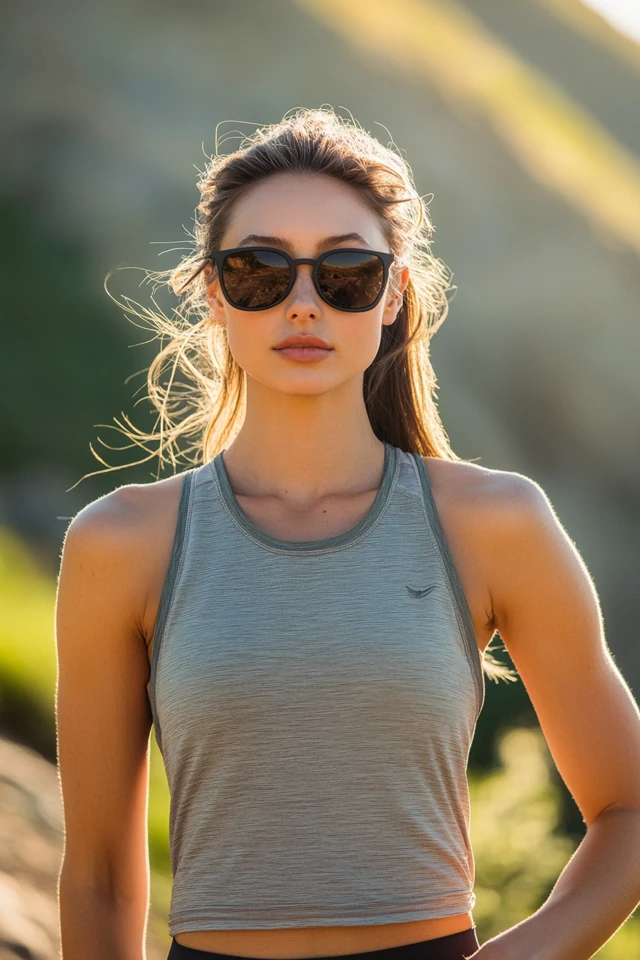
For hot weather activewear, a lightweight synthetic tank (polyester or nylon) with a loose-to-athletic fit and some mesh or an open back is the safest pick. It moves sweat off your skin and dries quickly, so you stay drier than in a cotton tee.
Below: what makes a tank cool, how to choose the fit, what to wear on a 90-degree day, and a few outfits that work beyond the gym.
Why do wicking tanks feel cooler than cotton?
Wicking fabrics pull sweat away from the skin and spread it across the surface of the cloth, where it evaporates. Cotton holds moisture instead. Georgia Tech's news center notes that cotton's moisture vapor transmission rate is lower than linen's, so it doesn't dry as quickly.
Texas A&M's Howdy Health makes the same point from the cold-weather side: the layer closest to your skin should be moisture wicking, drawing sweat away. The principle is the same in July: the layer touching you decides how damp you feel.
What should you look for in a hot weather tank?
Fabric
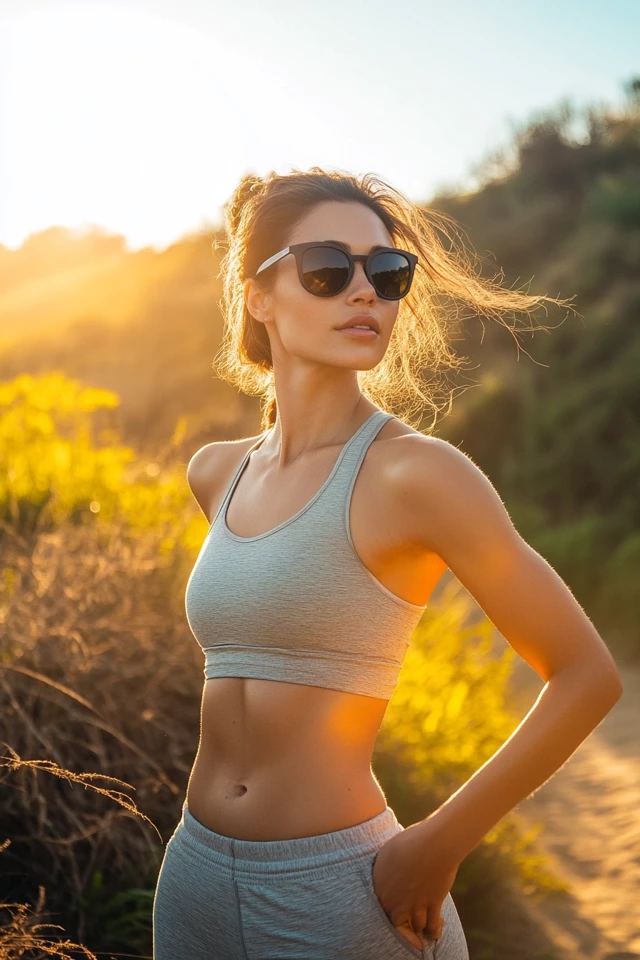
Polyester or nylon, or a blend of the two, is the usual choice for moisture-wicking workout clothes for heat. Check the tag: a tank that feels thin and slightly slick usually dries faster than one that feels plush.
Ventilation
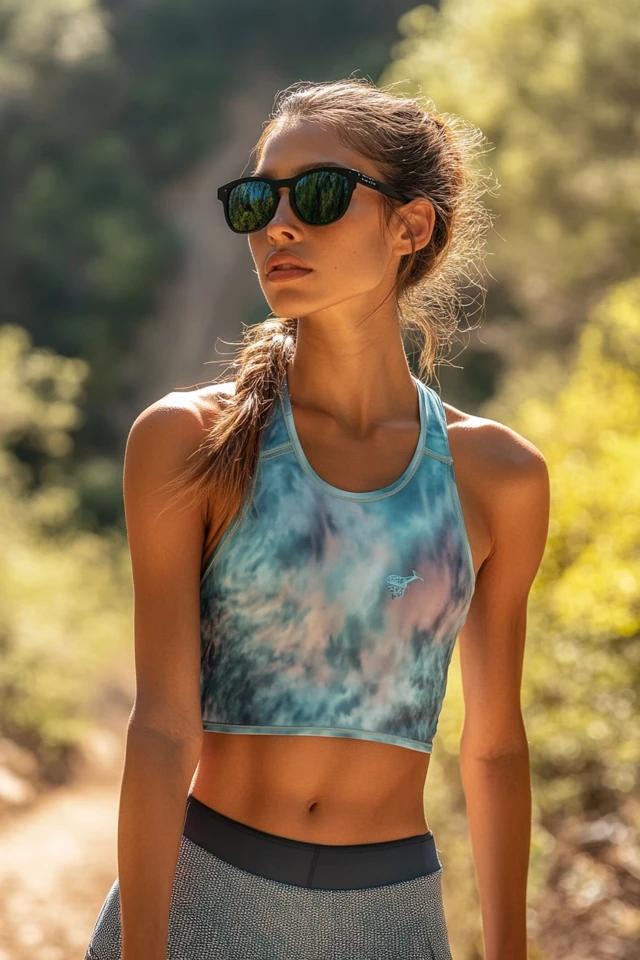
Mesh panels across the upper back or under the arms add airflow where you sweat most. A racerback or open back does something similar. If you want breathable shirts for hot weather that also read as a normal top, look for a small mesh insert rather than a fully sheer back.
Sun protection
Some tanks list a UPF rating. The Skin Cancer Foundation says a UPF of 30 to 49 offers very good protection, while UPF 50+ offers excellent protection. A tank still leaves shoulders and arms bare, so sunscreen and a brim matter. Dermatologist Anna L. Chien, MD, says "A hat with a 3-inch brim protects the top of your scalp, ears and face."
Odor control
Some tanks carry an antimicrobial finish. It can help between washes, but it does not replace washing.
Fitted or loose: which is better in the heat?
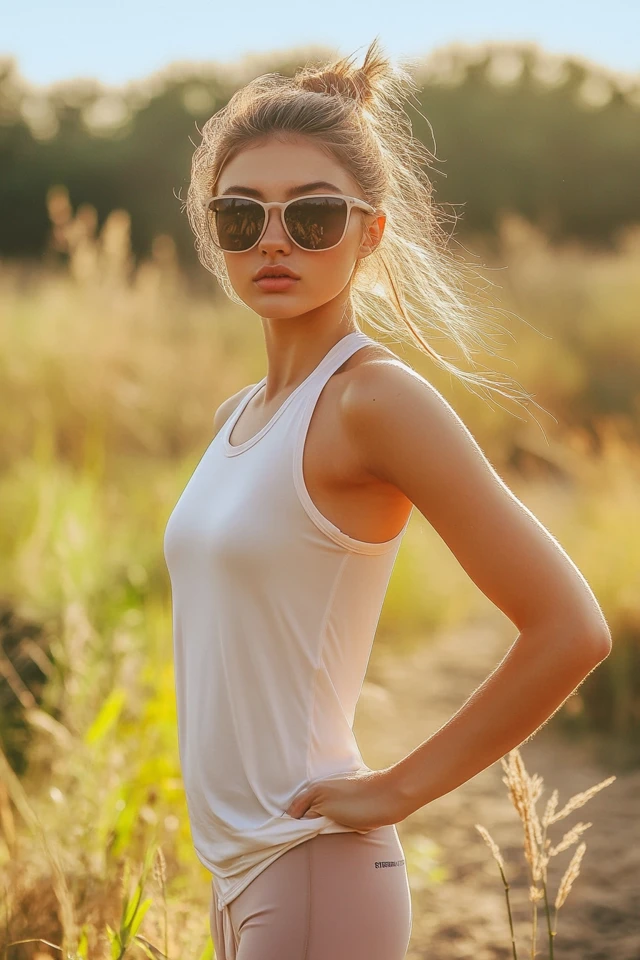
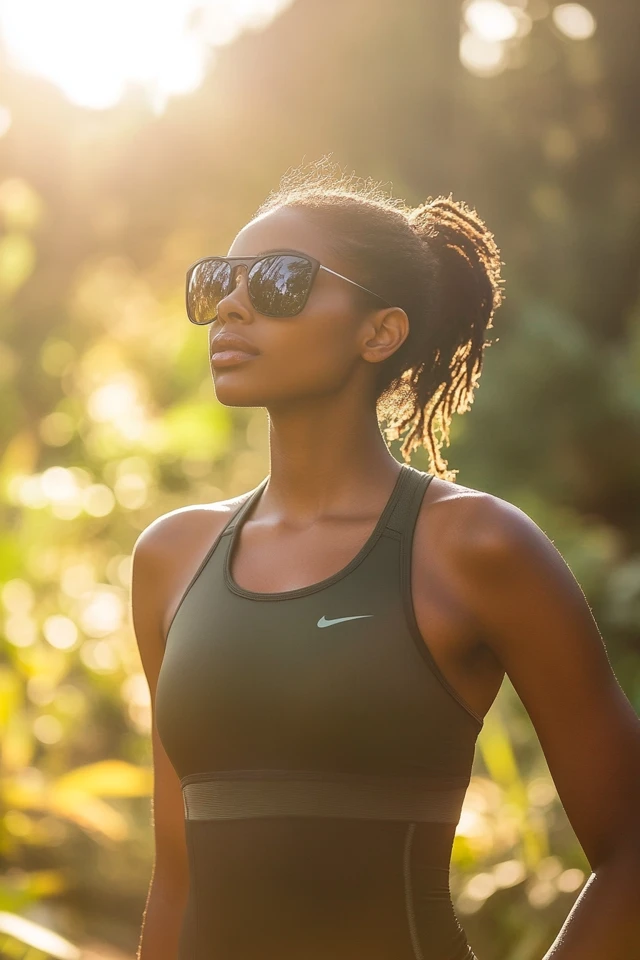
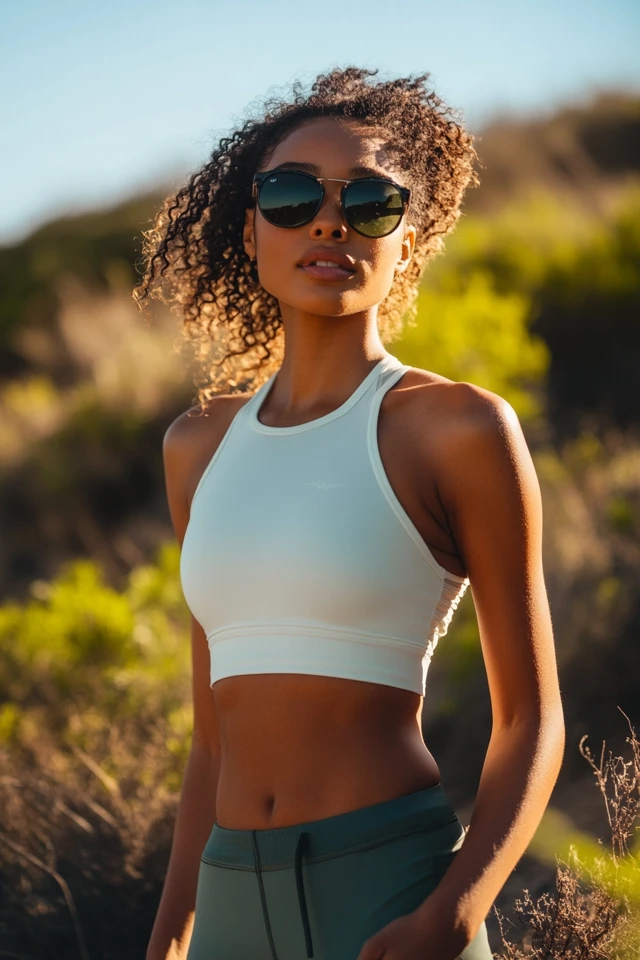
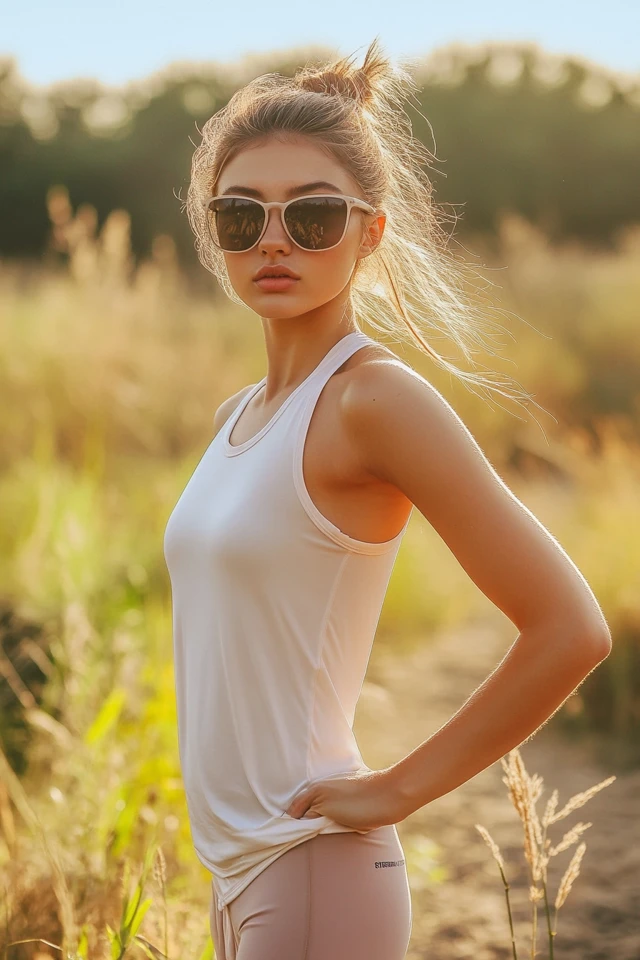
It depends on what you're doing. A fitted tank stays out of the way during running, lifting or fast classes, and it keeps fabric from sticking in damp folds. A relaxed tank lets air move around your torso, which feels good for walking, hiking or low-impact sessions.
Through the lens of evidence-based design, I'd choose by how the fabric feels when it's wet. Cloth that clings in one spot is more noticeable than cloth that skims, so a slightly loose cut in a lightweight knit often feels better on a very humid day.
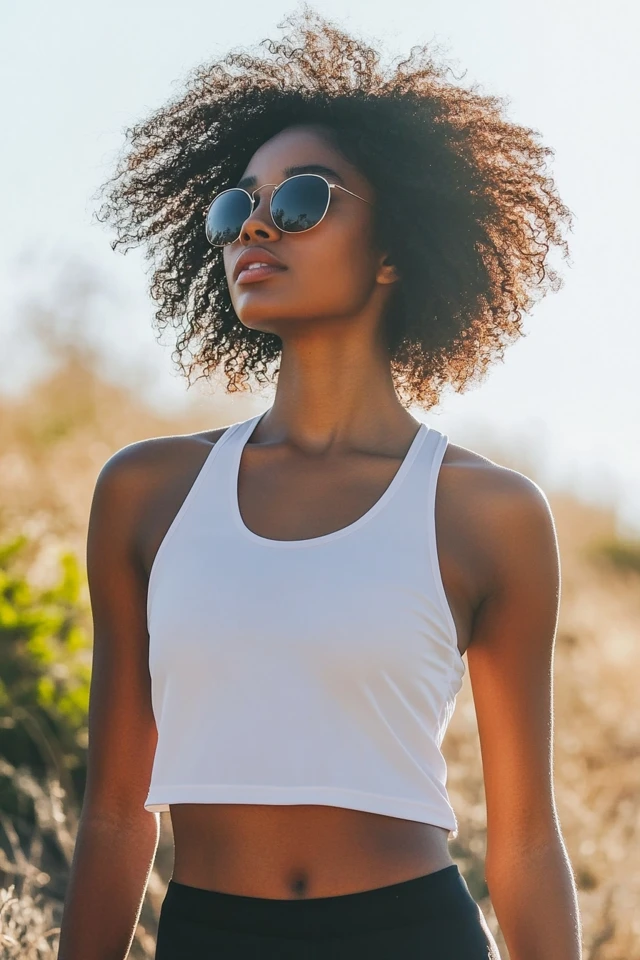
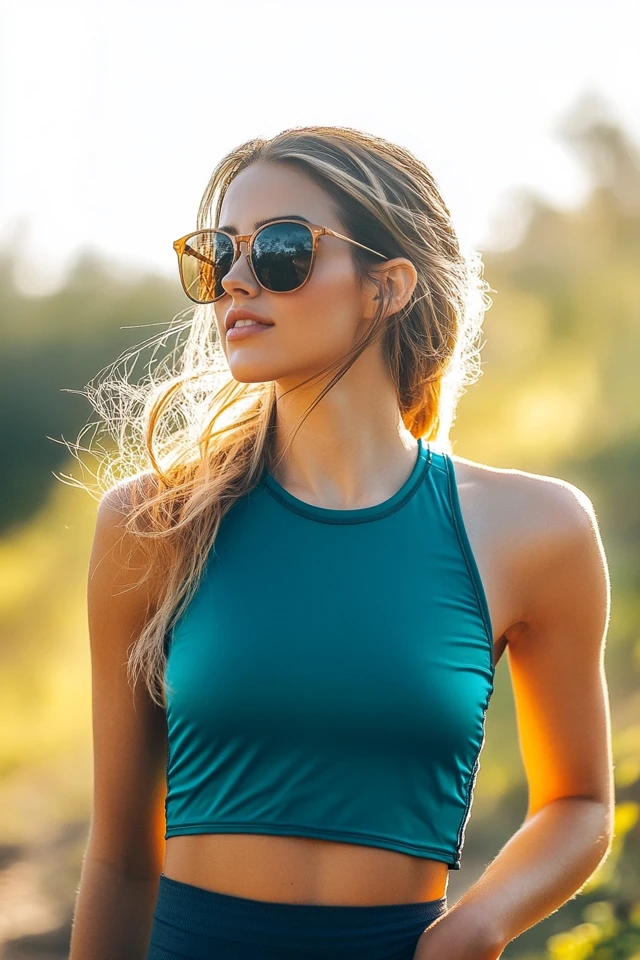
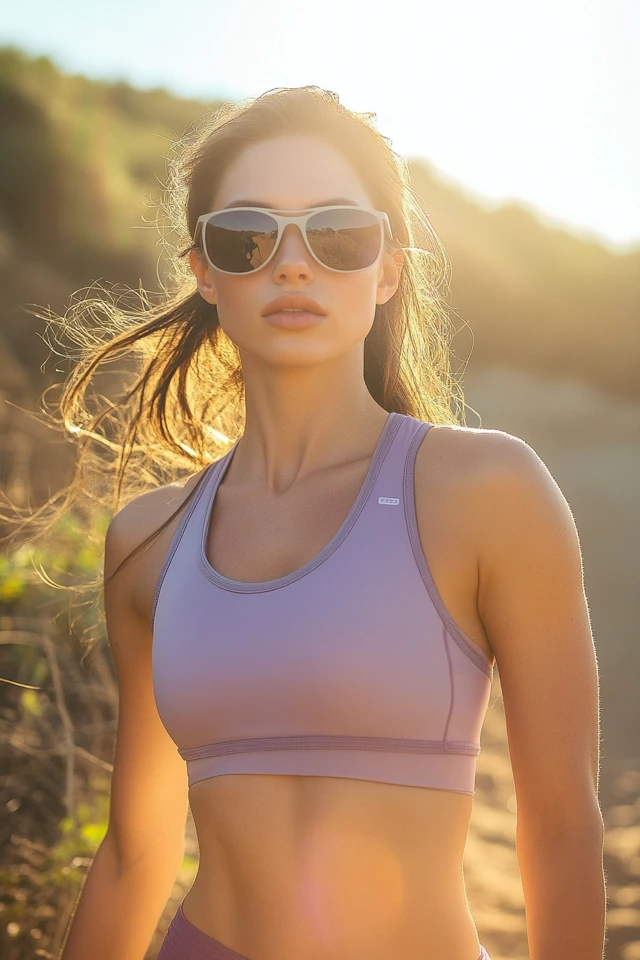
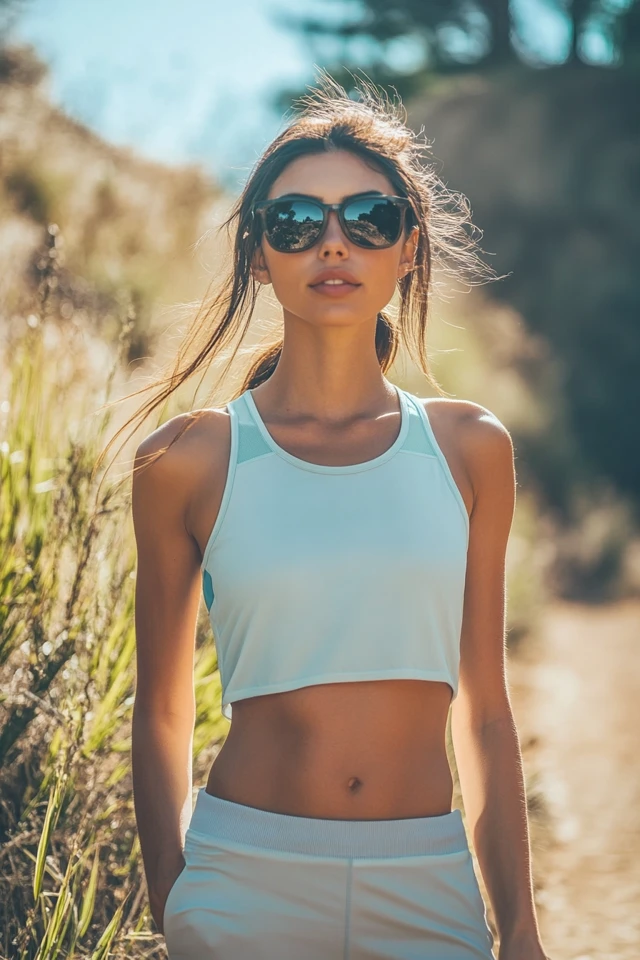
Cropped tanks work with high-waisted shorts and leggings. If you're after the best gym clothes for people who overheat, pick the least fabric you're comfortable in, with a snug bra or base layer where you need support.
What should you wear when it's 90 degrees?
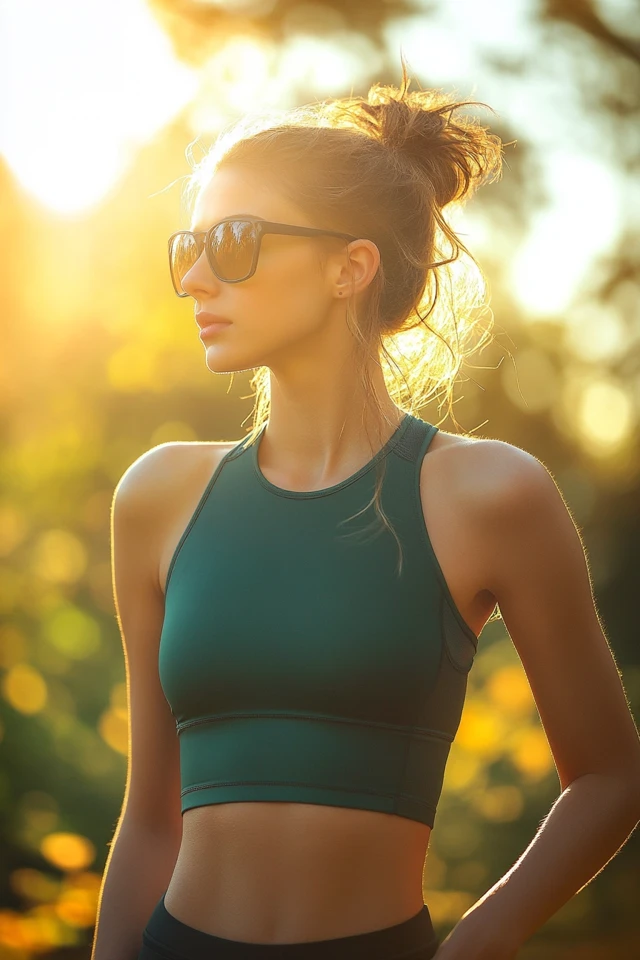
Keep it simple: a light wicking tank, shorts you can move in, and breathable socks and shoes. Add a cap or wide-brimmed hat outdoors. For errands, a loose tank with linen shorts or pants is cooler than denim; the linen shorts guide covers that side.
Light colors tend to look cooler and show sweat less in some fabrics, while dark ones hide it better in others, so check the fabric in daylight before you commit. Skip cotton for anything sweaty.
How to style a wicking tank beyond the gym
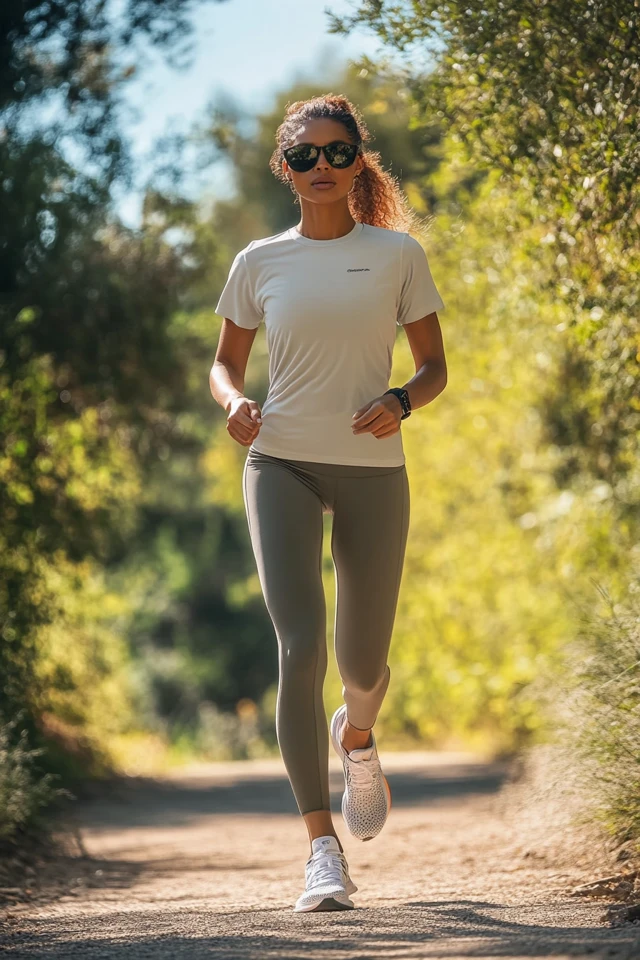
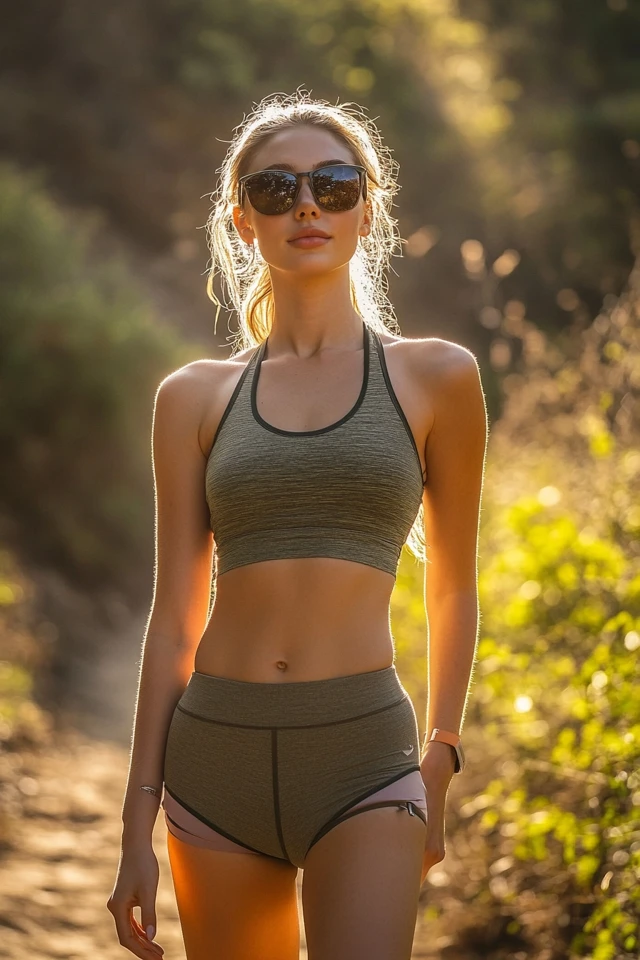
- Workout: fitted tank, bike shorts or lightweight leggings, trainers.
- Hike or beach walk: relaxed tank, breathable shorts, hat, sunglasses.
- Athleisure: cropped tank with high-waisted joggers and white sneakers.
- Studio class: tank under an open-back sweater or wrap you can remove.
- Errands: a loose tank over a sports bra with shorts and sandals.
For more tank ideas, see the wicking activewear tanks for hot workouts, the loose tanks for lounging and the simple tanks for layering. If your feet are the problem, try adjustable sandals for walking in the heat.
Care tips that keep the fabric working
- Wash in cold water with a mild detergent.
- Skip fabric softener, which can coat the fibers and slow drying.
- Air-dry or use low heat, and follow the care label.
Drink water before and during hot sessions, and check with a doctor if you often feel dizzy or unwell in the heat. Clothing helps, but it doesn't replace pacing yourself.
Frequently asked questions
What is the coolest clothing to wear in hot weather?
Lightweight, loose or lightly fitted pieces in breathable fabrics. Linen and thin synthetics dry faster than cotton, and mesh panels add airflow.
What are the best gym clothes for people who overheat and sweat?
A thin wicking tank with mesh or an open back, shorts, and nothing heavy next to the skin. Avoid cotton, which holds moisture.
Are wicking tank tops only for workouts?
No. They suit hikes, beach days and errands too, since they dry quickly and weigh little.
Do wicking tanks work in humid weather?
They help, but humid air slows evaporation, so expect to feel damp sooner. A looser cut and mesh ventilation make a noticeable difference.
Filed under Weather Style