Breathable Activewear Sets for Gym Sessions
- Words by
- Julio Arco
- Published
- Reading
- 4 min
For hot weather activewear, choose lightweight, moisture-wicking synthetics such as polyester or nylon blends, in a knit or mesh that lets air move, and wear them with a fit that does not cling. Skip heavy cotton: it holds sweat instead of moving it away.
A matching set can be a good choice in heat, as long as the fabric is light and the cut leaves room around the areas that trap warmth. Here is how to pick the pieces.
What are the best fabrics for hot weather workouts?
Look for polyester, nylon or blends of either with a little spandex for stretch. These fibers are made into knits that pull sweat to the fabric surface, where it can evaporate. Mesh panels across the back, sides or behind the knees add airflow where you heat up most.
Cotton is the usual trap. Georgia Tech's news center explains that cotton's moisture vapor transmission rate is lower than linen's, so it does not dry as quickly. For a casual walk that is fine. For a hard session, a damp cotton tee sticks to you and stays heavy.
Through the lens of evidence-based design, I'd pay attention to the hand-feel of the fabric as much as the label. A slick, very smooth knit can feel cooler on contact, while a fuzzy interior often feels warmer against damp skin.
Why does moisture-wicking matter in heat?
Sweat only cools you when it evaporates. If a fabric soaks it up and sits wet against your skin, you feel hotter and more uncomfortable, and chafing becomes more likely. Moisture-wicking workout clothes for heat move that sweat outward so it can dry.
Texas A&M's Howdy Health makes the same point for cold-weather layering: the layer closest to your skin should be moisture wicking, drawing sweat away. The principle holds in summer too, since the base layer is whatever touches you.
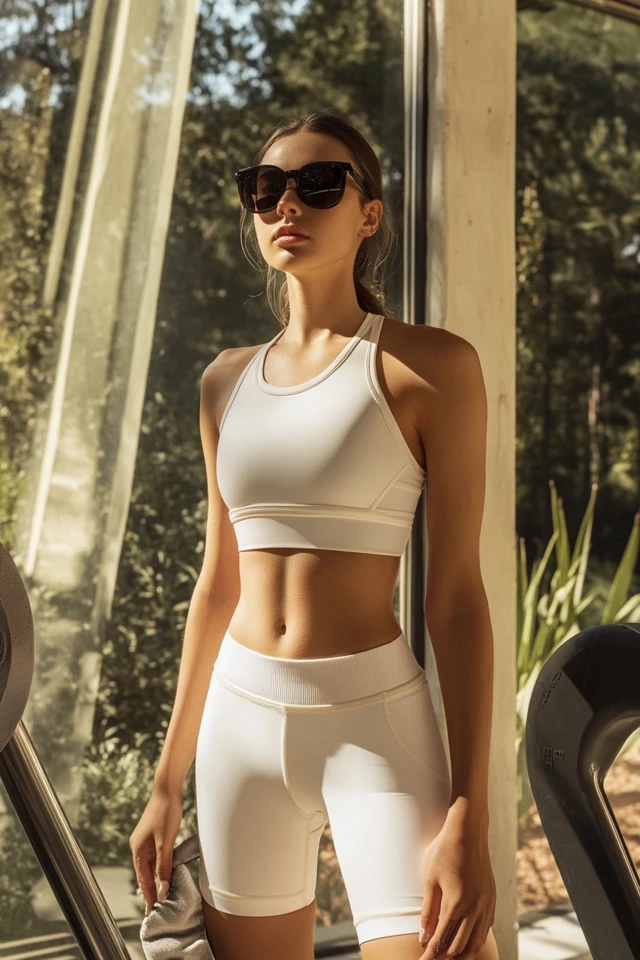
Should hot weather workout clothes be loose or fitted?
Both can work, and it depends on the activity. A looser top lets air circulate and keeps fabric off your skin, which suits walking, lifting and casual cardio. A close fit in a thin, stretchy fabric suits running and yoga, where flapping fabric gets in the way.
- For heavy sweaters, a relaxed top with a fitted bottom is usually the most comfortable mix.
- Snug is fine, tight is not. If a waistband or strap digs in, it traps heat there.
- Seamless construction reduces rubbing in the places you sweat most.
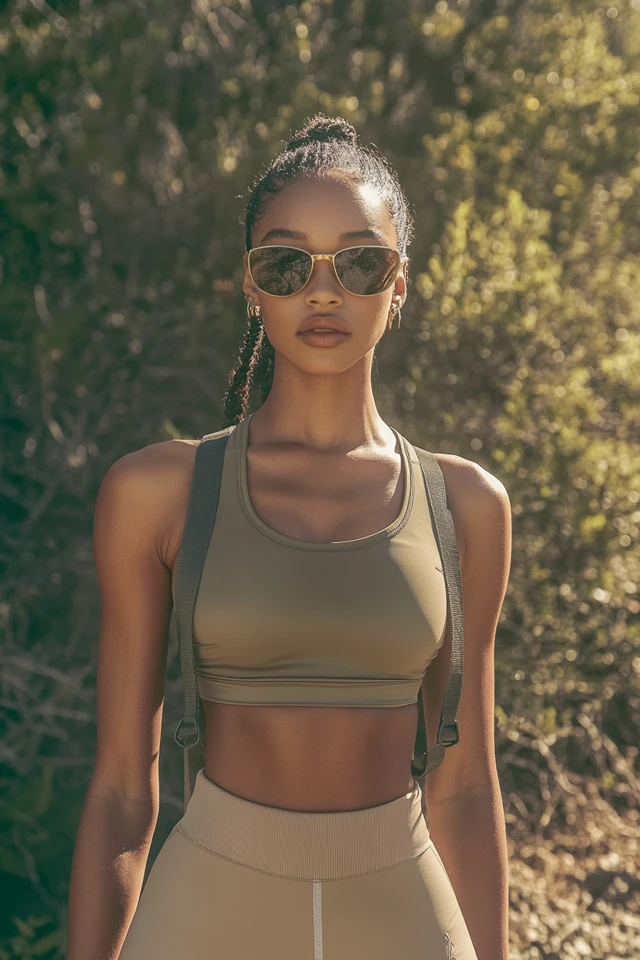
What are the best tops for hot workouts?
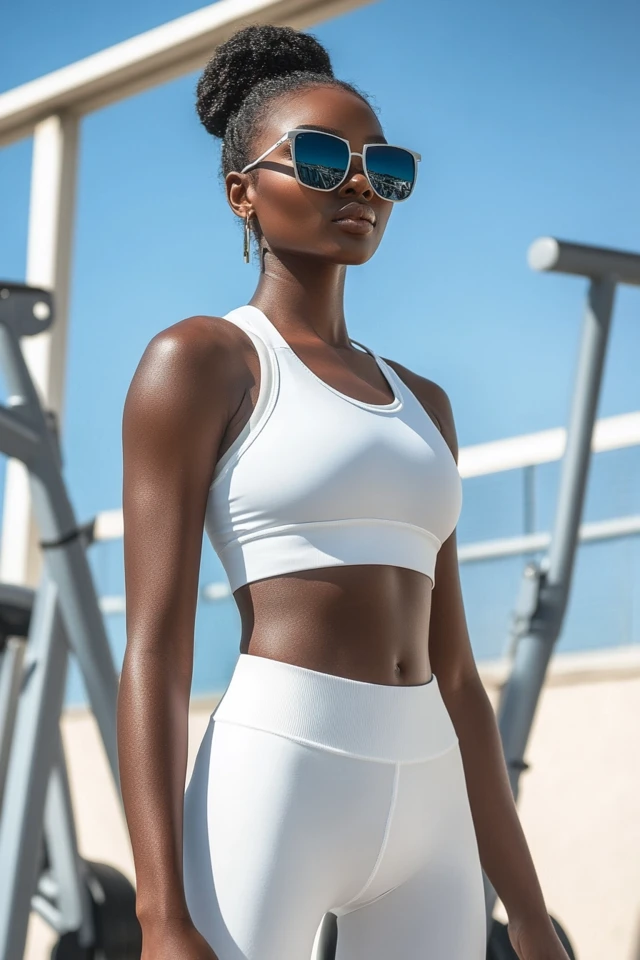
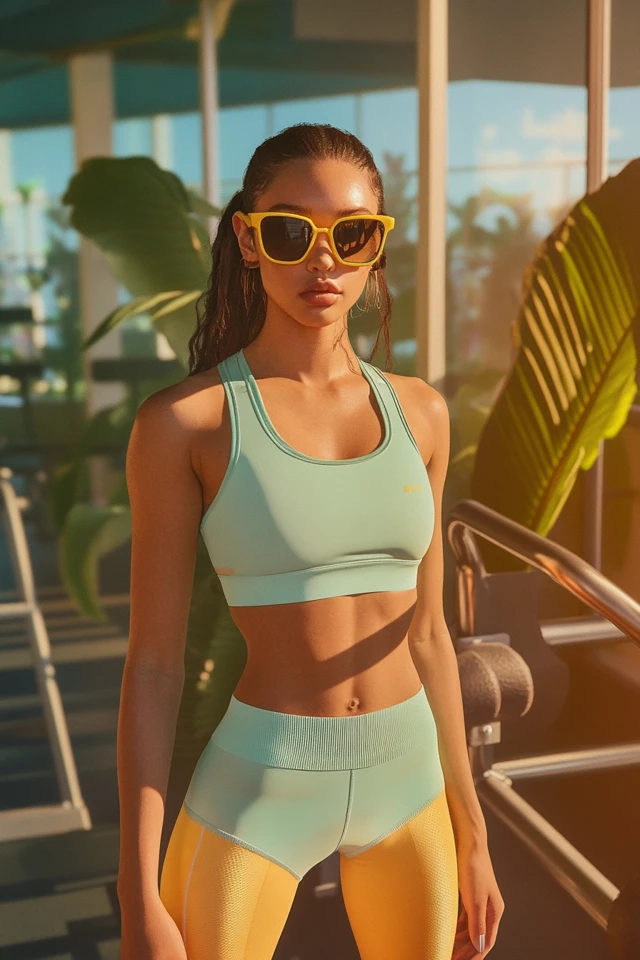
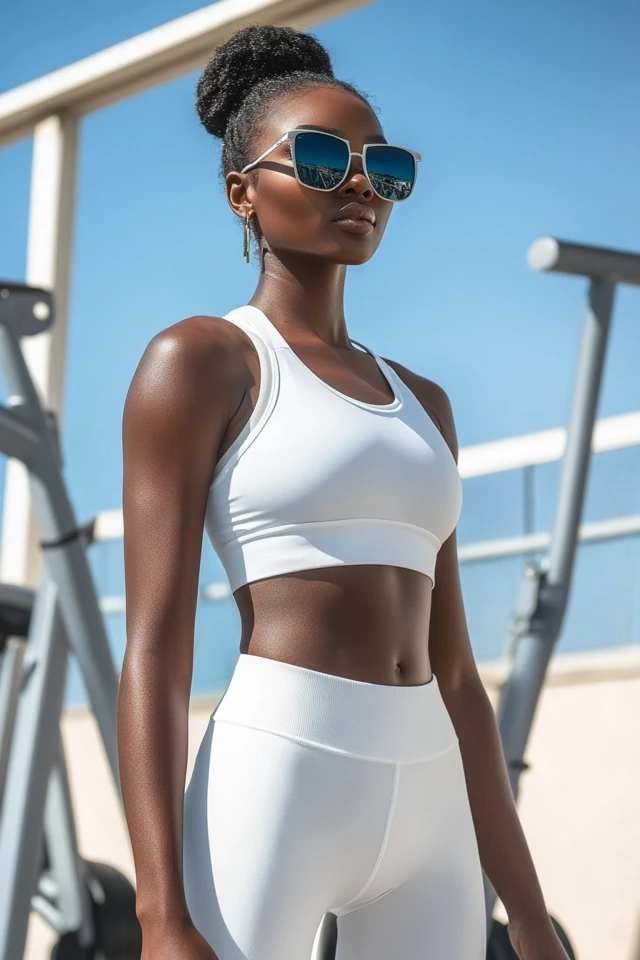
Tanks and racerbacks give your shoulders and arms the most airflow. A cropped tank with a built-in bra is a light, supportive one-piece solution for the gym. If you want coverage, a short-sleeve tee in a thin, open knit is among the best breathable shirts for hot weather.
For a deeper look at sleeveless options, see these wicking activewear tanks for hot workout sessions.
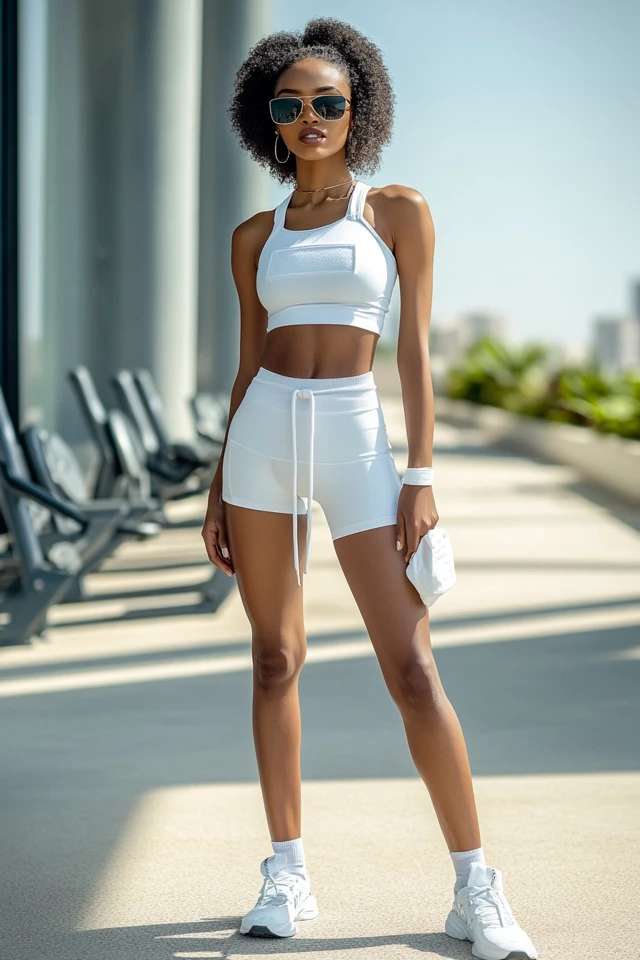
What bottoms work best in summer?
Biker shorts and short running shorts leave the most skin exposed and dry fast. Lightweight joggers with a loose leg work for weightlifting if the gym is air-conditioned. Full-length leggings are fine for yoga or Pilates in a thin, ventilated knit, but they are the hottest option for outdoor cardio.
If you also train outside, breathable activewear for sunny hikes covers the same logic on the trail.
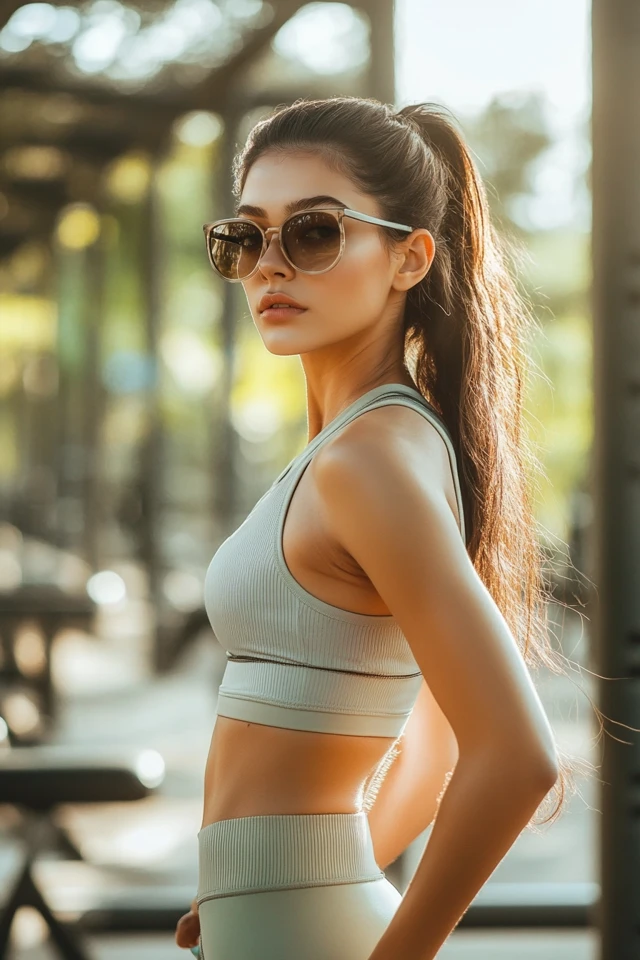
Does color change how hot you feel?
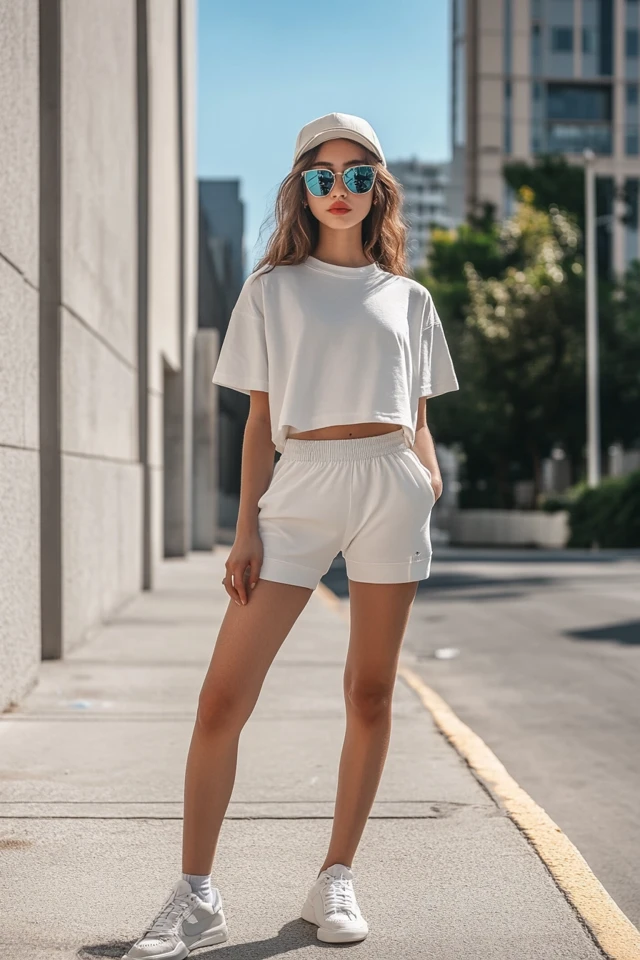
Color mostly changes how the outfit reads, though very dark fabric in direct sun can feel warmer than a pale one. Light neutrals and soft pastels look fresh and show sweat differently than gray, which is the color most likely to show dark patches. Black, navy and printed or color-blocked pieces hide them well.
What to wear when it's 90 degrees
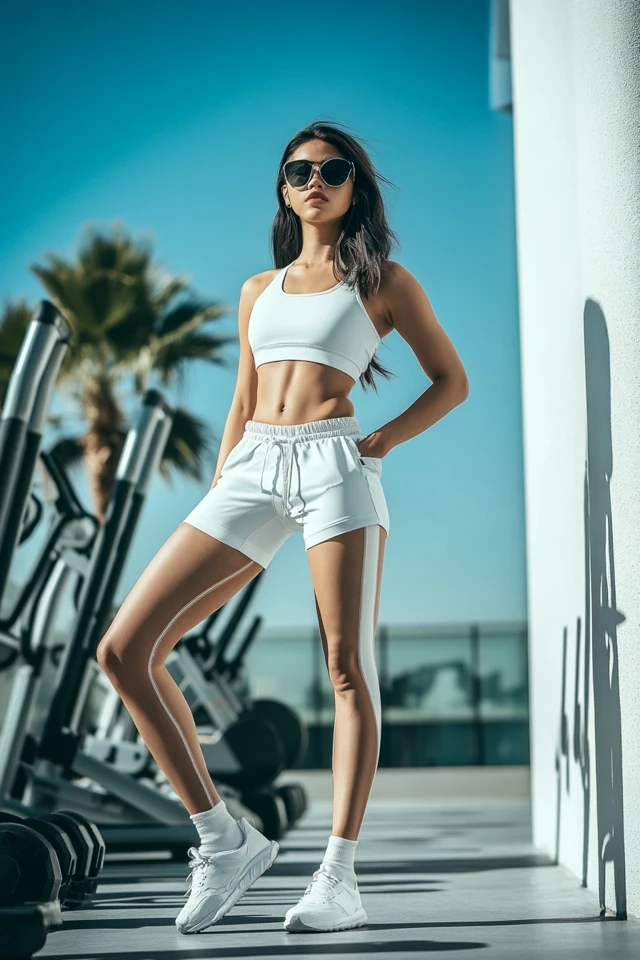
Keep it simple: a light tank or thin tee, shorts, and a breathable sports bra if you need one. Choose pale or mid tones outdoors, and add a hat for shade. A hat with a brim matters: Anna L. Chien, MD, of Johns Hopkins University School of Medicine, says "A hat with a 3-inch brim protects the top of your scalp, ears and face."
For outdoor sessions, fabric labeled with a UPF rating adds sun coverage. The Skin Cancer Foundation notes that a UPF of 30 to 49 offers very good protection, while UPF 50+ offers excellent protection. Check with a dermatologist about your own skin's needs.
How to care for sweat-wicking pieces
- Wash in cold water and skip fabric softener, which can coat the fibers and reduce wicking.
- Air-dry when you can to protect the stretch.
- Rinse sweaty pieces soon after a workout so odor does not set in.
If you like building a gym wardrobe around a theme, the edgy gym fits and boho gym capsule wardrobe posts show ways to style breathable pieces. Three to five sets is usually enough to cover a week of workouts between washes.
Frequently asked questions
What is the best clothing to wear in extreme heat?
Loose, lightweight pieces in breathable, moisture-wicking fabric, in lighter colors, plus a brimmed hat outdoors. Reduce intensity and drink water, and check with a doctor if you have a heat-related health concern.
What are the best gym clothes for people who overheat and sweat?
A relaxed tank or thin tee in a polyester or nylon knit with mesh panels, paired with shorts. Seamless pieces help limit chafing where you sweat most.
What is the coolest clothing to wear in hot weather?
Light, airy fabrics that dry fast: for workouts, mesh-paneled synthetic knits, and for everyday wear, linen. Avoid heavy cotton when you will be sweating a lot.
How do I avoid see-through leggings?
Choose a dense or double-layered fabric and test it by bending over in bright light before you commit. Darker shades are usually more forgiving.
Filed under Wardrobe Basics