Stellar Jelly Nails
- Words by
- Julio Arco
- Published
- Reading
- 4 min
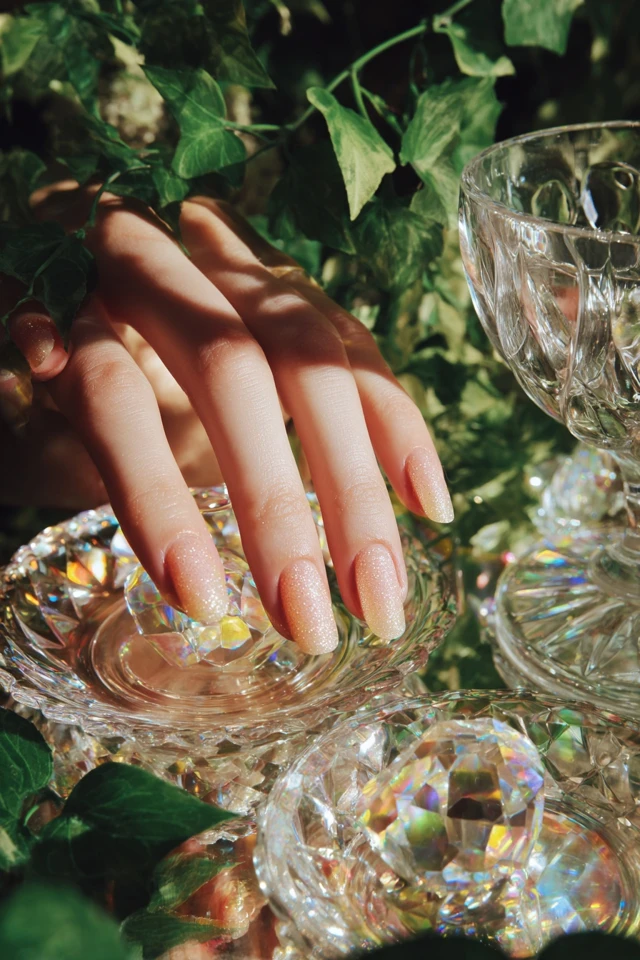
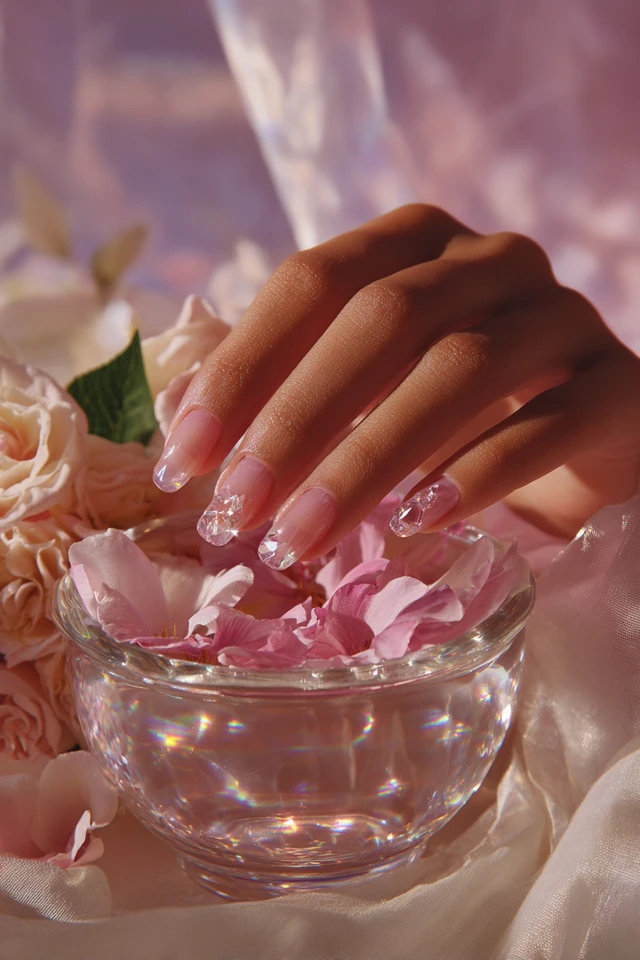
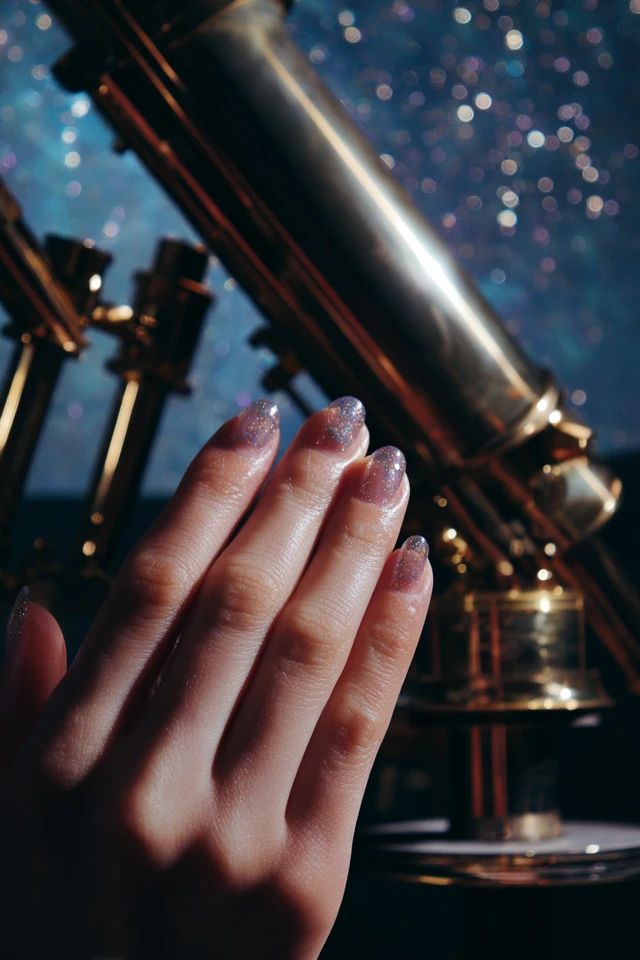
Jelly nails are sheer, glossy color you can see through, like tinted glass. Watercolor nails take that same sheerness and blur two or three shades into each other so the edges look washed and soft. To get either one, build thin layers of a translucent polish over a clear or pale base and stop before the color turns opaque.
Below: what makes a polish read as jelly, the shades that work, a simple watercolor method, and what to do if you don't own special products.
What is jelly nail polish?
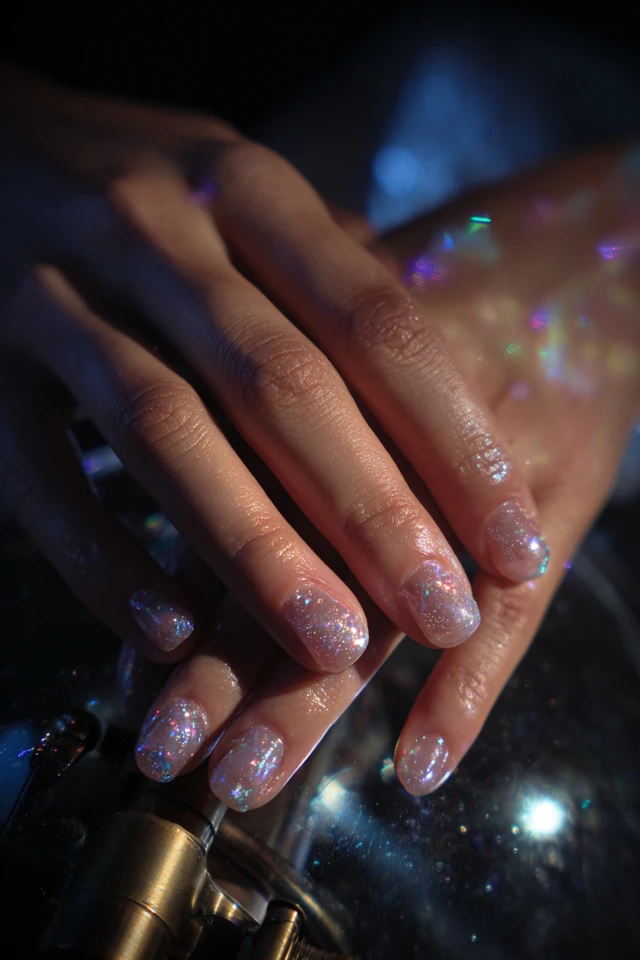
Jelly polish is a translucent, high-gloss formula. Instead of covering the nail like a creme, it tints it, so you still see the nail bed or the base coat through the color. The finish looks wet and plump, which is where the name comes from.
Through the lens of evidence-based design, I'd say the gloss does as much work as the hue. A shiny, see-through surface lets light pass in and bounce back, so the same pink looks softer and deeper than it would as a flat creme.
Which shades work for jelly and watercolor nails?
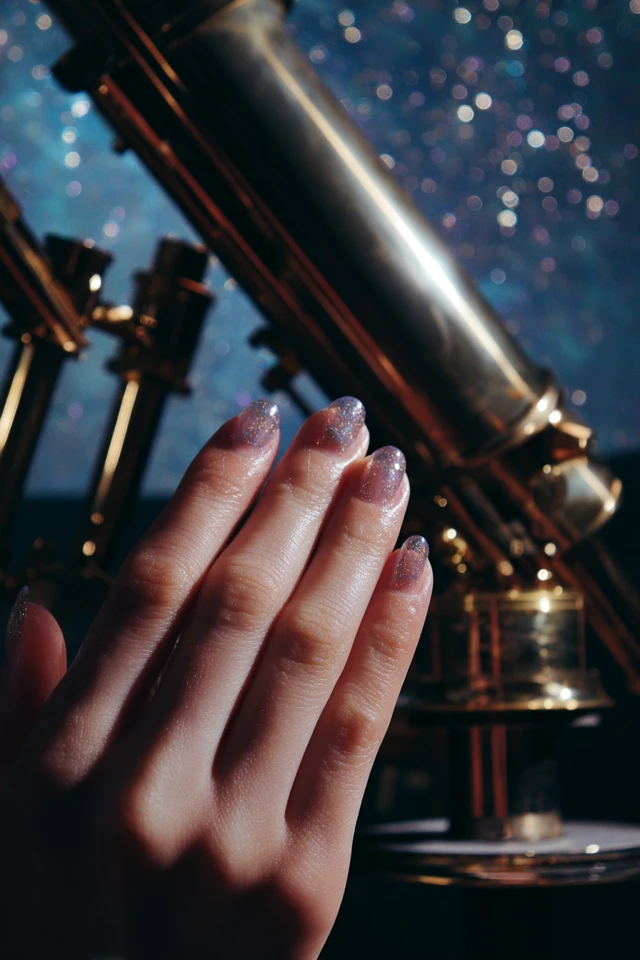
Sheer colors that stay clean when layered are the easiest. Pale pink, peach, lilac, baby blue and mint blend without turning muddy. Deeper jelly shades such as emerald, plum or sapphire look rich in one or two coats and read almost black in three.
- Light skin: pale pink, baby blue and mint stay delicate.
- Medium or olive skin: peach, coral and brighter lilac add warmth.
- Deep skin: emerald, purple and blue jelly look like colored glass against the skin.
These are starting points, not rules. Hold the bottle against your fingers in daylight before you commit, since sheer colors pick up the tone of your nail underneath.
For more shade inspiration, see prismatic jelly designs and celestial jelly designs.
What tools and polishes do you need?
- A clear or milky base coat
- Two or three sheer jelly colors in the same family, or one color and white
- A glossy top coat
- A small makeup sponge or a thin brush
- A lamp, if you use gel polish
- Remover and a lint-free wipe for cleanup
Regular lacquer works for both looks. Gel gives you more time to blend because it only cures under the lamp.
How to get the watercolor effect on nails
- Prep and apply a thin base coat. Cure it if you're using gel.
- Add a sheer milky or pale layer so the colors have something light to sit on.
- Dab small spots of two colors near each other on the nail with a brush or sponge.
- Tap the seam where they meet until it softens. Don't drag, or the color streaks.
- Let it dry or cure, then add a glossy top coat. A second thin top coat smooths any texture.
With gel, you can blend, check, and blend again before curing. With regular lacquer, work one nail at a time because it sets quickly.

How to get the jelly effect on nails
Apply one thin coat of jelly color, let it dry or cure, then add another only if you want more depth. Each coat deepens the tint, so two thin coats beat one thick one. Finish with a thick, glossy top coat, because that shine is most of the look.
If you want a fuller glassy depth, layer jelly over a shimmer or a pale pink base. Our artful jelly designs show how far this can go.
Easy tips for beginners
- Start with one color family. Two pinks blend more forgivingly than pink and green.
- Use less polish than you think. Sheer layers are the whole point.
- Clean the skin around the nail with a small brush and remover before curing.
- Keep your hands moisturized. Glossy finishes show dry cuticles quickly.
As an architect trained in evidence-based design, I'd keep the first attempt to one or two accent nails. Soft blended color is easier to judge once you see how it reads against your skin and outfit.
No special polishes? Try these swaps
You can fake jelly by layering a sheer pink or tinted top coat over a clear base. For watercolor with no tools, dab two polishes onto a scrap of foil, swirl them lightly with a toothpick, and press the mix onto the nail with the tip of a finger-sized sponge or even a clean cotton pad. It's less precise, but fine for a first try.
How to ask for jelly nails at a salon
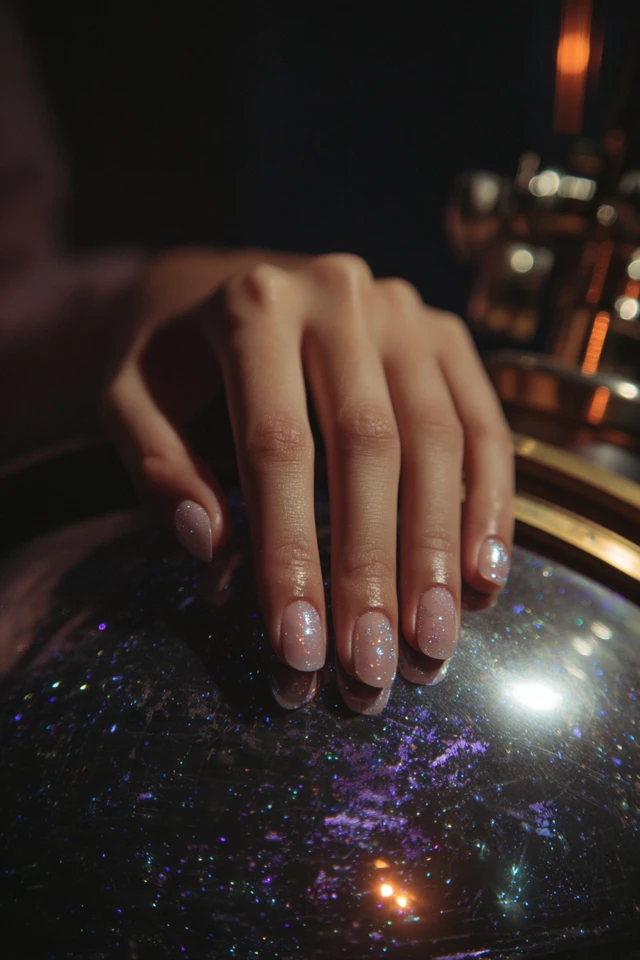
Say you want a sheer, glossy, see-through color over a clear or pale base, and bring a photo. Mention whether you want a single jelly shade or a watercolor blend, and ask for a thick glossy top coat. If you want a certain length or shape, say so up front. Almond and oval shapes show off the glassy curve well, though short rounded nails work too. For another look, try jelly whale nails.
Removing gel jelly nails safely
According to the American Academy of Dermatology, acetone is the most effective way to remove gel polish at home, and Cleveland Clinic notes that careless removal can temporarily damage nails, with cracking and peeling most common. Go slowly, don't pick at the polish, and check with a dermatologist if your nails look unhealthy.
Frequently asked questions
What is the point of jelly nail polish?
Jelly polish gives a sheer, glossy tint that looks like colored glass. It is easier to wear than an opaque color because it looks soft and shows less growth at the cuticle.
How to ask for jelly nails at a nail salon?
Ask for a translucent, high-gloss color over a clear or pale base, and show a photo. Say whether you want one shade or a blended watercolor look.
Can jelly nails work for professional settings?
Yes. Muted pastel or neutral jelly tones look polished and fit most dress codes.
Filed under Nail Design