Prismatic Jelly Design Nails
- Words by
- Julio Arco
- Published
- Reading
- 4 min
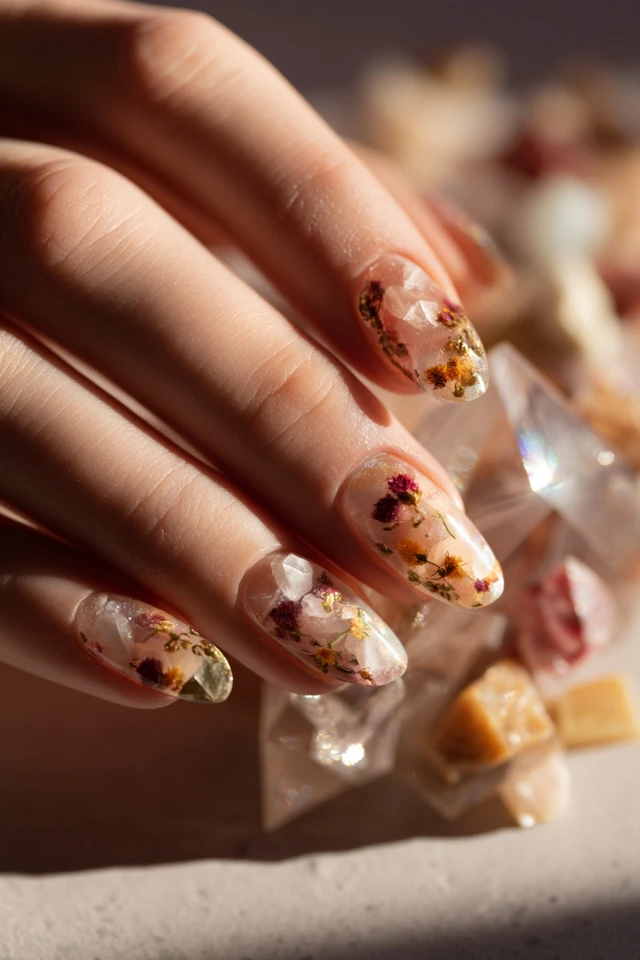
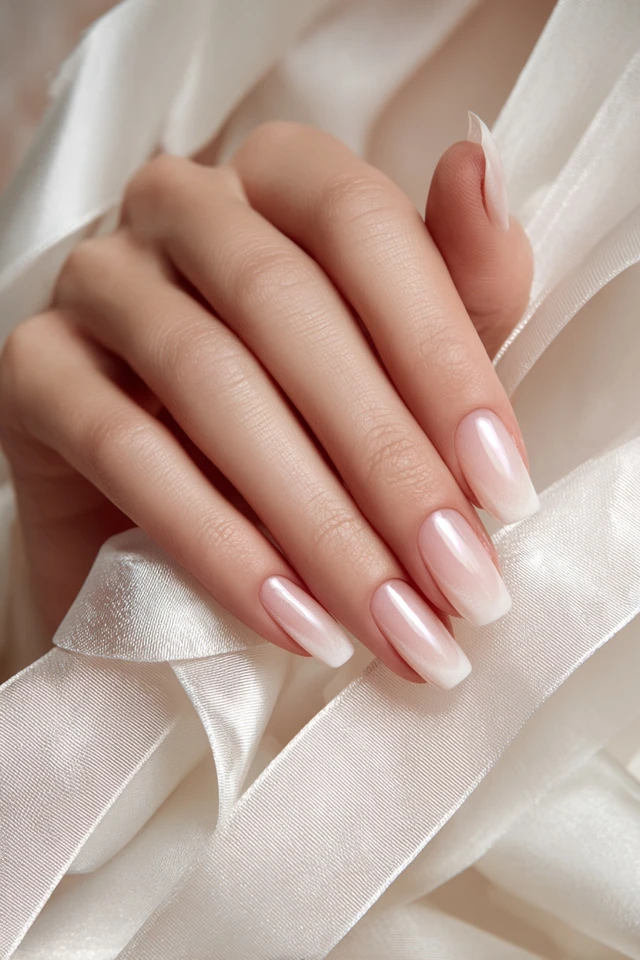
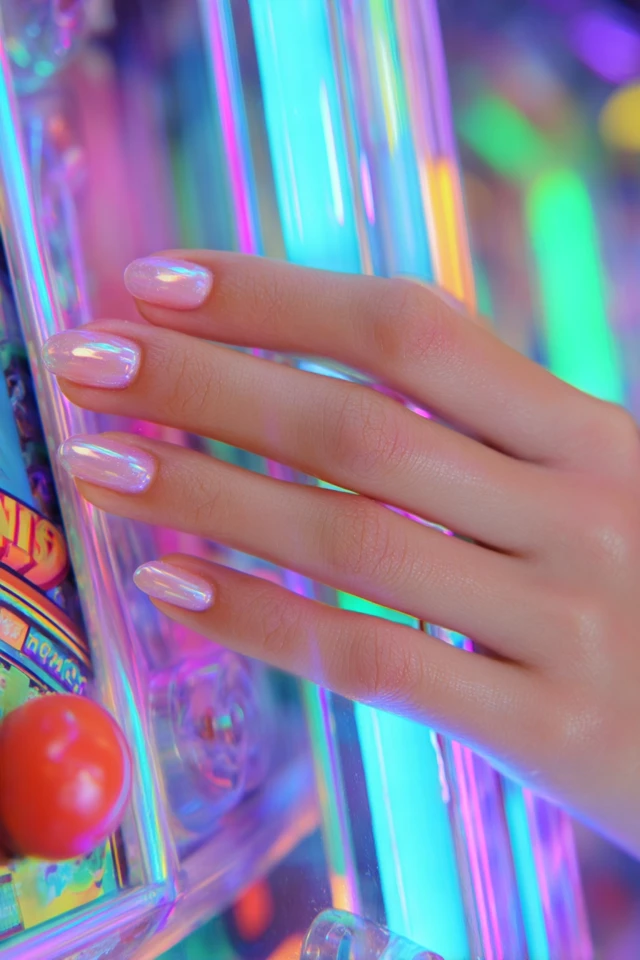
Jelly nails are sheer, glossy color you can see through, like candy or stained glass. Watercolor nails blur two or three tints together so the edges melt into each other. Combine them and you get a soft, prismatic wash: build thin layers of translucent color over a clear or milky base, then blend where the shades meet.
It is a forgiving look, which makes it a good first nail art project. Streaks and uneven edges read as part of the effect.
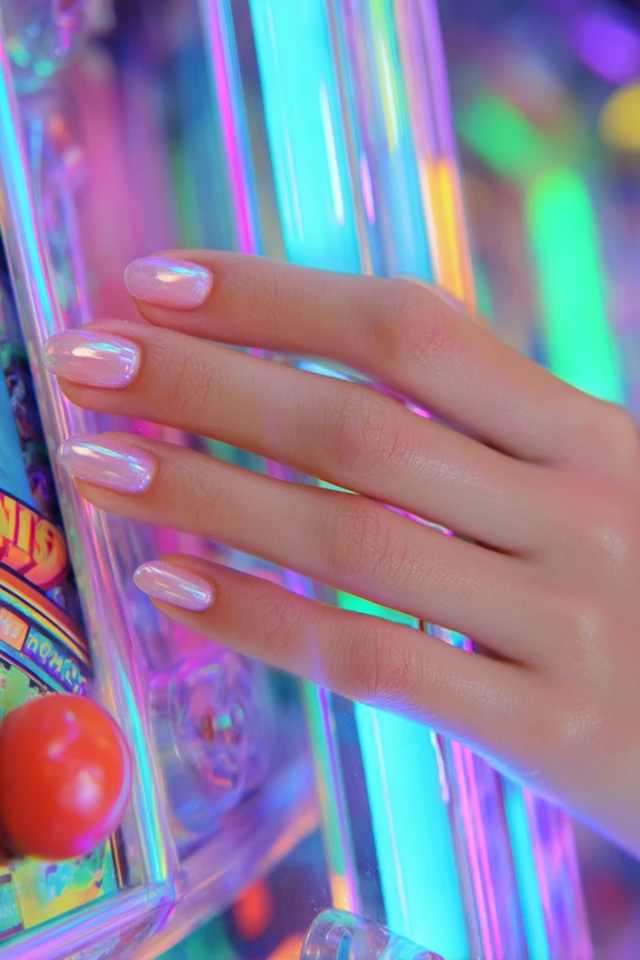
What is jelly nail polish?
Jelly polish is a see-through formula with a squishy, glass-like finish. Because it is translucent, you can see your nail or the layer beneath it, and the color deepens with every coat. One coat looks like a tint. Three looks like gummy candy.
Through the lens of evidence-based design, I'd think about jelly as a texture before a color. Light passes into the polish and bounces back out, so the same pink looks softer and deeper than it does in an opaque cream.
What do you need for jelly watercolor nails?
- A base coat and a glossy top coat
- Two or three sheer jelly shades (or any sheer polishes)
- A white or milky sheer polish if you want a soft backdrop
- A small piece of makeup sponge or a thin brush
- Rubbing alcohol or a cleanup brush for the skin around your nails
- A lamp, only if you are using gel formulas
If you lack specific jelly polishes, thin out a regular cream shade with a clear top coat on a palette. A drop of color in a puddle of clear gives a similar sheer tint.
How to get the jelly effect on nails
- Apply base coat and let it dry or cure.
- Brush on one thin coat of your jelly shade and cure or dry it.
- Repeat until the color has the depth you like. Two to three thin coats usually beat one thick one, which can stay gummy and wrinkle.
- Finish with a glossy top coat. Gloss is what makes jelly look like jelly.
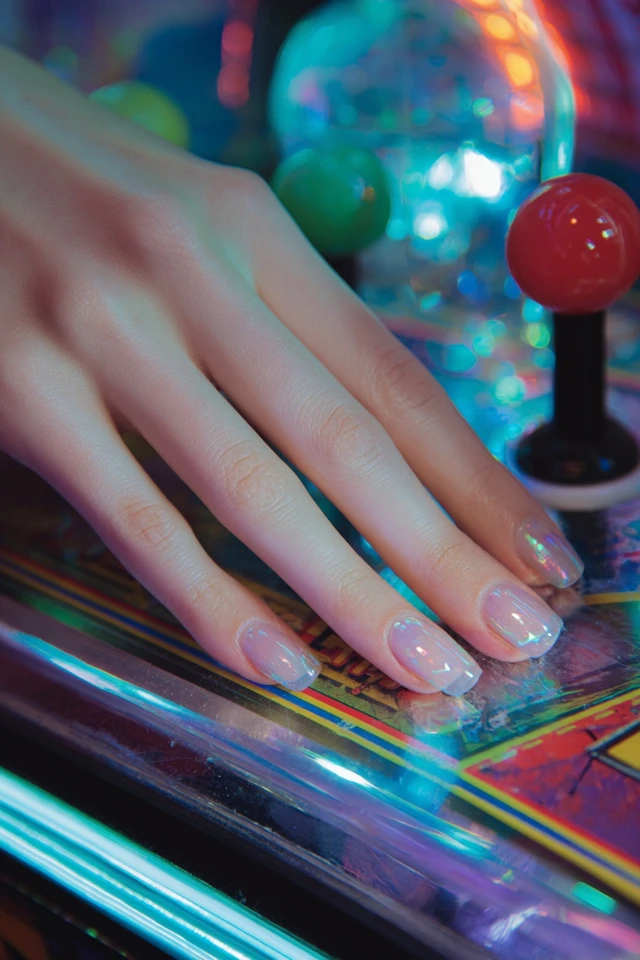
How to get the watercolor effect on nails
You do not need special tools. Here is an easy method for beginners:
- Paint a light, sheer base (clear, milky or pale pink) and let it set.
- Dab small dots of two or three jelly shades on the nail, slightly apart.
- Tap a clean sponge or brush where the dots meet so the colors bleed into each other. Stop while you can still see the separate tints.
- Cure or dry, then seal with top coat.
For a quick no-tools version, dab the colors with the polish brush itself and soften the edges with a little clear polish. Gel polish makes this easier, because it stays workable until you cure it. That gives you time to blend.
Shades that work well together
Pick shades that sit next to each other in color, so the blend stays clean rather than muddy. Lavender with soft pink, turquoise with seafoam, and peach with a touch of gold all blend well. Opposites such as red and green can turn brown where they overlap.
As an architect trained in evidence-based design, I'd keep the lightest tint at the nail tip and the deepest near the cuticle or the other way round, but not both. A single direction of change is easier for the eye to read as a smooth gradient.
For skin tone, cooler undertones often suit blue, lilac and clear shades, and warmer ones often suit pink, coral and gold. Treat that as a starting point and test a shade against your hand.
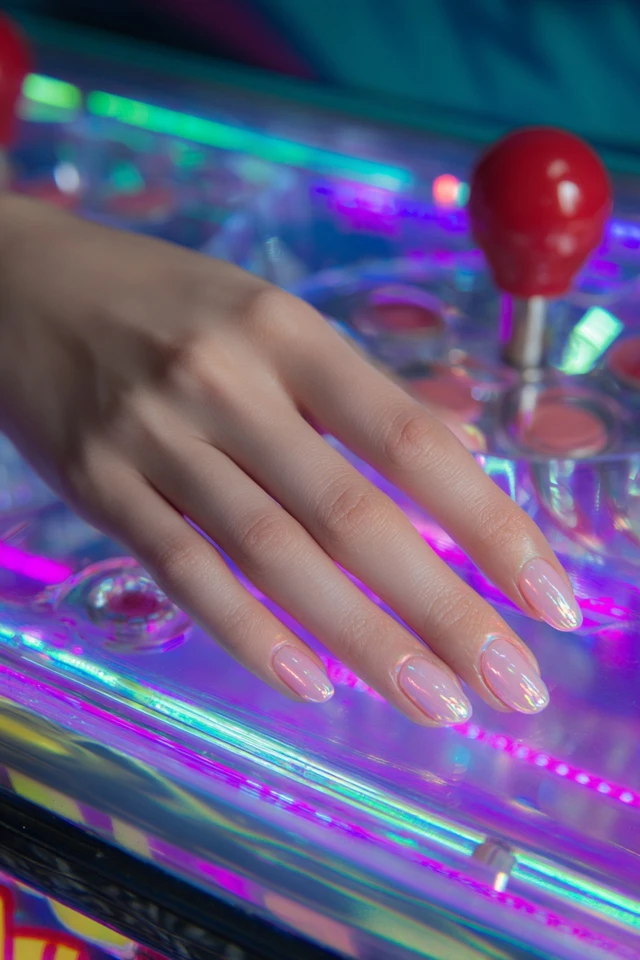
How to ask for jelly nails at a salon
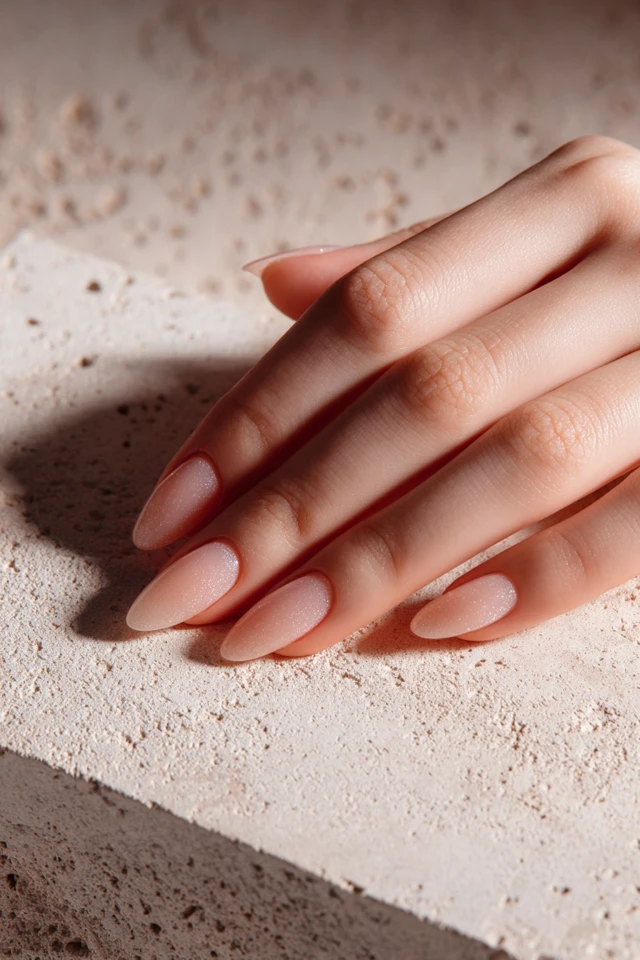
Bring a photo and use these words: sheer, translucent, layered jelly color, watercolor blend, glossy finish. Say how many shades you want and whether you prefer short or longer nails, since oval and almond shapes show off the curves of the gloss. Ask whether the technician uses gel, because that changes wear time and removal.
Care and removal
Gel versions last longer but need careful removal. The American Academy of Dermatology says acetone is the most effective way to remove gel polish at home. The Cleveland Clinic notes that removing gel polish carelessly can temporarily damage nails, with cracking and peeling the most common issues. If your nails feel weak or painful, check with a dermatologist.
If you want something gentler, use regular polish and a quick-dry top coat. Jelly color reads well either way.

Ideas to try next
Once the basic blend feels easy, look at other jelly styles for inspiration: celestial jelly nails, stellar jelly nails and artful jelly vision nails. If you like added sparkle, prismatic glitter nails and prismatic ice frost nails use the same layering idea. For a shape that flatters this finish, see prismatic oval nails.
Frequently asked questions
What is the point of jelly nail polish?
Jelly polish gives a glossy, see-through color that looks soft and layered. It is easy to build up from a light tint to a deeper shade, and imperfections are less obvious than with opaque polish.
How to ask for jelly nails at a nail salon?
Ask for sheer, translucent, layered color with a glossy top coat, and bring a photo. Mention the shades you like and whether you want a watercolor blend.
Can I do watercolor nails without special tools?
Yes. Dab two or three sheer shades onto the nail and tap the edges with a makeup sponge or the polish brush until they blend.
Filed under Nail Design