Nail Texture Techniques: Flocking, Matte and 3D Ideas
- Words by
- Julio Arco
- Published
- Reading
- 4 min
The simplest way to add texture to a manicure is to pair two finishes on the same hand: a velvety flocked or matte nail next to a glossy one. Flocking powder, matte top coat, embossed gel, beads and chrome powder are the main tools, and you can use one or several.
Velvet flocking is the star of this page, but it is one technique among several. Below you will find how each one works, which suit short nails, and how to take everything off without hurting your natural nail.
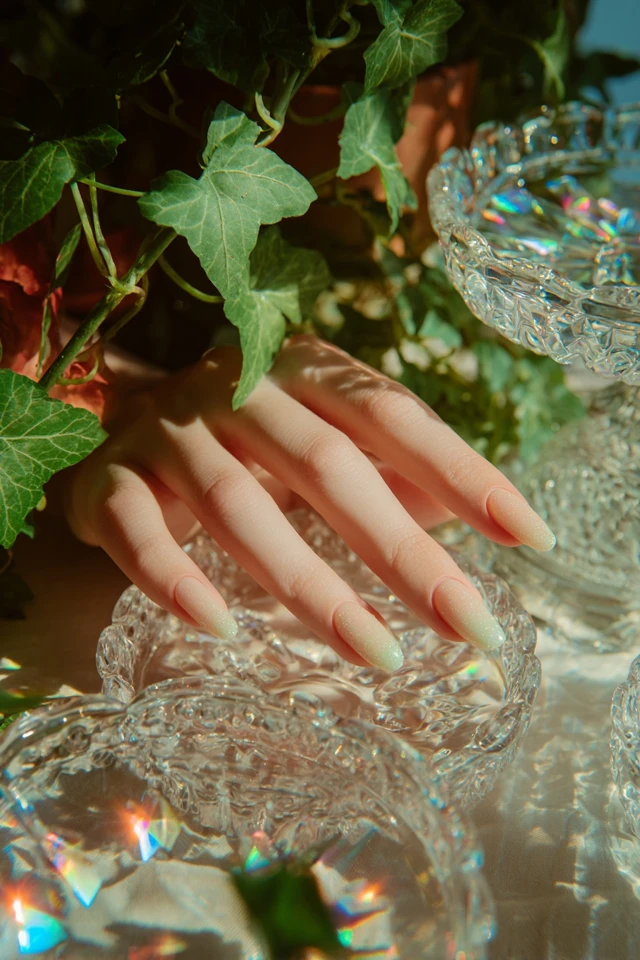
How to do textured nails with flocking powder
Flocking gives a soft, suede-like surface. The usual process is simple, and it works best on a nail that is already prepped and cured with a base color.
- Prep the nail: push back the cuticle gently and remove shine from the surface.
- Apply base color and cure it under a lamp.
- Brush on a layer of no-wipe gel top coat, but do not cure it yet.
- Press or dust flocking powder over the wet layer until it is fully covered.
- Cure, then brush off the loose fibers with a soft brush.
Do not add a glossy top coat over the fibers, since that flattens the velvet. If a nail still looks patchy, add a second thin layer of gel and powder before curing again. For a closer look at the finish, see this luminous flocking velvet mani and these fuzzy flocked designs.
Matte and glossy nail contrast
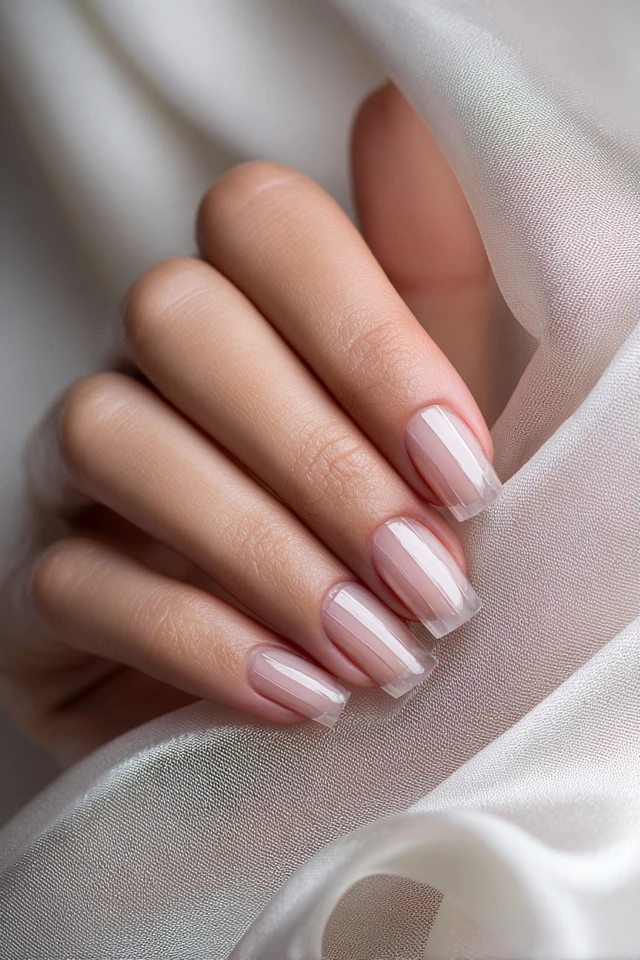
Matte and glossy nail contrast is the easiest texture trick because it needs no new products. Matte top coat scatters light, so the color looks softer and deeper. Gloss reflects it, so the same color looks brighter.
Through the lens of evidence-based design, I'd treat finish as seriously as color: the same navy in matte and in gloss reads as two different shades, because the surface changes how light reaches your eye. Try a glossy accent nail on a matte hand, or a matte tip on a glossy nail.
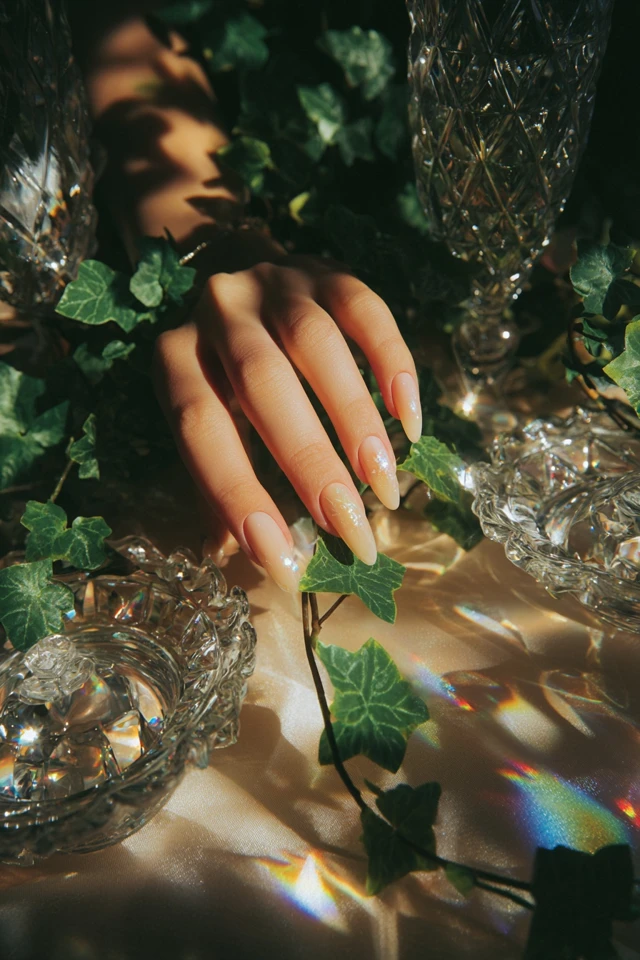
Other ways to add texture to a manicure
Flocking is not the only option. These are the most common alternatives, from subtle to bold.
- Sweater or embossed gel: a raised knit pattern drawn with thick builder or sculpting gel.
- 3D nail designs: small sculpted gel flowers, bows or waves, built up in layers.
- Rhinestones, pearls and caviar beads: set in gel and sealed around the edges so they do not catch on fabric.
- Chrome or magnetic powder: a smooth, reflective finish that gives the look of depth without adding any bulk. See magnetic flocking velvet nails for a hybrid.
- Gel encapsulation: glitter, foil or dried elements sealed between gel layers under a smooth top.
Each of these suits texture nail art in a different way. Pick one hero nail and keep the others plain, and the design reads as deliberate rather than busy.
Nail texture techniques for short nails
Short nails can carry texture well if the texture stays flat. Flocking, matte finishes, chrome and thin embossed lines add interest without extra thickness. Skip tall 3D pieces, which look heavy on a small nail and snag more often.
Keep the design on one or two nails, and use a color close to your skin tone or a deep shade for a clean look. A single beaded accent near the cuticle also works.
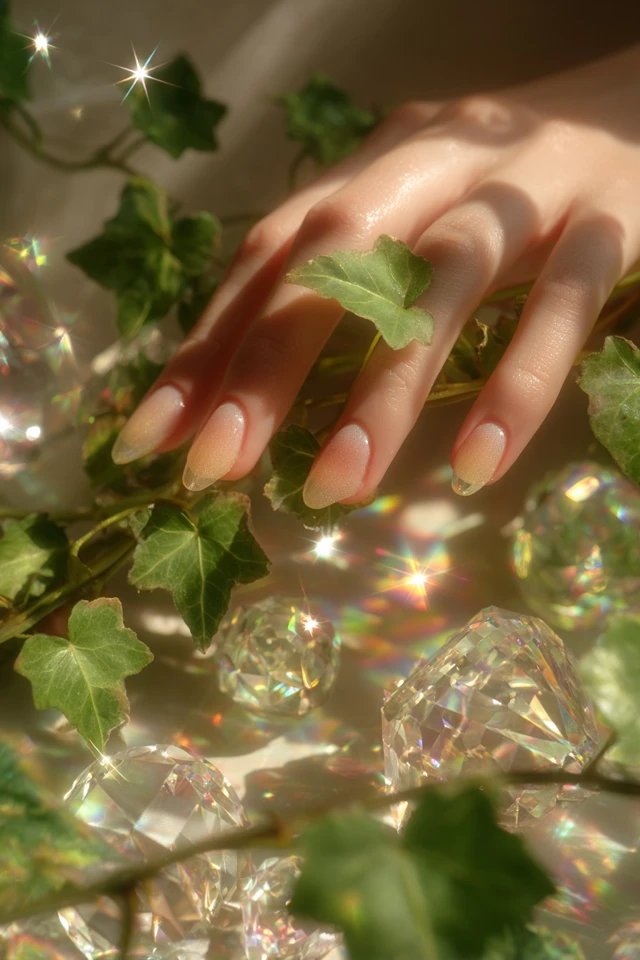
Nail texture techniques on acrylic
Acrylic gives you a strong base for sculpted designs, since you can build the shape into the extension itself. It also takes more care. According to the American Academy of Dermatology, the surface of your natural nails must be filed until they feel rough for acrylic to stick, which thins them and makes them weaker. The same page says you will need touch-ups every 2 to 3 weeks if you wear artificial nails for more than a few weeks.
If your nails are already thin or peeling, ask your technician about lighter options such as gel polish textures, and check with a dermatologist about nail health.
How to remove textured nails safely
Heavy texture takes longer to come off, so allow time. Removing gel polish carelessly can temporarily damage nails, and the Cleveland Clinic names cracking and peeling as the most common issues. The AAD notes that acetone is the most effective way to remove gel polish at home, and that after about 10 minutes under plastic wrap most or all of it should be gone.
Board-certified dermatologist Chris Adigun, MD, FAAD, says on the AAD's dip powder manicure page: "Looking closely at your nails after removing the color helps you spot a problem early."
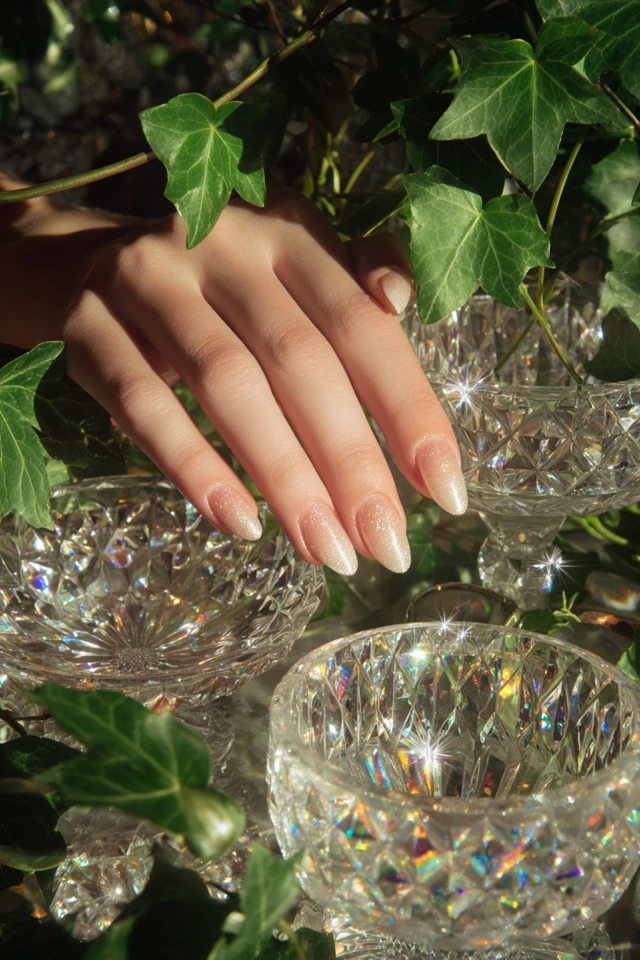
Styling textured nails
Let the nails echo something you are wearing. Velvet nails sit well beside a knit, a velour piece or a matte leather bag, while a glossy chrome nail pairs nicely with satin or silk. For more ideas on bold finishes, try velvet fiberglass nails or the quieter polished minimalist look.
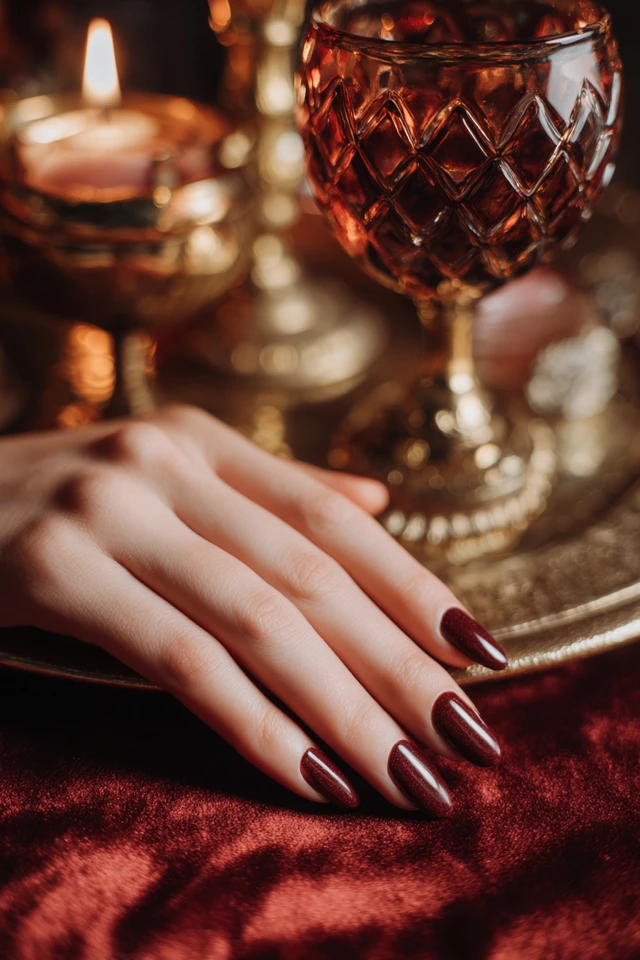
Deep jewel tones such as emerald, navy or burgundy look richest in velvet, since the fibers absorb light. Pale shades look softer and more powdery. Start with one textured accent nail if you are unsure.
Frequently asked questions
How do you do textured nails?
Choose one technique, such as flocking powder, embossed gel or beads, and apply it over a cured base color. Keep the texture on one or two accent nails if you are new to it.
How do I stop ridges on my fingernails?
Ridges are usually surface texture, and a dermatologist can tell you whether yours are harmless. A ridge-filling base coat can smooth the look, but check with a professional if the ridges are new or changing.
What is the newest nail technique?
Velvet flocking, magnetic finishes, embossed sweater gel and 3D sculpting are all popular right now. Which is newest changes quickly, so ask your technician what they offer.
Filed under Nail Design