Nail Texture Techniques: Stained Glass Looks to Try
- Words by
- Julio Arco
- Published
- Reading
- 4 min
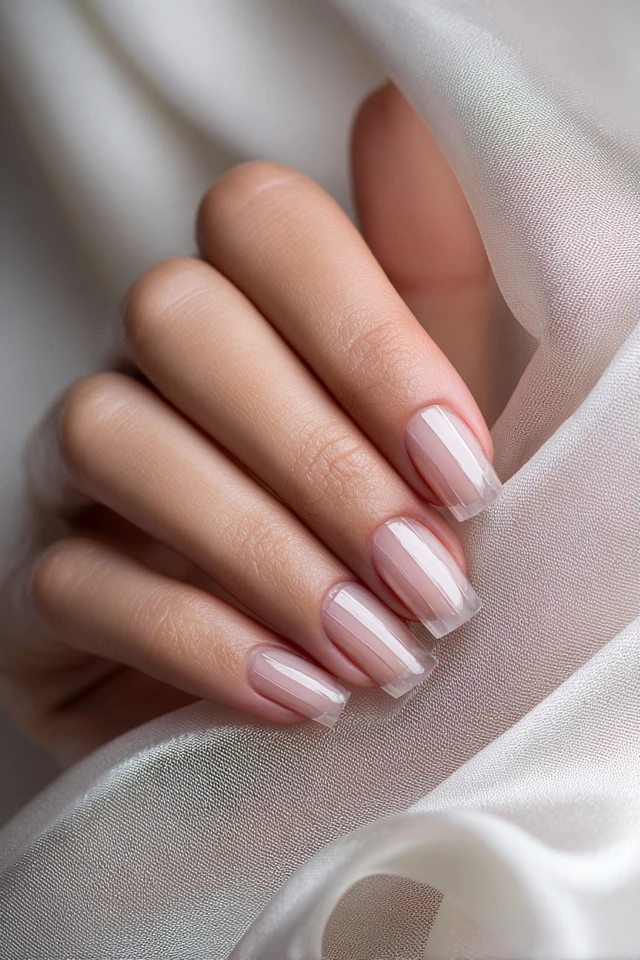
A stained glass manicure gets its look from texture as much as color: glossy, translucent panels set between thin, slightly raised outlines. The simplest way to build it is a sheer gel color in each panel, a fine dark or metallic line between them, and a glossy top coat over the panels only.
Below are the techniques that add depth, how to do textured nails step by step, and how to keep the result light enough to wear every day.
How do you do textured nails?
Start with a smooth base. Texture sits best on a clean, even surface, and a healthy nail has a smooth glossy surface, according to the National Institutes of Health's PMC library. If your nails have ridges or pitting, ask your technician about a gentle buff, and see a dermatologist if the ridges are new or painful.
- Apply a thin base coat and cure it.
- Paint a sheer, translucent color over the whole nail, or leave some areas clear.
- Draw the outlines with a fine liner brush and thicker gel or builder gel, so the line stands slightly above the color. Cure each section.
- Fill the panels with sheer shades, curing between colors so they don't bleed.
- Finish with a glossy top coat on the panels. Keep the outlines matte or metallic if you want contrast.
Work in thin layers. Thick gel looks heavy and is more likely to lift at the edges.
Matte and glossy nail contrast
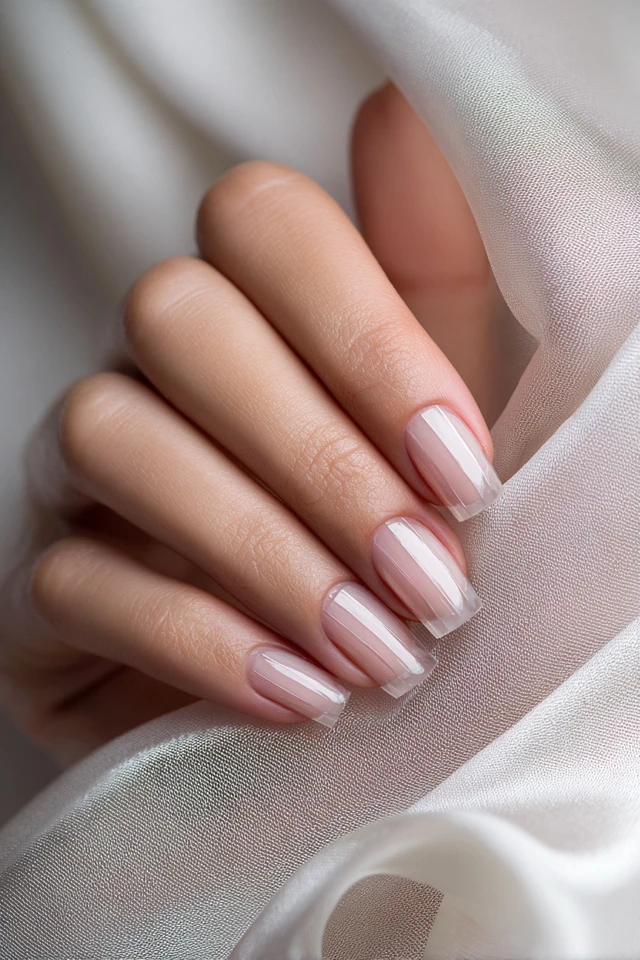
This is the easiest texture to start with. A matte top coat absorbs light, while a glossy one reflects it, so the same color reads deeper and flatter in matte and brighter in gloss.
Through the lens of evidence-based design, I'd use gloss for the colored panels and matte for the outlines. The eye goes to the shiny areas first, which keeps the stained glass effect clear instead of muddy.
Another option is a matte nail with a single glossy shape on top, or the reverse. Both read as texture without adding any real thickness.
Ways to add texture to a manicure
Raised outlines
Builder gel or thick gel liner makes the leading lines of a stained glass window. Keep them thin and consistent, and avoid crossing too many lines on one nail.
Gel layering and encapsulation
Layering sheer color under a clear coat gives a glassy depth. Encapsulating foil flakes or fine metallic pieces between layers adds sparkle while the surface stays smooth to the touch.
Chrome and specialty finishes
A little chrome powder on the outlines mimics metal framing. Use it sparingly, since a full chrome nail will outshine the translucent panels.
Small beads and stones
One tiny rhinestone or pearl at a line intersection works as a focal point. Pile on several and the glass look disappears.
Texture for short nails
Nail texture techniques for short nails work best when the design is small and tidy. Use fewer panels (two or three per nail), thinner outlines and a single accent nail with raised detail. Sheer colors and clear negative space make short nails look longer, while heavy 3D pieces make them look crowded.
Acrylic or gel: what changes
Acrylic allows sculpted, thicker detail, but it comes with trade-offs. The American Academy of Dermatology notes that to get acrylic nails to stick, the surface of your natural nails must be filed until they feel rough, which thins them. It also says artificial nails need touch-ups every 2 to 3 weeks as your nails grow.
For a stained glass look, gel is usually enough. It keeps the panels translucent and the raised lines fine.
Keep texture without bulk
- Raise only the outlines, not the whole nail.
- Limit heavy elements (stones, charms) to one or two nails per hand.
- Seal edges with top coat so nothing snags on knitwear or hair.
- Choose one texture idea per manicure and let the rest stay smooth.
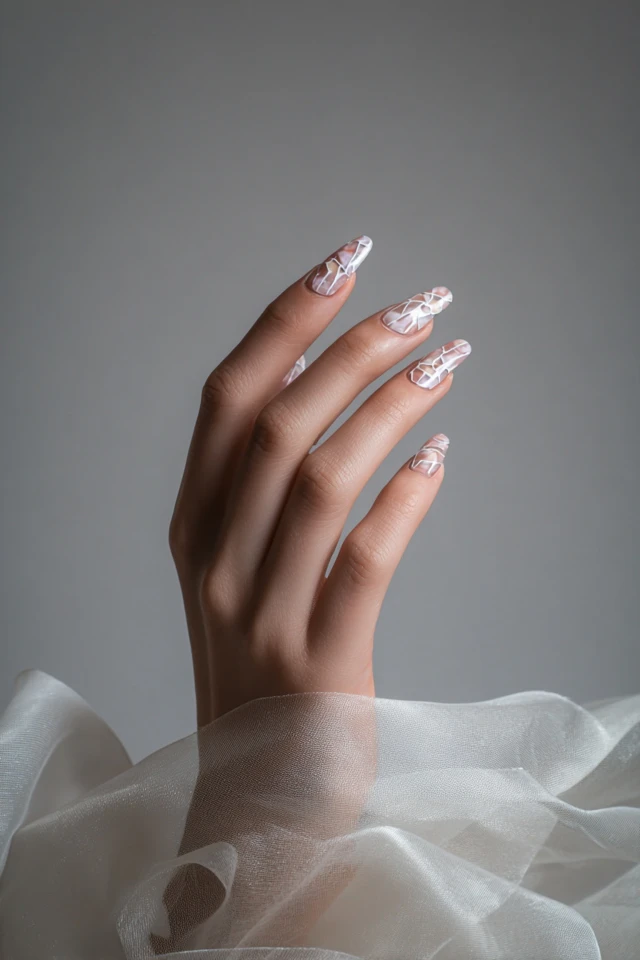
If you like this glassy direction, look at frosted glass nails, shattered glass nail art or the softer jelly finish.
Removing textured nails safely
Raised gel takes longer to come off, and rushing it is where damage happens. Cleveland Clinic says removing gel polish, if not done carefully, can temporarily damage your nails, with cracking and peeling the most common issues.
The AAD says acetone offers the most effective way to remove gel nail polish at home. Leave the wrap on for 10 minutes, then check how much has lifted. Don't scrape off what remains. If a thick builder layer resists, a technician can take it down for you.
Frequently asked questions
How do I stop ridges on my fingernails?
Ridges can be a normal part of nails, but new or painful ones are worth showing to a dermatologist. A gentle buff before polish can smooth the look, and thin gel coats hide minor ridges better than thick ones.
What is the newest nail technique?
Soft, glassy layering with sheer colors and fine raised outlines is a current direction. Chrome accents and small 3D details are often added on top.
Can I do a stained glass manicure at home?
Yes, with gel polish, a fine liner brush and a lamp, working one nail at a time. Cure each color before adding the next so the lines stay crisp.
Filed under Nail Design