Insulated Gloves for Winter Runs: How to Pick a Pair
- Words by
- Julio Arco
- Published
- Reading
- 5 min
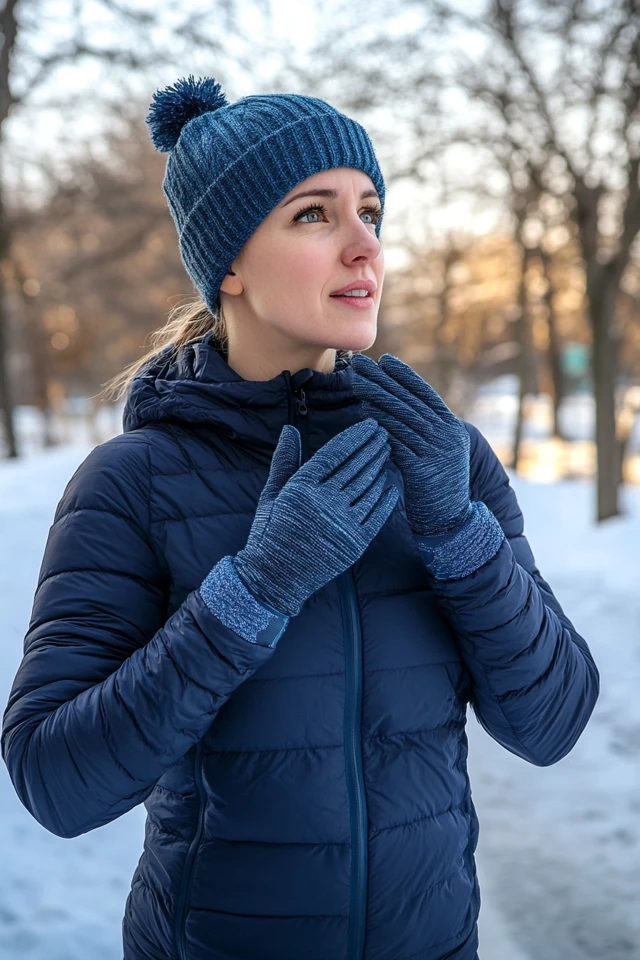
The best insulated gloves for winter runs are snug, lightweight and windproof on the back of the hand, with a moisture-wicking lining and a cuff that seals at the wrist. Skip bulky ski-style gloves: you generate heat as you run, so you want warmth without sweat building up inside.
Below: what to look for in fabric and fit, how to choose a color, and how your gloves work with the rest of your winter running layers.
What makes a glove right for running?
Running gloves have a different job from commuter or snow gloves. Your hands swing at the end of your arms, catch the full wind, and still need to work a zipper, a phone or a watch strap. A good pair covers four things:
- A windproof or wind-resistant outer, usually on the back of the hand, because wind is what chills fingers fastest.
- A soft, brushed or fleece-type lining for light insulation.
- Stretch, so the fabric doesn't bunch at the knuckles.
- An elastic or adjustable cuff that closes the gap at your wrist.
Which fabrics work best?
Look for polyester blends or wool next to the skin. Both handle sweat better than cotton. As the Texas A&M Howdy Health team puts it, you should avoid cotton, including undergarments, because it absorbs moisture and can keep it next to your skin, making you cold. The same logic applies to your hands: a damp cotton glove gets colder the longer you run.
Through the lens of evidence-based design, I'd pay attention to how the lining feels, not only how it is rated. A smooth, slightly brushed interior feels warmer on first touch and doesn't drag on damp skin, which makes you less likely to peel the gloves off mid-run.
How should running gloves fit?
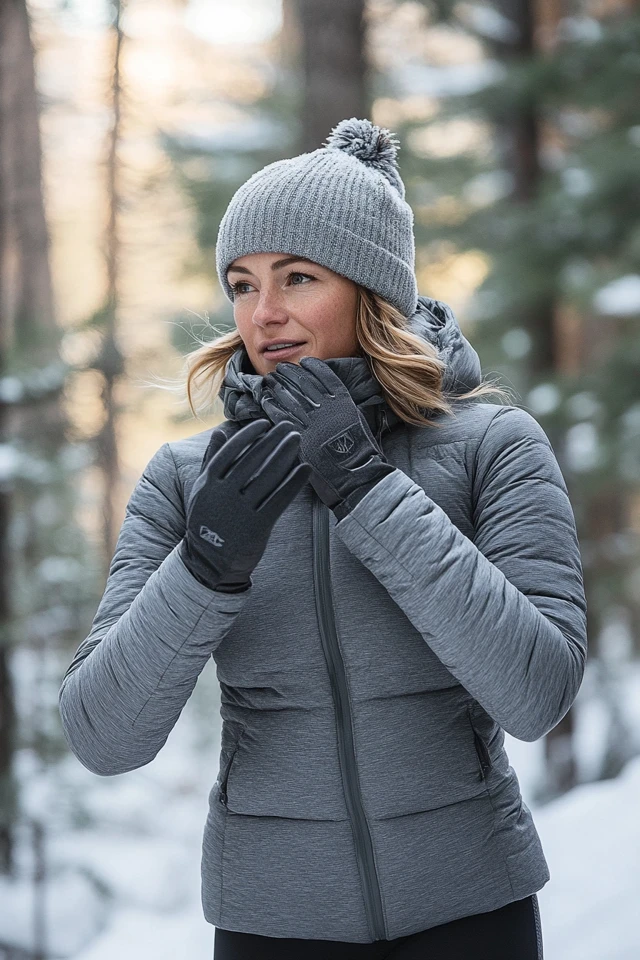
Snug, but not tight. You should be able to make a full fist without the fabric pulling across the knuckles, and the fingertips should sit flush with no empty space at the ends. Loose fingertips hold cold air, and extra fabric bunches under your grip.
- Slim hands: pick a close, stretchy cut so the material doesn't fold between fingers.
- Larger hands: look for brands that sell several sizes, or a knit with real give, and size up if the seams pinch.
- Long runs: choose the lightest, most breathable option that still blocks wind. Your hands will warm up after the first mile.
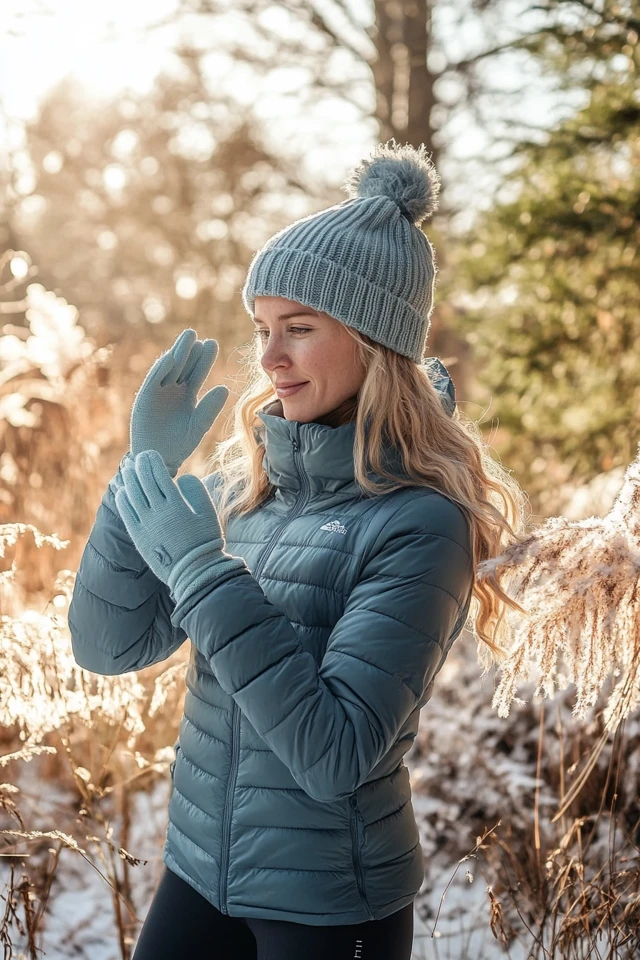
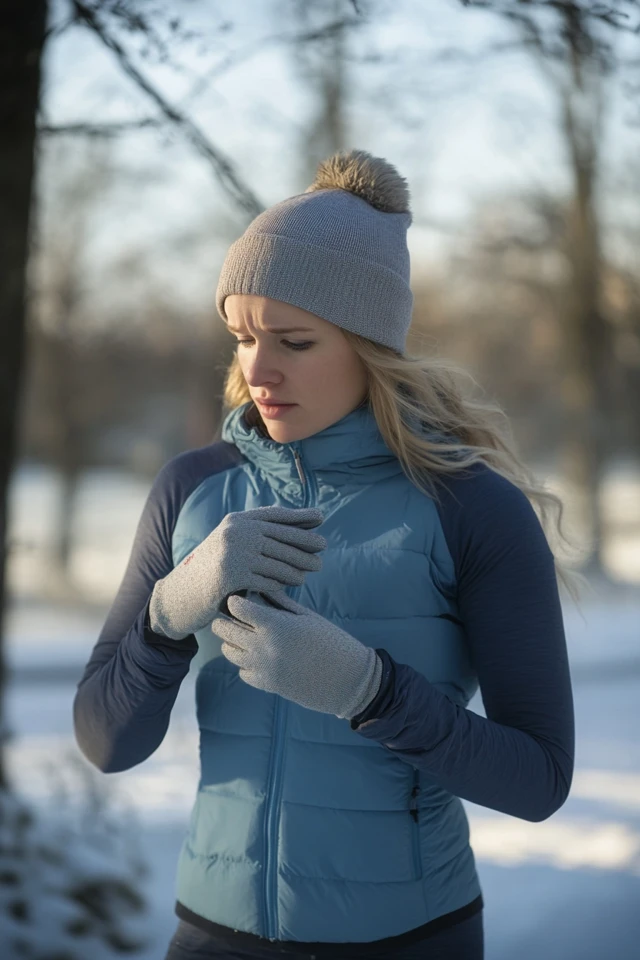
If you prefer a close knit for city runs and commutes, fitted knit gloves follow the same fit rules. For mild, dry mornings when full gloves feel like too much, fingerless gloves are an option, though they won't help in real frost.
What about touchscreen tips, grips and reflective details?
Touchscreen fingertips are worth having on at least the thumb and index finger. Test them with your own phone before you run, since sensitivity varies from pair to pair. Silicone grip dots on the palm help with a water bottle or phone, and reflective trim on the back of the hand is visible to drivers when your arms swing in low light.
Which color should you choose?
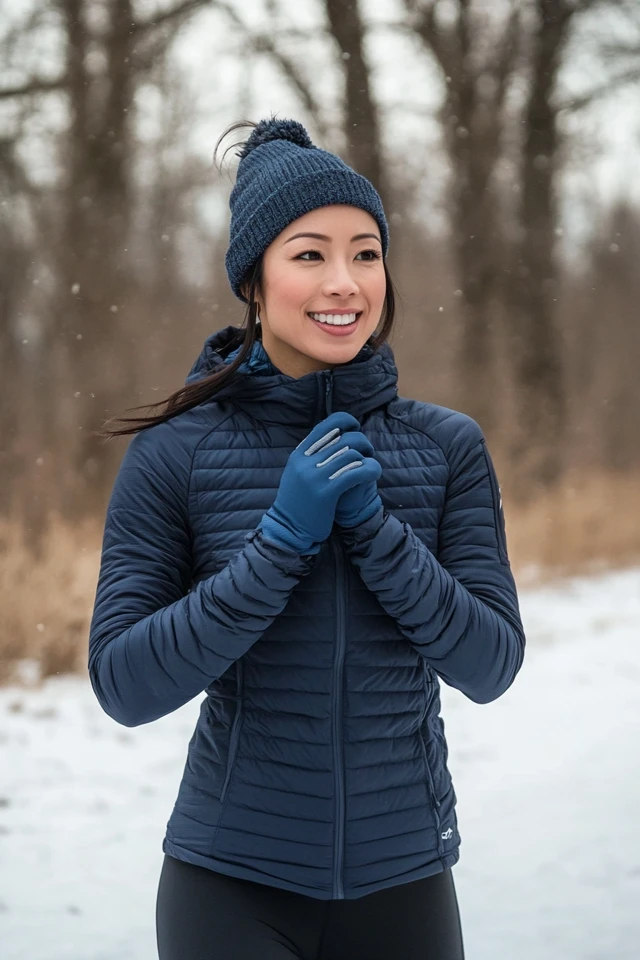
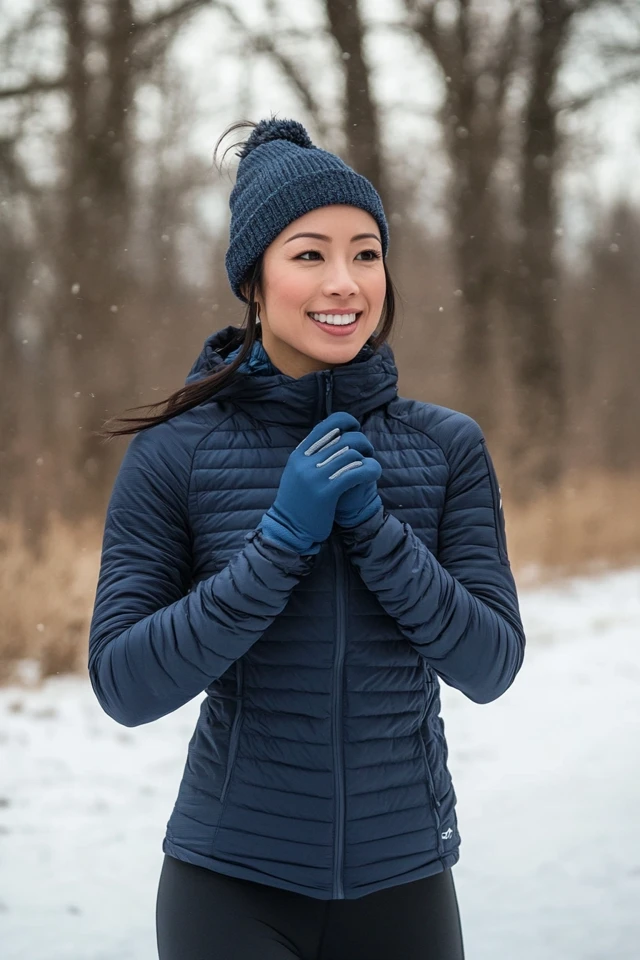
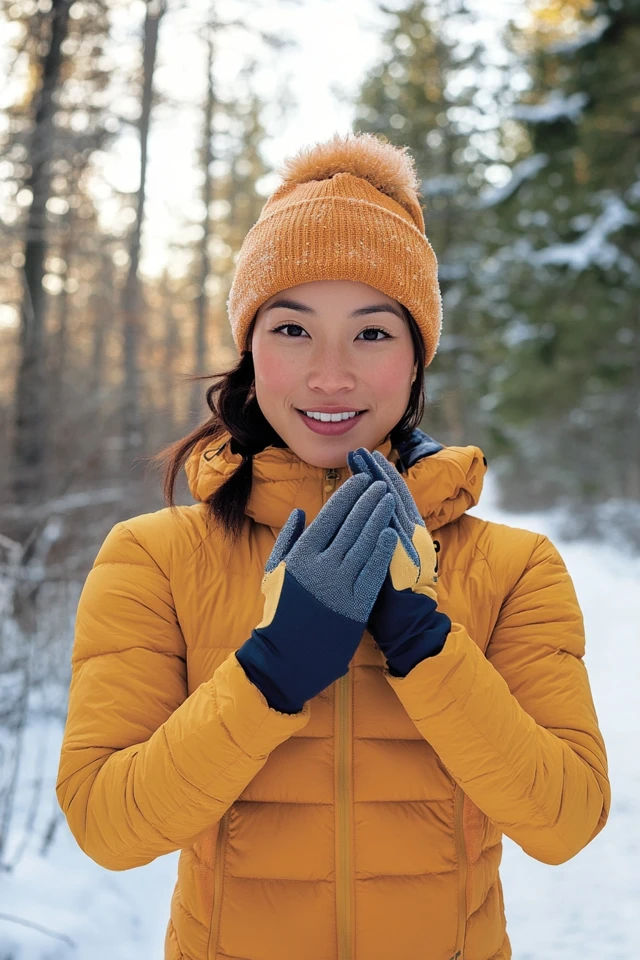
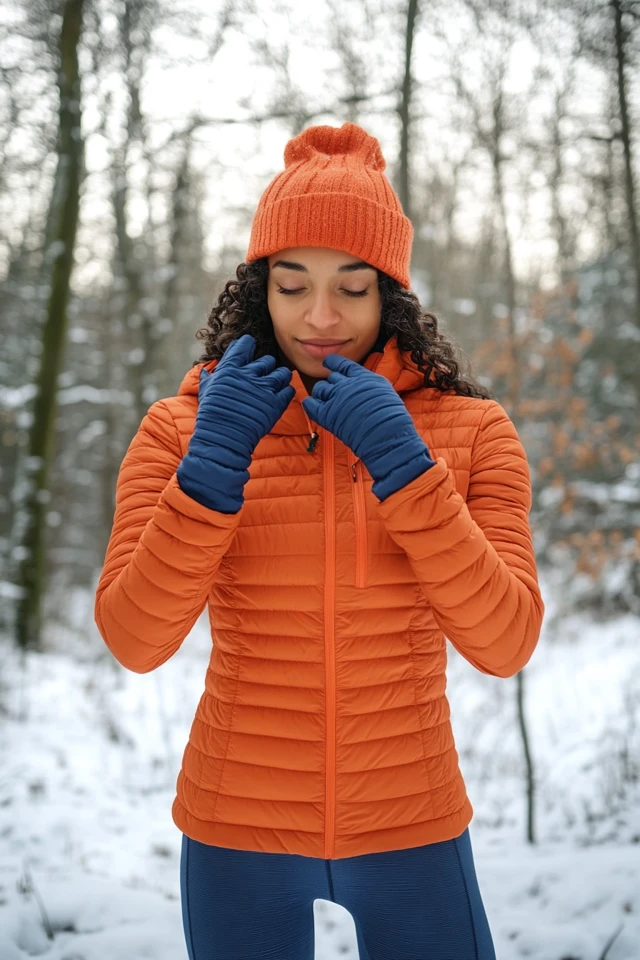
For early mornings and evenings, a bright shade or reflective accent makes you easier to spot. Neon yellow and orange are the usual picks because they stand out against grey pavement and dark winter backgrounds. For daytime runs, black, grey and navy go with any jacket and hide dirt, which matters because running gloves get handled constantly.
Color also changes how an outfit reads. A single bright accent on your hands against all-dark layers draws the eye to the movement of your arms, which is useful for visibility and looks deliberate.
How do gloves fit into a winter running layering system?
Gloves only work if the rest of your body is comfortable too. If your core is cold, your hands will be as well. Here is the answer to what is the 3 layer rule for winter: a base layer next to the skin, a middle layer for insulation, and an outer layer against wind and weather. WVU fashion professor Angela Uriyo says the lessons are the same for us as they were for the Romans and Vikings: "Layer up, keep your layers dry and loose enough to trap air, and block the wind."
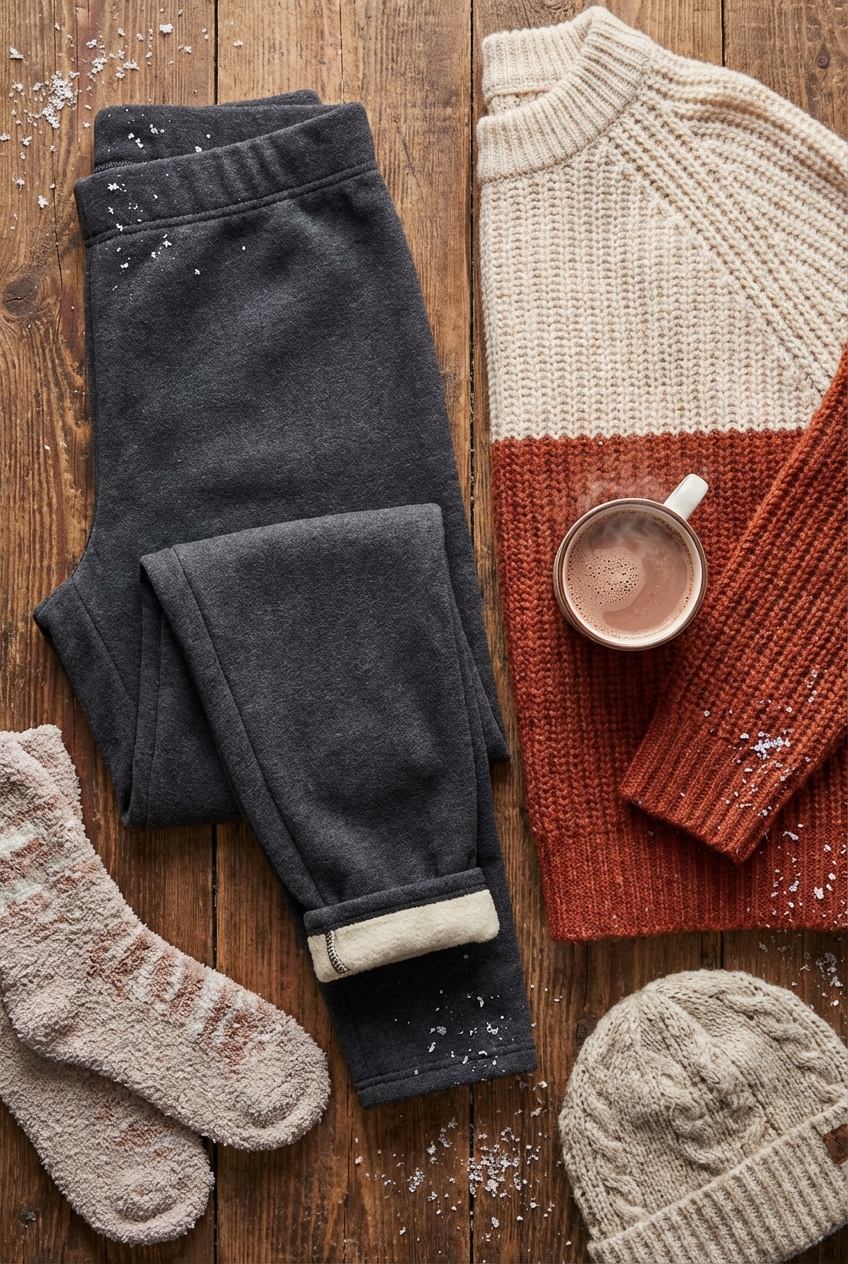
For running, you often drop the middle layer or make it very light, because you heat up fast. The base layer does most of the work. WVU Today notes that a snug-fitting base layer draws moisture away from the skin so it remains dry. When you shop for base layer clothing for cold weather, look for a close fit and a synthetic or wool fabric. Merino wool base layers are a popular choice because they feel soft and stay comfortable when damp, and I'd pick them for long, steady runs where you don't want to feel clammy.
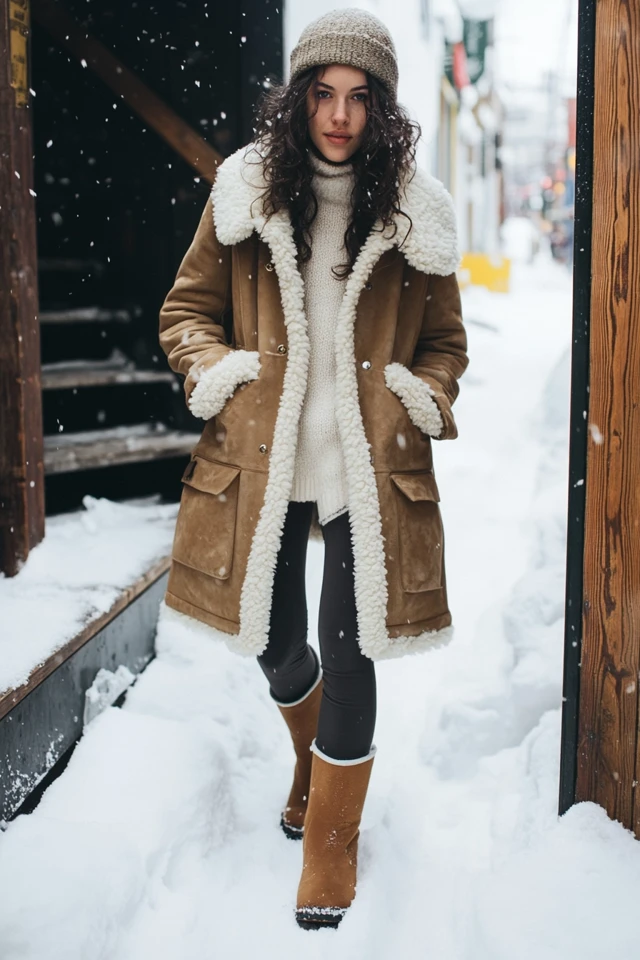
On top, a light fleece jacket works for slower or colder outings, and an insulated hat with ear flaps covers the other spot where heat escapes. For more cold-weather pieces, see this roundup of winter scarves, gloves and beanies.
When are liner gloves or mittens a better idea?
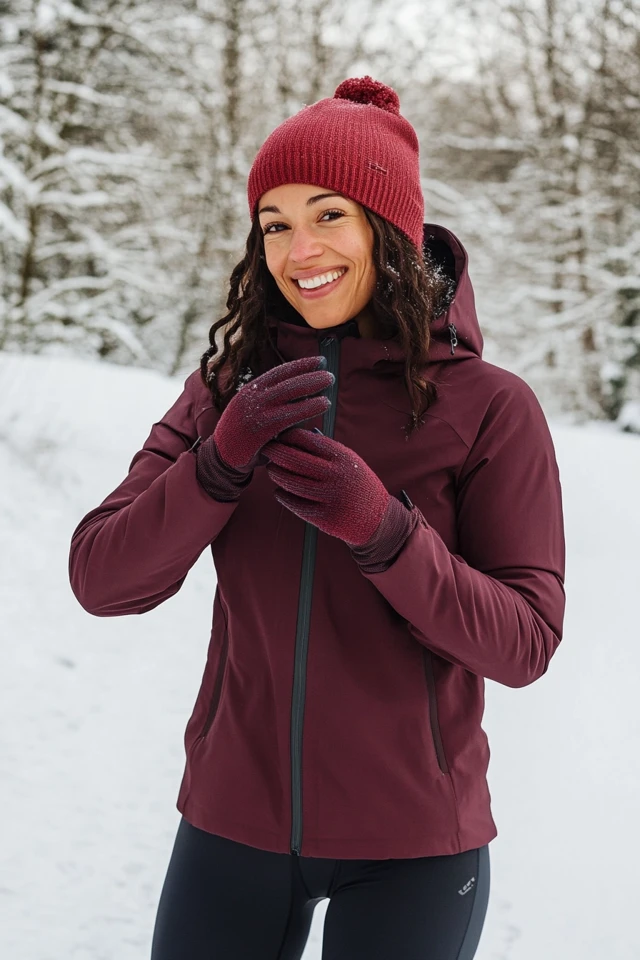
On very cold days, a thin liner glove under a windproof outer glove gives you two thin layers instead of one thick one, and you can remove the outer pair if you warm up. Convertible gloves with a fold-over mitten cover do the same job in one piece. Heated gloves exist for extreme cold, but they add weight and need charging, so they suit long, slow outings more than fast runs.
How do you care for running gloves?
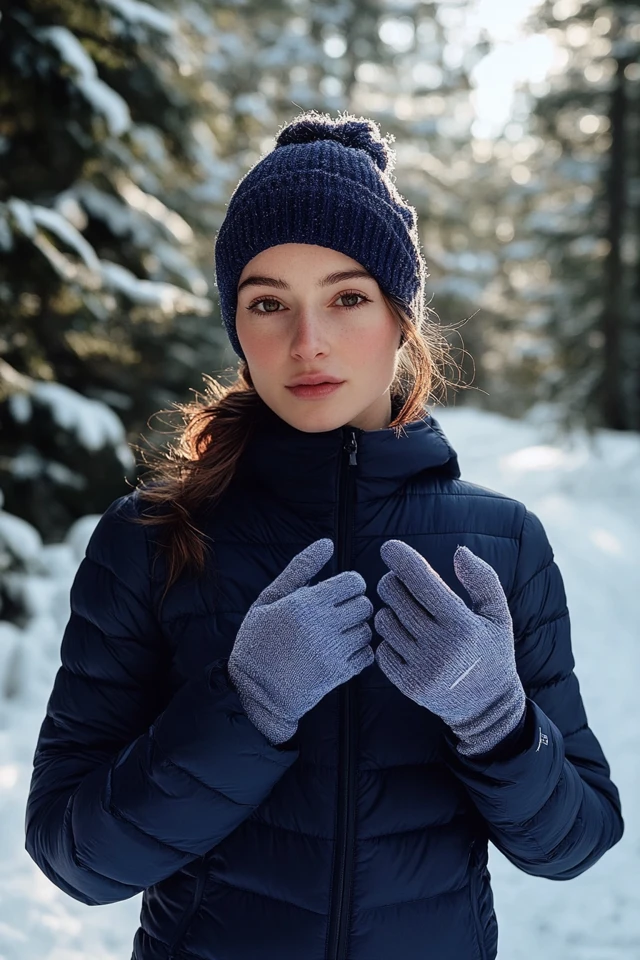
- Follow the care label. Many pairs take a gentle wash, but some coatings and grips don't.
- Air-dry them flat or hang them up. Direct heat can damage elastic and grip pads.
- Keep a second pair in your bag, since a wet glove loses most of its warmth.
Frequently asked questions
How do I stop my hands sweating in running gloves?
Choose a thin, breathable glove with a moisture-wicking lining and avoid cotton. If your hands still overheat, switch to a lighter pair or add a liner you can remove.
Are touchscreen gloves less warm than regular gloves?
Not necessarily. The conductive fingertips are small patches, and the rest of the glove can have the same lining and wind protection as a standard pair.
What if my hands still get cold with gloves on?
Try a thin liner under a windproof glove, or switch to a mitten-style cover. Check that the cuff seals at your wrist, and if cold or numb fingers are a recurring problem, check with a doctor.
Can I use running gloves for other activities?
Yes. Lightweight insulated gloves also suit cycling, walking and cold-weather errands, though thick work or snow tasks need a heavier pair.
Filed under Weather Style