Insulated Overalls for Frosty Outdoor Activities
- Words by
- Julio Arco
- Published
- Reading
- 5 min
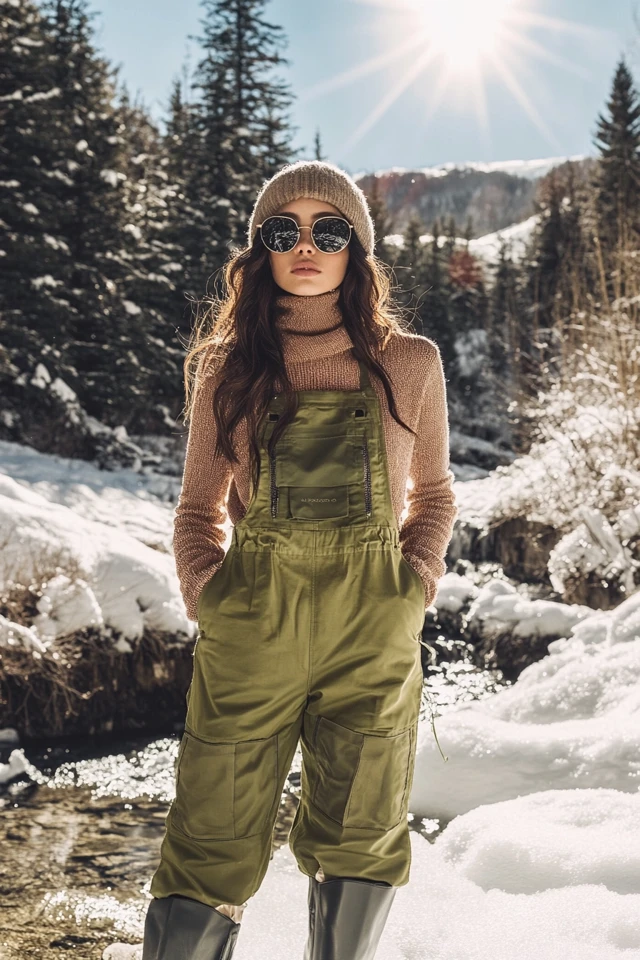
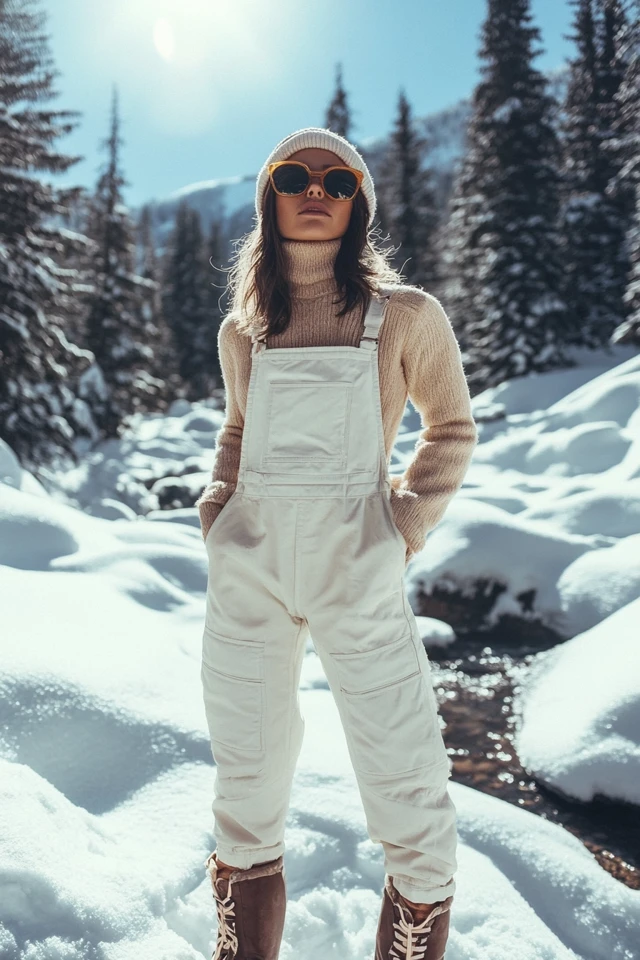
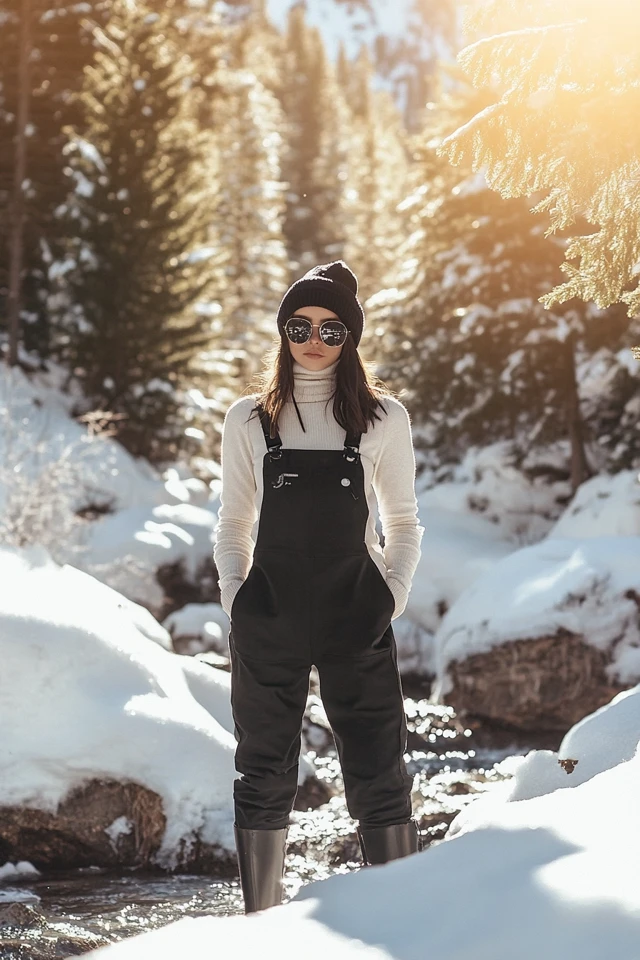
Wear snow pants over the top of your boots in most conditions: the cuff falls past the boot shaft and sheds snow away from the opening. Tuck them in only when the boot is short and the pants have a snug, slim leg, or when you want to see the boot.
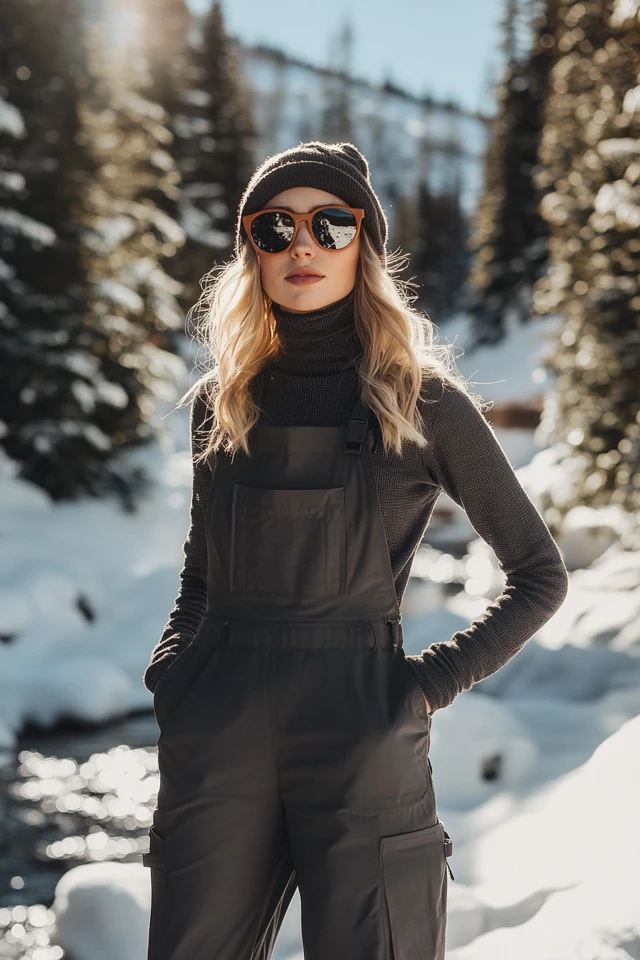
The same logic applies to insulated overalls, which are simply snow pants with a bib and straps. Everything below works for both.
Should snow pants be tucked into boots?
It depends on the boot height and the snow. With tall, waterproof boots, the pants go over the shaft. Snow that lands on the pants slides down the outside and stays out of the boot.
Tucking in works when the boot is tall and stiff, the pants are slim, and the weather is dry and cold rather than wet. It also gives you a cleaner line and keeps a long hem out of slush. The catch is that snow falling from above can drop straight into the boot opening.
- Over the boot: deep snow, sledding, skiing, shoveling, anything wet.
- Tucked in: light snow, short walks, slim pants, tall boots with a snug top.
If your pants have an inner gaiter or snow cuff, use it. Pull it over the boot and the question mostly answers itself.
How to wear snow pants with boots
Put the boots on last, or at least adjust them last. Here is the order that avoids a lot of fiddling:
- Put on your base layer and socks first, pulling the socks up smoothly so there are no bunches under the heel.
- Step into the snow pants or overalls and bring the hems to about ankle height.
- Put on your boots and lace or tighten them fully.
- Drop the hem over the boot, or tuck and cinch, then close any ankle cuffs.
Side zippers on the leg make this much easier, because you can open the leg wide, get the boot on and close it. They are a small detail that matters on a cold driveway.
Check the hem length too. It should reach the top of the boot's laces when you stand, without dragging under the heel when you walk. A hem that drags wears through and soaks up slush.
What to wear under snow pants
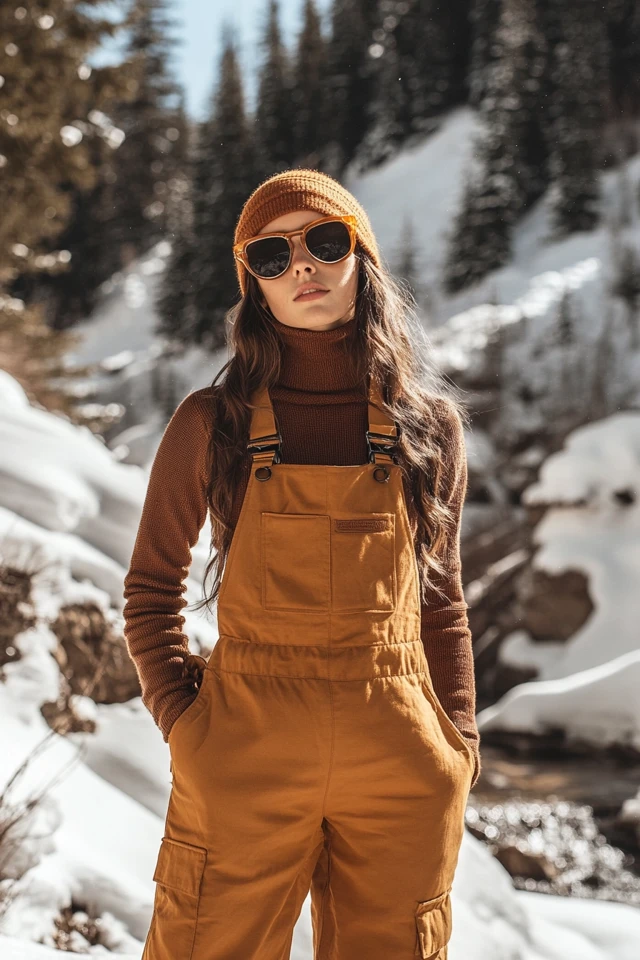
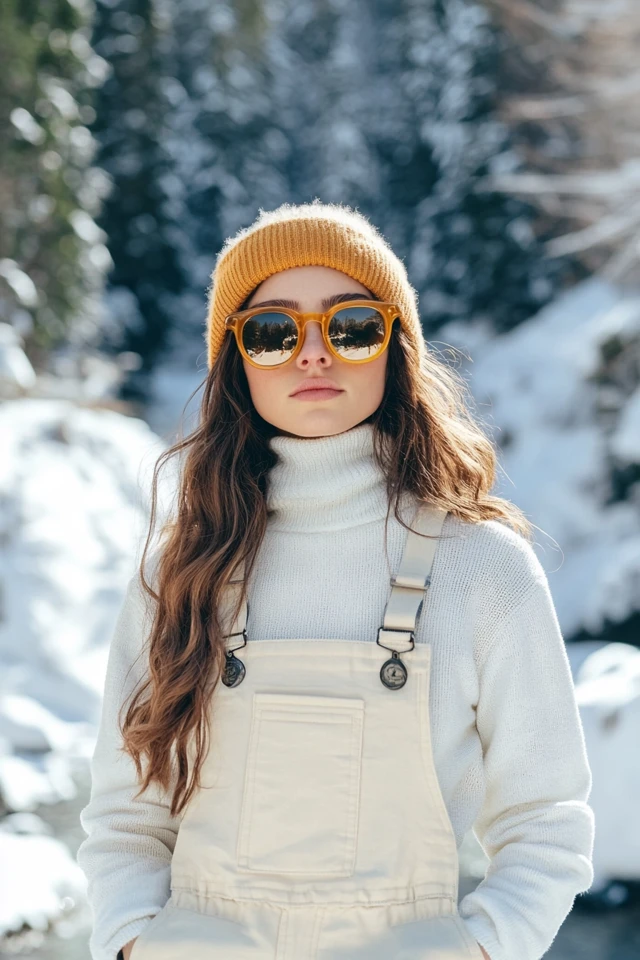
Think in two thin layers rather than one thick one. Against the skin, wear a moisture-wicking base layer. Texas A&M's Howdy Health notes that the layer closest to your skin should be made of moisture wicking materials that draw sweat away from your skin.
Skip cotton, including underwear. The same source says cotton absorbs moisture and can keep it next to your skin, making you cold.
Over the base layer, add leggings or fleece pants only if the temperature calls for it. Insulated pants already hold warmth, and too many layers compress the insulation and restrict movement. For a mild day, a base layer alone is often enough.
What pants to wear with winter boots when you are not in snow gear
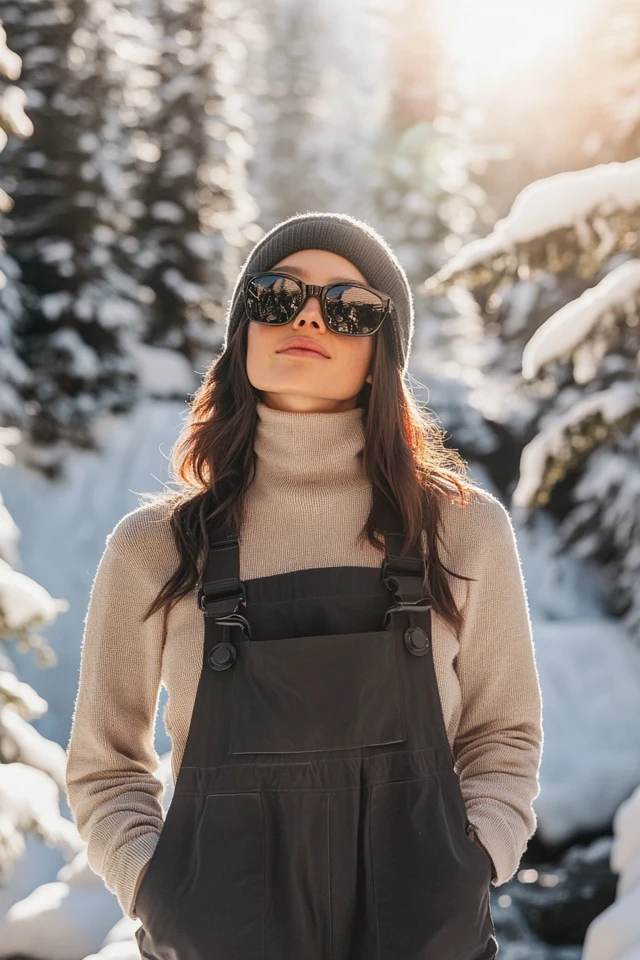
For everyday winter walking, the pants that work best are the ones with a hem you can control. Straight or slightly tapered pants in wool, corduroy or a heavy denim sit over a boot shaft or tuck in without bulk.
Wide, flared hems catch slush. Very skinny jeans tuck neatly but leave your shins with little insulation, so pair them with long socks or thermal leggings underneath.
Through the lens of evidence-based design, I'd keep the pant and boot in a similar tone. A dark boot under a dark hem reads as one long line, which is easier on the eye in a gray winter scene and makes legs look longer.
How to choose insulated waterproof snow pants
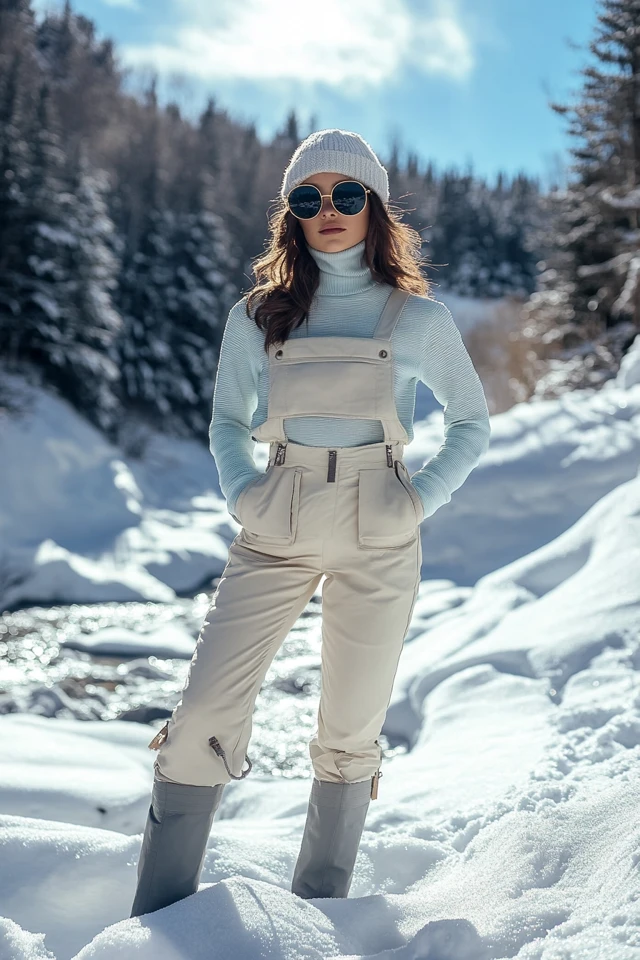
Look at four things before the color:
- Waterproofing: a coated or laminated shell with taped seams matters more than a thick lining if you will be sitting or kneeling in snow.
- Insulation: heavier fill for standing around in extreme cold, lighter fill if you move a lot and warm up.
- Fit: room to bend your knees and layer, without excess fabric at the ankle that gathers over the boot.
- Reinforcement: a tougher panel at the knees, seat and inner ankle lasts longer.
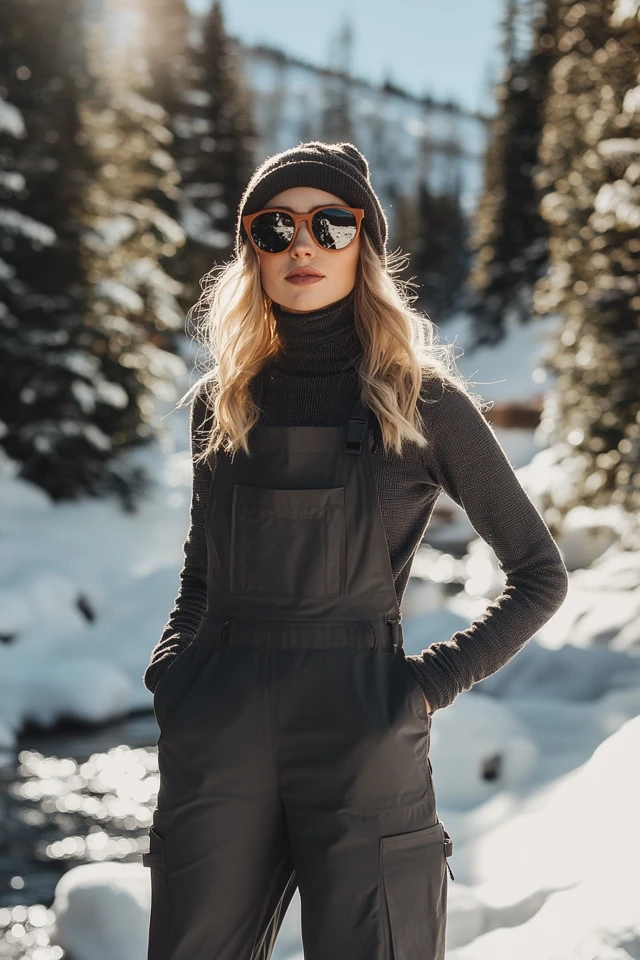
Bibs and overalls cover your lower back, which stops cold air creeping in when you bend or sit. They are a good pick for kids, sledding, shoveling and work. Regular snow pants are easier for bathroom stops and for people who dislike straps. If you want to compare styles, see our posts on insulated snow pants and insulated overalls for snowy adventures.
Choosing winter boots to pair with them
A winter boot should have a waterproof lower section, a firm sole with grip, and room for a thicker sock. Harvard Health advises leaving at least a quarter to a half inch between your longest toe and the end of the shoe. Try boots on with the socks you will actually wear.
Tight boots also cut circulation, which makes feet colder, so a little room helps. Podiatrist Gina Hild, DPM, says that "Footwear that offers cushioning plus heel and arch support can help you relieve and manage symptoms". If you have foot pain, check with a podiatrist before choosing boots for long days outside.
The same fit rules apply to women's, men's and kids' boots. For kids, check the fit more often, since feet grow quickly.
Finish the outfit and care for your gear
Add a warm top layer such as a fleece jacket under a shell, then a hat and gloves. If you need a coat for wind, an insulated ski jacket pairs well with snow pants.
Wash snow pants following the label, and skip harsh detergents that can strip waterproof coatings. Air dry rather than using high heat, which can damage the insulation and the shell. Store them dry to avoid musty smells.
Boots wear out too. Gina Hild, DPM, says in the Cleveland Clinic article that "Shoes typically only last about six months or so depending on the activity level of the individual." Winter boots may last longer with lighter use, but when the sole is smooth or the lining is packed flat, replace them.
Frequently asked questions
What pants do you wear with winter boots?
Straight or slightly tapered pants in wool, corduroy or heavy denim work well, because the hem can go over or tuck into the boot. Add thermal leggings underneath if the pants are thin.
What should I wear under my snow pants when I ski?
Start with a moisture-wicking base layer and avoid cotton. Add a thin fleece or thermal layer only on very cold days, so you can still move comfortably.
What is the difference between insulated overalls and snow pants?
Overalls add a bib and straps, so they cover the lower back and stay put when you bend. Snow pants are easier to take on and off and feel less restrictive for some people.
Can insulated overalls be worn for skiing or snowboarding?
Yes, if they are waterproof and let you bend and move freely. Check that the leg opening fits over or around your boots without gaps.
Filed under Weather Style