Gloves, Mittens and Ear Warmers: How to Pick a Set
- Words by
- Julio Arco
- Published
- Reading
- 4 min
For the coldest days, mittens are usually warmer than gloves, because your fingers share heat in one space instead of being separated. Fluffy ear warmers cover the other cold spot, and a matching set keeps the whole look consistent.
Below: how to choose between gloves and mittens, what to wear to keep your ears warm, and how to put together a set that looks intentional.
Do gloves or mittens keep you warmer?
Mittens, in most cases. Gloves give each finger its own sleeve, which means more surface area exposed to cold and less shared warmth. Mittens let your fingers sit together and warm each other.
The trade-off is dexterity. If you need to handle keys, zippers or a phone, gloves win. If you are mostly walking, waiting for a bus or standing at a market, mittens are the better pick.
A middle path: convertible flip mittens
Convertible flip mittens have a fingerless glove underneath and a mitten flap on top. You get warmth while walking and free fingertips when you need them. Check that the flap stays put when folded back, since a flap that flops around gets annoying fast.
Touchscreen options
A touch screen mittens and ear warmer set suits commuters who check their phone constantly. The conductive patch is usually on the thumb and index finger, so try it on your own phone before you rely on it.
What to wear to keep your ears warm
You have three real options: a fluffy ear warmer headband, earmuffs, or a hat with ear coverage. Ear warmers sit over the ears without squashing your hair, which is why they are popular with anyone who dislikes hat hair. For very low temperatures or wind, a hat with flaps gives more coverage. See insulated hats with ear flaps and thermal hats with ear covers for those.
Ear warmers are also easy to pack. They fold small enough for a coat pocket, so you can wear them only when the wind picks up.
How should an ear warmer fit?
It should sit snugly over your ears without pressing hard. Too loose and it slides off when you move; too tight and it gets uncomfortable within the hour. An adjustable or stretchy band helps. If you wear glasses, a slim band is easier to live with than a thick one.
Choosing ear warmer and glove sets
Matching sets save you from guessing what goes together. An earmuffs and gloves set is a simple way to look put together, and it works well as a gift because sizing is forgiving.
- Pick one fabric family. Faux fur ear warmers pair well with a knit or fleece-lined mitten, since the textures are soft but different.
- Keep the color story simple: black, gray, cream or camel are easy to wear with most coats.
- If you want a bold color, put it in one piece, such as a teal ear warmer, and keep gloves neutral.
Through the lens of evidence-based design, I'd treat texture as the first thing the eye reads. A fluffy ear warmer catches light and looks softer than a flat knit, so it can carry an outfit even in a plain color.

Soft and warm materials
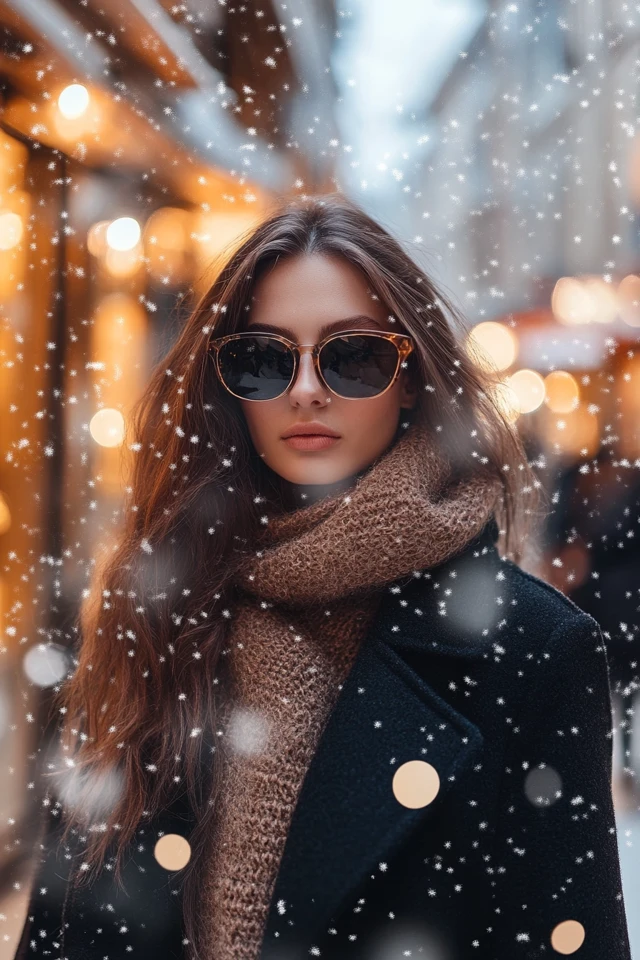
Fleece lining, wool blends and faux fur all insulate well. What matters most is what touches your skin. Moisture is the enemy: Texas A&M's Howdy Health advises avoiding cotton because it absorbs moisture and can keep it next to your skin, making you cold. That is worth remembering if your hands sweat in a lined glove or you walk fast in the cold.
For a lining, look for a smooth fleece or a synthetic that dries quickly. Outer fluff is mostly about looks and wind-blocking, so a thicker pile is a styling choice more than a warmth guarantee.
Gloves for cold hands and older wearers
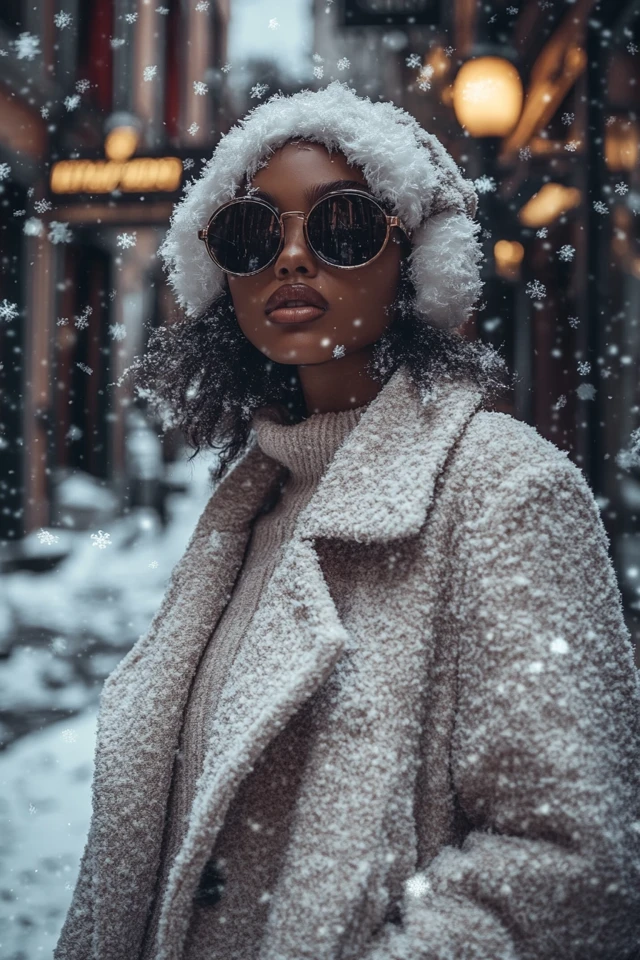
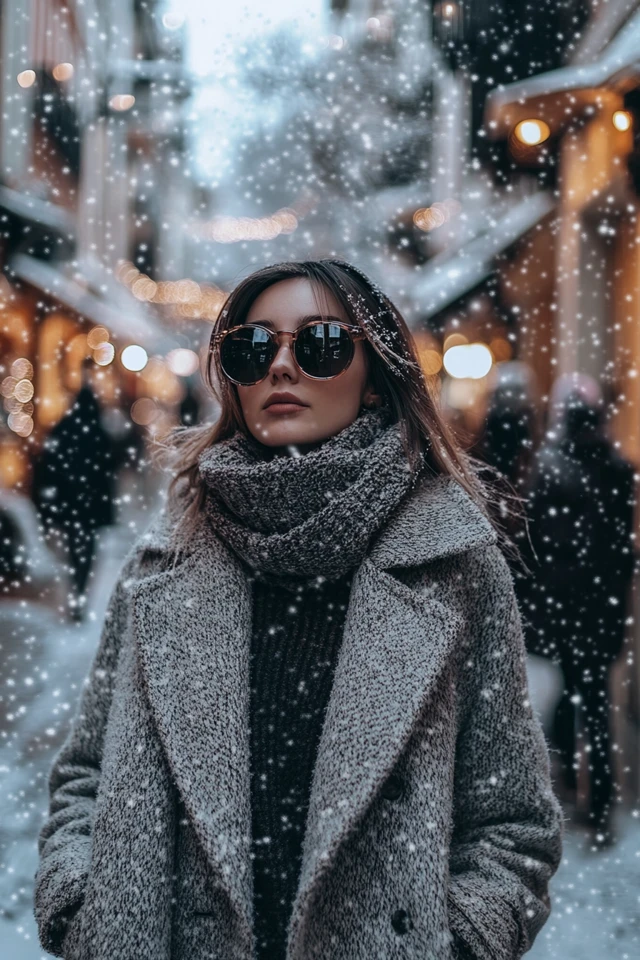
If you or someone you are shopping for has hands that run cold, choose mittens or lined gloves with a longer cuff that tucks under a coat sleeve. Easy-grip fabric and stretchy cuffs are simpler to pull on. For circulation problems or numbness, check with a doctor rather than relying on clothing alone.
How to style the set
Casual days
A puffer or parka, leggings and snow boots work with neutral ear warmers and mittens. For more on the rest of the outfit, see fluffy parkas and fluffy snow boots.
Dressier outfits
With a tailored wool coat, choose sleek ear warmers and thin lined gloves in a matching tone. A scarf in the same color family finishes it; fluffy scarves are an easy match.
Outdoor days
For skating or hiking, pick an adjustable band and mittens with a snug cuff so nothing slips. Waterproof outer fabric matters more than fluff here.


Care tips
- Spot clean ear warmers with a damp cloth.
- Brush faux fur gently to keep the pile from matting.
- Store them dry and uncrushed so the fluff keeps its shape.
- Check the care label on gloves before machine washing, especially lined or touchscreen pairs.

Frequently asked questions
Do gloves or mittens keep you warmer?
Mittens usually do, because your fingers share warmth in one compartment. Gloves are better when you need dexterity.
What to wear to keep your ears warm?
An ear warmer headband, earmuffs or a hat with ear flaps all work. Choose the hat for wind and deep cold, and the headband when you want to keep your hair neat.
Are there gloves that actually keep your hands warm?
Look for a lined glove with a snug, longer cuff, or switch to mittens for the coldest days. Keeping the lining dry matters as much as thickness.
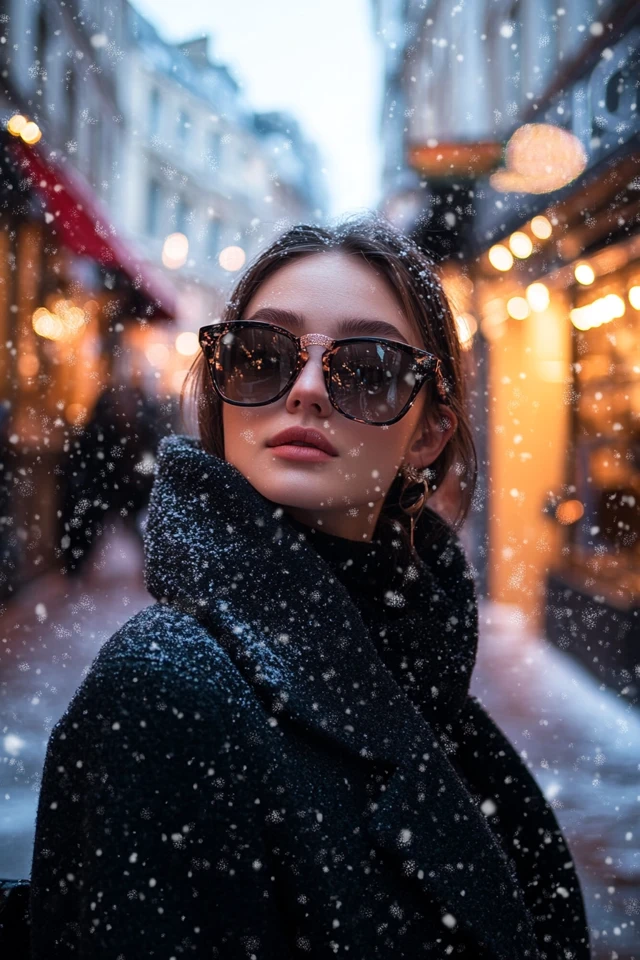
Can I wear ear warmers with glasses?
Yes. A slim or stretchy band sits more comfortably behind and around the temples than a thick one.
Filed under Seasonal Trends