Velvet Satin Evening Gowns: Pairing Velvet With Tulle
- Words by
- Julio Arco
- Published
- Reading
- 5 min
Velvet and tulle work together because they are opposites: velvet is dense and soft, tulle is light and sheer. Put velvet on the bodice and tulle in the skirt, and you get structure on top and movement below.
If you are browsing women velvet satin evening gowns, the same logic applies. A matte, deep-pile velvet next to a glossy satin or a airy tulle gives the eye a clear contrast to read. Below are the silhouettes that use it best, plus fit, color and styling notes.
Why velvet and tulle work together
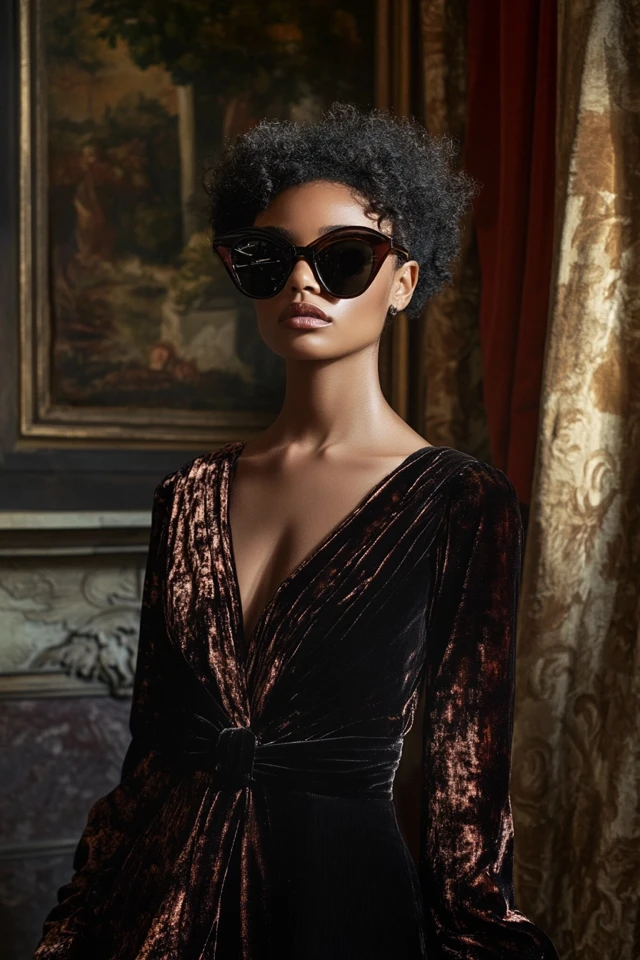
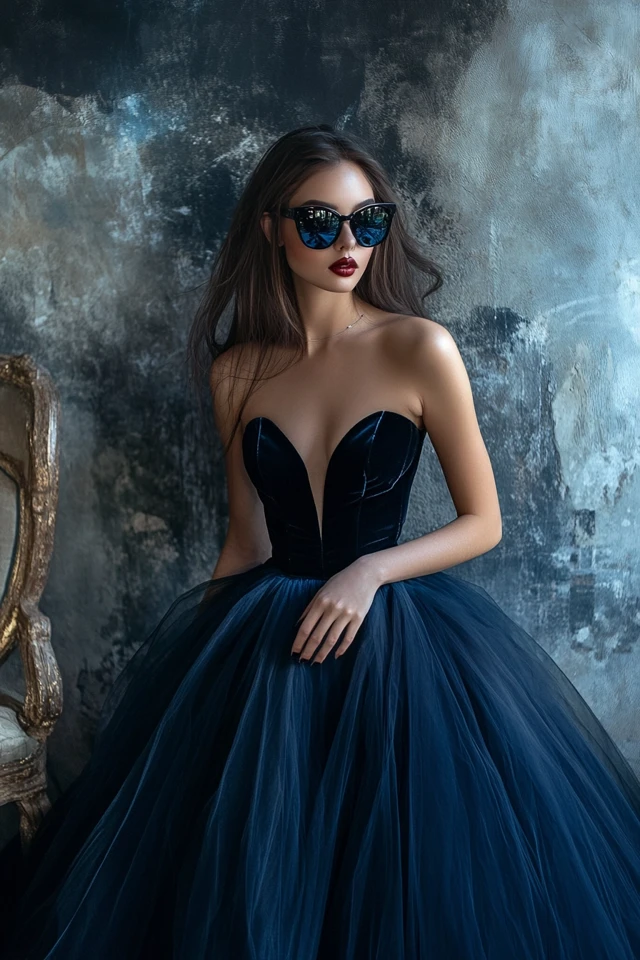
Through the lens of evidence-based design, I'd start with texture before color. Velvet absorbs light and looks deep and saturated. Tulle scatters it and looks soft and slightly hazy. Side by side, the same shade reads as two different colors, which is why a navy velvet bodice with navy tulle looks layered rather than flat.
Weight matters too. Velvet gives a gown shape and holds a fitted line. Tulle adds volume without much heft, so a full skirt does not drag. That balance is the reason the pairing suits both a winter gala and, in a lighter velvet and pale tulle, a spring wedding.
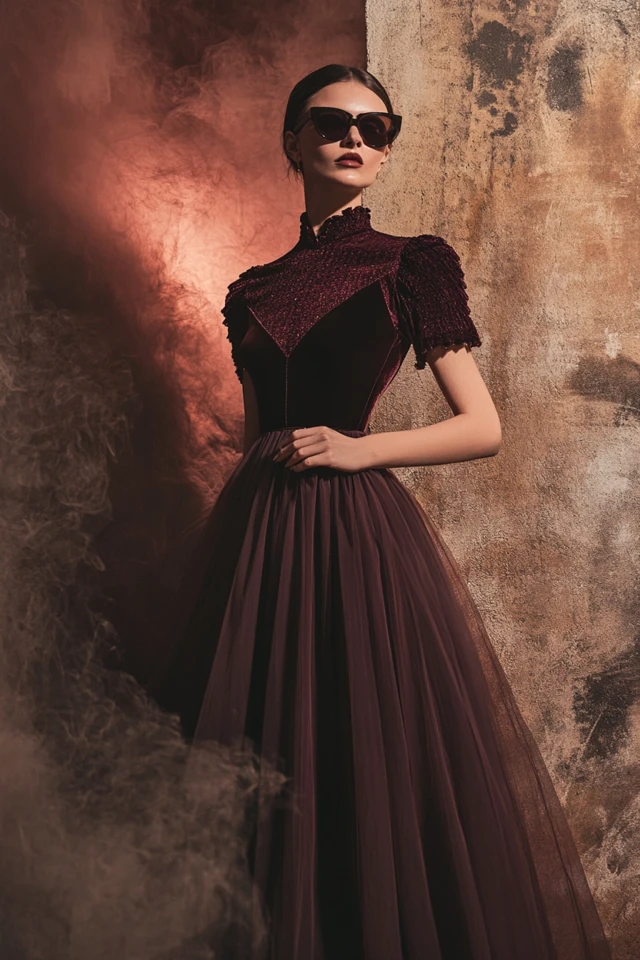
Which velvet and tulle silhouettes are worth considering?
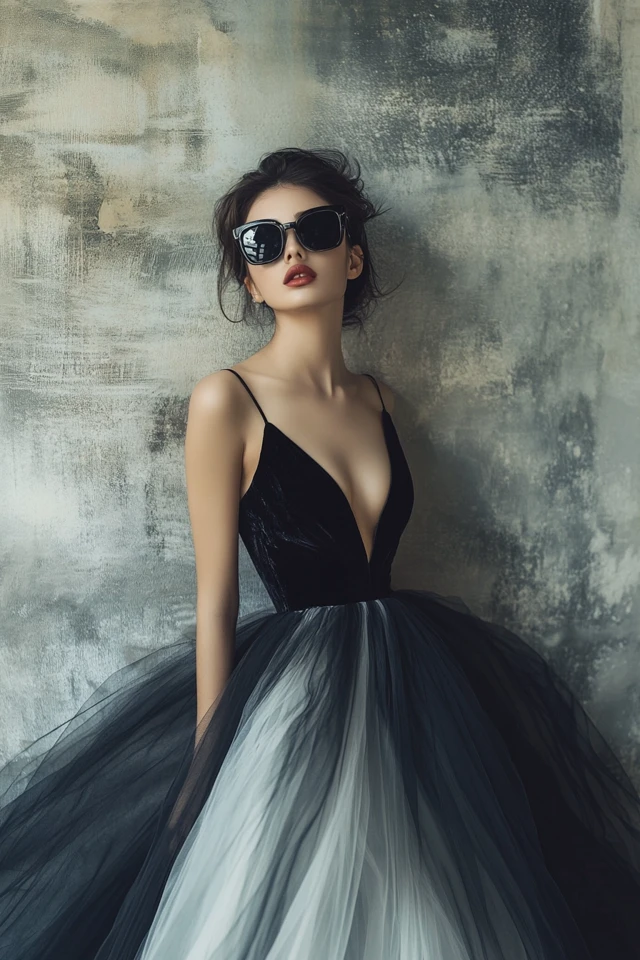
Velvet bodice with a tulle ball skirt
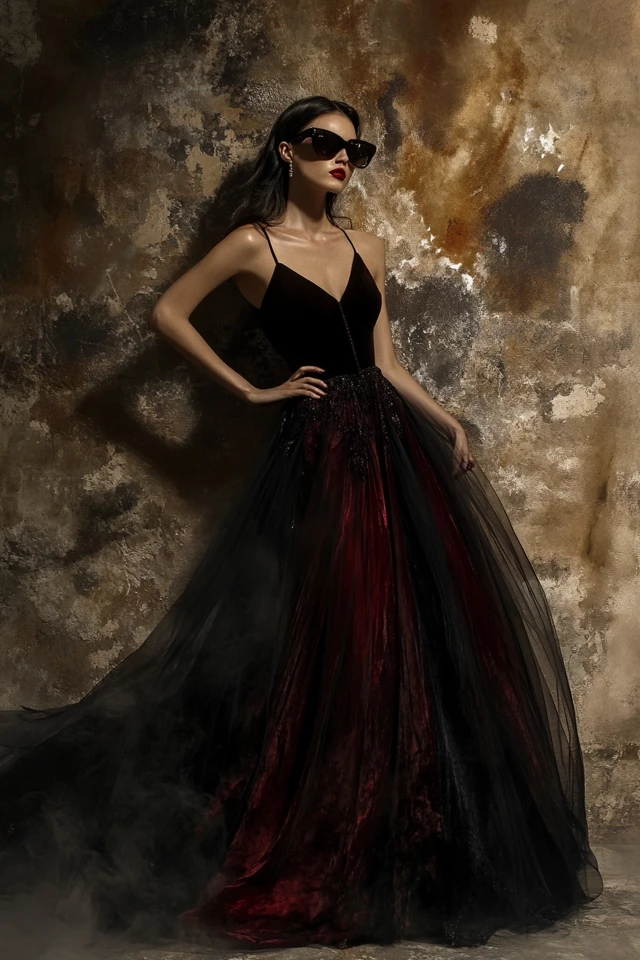
The classic. A fitted velvet bodice, often with a sweetheart or off-the-shoulder neckline, sits above layered tulle. Deep red, navy and emerald are the easiest colors. It is the most romantic option and the most formal.
Tulle overlay on a velvet column
A sheer layer over a sleek velvet sheath softens the velvet and adds depth. Champagne tulle over black or burgundy velvet is a good example. Embroidery or beading on the tulle makes it dressier.
Velvet gown with a tulle train
A one-shoulder or halter velvet gown with a slit and a detachable tulle train is dramatic but practical, since you can remove the train for dancing. Jewel tones such as sapphire or ruby suit it.
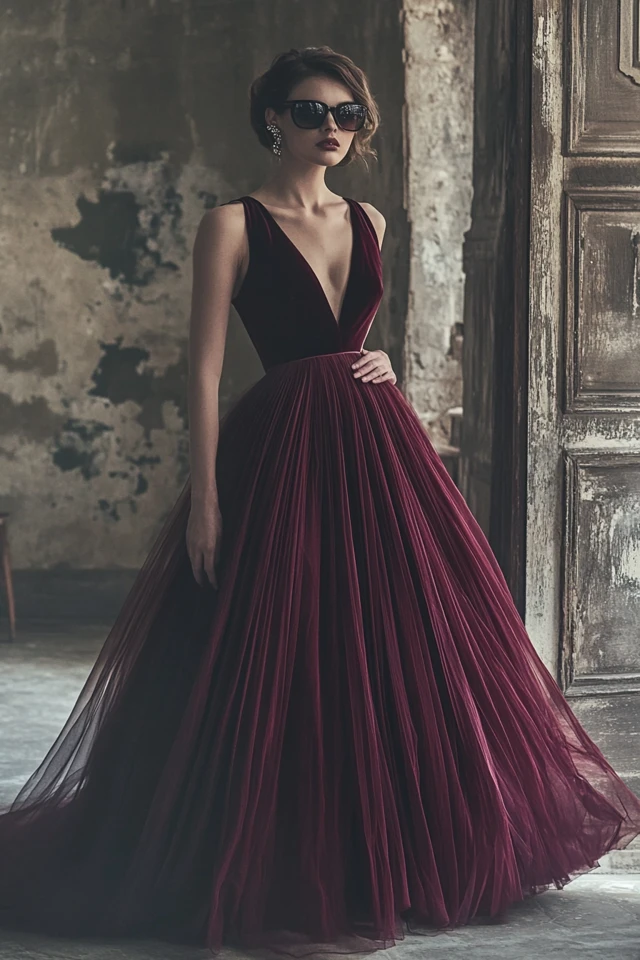
Tiered tulle with a velvet waistband
Here tulle does most of the work and velvet defines the waist as a sash or belt. Pastel tulle with a darker velvet accent looks fresh, and long sleeves or a high neckline keep it polished.
Two-piece velvet top and tulle skirt
A velvet crop top with a high-waisted tulle maxi skirt feels younger and is easy to restyle, because you can wear the pieces separately. Blush with taupe is soft; black with gold is bolder.
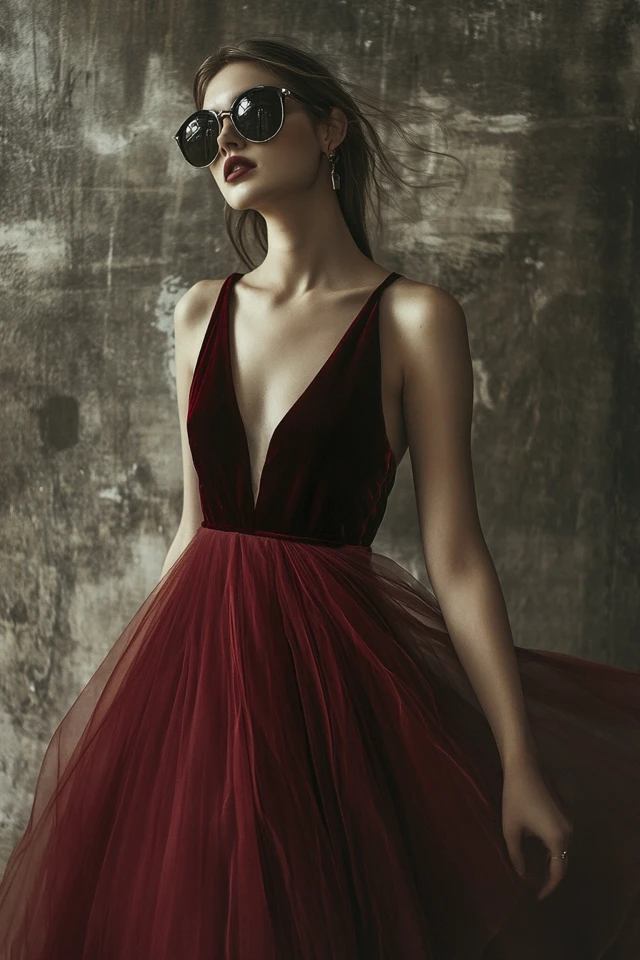
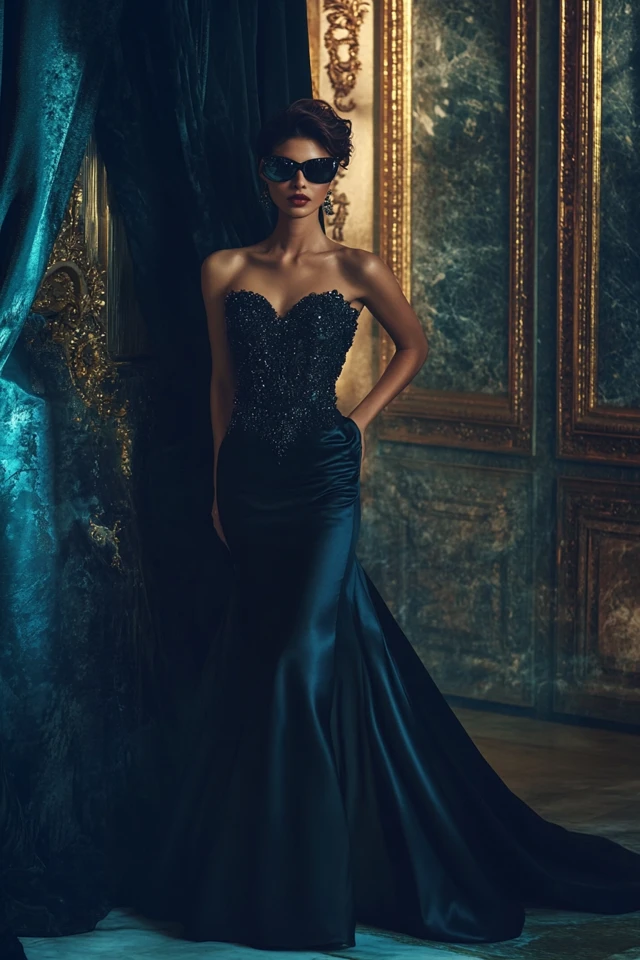
Velvet mermaid with a tulle flare
This one is fitted through the hip and flares at the knee. It needs a stretch velvet to be comfortable, and it is worth sitting down in it before you commit.
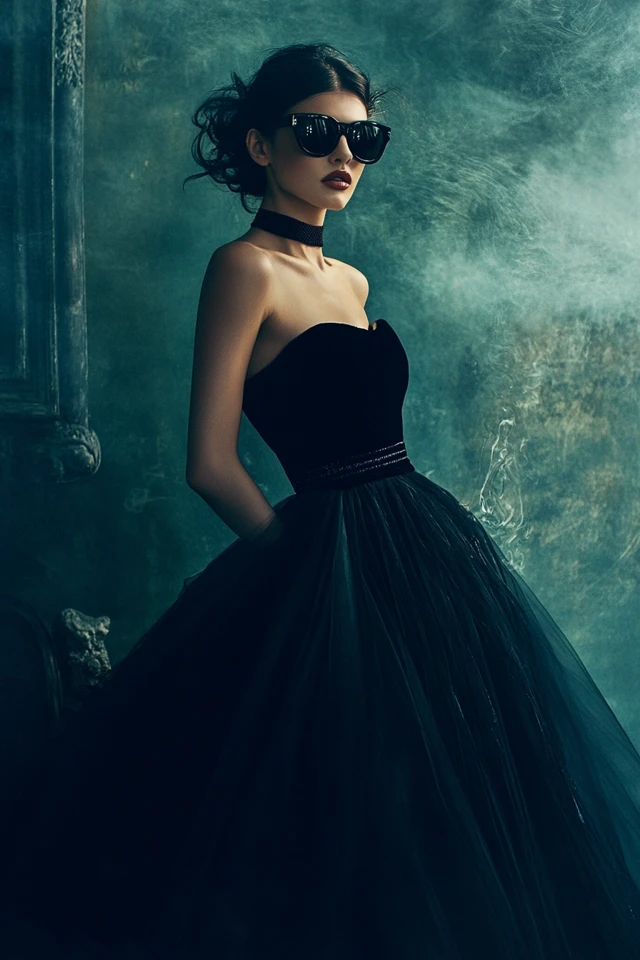
How do you choose the right fit and fabric?
A gown that pulls at the shoulders or wrinkles across the bust is a fit problem, not a you problem. Check the shoulder seam and the bodice first, because velvet shows every pull line.
- Look for stretch velvet if the bodice is very fitted. Rigid velvet needs precise tailoring.
- Choose a lighter velvet (often called velour or panne in shops) for warm-weather events.
- Layer the tulle in several thin tiers for fullness; a single stiff layer can look like a costume.
- Pick a softer tulle if it will touch your skin, since stiff net can scratch at the waist and underarms.
Velvet is also easy to mix with satin. If you like that shine, see the velvet and satin pairing or mixing velvet and satin for regal gowns.
What colors work best?
Deep jewel tones (emerald, ruby, sapphire) look richest in velvet because the pile deepens the color. Soft pastels such as blush, lavender and powder blue suit tulle, and they keep a velvet accent from feeling heavy. For winter, go darker. For spring and summer, lighten the tulle first and keep the velvet small.
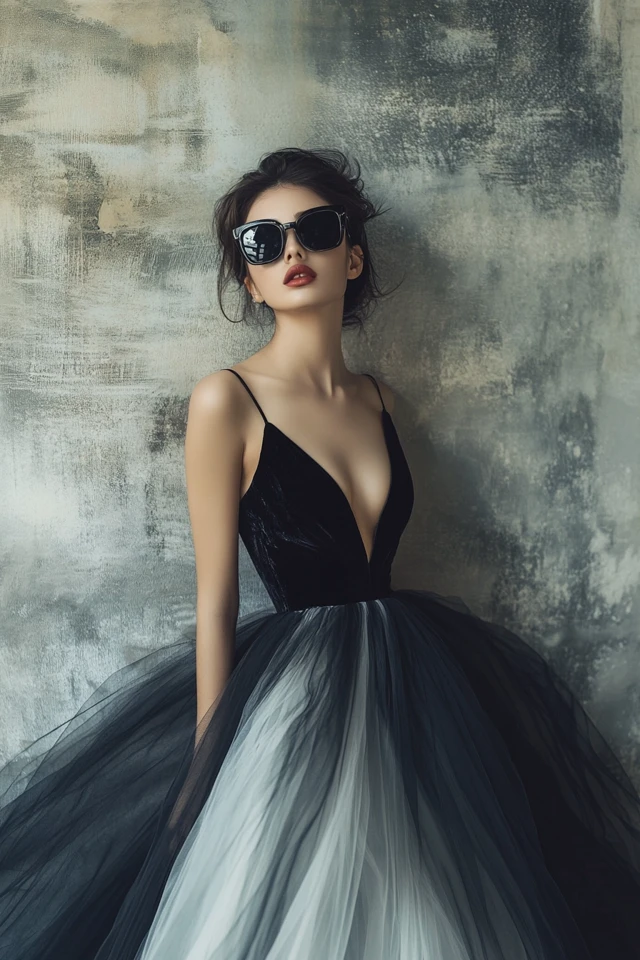
Metallic velvet with icy tulle is the high-contrast choice. Keep the rest of the outfit quiet if you go this way.
How should you style a velvet and tulle gown?
The fabrics are already busy, so keep the extras simple. As an architect trained in evidence-based design, I'd treat the neckline as the first thing the eye reads and choose jewelry to suit it.
- Off-the-shoulder or strapless necklines: a choker or short pendant, or just drop earrings.
- High necks: studs or a bracelet, and skip the necklace.
- Shoes: velvet or satin heels in a matching tone. Skip heavily embellished pairs that compete with the textures. Embellished flats work for outdoor events.
- Bag: a small metallic, satin or velvet clutch.
- Hair: an updo with pearl or crystal pins shows off the neckline. A velvet headband adds a softer touch.
Layers for the weather
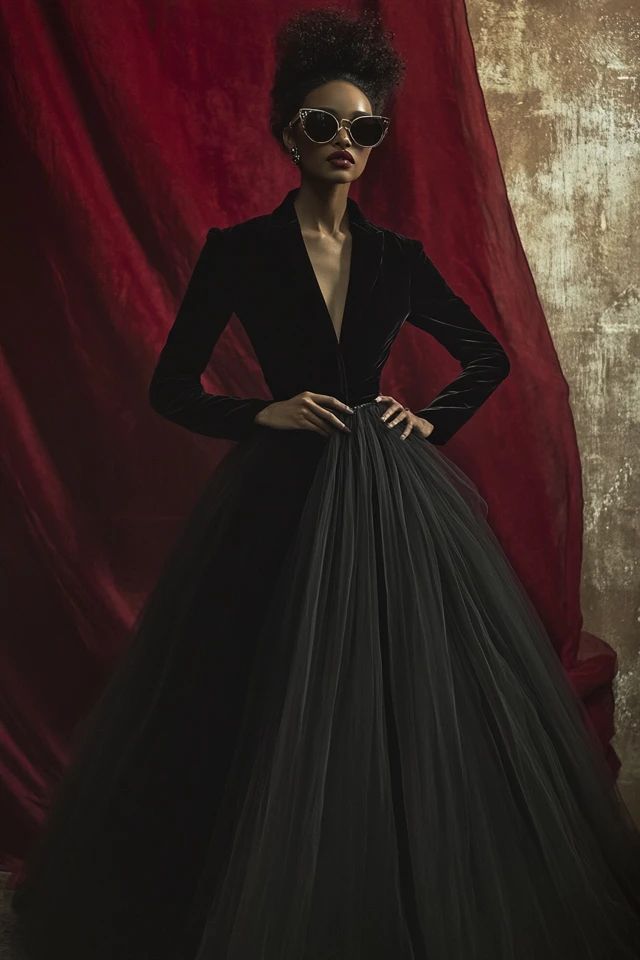
For cold evenings, a velvet cape, faux-fur stole or tailored coat works. In summer, a sheer wrap adds a layer without heat. If you want more tulle ideas, silk and tulle gowns and tulle with beaded accents go further.
Makeup that suits the fabrics
Soft smoky shadow in bronze, gold or plum works with jewel-tone velvet. Pick either a bold lip (red or berry) or a softer nude, not both at full strength. A little highlighter on cheekbones and collarbones echoes the light tulle catches.
How do you care for velvet and tulle?
Check the care label first, since blends differ. Most structured velvet gowns are dry-cleaned, and a breathable garment bag stops tulle from being crushed. Store the gown hanging by its bodice or waist support so the pile is not pressed flat.
If a spot happens on the night, treat it immediately, because stains set by heat are difficult to remove, as the University of Georgia Extension's textile stain guide notes. The same guide warns that ammonia damages silk and wool, so avoid it on silk-blend velvet or tulle. Take anything delicate to a professional cleaner.
For the winter version of this look, velvet dinner gowns are a good next read.
Frequently asked questions
Can you wear a velvet and tulle gown in summer?
Yes, if you choose a lightweight velvet and pale tulle, and a sleeveless or off-the-shoulder cut. Keep the velvet to a small area, like the bodice or a sash.
Can you wear velvet and tulle to a less formal event?
Yes. Choose a shorter hemline or a less voluminous skirt and keep accessories minimal.
Is velvet and tulle flattering on every body type?
Most people can find a cut that works. Velvet follows the body closely, while tulle adds volume, so an A-line or empire waist is a common place to start.
Filed under Fabrics & Textures