Breezy Linen and Cotton Looks for Spring Wardrobes
- Words by
- Julio Arco
- Published
- Reading
- 4 min
For humid weather, pick loosely woven natural fabrics like linen and lightweight cotton, or quick-drying synthetic blends when you will be sweating hard. The City of Philadelphia's Board of Health notes that lightweight fabrics like cotton and linen are breathable, absorb sweat and dry quickly.
Fabric is only half of it. A loose cut that lets air move matters nearly as much as the fiber, so the best clothes to wear in heat and humidity combine both.
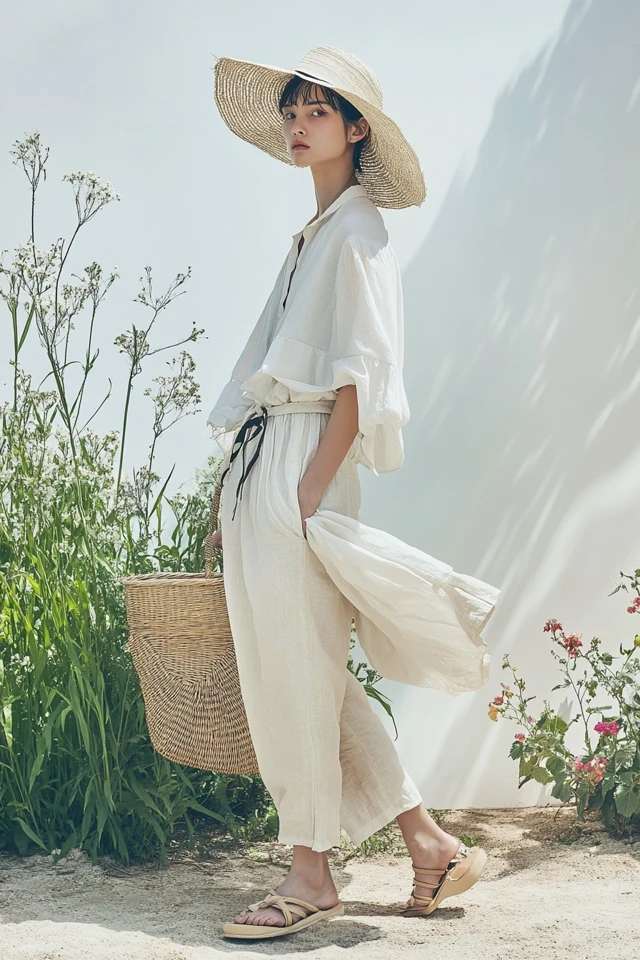
Why does humidity make fabric choice matter?
Sweat cools you only when it evaporates. In humid air it evaporates slowly, so a fabric that traps moisture against your skin feels clammy fast. You want cloth that lets air through and releases moisture quickly.
Through the lens of evidence-based design, I'd also look at how a fabric feels on damp skin. Texture is the first thing you notice once you start to sweat: a crisp, open weave lifts away from the body, while a smooth, clingy knit sticks.
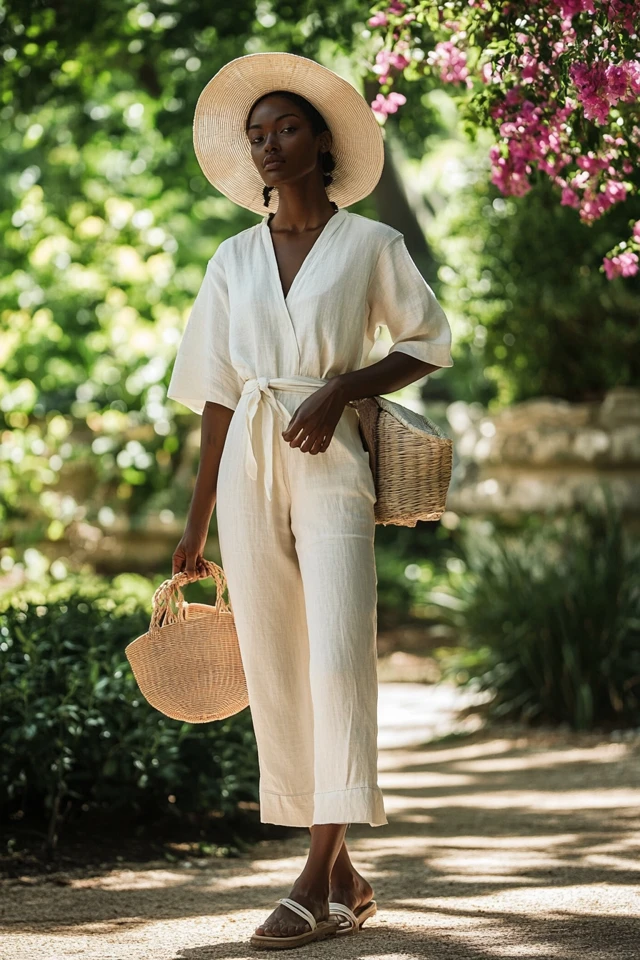
Linen vs cotton for humid weather
Both are good, and they behave differently. Linen has a loose, slightly textured weave that sits off the skin and dries fast. Cotton is soft and absorbent, but according to Georgia Tech's News Center, its moisture vapor transmission rate is lower than linen's, meaning it doesn't dry as quickly.
In practice:
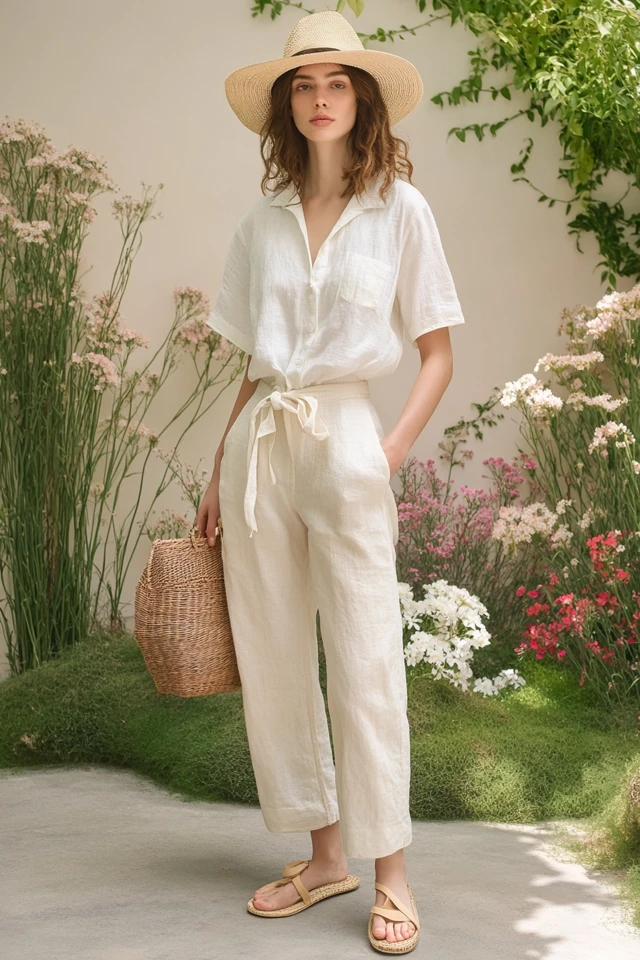
- Choose linen for the hottest, stickiest days and for pieces that should stand away from the body, like shirts, wide trousers and tunics.
- Choose lightweight cotton (poplin, voile, gauze) when you want a crisper, smoother look or a softer feel against the skin.
- Choose a cotton-linen blend if you want less wrinkling than pure linen with some of its airiness.
If you like the blend idea, see cotton and linen blends for breezy summer outfits.
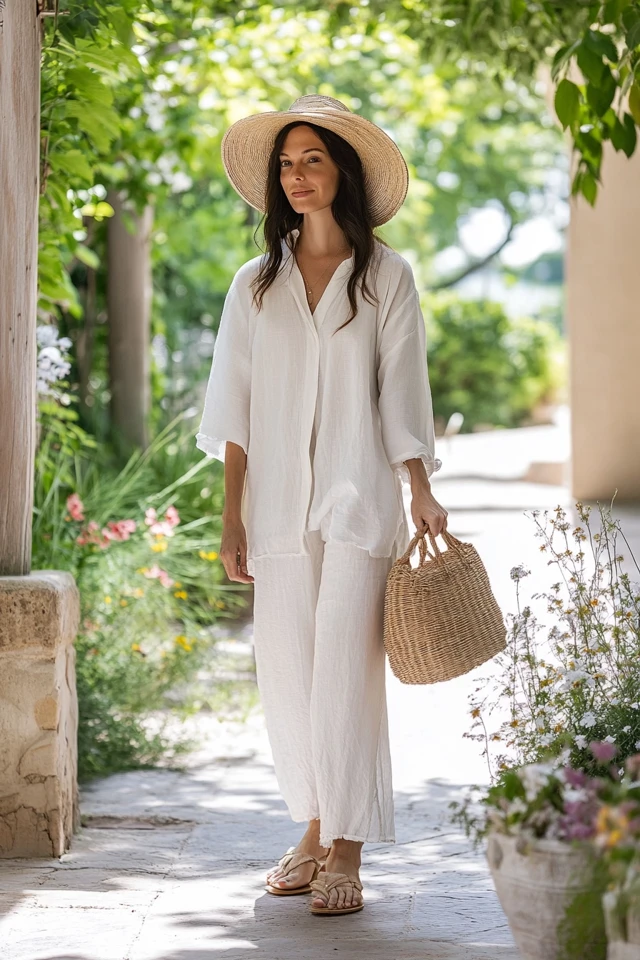

What is the best fabric for excessive sweating?
If you sweat heavily, absorbency alone is not the goal. You want fabric that moves moisture away and dries. Texas A&M AgriLife Extension's Howdy Health recommends quick-drying, sweat-wicking fabrics such as polyester, polypropylene, nylon or nylon blends for hot weather.
Those suit workouts, long walks and commutes. For a regular day, linen or a light cotton-linen blend in a loose cut is usually more comfortable than athletic fabric. If sweating feels excessive or new, check with a doctor rather than solving it with clothes alone.

Which fabrics keep you cool in summer?
- Linen: open weave, fast drying, relaxed drape.
- Lightweight cotton: poplin, voile, seersucker and gauze all hold away from the skin.
- Chambray: cotton with a light, soft hand, good for shirts and shirt dresses.
- Moisture-wicking synthetics: best for active days.
For specific pieces, linen shirts and cotton blouses are easy starting points.


What are the worst fabrics for hot, humid weather?
Heavy, dense or non-breathable cloth is the main problem: thick denim, heavy knits, tightly woven polyester that is not made for wicking, and anything with a shiny, clingy finish like some satins. They hold heat and show sweat.
Cotton deserves a specific note. It is fine for an ordinary hot day, but Howdy Health advises avoiding cotton in cold-weather exercise because it absorbs moisture and can keep it next to your skin. The same logic applies to a long, sweaty workout in the heat: swap a cotton tee for a wicking one.

How should you cut the outfit?
Fit changes how a fabric performs. Aim for:
- Room through the shoulders, torso and hips, so air can move.
- Wide-leg trousers, midi skirts and shirt dresses over close-fitting pieces.
- Light colors, which read as cooler to the eye and show sweat less than mid-tone grays.
- Sleeves that end at the elbow or are rolled, rather than bare skin everywhere. Some people find a long, loose linen sleeve cooler than a clingy tank.
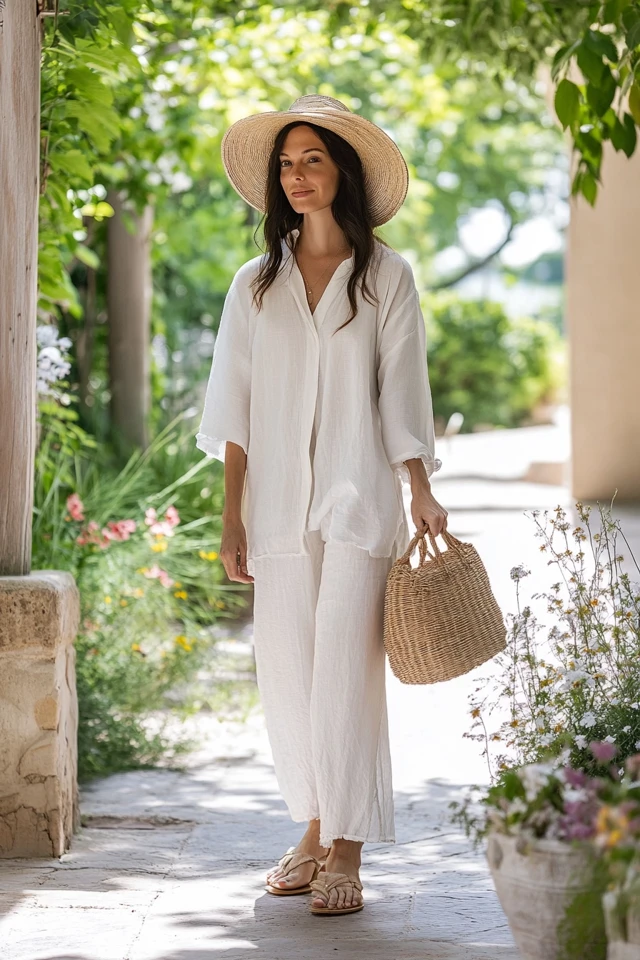
A linen shirt over a cotton tank with wide trousers is a reliable formula. For ideas, browse linen tunics and cotton button-up skirts.


How do you care for linen and cotton?
- Wash in cold or cool water to limit shrinking, and hand wash delicate linen.
- Air dry when you can. Over-drying sets wrinkles.
- Steam linen instead of pressing it flat if you want it smoother. Cotton irons easily.
- Fold rather than hang heavy pieces, and store them dry to avoid mildew.
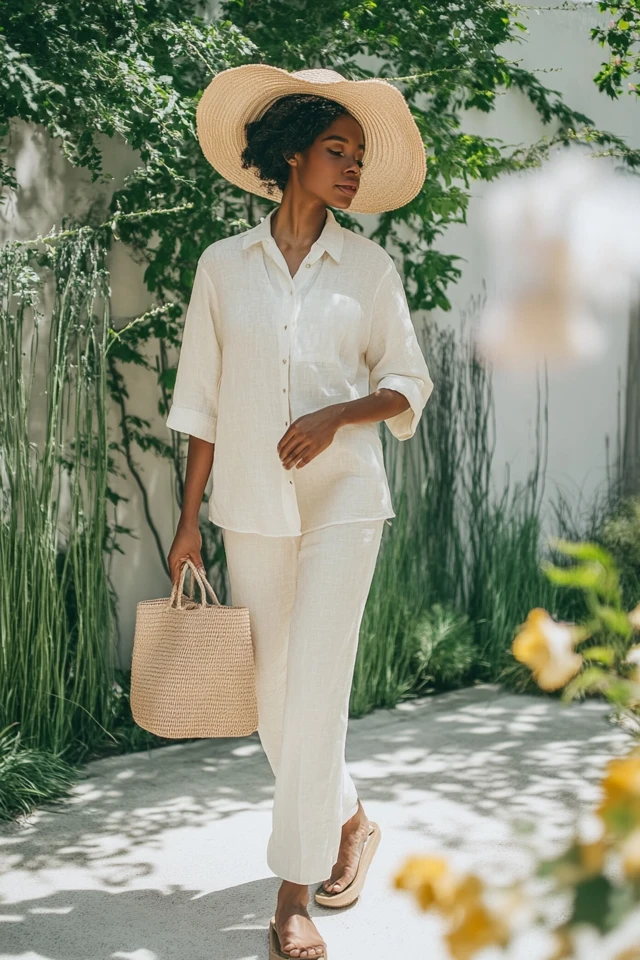
What to wear when it is humid and cooler
Spring humidity often comes with cool mornings. Layer a linen shirt or light cotton cardigan over a tank and take it off as the day warms. Keep the base layer breathable and the outer layer easy to remove.
Frequently asked questions
What is the best fabric to wear in humid weather?
Linen is the usual top pick because its open weave sits off the skin and dries quickly. Lightweight cotton is a close second, and a cotton-linen blend wrinkles less.
What is the best fabric for excessive sweating?
Quick-drying, sweat-wicking fabrics such as polyester or nylon blends work well for heavy activity. For everyday wear, loose linen is a comfortable option. If sweating worries you, check with a doctor.
What fabric is best for staying cool in the summer?
Linen, lightweight cotton weaves like voile or poplin, and chambray all keep air moving. Pair them with a loose cut for the best effect.
What are the worst fabrics for hot, humid weather?
Thick denim, heavy knits and dense or shiny synthetics that do not wick moisture tend to feel hottest. They trap heat and cling when damp.
Filed under Seasonal Trends