Cotton and Linen Blends for Breezy Summer Outfits: Effortless Style Meets Comfort
- Words by
- Julio Arco
- Published
- Reading
- 4 min
For most people the best fabric for hot and humid weather is a lightweight natural fiber, and linen is the strongest pick. Cotton is a close second, and a cotton-linen blend gives you linen's airiness with a softer hand and fewer wrinkles.
The City of Philadelphia's Board of Health notes that lightweight fabrics like cotton and linen are breathable, absorb sweat, and dry quickly. The rest of this guide covers how they differ, where synthetics fit, and what to skip.
Why humidity changes what you should wear
In dry heat, sweat evaporates fast and cools you. In humid air it evaporates slowly, so the fabric next to your skin matters more. You want cloth that lets air through, takes up moisture and releases it quickly, and does not cling.
Weave and fit matter as much as fiber. An open, lightweight weave in a loose cut will usually feel cooler than a dense fabric cut close to the body, even when both are cotton.
Linen vs cotton for humid weather
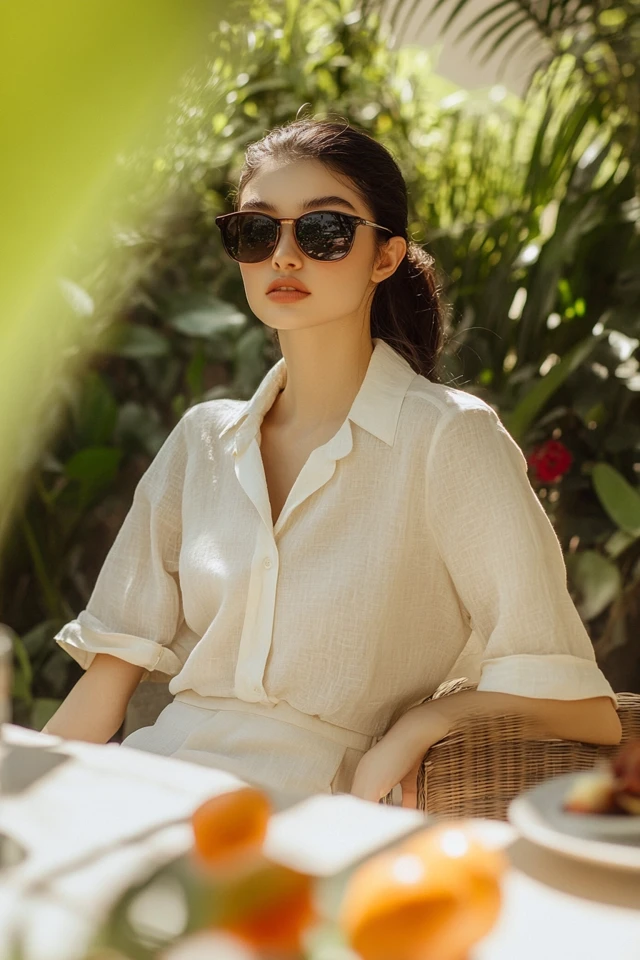
Both are good. The difference is drying speed. Georgia Tech's News Center explains that cotton's moisture vapor transmission rate is lower than linen's, meaning it doesn't dry as quickly. In a sticky afternoon, that means linen tends to feel less damp.
Linen is also coarser and wrinkles easily. Cotton is softer and smoother, which is why many people find it easier to wear all day. If you sweat a lot, lean toward linen. If you want softness and a neater surface, lean toward cotton.
Why a cotton-linen blend works
A blend sits between the two. The linen keeps the weave airy and gives it some crispness. The cotton softens the feel and reduces creasing compared with pure linen, though it will still wrinkle a little. Through the lens of evidence-based design, I'd pick a blend for a workday outfit, because the slightly textured surface hides small creases that flat, smooth fabric would show.

Most breathable fabric for summer: a quick ranking
- Linen: very open, dries quickly, wrinkles.
- Cotton-linen blend: airy, softer, fewer wrinkles.
- Lightweight cotton (voile, poplin, gauze): soft and easy to find, slower to dry.
- Quick-dry synthetics: useful for exercise and heavy sweating, less pleasant for all-day wear.
For gauze and voile, the thinner the weave, the more air moves through. Hold a piece up to the light: if you can see a soft glow through it, it will probably breathe well.
What is the best fabric for excessive sweating?
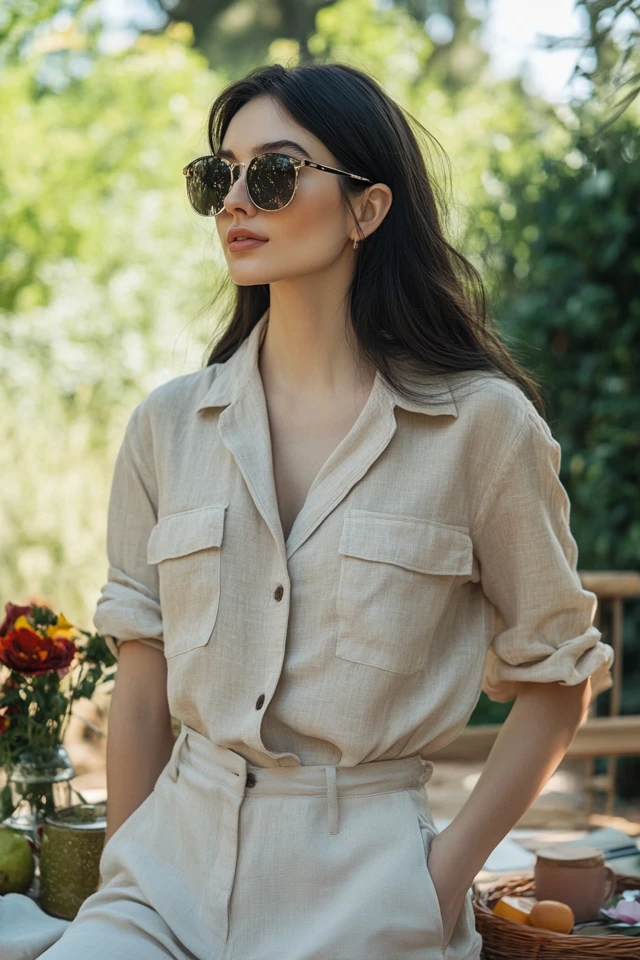
If you sweat heavily, you have two reasonable routes. Linen and loose cotton absorb moisture and dry fairly fast. Performance fabrics move sweat away from the skin. Texas A&M's Howdy Health suggests choosing quick-drying, sweat-wicking fabrics such as polyester, polypropylene, nylon, or nylon-blend.
My practical split: synthetics for workouts and long walks, linen or a blend for everything else. Choose darker or patterned fabric if sweat marks bother you, since pale solids show them most. For persistent or sudden heavy sweating, check with a doctor.
Worst fabrics for hot humid weather
Skip anything dense, heavy or tightly woven, and anything that traps heat against the skin.
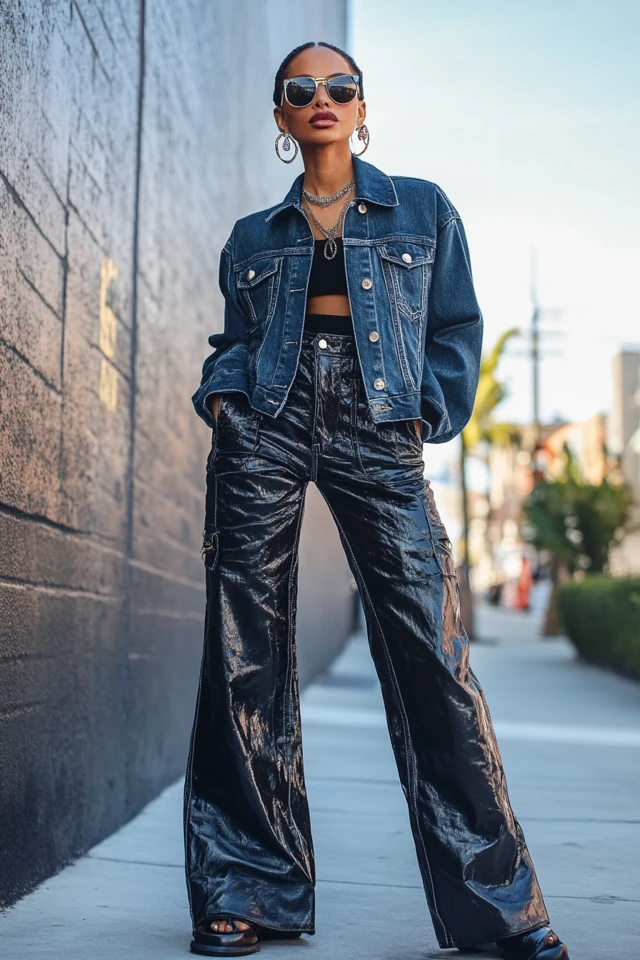
- Heavy denim and thick twill: slow to dry and hot to carry.
- Satin and other slick synthetics not designed for heat: they can cling and hold warmth.
- Wool and thick knits: made for insulation.
- Cotton for hard exercise: Howdy Health advises that you avoid cotton because it absorbs moisture and can keep it next to your skin. That guidance is written for cold-weather workouts, but it is a fair reminder that wet cotton stays wet.
Best clothes to wear in heat and humidity
Fabric gets you most of the way. Cut does the rest.
Choose a loose, open shape
Wide-leg trousers, shirt dresses, maxi dresses, button-downs with the sleeves rolled and A-line midi skirts let air move around the body. A jacket that pulls across the shoulders or a waistband that digs in will feel hotter than any fabric can fix, so size up before you compromise on fit.
Pick colors that read cool
White, cream, pale blue and soft neutrals look fresh against warm skin and show less of the heat. Texture helps too: a slubby linen weave breaks up light, so even a plain color looks interesting.

Outfit formulas that work
- Daytime: a cotton-linen button-down, high-waisted shorts, flat sandals.
- Office: a light blue linen-blend shirt with wide-leg trousers and block-heeled mules.
- Evening: a wrap dress in a cotton-linen blend with a small clutch and heeled sandals.
- Beach: a striped tank, a midi skirt and espadrilles.

For more ideas, see breezy linen shirts, summer sundresses, and cotton and linen skirts. If you like a tailored finish, pairing linen with denim is another route.
Caring for cotton-linen blends
Wash on a gentle cycle and hang or lay flat to dry. Linen softens with each wash, and a quick steam removes most creases. Check the care label first, since blend ratios and finishes vary.

Frequently asked questions
What is the best fabric to wear in humid weather?
Linen is usually the best pick because it is open and dries quickly. A cotton-linen blend is a softer, less wrinkle-prone alternative.
What is the best fabric for excessive sweating?
Quick-drying, sweat-wicking synthetics suit exercise, while linen and loose cotton work for daily wear. Check with a doctor if heavy sweating is new or persistent.
What are the worst fabrics for hot, humid weather?
Heavy denim, thick knits, wool and clingy slick synthetics hold heat and dry slowly. Tightly woven fabric cut close to the body is the hardest to wear.
Can I wear cotton-linen blends to formal summer events?
Yes. A tailored dress or blazer in a cotton-linen blend in navy or emerald looks polished and stays cooler than most formal fabrics.
Filed under Fabrics & Textures