Long Layered Haircuts: Bra-Strap Length Ideas
This post uses bra-strap length as the reference point: hair that ends around the middle of your back, near where a bra strap sits. At that length there is enough weight for movement and enough room to shape the cut around your face and your necklines.
- Words by
- Julio Arco
- Published
- Reading
- 5 min
The best long layered haircut depends on your hair density. Fine hair usually looks fuller with few, longer layers that start below the chin. Thick hair can take more layers to remove bulk. Wavy and curly hair does well with layers cut to follow the curl pattern.
What do long layers actually do?
Layers are shorter pieces cut through the length of your hair. They remove weight, add movement and change where the hair looks fullest. A single-length cut falls straight down. A layered cut gives the eye shapes to follow, so the hair reads as lighter and bouncier.
The trade-off is density at the ends. Too many layers on fine hair can leave the bottom looking see-through. Too few on thick hair can leave a heavy, triangular shape. Layers also need some upkeep, because the shape softens as it grows out.
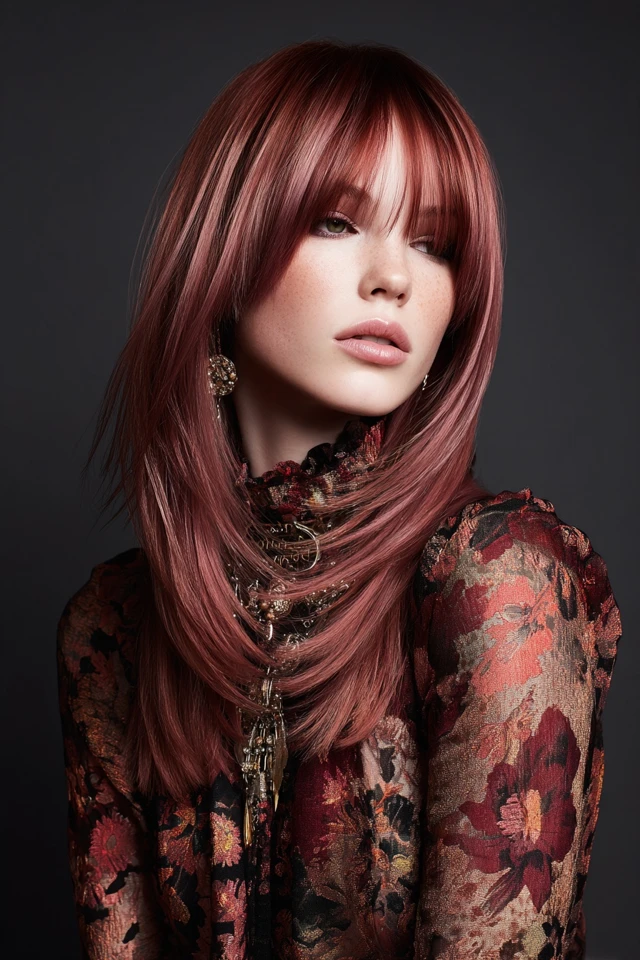
Which long layered haircut is best for your hair type?
Long layered haircuts for thin hair
Ask for long, soft layers that begin around the collarbone or lower, and keep the perimeter fairly blunt. A blunt bottom edge makes fine hair look thicker, while the layers above add a little lift at the crown. Avoid heavy shortcuts near the top, which can make the ends look sparse.
Long layered haircuts for thick hair
Thick hair can handle more layers, including some shorter ones through the mid-lengths. The goal is to remove bulk so the hair swings instead of sitting in a block. Ask your stylist to thin out weight by cutting internal layers, not by chopping the ends.
Straight hair
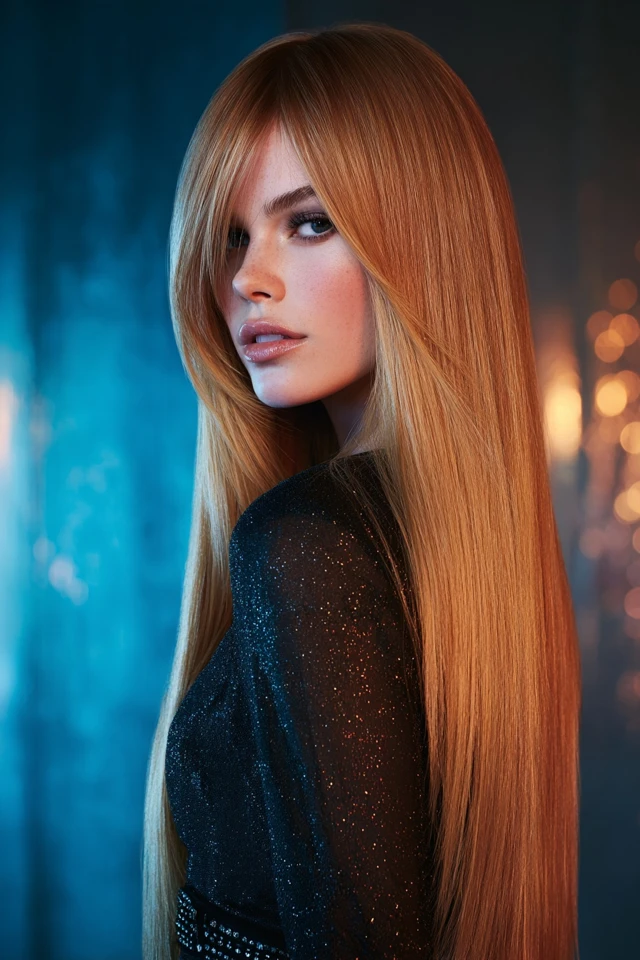
On straight hair every cutting line shows, so clean, gradual layers look best. A layer cut for long straight hair often works as a V or a soft U shape at the back, with short front pieces to frame the face.
Wavy and curly hair
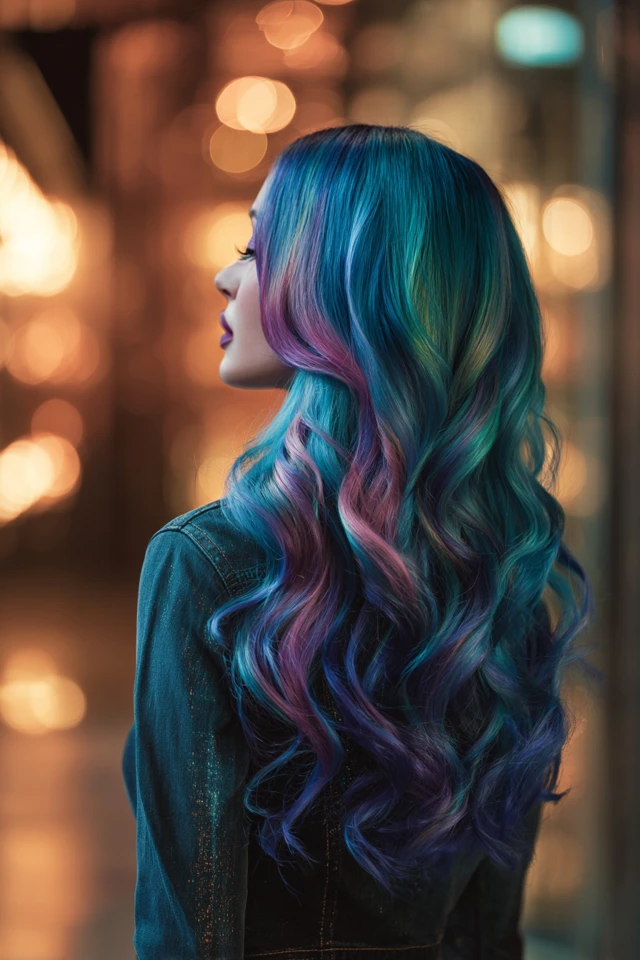
Curls shrink as they dry, so layers tend to look shorter than they were cut. Ask for layers cut with the curl in mind, ideally on dry or nearly dry hair, and keep them long enough that the top does not spring into a shelf. Curly and textured hair usually needs less frequent washing; the American Academy of Dermatology says that if your hair is dry, textured, curly or thick, you can shampoo at least once every 2 to 3 weeks as needed.

How do face-framing layers work?
Face-framing layers are the shortest pieces, cut around your cheeks, jaw or chin. They direct the eye toward your features and soften the line of a longer cut. Through the lens of evidence-based design, I'd treat them as the first thing a viewer reads, since the eye tends to land on contrast and edges near the face.
- Cheekbone-length pieces add width at the top of the face.
- Chin-length pieces soften a strong jaw or a long face.
- Pieces that start at the collarbone are the most subtle option.
Long layers with curtain bangs
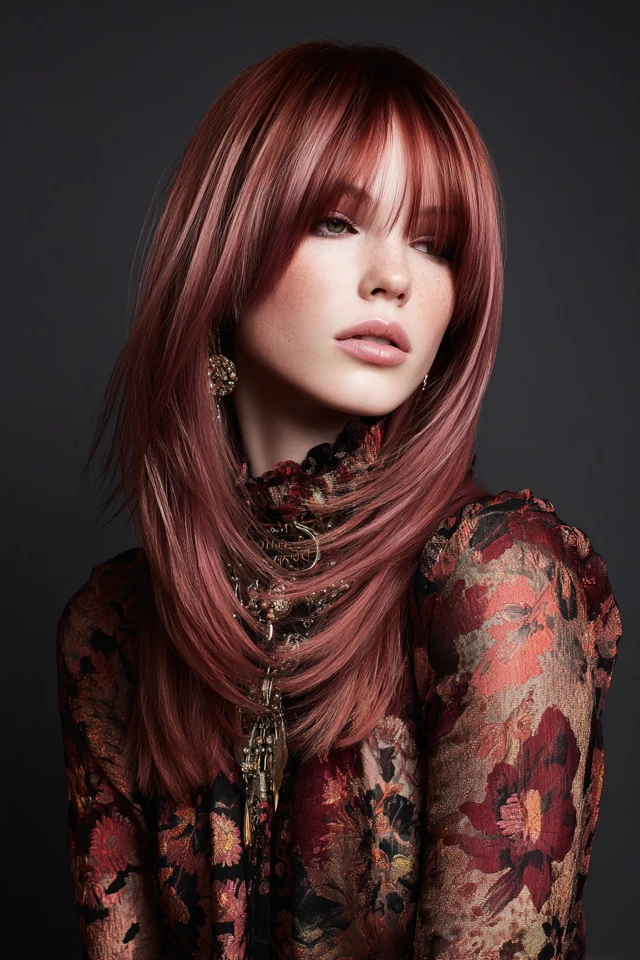
Long layered haircuts with curtain bangs are a natural pairing: the bangs part in the center and sweep toward the cheekbones, blending into the face-framing layers. They grow out gracefully, which makes them a lower-commitment way to try a fringe. If your hair has a strong cowlick at the hairline, tell your stylist before they cut.
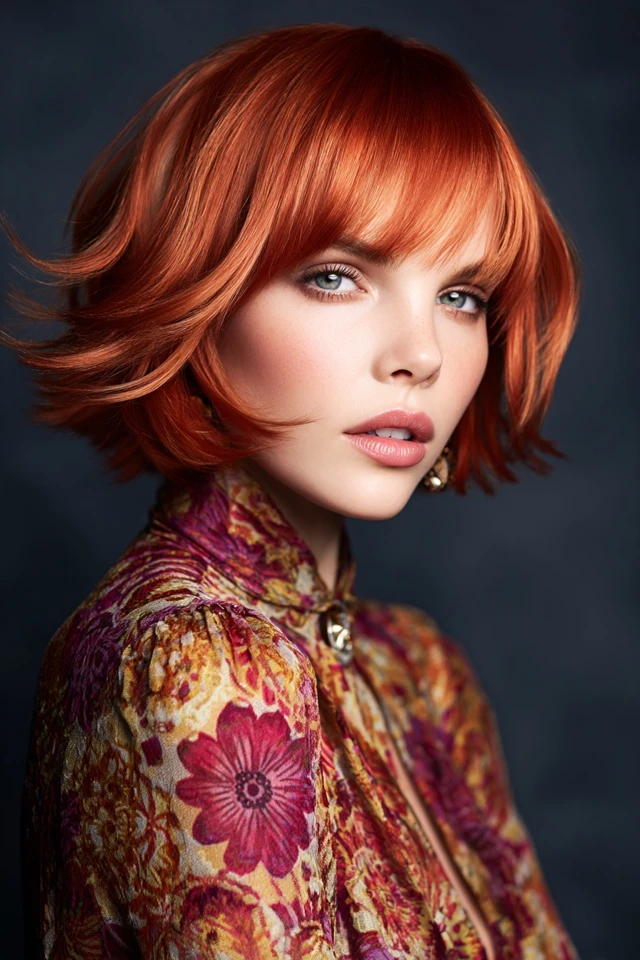
Do layers make you look younger?
Layers do not change your age, but they change how the hair reads. Movement and softness around the face tend to look lighter than a heavy, blunt line. Shape matters more than length, so choose layers that suit your hair's density and the way you actually style it.
How to ask your stylist for long layers
- Say where you want the length to end, for example at the bra strap, and that you want to keep it.
- Describe where the shortest layer should sit: collarbone, chin or cheekbone.
- Say whether you want visible layers or blended, soft ones.
- Mention your bangs preference, or that you want none.
- Tell them how you style: air-dry, blow-dry or heat tools.
Bring two or three photos, and say what you like and dislike in each. If you are curious about neighboring lengths, compare bra-strap length, long invisible layers and shoulder-length layers.

Styling and care for layered length
A round brush and a little root-lifting product help layers keep their shape at the crown. Trims every six to eight weeks usually keep the ends from looking ragged, though fast growers may want them sooner.
Heat is where layers can suffer. The American Academy of Dermatology advises that flat irons should be used on dry hair on a low or medium heat setting, no more often than every other day. Wet hair is fragile too, so use a wide-tooth comb instead of a brush to detangle wet hair.
A leave-in conditioner can help with tangles at the ends. Board-certified dermatologist Zoe D. Draelos, MD, FAAD, says in the AAD's leave-in conditioner tips: "You should see less frizz. Your hair should be easier to brush or comb, so you'll have less breakage."
If you are weighing a shorter version of the same idea, see medium choppy layers.
Frequently asked questions
Which layer cut is best for long hair?
Soft, long layers that start at the collarbone or lower suit most people. Fine hair does best with fewer layers, and thick hair with more.
What is the most popular layered haircut?
Long layers with face-framing pieces and curtain bangs are among the most requested, because they work on many hair types and grow out easily.
Can I get long layers on curly or textured hair?
Yes. Ask a stylist who cuts curls to shape layers around your pattern and to leave enough length that the top does not spring up too short.
How often should I trim long layers?
Every six to eight weeks is a common rhythm for keeping the shape defined. Your stylist can adjust it to how fast your hair grows.
Filed under Haircuts