Floral Summer Dresses: Vintage-Inspired Styles to Wear
- Words by
- Julio Arco
- Published
- Reading
- 4 min
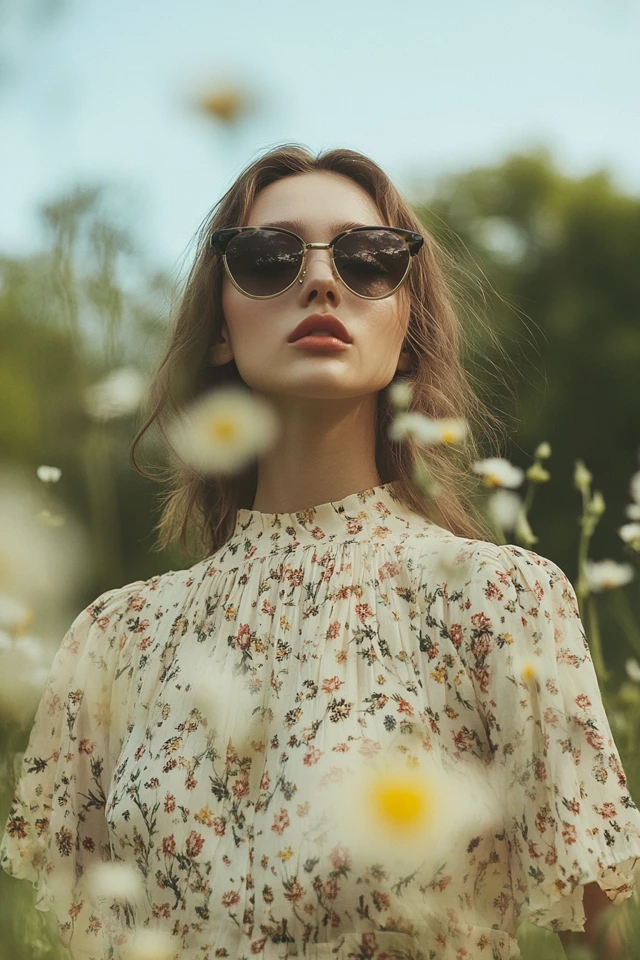
The easiest vintage-inspired floral dress to wear is a midi with a small or medium print, a defined waist and a soft fabric. It works for a park walk, a brunch or a daytime wedding, and only the shoes and layers need to change.
Below: how to choose a print, which length suits which occasion, and how to dress the same dress up, down or for cooler days.
Which vintage floral prints are easiest to wear?
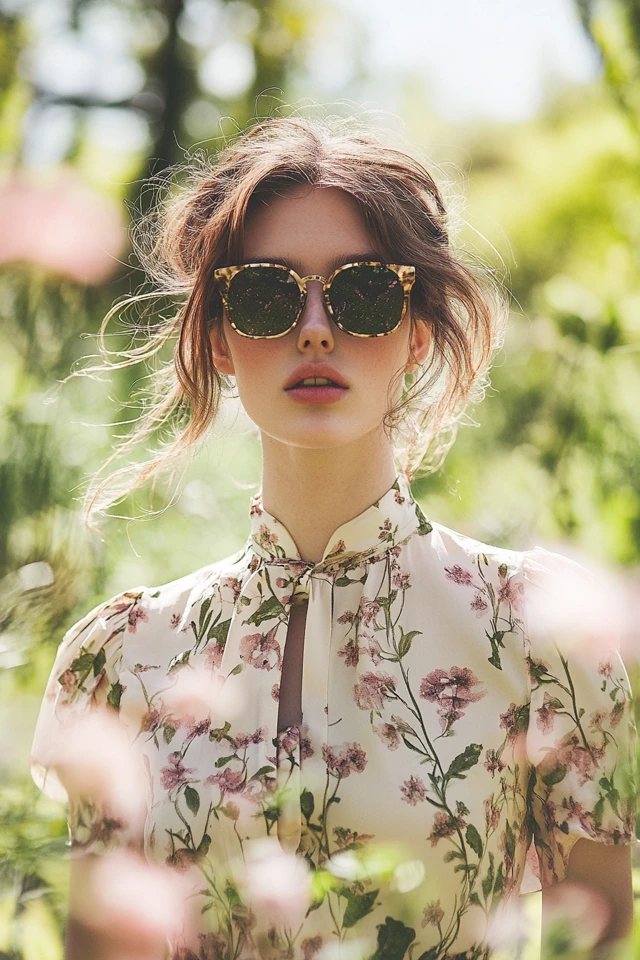
Print scale and background color decide most of the mood. Through the lens of evidence-based design, I'd look at the background first, because it sets how the flowers read from a distance.
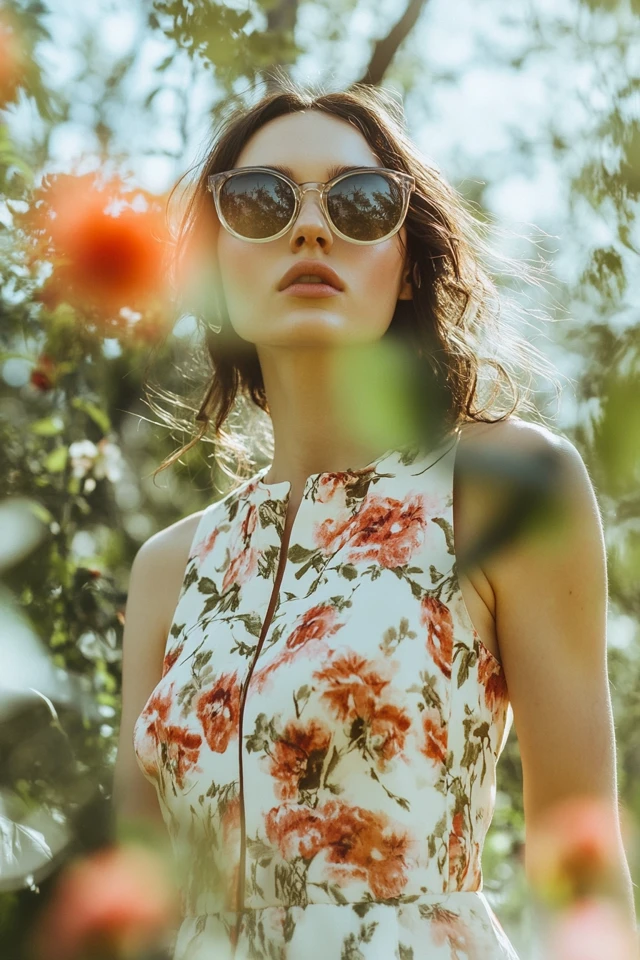
- Soft pastels (blush, powder blue, lavender) read romantic and light. They suit tea parties and daytime events.
- Earthy tones (olive, mustard, terracotta) feel grounded and pair well with straw, leather and woven bags.
- Bright colors (fuchsia, cobalt, sunny yellow) add energy for picnics and casual outings.
- Neutral florals (cream, taupe, gray) look quieter and more polished.
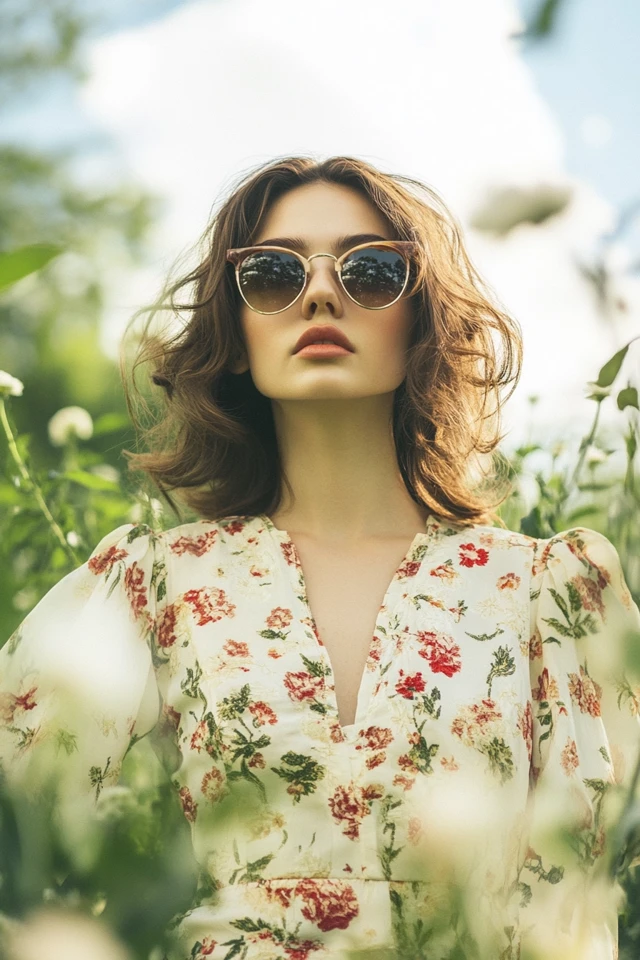
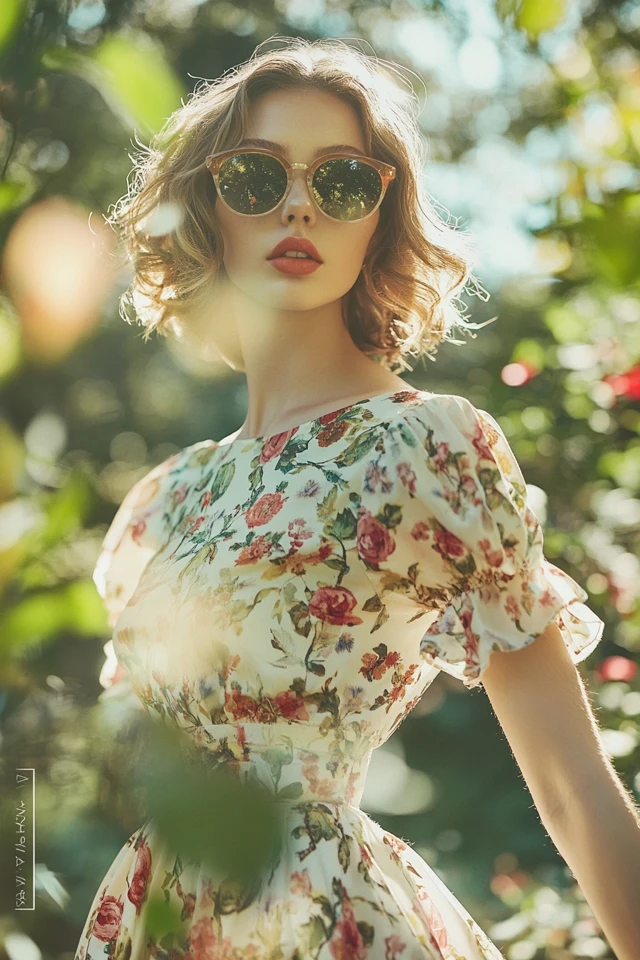
Small ditsy prints read almost as a texture from a few steps away. Large 70s-style blooms read as a bold graphic, so keep everything else simple. For more palette ideas, see this vintage floral color palette guide.
Maxi, midi or mini: which length suits you?
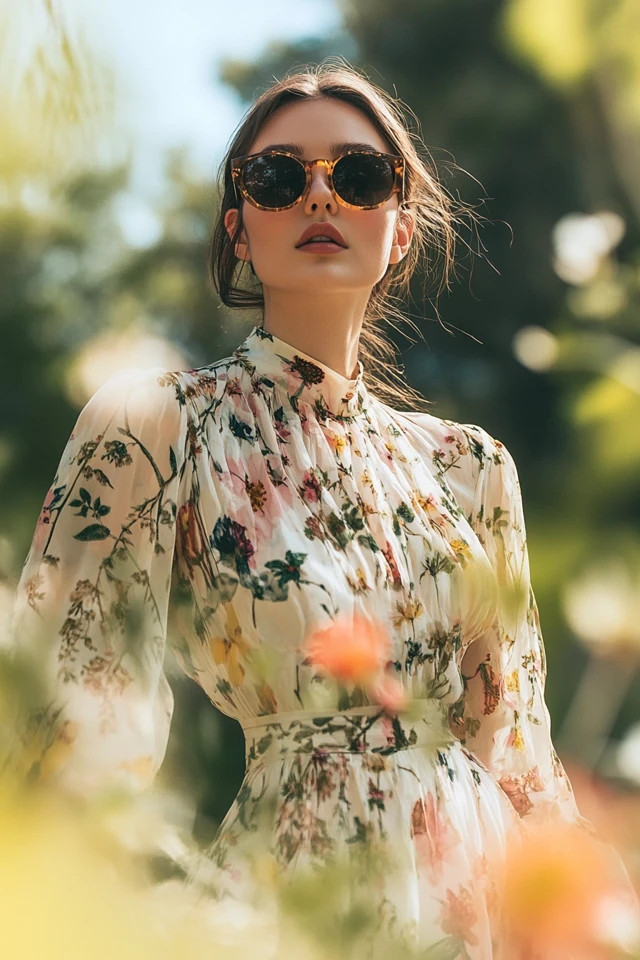
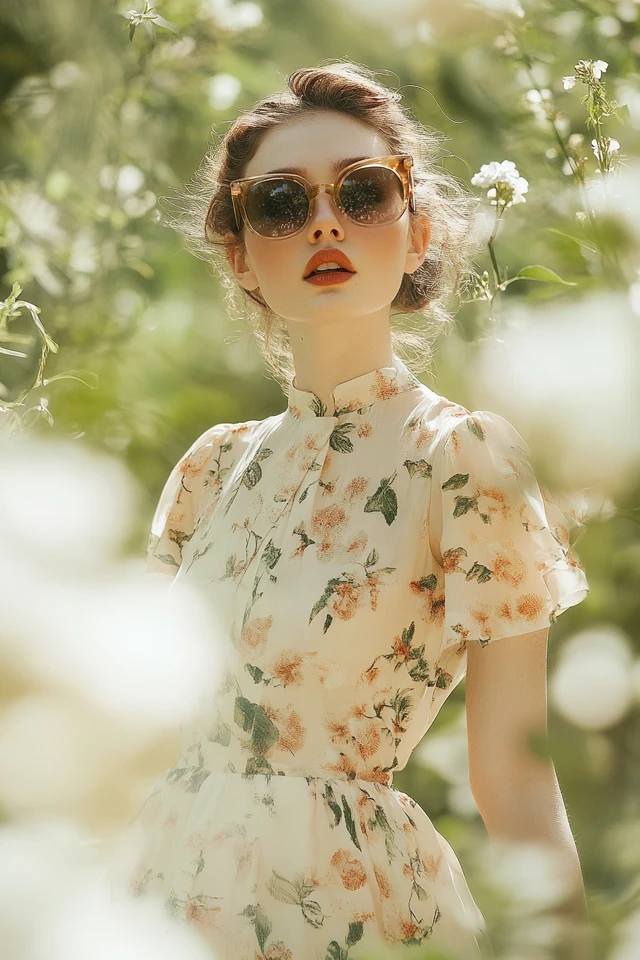
Midi floral summer dresses are the most flexible. The hem lands around the calf, which looks right with flats, sandals or boots and moves well when you walk.
Maxi floral summer dresses give the most coverage and a dramatic line. A tiered skirt adds movement, but a very full skirt can overwhelm a petite frame, so check that the waist is clearly defined. Minis suit casual days, especially button-front styles with sneakers or ankle boots.
If you are petite, a hem just above or at the knee and vertical or small prints keep the proportions long. If you are tall, you can wear a full maxi or a big print without it swallowing you.
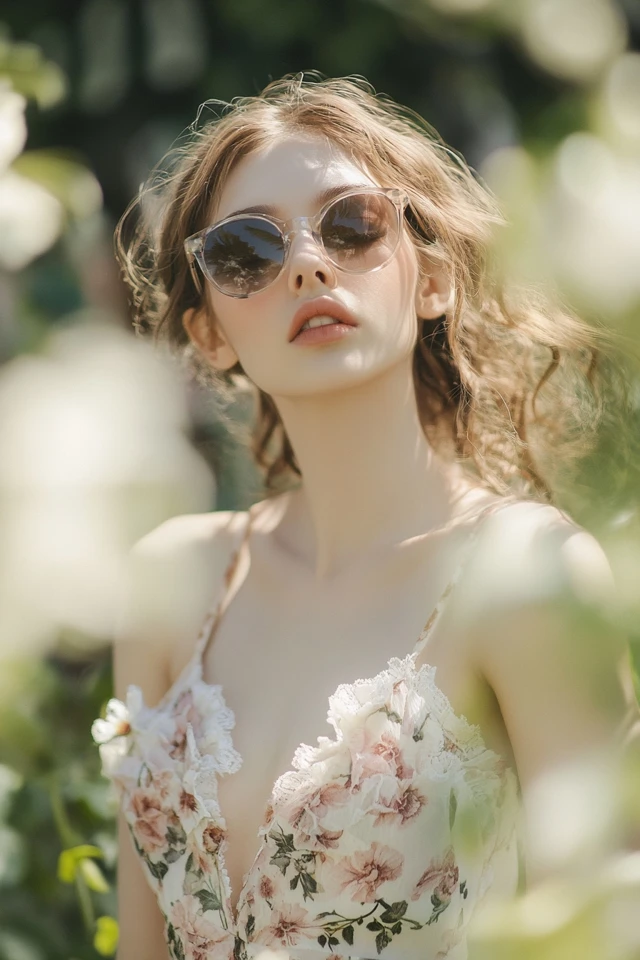
Which cut flatters your shape?
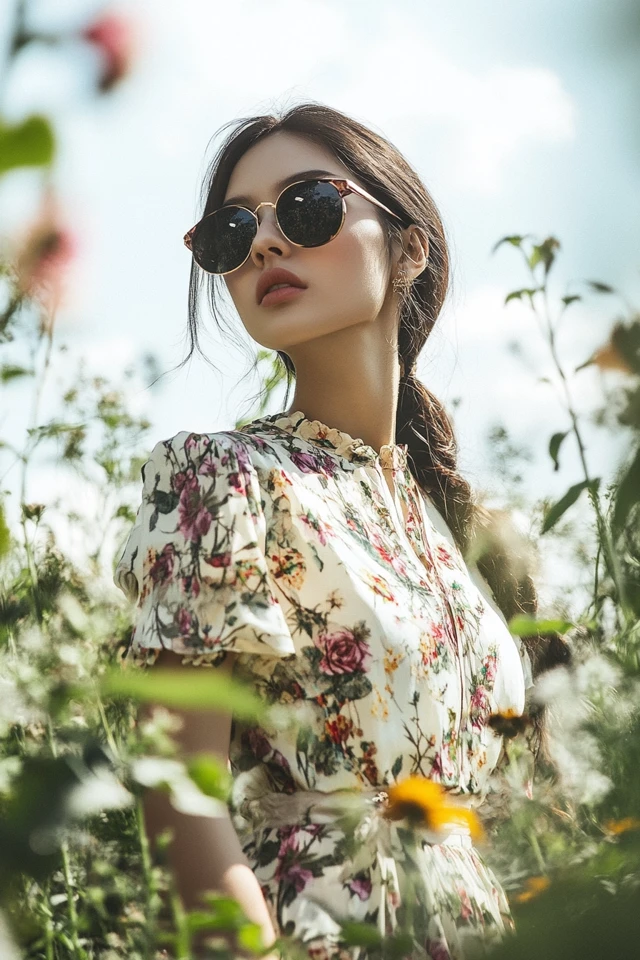
Think of these as starting points, not rules. Fit at the shoulders and waist matters more than a label.
- Defined waist or curves: wrap dresses and fit-and-flare cuts follow the waistline. See floral wrap dresses for more.
- Fuller hips: an A-line skirt with the print concentrated on the bodice or sleeves draws the eye up.
- Fuller midsection: empire waists and loose smock shapes in a smaller print skim the body.
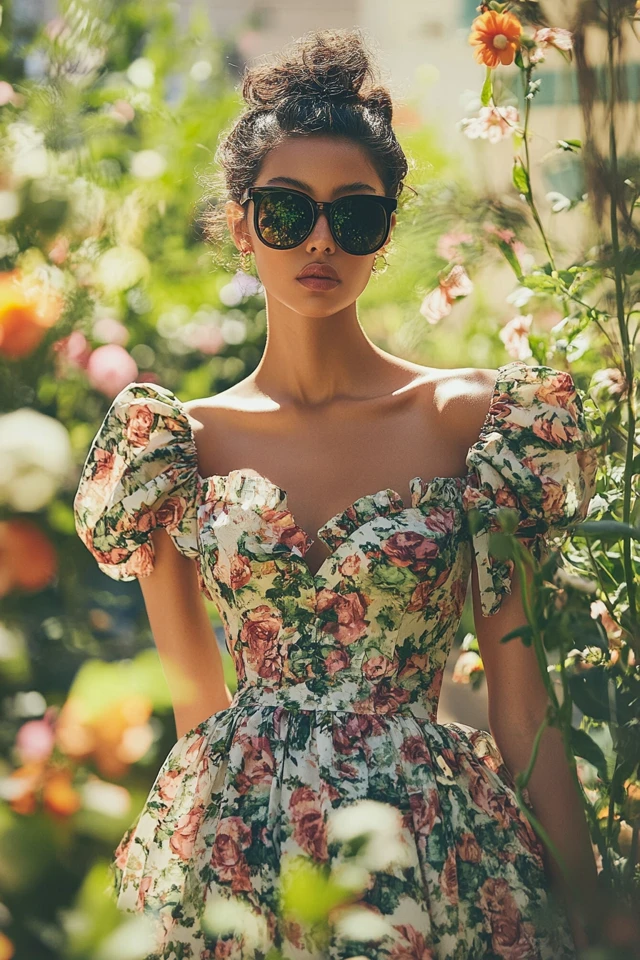
- Straighter shape: ruffles, tiers or puff sleeves add dimension.
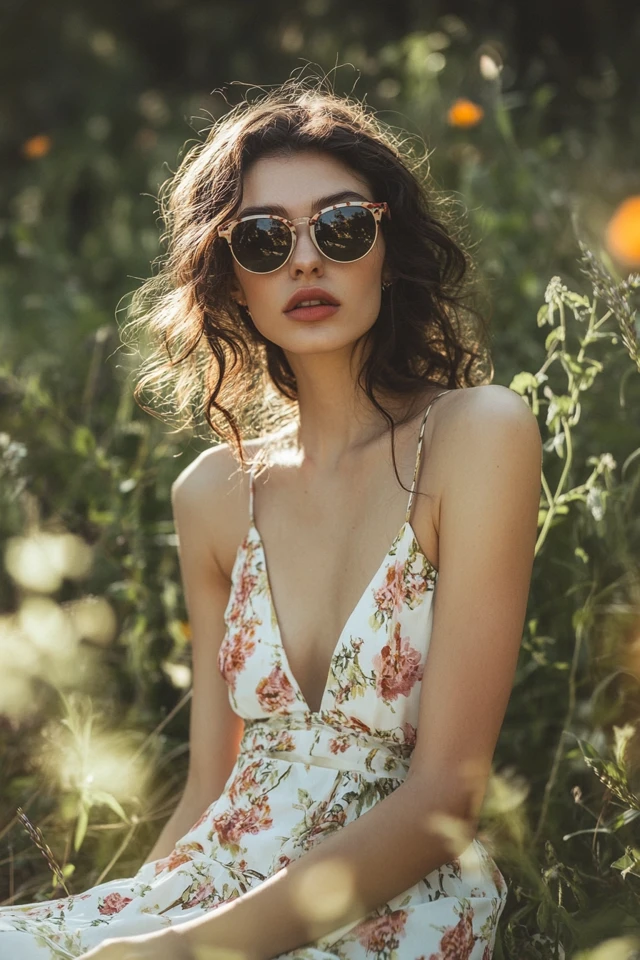
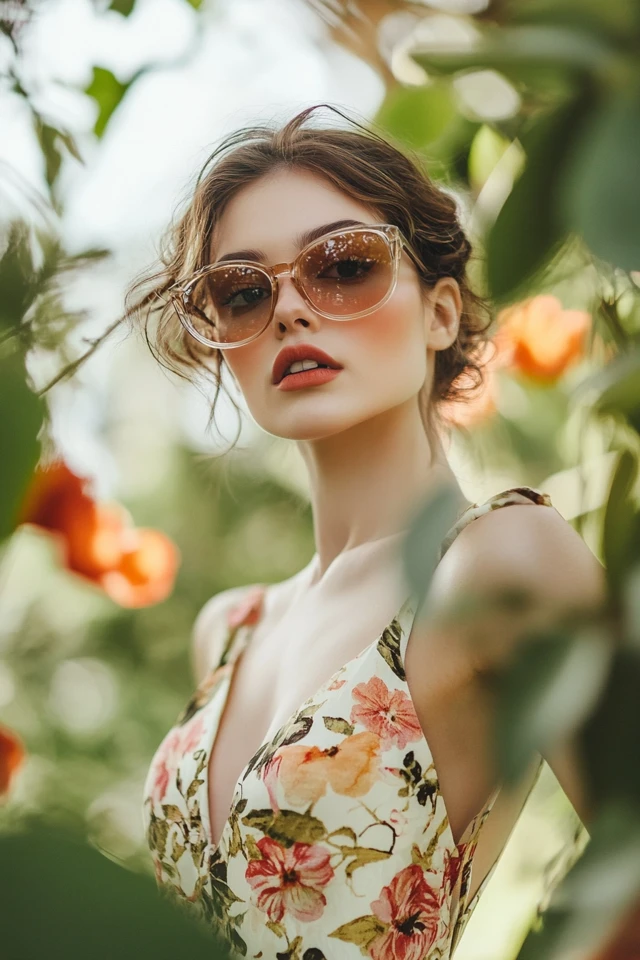
How to wear casual floral summer dresses
Keep the accessories plain and let the print lead. A button-front dress with white sneakers and a straw tote is comfortable for errands or a long walk. A tea-length dress with ballet flats suits a more classic day.
Texture helps. Pair a soft, flowing print with something structured, like loafers, chunky sandals or a leather belt, so the outfit does not feel all one note. For a denim contrast, a jacket in a washed blue works with most palettes.
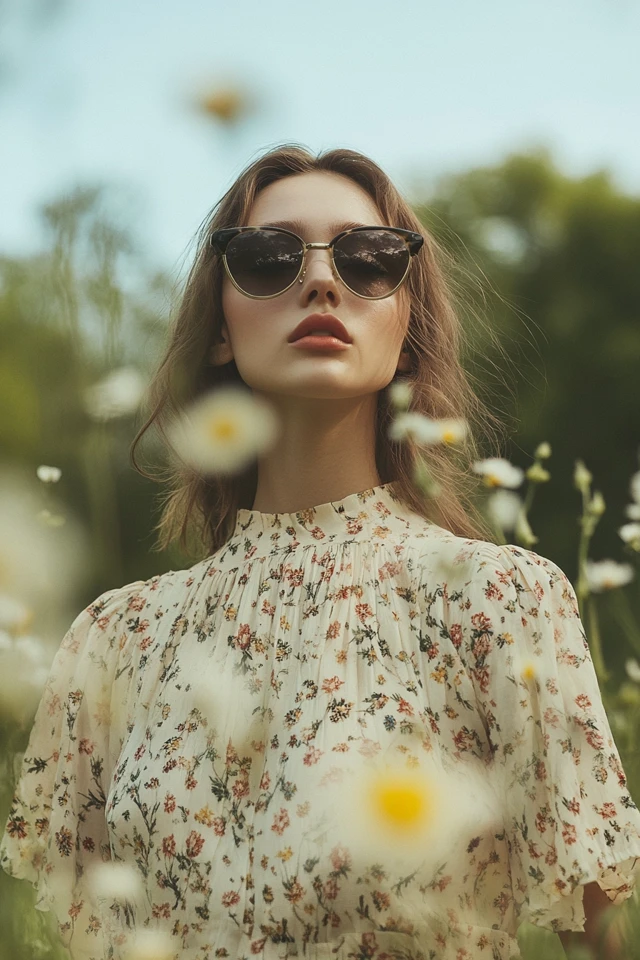
Can you wear floral dresses to a wedding?
Yes, with a few adjustments. For floral dresses for wedding guests, choose a midi or long length, a fabric with some drape, and a print that is refined rather than loud: a dark background, a tonal print or a small pattern. Check the invitation for dress code, and avoid white or cream backgrounds that read as bridal.
Heels or dressy flat sandals, a clutch and one piece of statement jewelry finish the look. For daytime garden ceremonies, flowy floral dresses for spring weddings are a good place to start, and spring vintage occasionwear covers more event looks.
Can an older woman wear a floral dress?
Absolutely. Age is not the factor; fit and scale are. A dress that skims the body, a hem you feel comfortable in and a print that is not too tiny or too huge look good at any age. Sleeves, a modest neckline and a midi length are popular choices if you want more coverage.
How to adapt a floral dress for cooler days
A floral dress can stretch into spring evenings and autumn with layers. Add a cropped cardigan, a light trench or a denim jacket, and swap sandals for ankle boots with tights.
If you layer a long-sleeve top underneath, pick a thin fabric. For active outdoor days in the cold, the Texas A&M Howdy Health guide advises that the layer closest to your skin should be moisture-wicking, and to avoid cotton because it absorbs moisture and can keep it next to your skin.
Shoes and extras that work with vintage florals
- Mary Janes or lace-up flats for a cottagecore feel with puff sleeves.
- Platform sandals to modernize a 70s print.
- Espadrilles and a woven bag for picnics.
- Loafers and a beige trench for changeable weather.
For a wider retro look, try vintage-inspired dresses for retro-themed events.
Frequently asked questions
Can an older woman wear a floral dress?
Yes. Focus on fit, a flattering length such as a midi, and a medium-scale print rather than age.
How do I keep a floral pattern from looking overwhelming?
Choose a smaller or more muted print and keep shoes and bags neutral. Let the dress be the only pattern in the outfit.
Can floral dresses be worn year-round?
Yes. Add tights, boots and a cardigan in cooler months, then switch to sandals when it warms up.
How do I care for a floral dress?
Follow the care label first. Delicate fabrics usually do best washed cold on a gentle cycle or by hand, then air-dried to protect the print.
Filed under Seasonal Trends