Vintage-Inspired Dresses for Retro-Themed Events
- Words by
- Julio Arco
- Published
- Reading
- 5 min
For a retro-themed event, choose the one silhouette that defines the decade and let it carry the look: a beaded drop-waist for the 1920s, a cinched swing dress for the 1950s, an A-line mini for the 1960s, a wrap dress for the 1970s, and big shoulders or ruffles for the 1980s. Then add two or three era-specific accessories and stop.
A vintage-inspired dress gives you the shape without the fragility of a true vintage piece. It is cut for modern bodies and made in modern fabrics, so you can sit, dance and eat without worrying about a seam.
Which era should you dress for?
Start with the theme on the invitation, then pick the dress by its shape. Each decade has one outline people recognize from across the room.
- 1920s: drop waist, beading or fringe, knee-length hem.
- 1950s: fitted bodice, nipped waist, full skirt or a close pencil cut.
- 1960s: short A-line shapes, graphic patterns, or flowing boho lengths.
- 1970s: wrap dresses, metallics, maxi lengths and bold prints.
- 1980s: strong shoulders, neon, body-skimming cuts or exaggerated ruffles.
If the theme is only "retro", choose the decade whose shape you feel most comfortable in. You will wear it for hours, and comfort shows in how you move.
What to wear to a 1920s or Gatsby-themed party
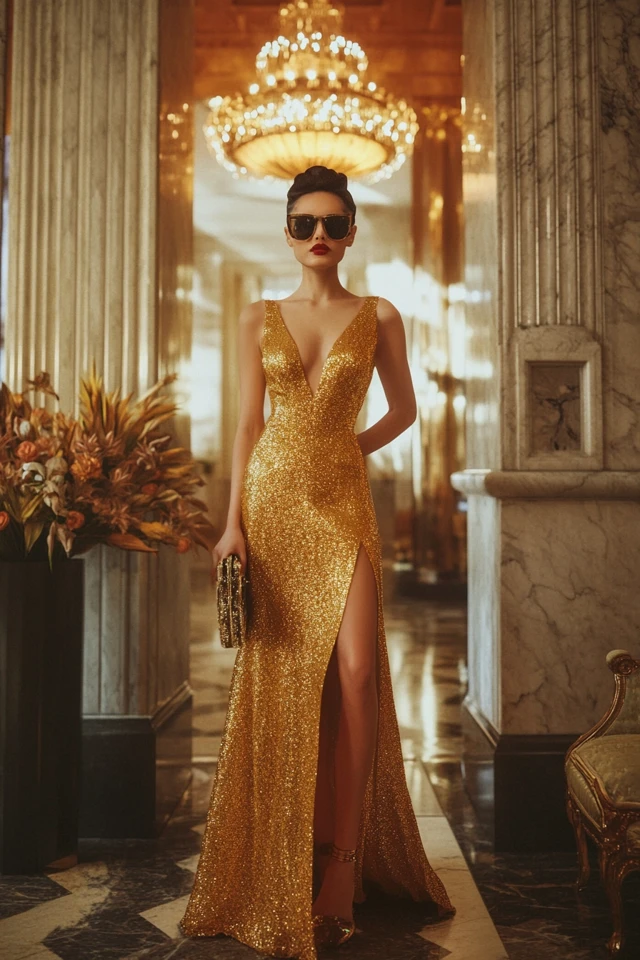
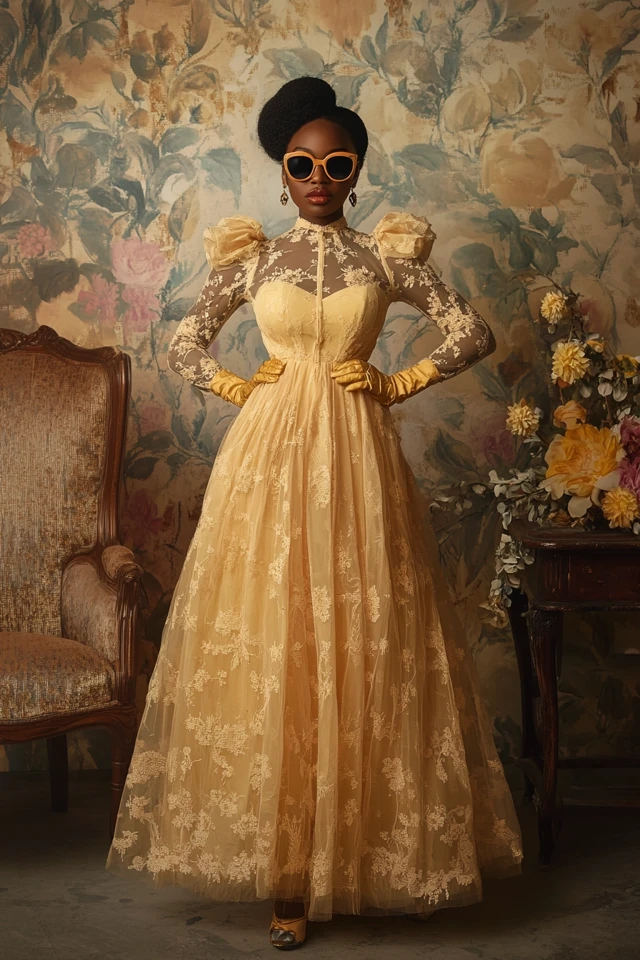
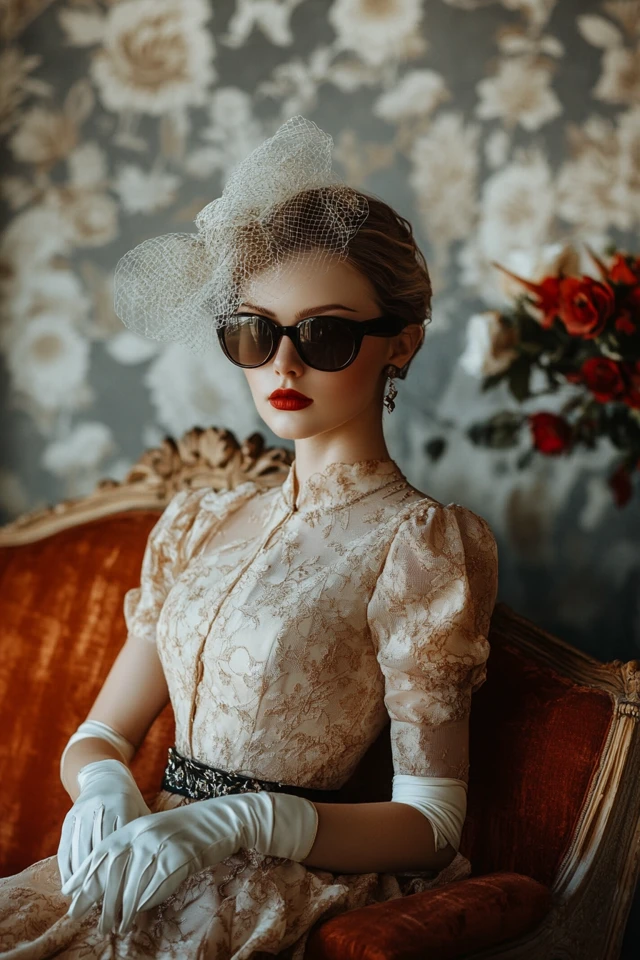
The sequined or beaded flapper dress is the obvious choice: sleeveless, around knee length, with fringe that moves when you do. A drop-waist gown in soft pastel or metallic is the more refined option. Pair either with T-strap heels and a feathered headband.
Black and gold is the classic palette here. Black is also the safest base if you want a dress you can wear again. The little black dress dates to Chanel in 1926, and the Metropolitan Museum of Art describes it as a staple of late afternoon and cocktail hours, which is why a beaded black dress still reads as period-correct.
Through the lens of evidence-based design, I'd pay attention to the surface. Beading and sequins catch light and draw the eye, so a simple hair and jewelry choice keeps the dress from competing with itself.
What to wear to a 1950s sock hop or garden party
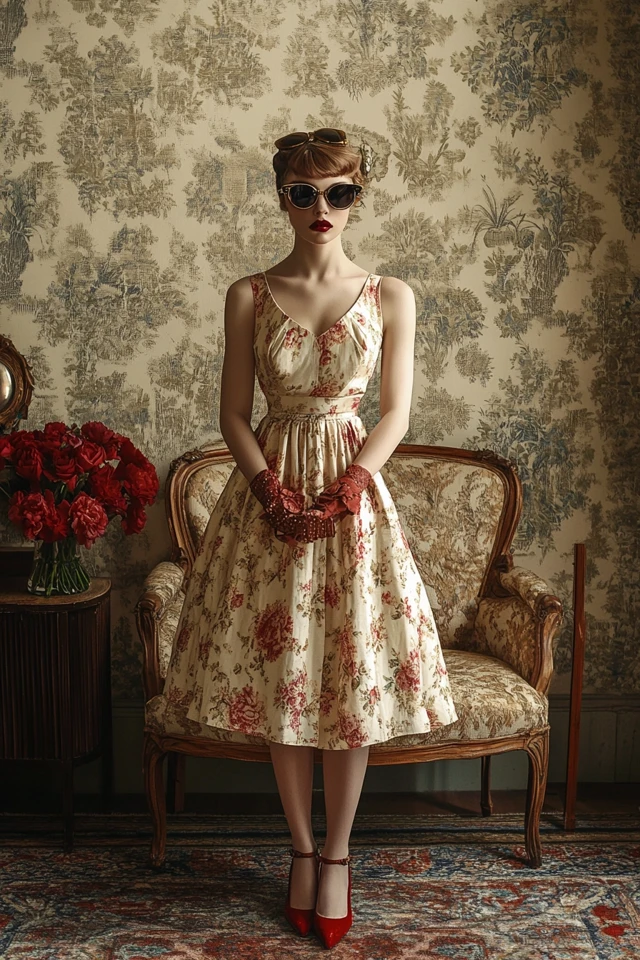
A fit-and-flare swing dress is the easiest answer. Look for a defined waist and a skirt with enough volume to move. Polka dots, gingham and cherry prints all read as 1950s immediately. If you want extra fullness, add a petticoat underneath.
A fitted pencil dress in red or navy is the sleeker alternative, and a cropped cardigan finishes it. For a closer look at one of the era's signature prints, see these classic polka dot dresses. Red works well here because it sits strongly against most skin tones and stays bright in photos.
What to wear for a 1960s mod or boho theme
The mod option is a short A-line dress with color blocking, swirls or geometric shapes in bright colors. A high neckline and either sleeveless or long sleeves keeps the shape clean. The boho option is a flowing floral maxi with bell sleeves, finished with a wide-brimmed hat or a fringe bag.
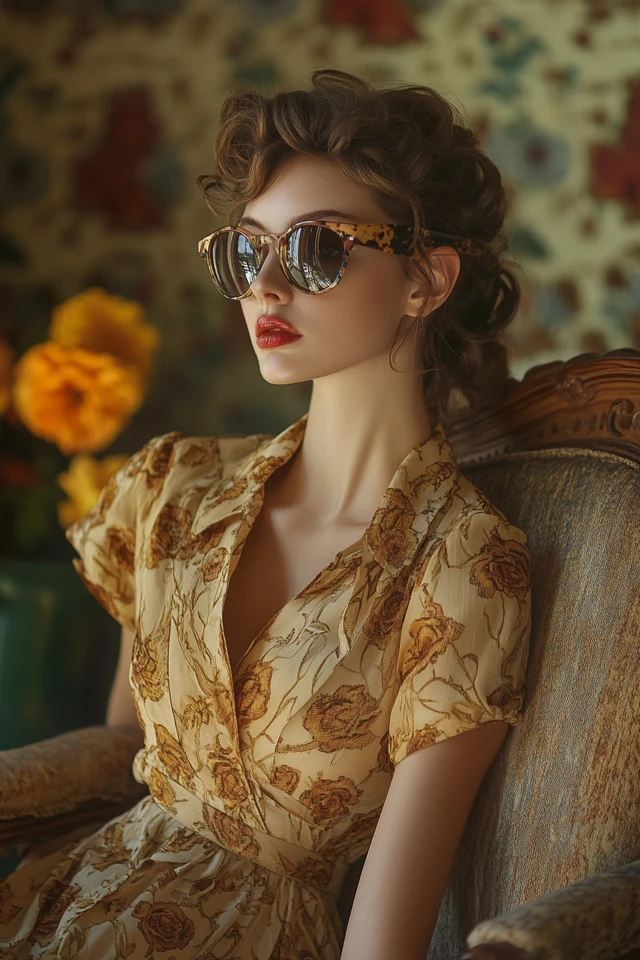
If sleeves are your favorite detail, puff sleeve dresses bridge old and new nicely. For something floral and lighter, try vintage-inspired florals.
What to wear to a 1970s disco night
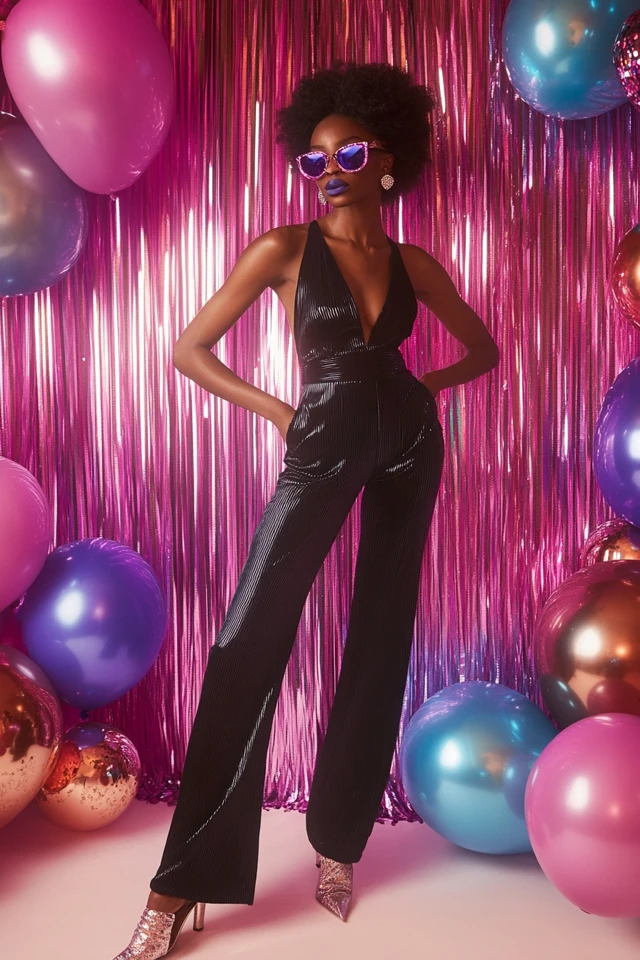
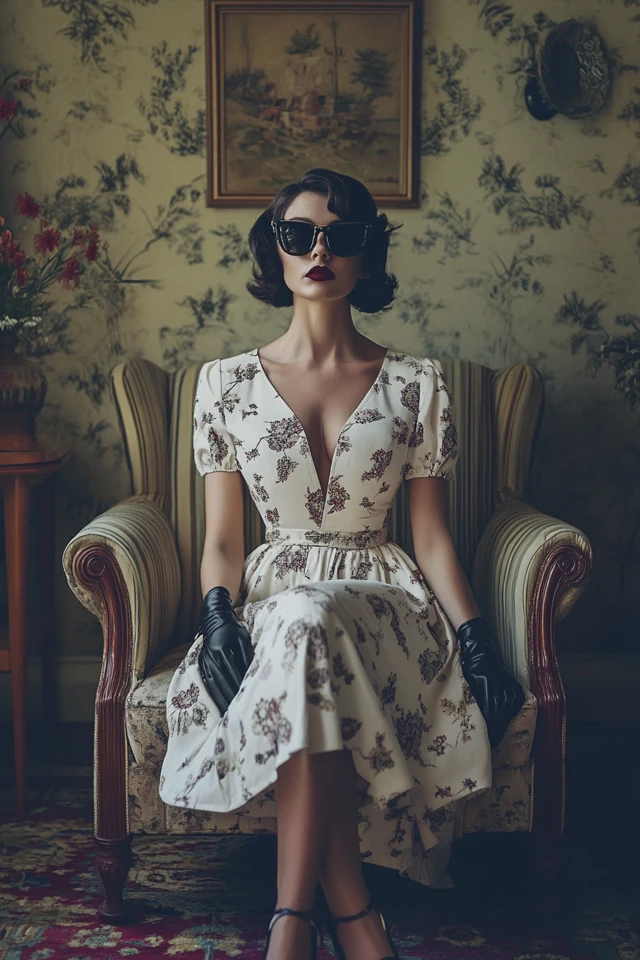
A metallic wrap dress or jumpsuit in gold, silver or bronze is the full-glam version. Platform heels complete it. A maxi dress in paisley or a bold geometric print channels the more bohemian side of the decade.
Wrap dresses are forgiving because you control how snug the waist sits. If you want to push the theme further, add flared jeans to a casual 1970s look instead of a dress, or a pair of wide-leg culottes for a dressier trouser option.
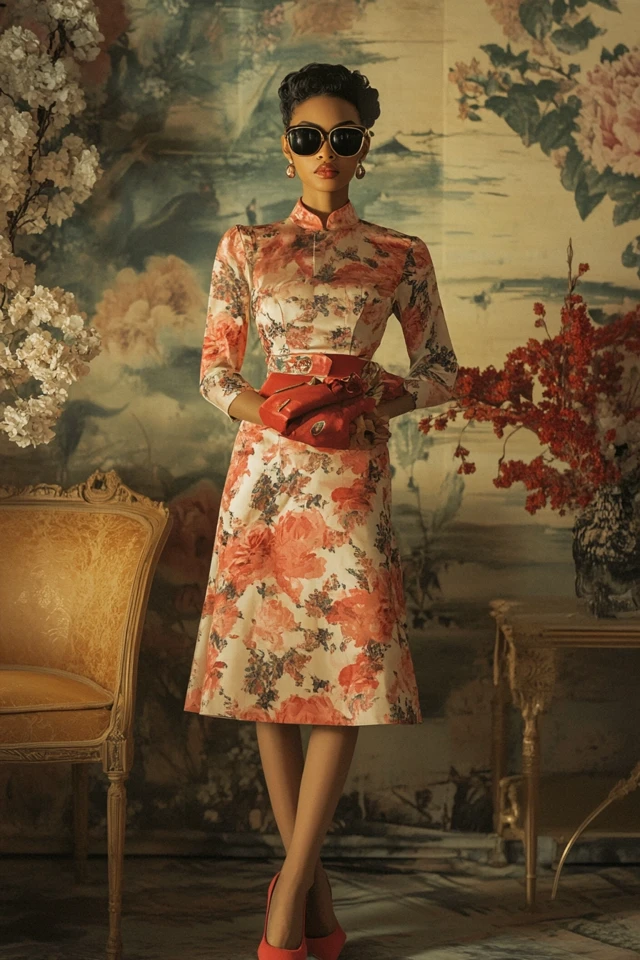
What to wear for 1980s bold looks
Go for a body-skimming dress with shoulder pads and neon accents, or a taffeta or satin party dress with exaggerated ruffles for a prom-style theme. This is the decade where more is the point, so one loud element (the shoulder, the ruffle, the color) is enough to make the outfit read.
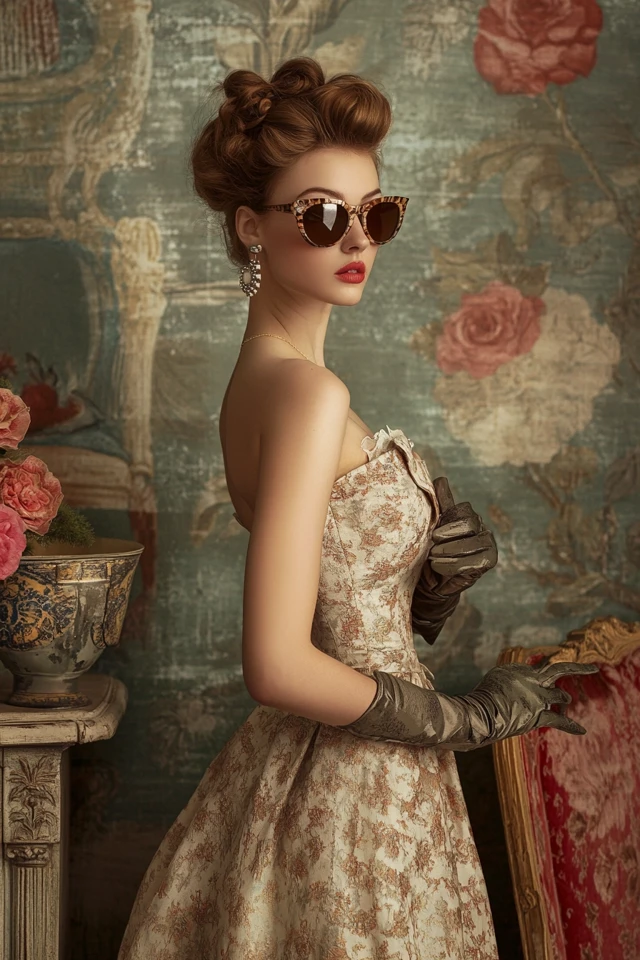
How do colors and patterns change the look?
Color tells people the decade before they see the cut. Black with gold suggests the 1920s. Red and polka dots suggest the 1950s. Yellow, orange and green point to the 1970s, and neon to the 1980s. Browns, beiges and muted tones suit the boho side of the 1960s and 1970s.
Patterns work the same way. Florals fit the 1950s, 1960s and boho themes. Geometric shapes belong to the mod 1960s and the 1970s. Stripes and dots are safe across the 1950s and 1960s. Pick one pattern per outfit; two competing prints blur the era you are trying to show.
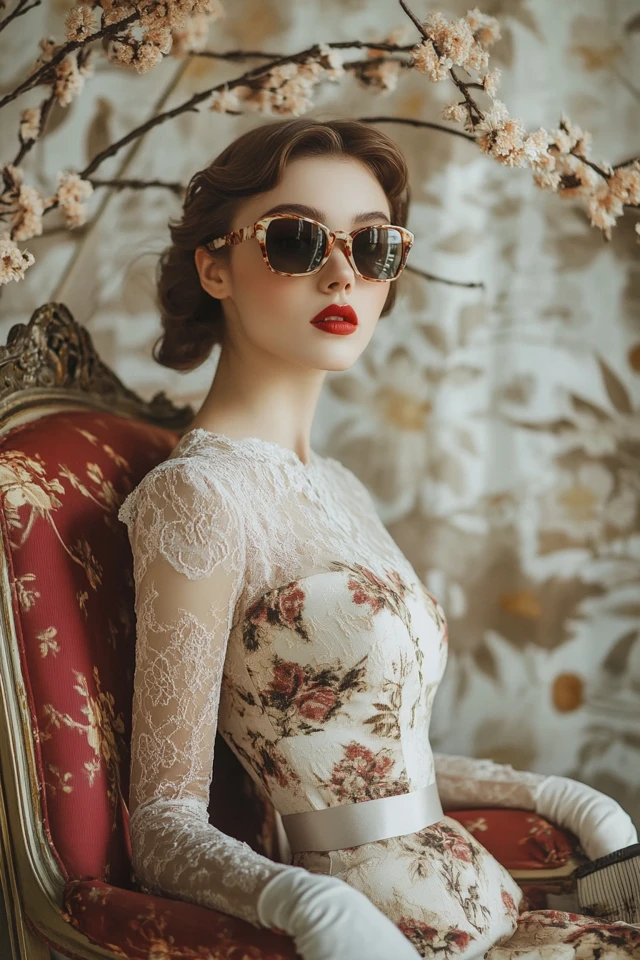
How do you keep the look comfortable and personal?
- Choose shoes you can stand in all night: Mary Janes, kitten heels or platform sandals suit different decades.
- Add small accessories that match the era, such as pearls, cat-eye sunglasses or a headscarf.
- Match the hair to the decade: finger waves for the 1920s, pin curls for the 1950s, a voluminous blowout for the 1970s.
- Mix eras on purpose. A 1950s swing dress with 1970s platforms looks deliberate when the colors agree.
- Keep jewelry and the clutch simple so the dress stays the focal point.
As an architect trained in evidence-based design, I'd treat the neckline and waist as the first things the eye reads, so make sure those two points fit well before worrying about anything else. For more ideas on texture, see mixing satin and crochet.
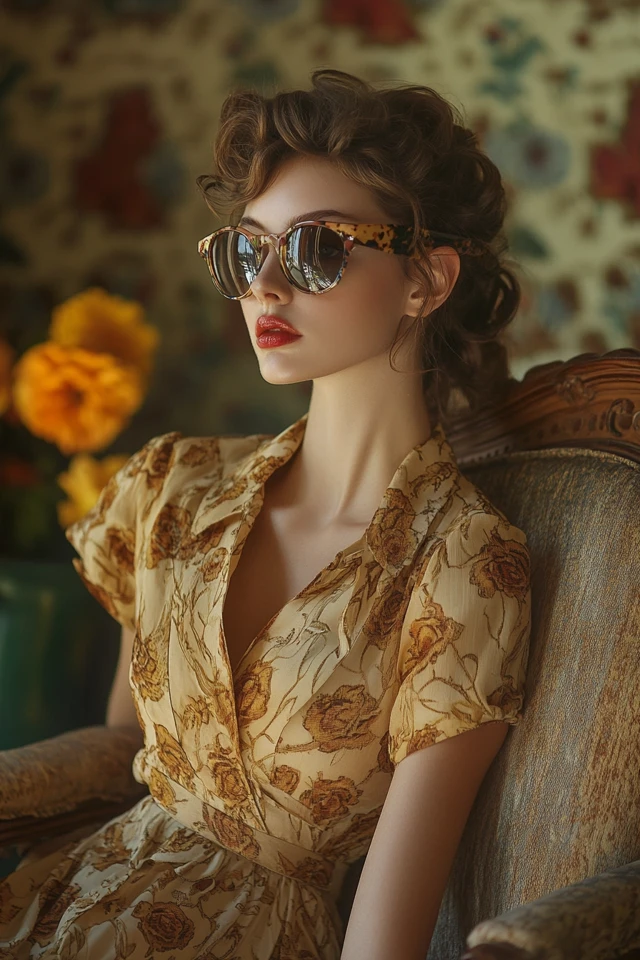
If your event leans toward a formal masquerade rather than a decade party, these vintage-inspired masquerade dresses are a closer match.
Frequently asked questions
Can I wear an authentic vintage dress to a retro-themed event?
Yes, though older fabrics can be delicate, so check the seams and zipper before you wear it. A vintage-inspired dress is easier to sit and dance in.
Are vintage-inspired dresses flattering on every body type?
Most decades offer a shape that works. A-line cuts balance the silhouette, and wrap dresses let you adjust the waist. Choose the one that fits at the shoulders and waist first.
Can I mix elements from different decades?
Yes. Keep one decade as the base and borrow one or two pieces from another, such as 1970s platform shoes with a 1950s swing dress. Matching the color palette keeps the mix looking intentional.
How do I make a vintage-inspired dress feel modern?
Pair it with minimal jewelry and sleek shoes instead of full period accessories. Keeping the hair and makeup simple also makes the dress feel current.
Filed under Occasionwear