
Tulip Hem Dresses: Fabrics, Fit and How to Style Them
- Words by
- Julio Arco
- Published
- Reading
- 5 min
A tulip hem dress has two fabric panels that overlap at the bottom and curve like petals, so the hem is open at the front or side and moves with every step. Pick it when you want movement without a full skirt or a high slit.
The dress works in a mini, midi or maxi, and the fabric decides the mood. Soft chiffon feels romantic, satin feels formal, and a crisp cotton blend feels easy for daytime.

What is a tulip hem dress?
The overlapping layers create a curved, slightly asymmetrical edge. The front panel crosses over the back (or the reverse), and the gap between them shifts as you walk. That small opening is what gives the hem its sway.
Compared with a straight hem, the curve draws the eye along the leg without showing much skin. That is why it suits both a wedding guest outfit and a work lunch. If you like the shape but prefer a skirt, see tulip skirts for softly sculpted looks.
Which fabrics suit a tulip hem?
The hem only looks good if the two layers move well, so drape matters more than anything else. A fabric that is too stiff makes the petals stand away from the body. One that is too clingy hides the overlap.
- Chiffon and georgette: light and floaty, good for outdoor events and warm weather.
- Satin and crepe: heavier drape, a cleaner line, better for evenings and formal dinners.
- Jersey and stretch crepe: comfortable and forgiving, a good base for work and everyday wear.
- Cotton blends and poplin: a more structured petal that holds its shape on casual days.
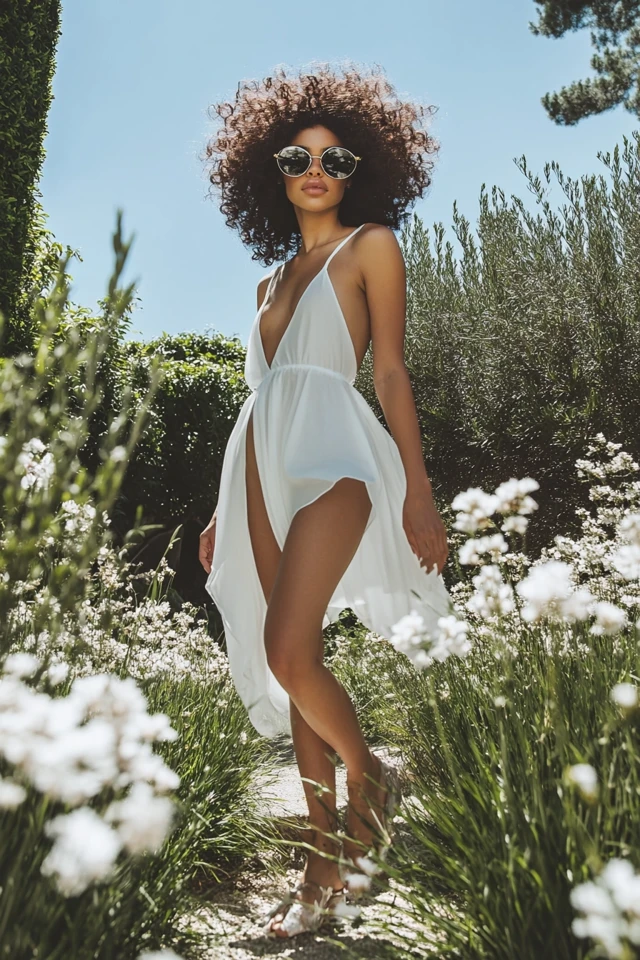
What fabrics pair well together in one dress?
Mixed fabric dress ideas often solve the tulip hem's biggest problem: how to get movement and structure in the same garment. The usual approach is a sheer layer over an opaque one, or a smooth fabric against a textured one.
- Chiffon overlay on a satin underlayer: the satin gives a quiet shine, the chiffon softens the edge of the hem.
- Matte crepe body with a satin hem panel: the contrast makes the curve of the petal easy to see.
- Knit bodice with a woven skirt: stretch where you need comfort, drape where you want movement.
Combining fabrics is old practice. The Kyoto Costume Institute describes an 1855 English day dress this way: "Considering that this mixed fabric of silk and wool is a material hard to print on, this dress with its bright and cheerful colors is a particularly fine example on how much cloth printing techniques had evolved."
Through the lens of evidence-based design, I'd keep one fabric matte and one with a little sheen. Texture changes how a color reads, so the same shade looks deeper on satin and softer on chiffon, and the pairing gives the hem more depth. For more on this pairing, read chiffon and satin for holiday dresses.
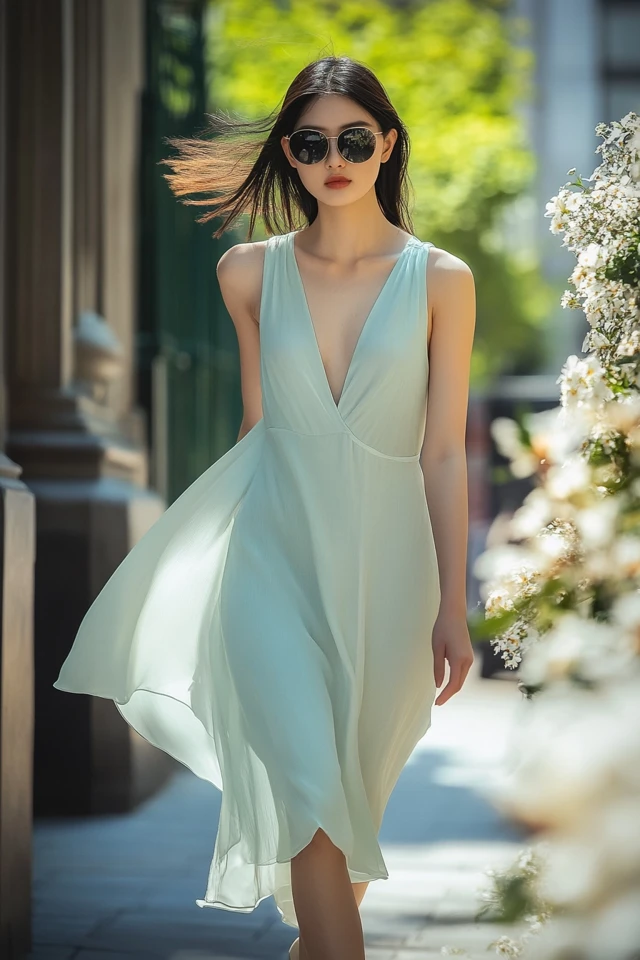
What are the best fabrics for special occasion dresses with a tulip hem?
For weddings and formal dinners, choose satin, silk-feel crepe or a chiffon-over-satin combination. They hold the curve of the hem and photograph well because the light slides across the surface instead of getting caught.
Check the lining. A tulip hem opens as you walk, so an unlined sheer fabric can show more than you intend. If you are unsure, hold the dress up to a window and look through the hem layer. If you want a similar mood in a different shape, try asymmetrical dresses for formal dinners.

How do you choose a tulip hem dress for your shape?
A tulip hem is a flexible shape, but proportions still matter. A few starting points:
- Petite frames: a hem that ends at or just above the knee keeps the leg line long. A dress in one color from top to bottom helps too.
- Curvy figures: a wrap or crossover bodice defines the waist, and a fluid fabric lets the hem fall without clinging.
- Tall frames: midi and maxi lengths show off the overlap, and larger prints sit well on a longer line.
- Athletic builds: ruching or a cinched waist adds softness above the hem.
If a dress pulls across the hips or gapes at the overlap, that is a fit problem, not a you problem. Try the next size or a wrap style with an adjustable tie.
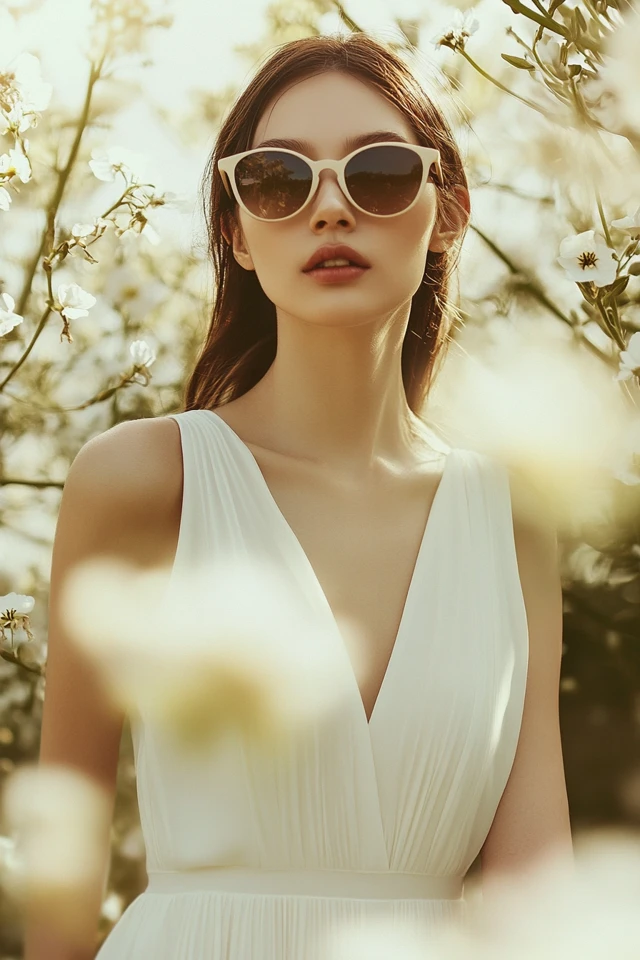
How do you pick a color?
Pastels such as blush, mint and lavender look soft and are an easy choice for spring weddings and garden parties. Brights like coral or fuchsia suit summer and daytime events. Jewel tones, such as emerald or burgundy, look best at night, when the light is lower and the fabric shine shows.
Neutrals like cream, taupe and charcoal work across seasons and layer under a coat. Prints are best when the pattern is small or loose, because the curve of the hem will break up a large, rigid print.
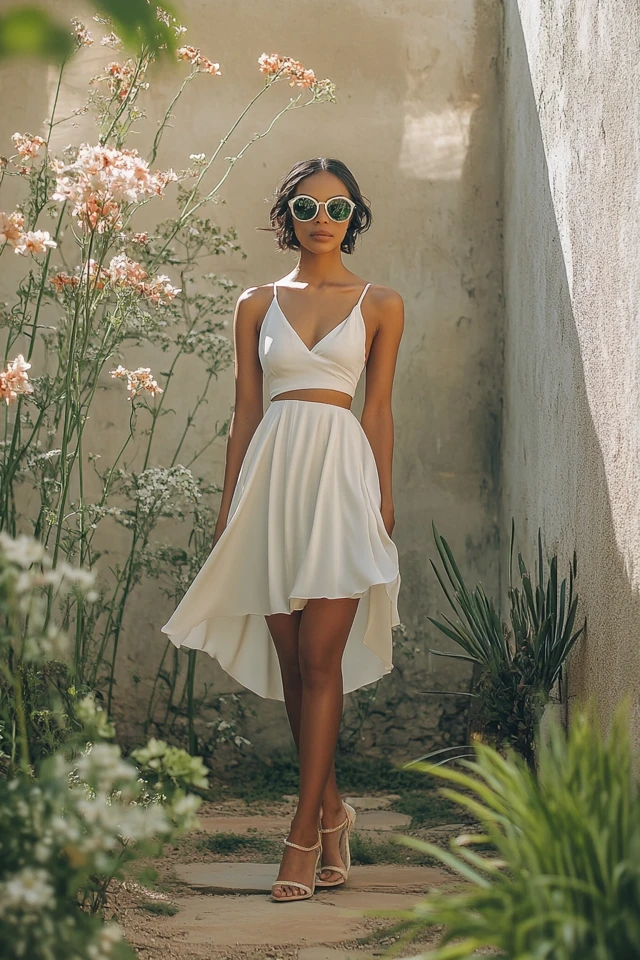
How do you style a tulip hem dress?
Keep the top half simple so the hem stays the focus. The overlap is already doing the decorating.
- Casual: white sneakers or flat sandals, a denim jacket and a small bag. Choose a cotton blend or jersey version.
- Office: a midi in a muted color, a tailored blazer and loafers with a small heel.
- Evening: strappy heels, delicate earrings and a slim clutch. A satin or metallic version needs very little else.
- Cooler weather: tights, ankle boots and a long coat. Choose a coat that ends below the hem so the overlap does not get lost.

A belt defines the waist, but choose a thin one. A wide belt competes with the hem. If you enjoy hemline details, fluted hem midi dresses offer a different kind of movement.
How do you care for one?
Follow the label first, since chiffon and satin often call for hand washing or dry cleaning. Store the dress on a padded hanger so the layers keep their shape, and use a steamer rather than an iron on delicate fabrics to remove creases. Test steam on an inside seam before you start.

Frequently asked questions
What is a combined fabric dress?
It is a dress made from two or more fabrics in one garment, such as a chiffon overlay on a satin base or a knit top joined to a woven skirt. The mix is used for contrast in texture, drape or shine.
What fabrics pair well together?
Sheer fabrics such as chiffon usually work over smooth satin or crepe, and a matte fabric looks good next to one with a little sheen. Keep the weights similar so the dress hangs evenly.
Can a tulip hem dress work for a wedding guest outfit?
Yes, in satin, crepe or chiffon over a lining. Choose a midi or maxi length, and check that the hem overlap stays closed enough when you sit.
Can I wear a tulip hem dress in winter?
Yes. Choose a heavier crepe or knit blend, add tights and boots, and wear a coat long enough to cover the top of the overlap.
Filed under Style & Fit