Fluted Hem Midi Dresses: How to Style Them
- Words by
- Julio Arco
- Published
- Reading
- 4 min
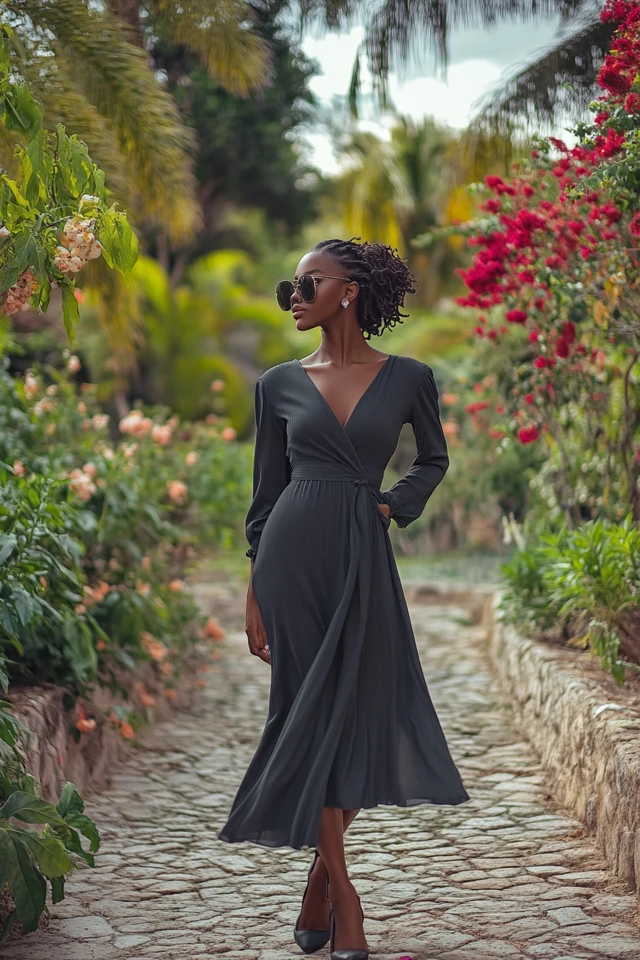
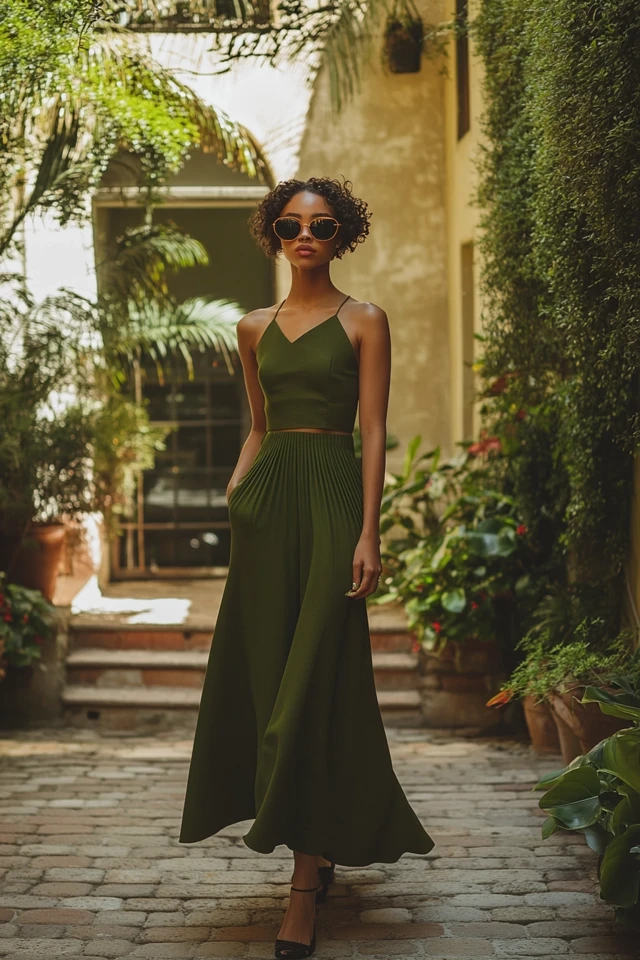
A fluted hem is a hem that stays close to the body and then flares out below the knee or at the calf. Among midi dresses, it gives you movement when you walk without the volume of a full circle skirt. Pick a fitted or lightly shaped bodice, a fabric with some drape, and a hem that ends at the lower calf.
The same dress can work for a brunch, a cocktail evening or a wedding. What changes is the fabric, the color and what you put on your feet.
What makes a hem fluted?
The flare is usually built from godets, pleats, ruffles or shaped panels sewn into the lower part of the skirt. The upper skirt stays slim, so the shape reads as a gentle bell rather than an A-line that widens from the waist.
That contrast is the point. The fitted part gives structure, and the flare gives the eye something to follow as you move. Details that often appear on these dresses include ruching, an asymmetric hem, lace overlays and sheer panels.
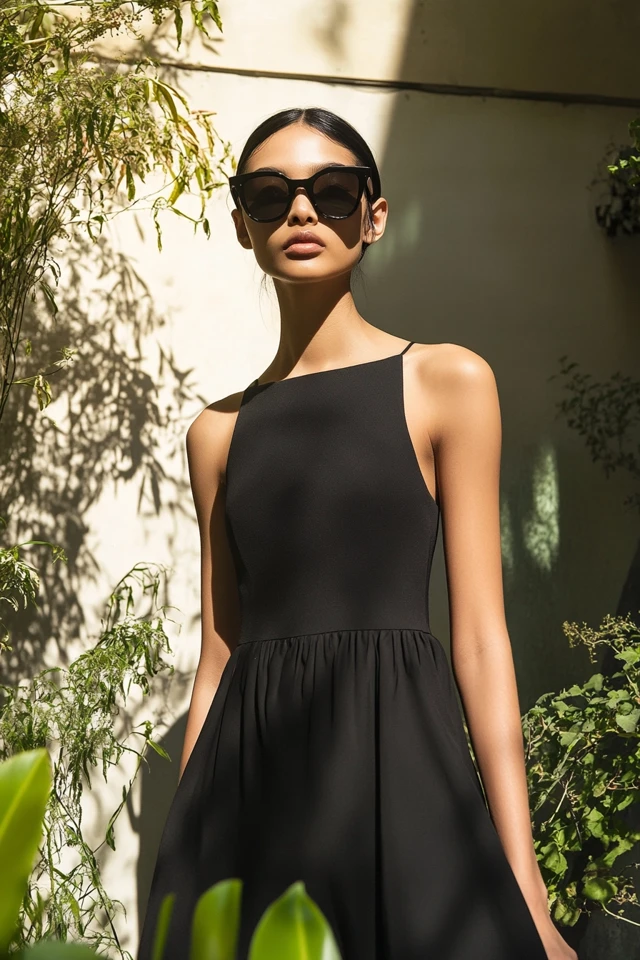
Which fabric should you choose?
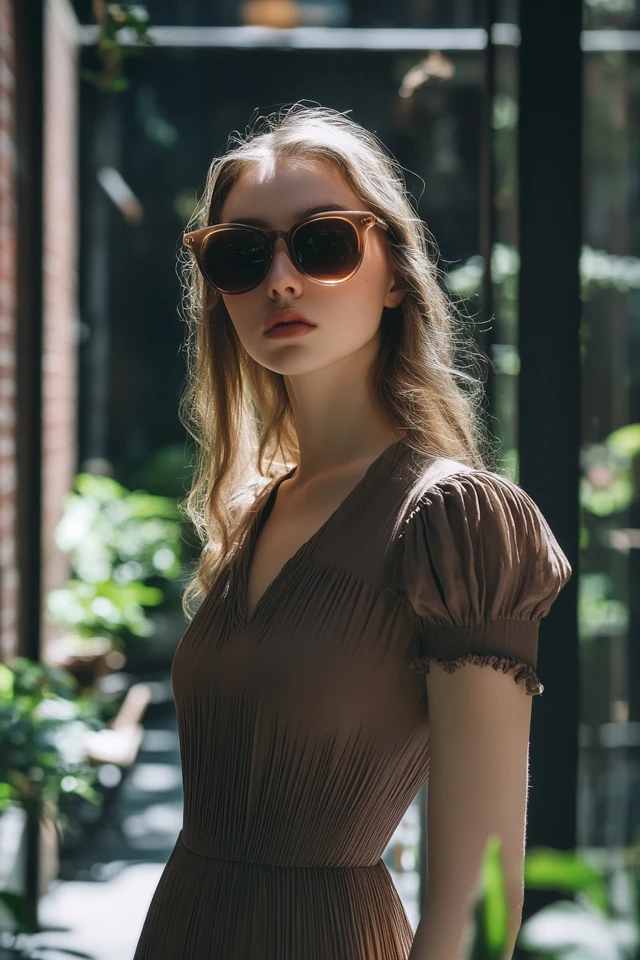
Fabric decides how the flare behaves. Through the lens of evidence-based design, I'd look at texture first, because the surface changes how light reaches the eye and how a color reads.
- Crepe holds the shape and gives a clean, controlled flare. It suits the office and cocktail events.
- Chiffon and organza float and move with every step. They suit daytime weddings and garden parties, and often come lined.
- Satin drapes heavily and catches light, which makes it the more formal choice.
- Knit and stretch blends are the easiest for casual midi dresses, since they move with you and rarely crease.
Check the care label before you buy. Delicate fabrics often need hand-washing or dry cleaning, and a steamer smooths wrinkles while keeping the hem's shape.
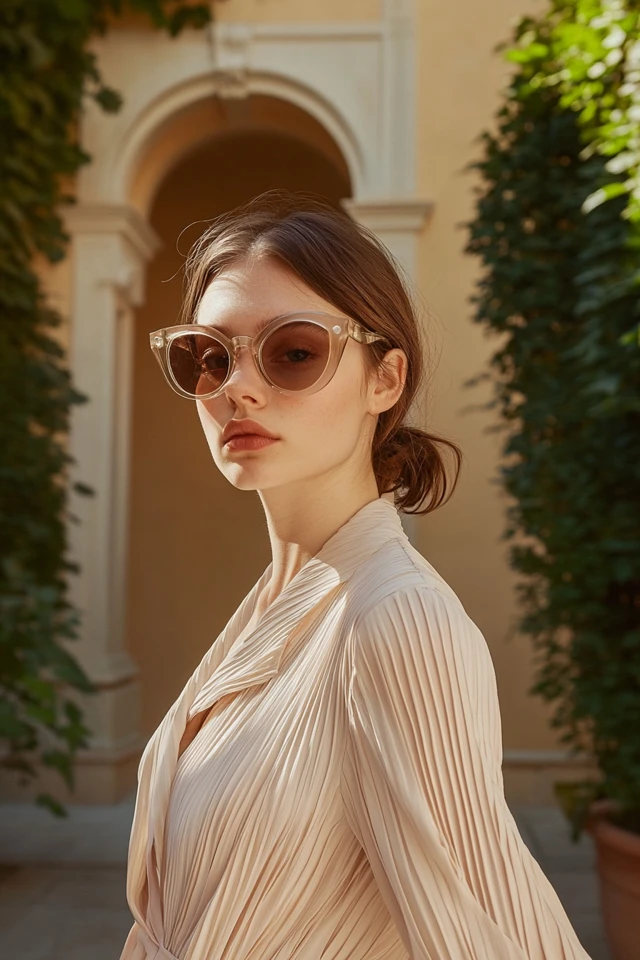
How do you choose a color?
Black, navy and ivory give you the most flexibility and work from office to evening. Soft pastels such as blush, mint and powder blue feel lighter and suit spring weddings and garden settings. Deep jewel tones like emerald, ruby and sapphire look richer in satin or velvet and suit evening plans.
Bright colors and prints work well in a matte fabric for daytime. With a busy print, keep the cut simple so the hem movement is not competing with the pattern. Metallic gold or silver is best saved for festive or formal events.
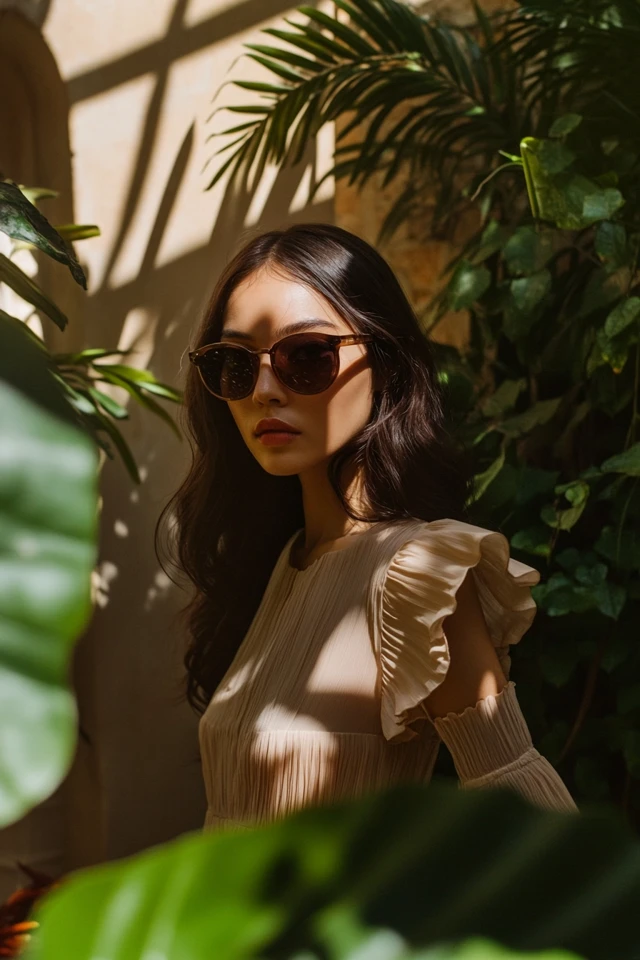
Which fluted hem suits your proportions?
Most people can wear this shape, and where it falls on the leg matters more than body type. A few adjustments help:
- Petite: choose a higher waist and a hem just below the knee, so the flare does not swallow your height. Pointed-toe shoes or heeled sandals extend the line of the leg.
- Curvy: a defined waist with a flare that starts lower keeps the balance. Fabrics with a little stretch or paneling make the fit comfortable.
- Athletic: ruffled or tiered hems add softness, and a textured fabric adds dimension.
- Tall: longer midi lengths and tiered or asymmetric hems suit your height, and flat sandals or low heels look easy with them.
If a dress pulls at the shoulders or gapes at the waist, that is a fit problem, not a you problem. A tailor can often fix a waist or a hem length.
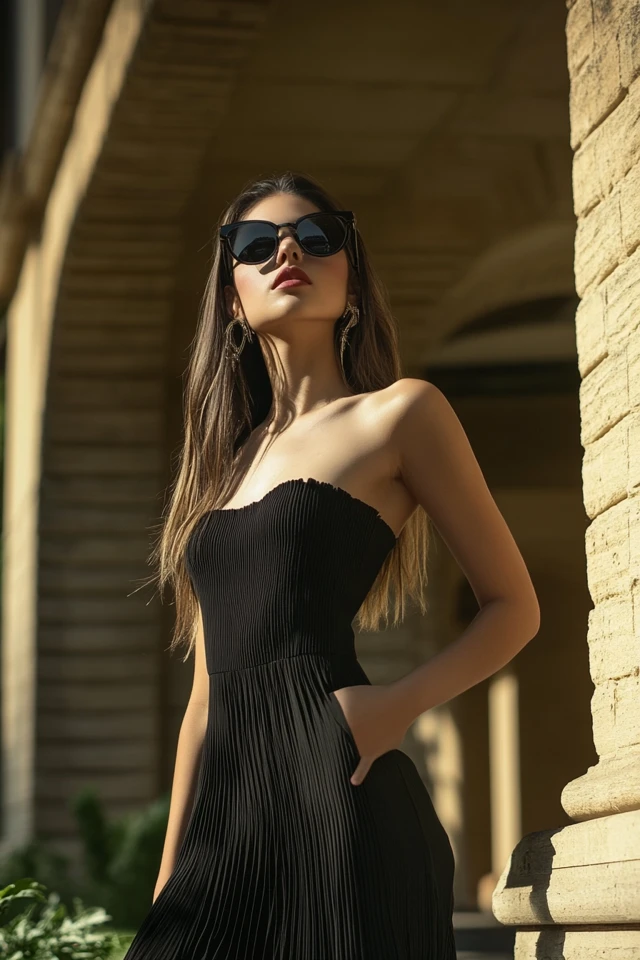
How do you style a fluted hem midi dress for different occasions?
For a wedding
For midi dresses for a wedding guest, choose chiffon or satin in a pastel or jewel tone, and keep accessories simple: delicate earrings and a structured clutch. Avoid white and ivory unless the couple has said otherwise.
For cocktails
Midi dresses for cocktail events look best in satin or crepe in a deep color. Add pointed-toe heels and a belt if the waist is undefined. A sleek ponytail or low bun keeps the hem as the focus.
For every day
Pair a knit or printed version with flat sandals or white sneakers and a denim jacket. For work, add a tailored blazer or cropped cardigan.
Sleeves, coverage and cooler weather
Midi dresses with sleeves are an easy way to make this shape more modest. Look for three-quarter or long sleeves, a higher neckline and a lined skirt, and check that sheer panels are lined if you want full coverage. Modest midi dresses in a fluted cut stay elegant because the flare, not the skin shown, carries the interest.
In winter, wear opaque tights, knee-high boots and a tailored coat. The coat should end above the start of the flare so the hem still shows. A leather jacket adds an edgier contrast to a soft skirt. If you like this kind of movement, the tulip hem dresses and fluted hem skirts are close relatives.
What trends are worth trying?
Asymmetric and high-low hems give the classic shape a modern edge. Sheer overlays, subtle cutouts at the waist and tiered ruffles are also common. Minimal solid-color versions, lace accents and crepe or satin stay dependable year after year.
For other flowing shapes, see wrap midi dresses with flowing skirts, or metallic midi dresses for winter weddings if a party is on the calendar. For a lighter warm-weather option, try relaxed midi dresses.
Frequently asked questions
What are some good midi dresses for older ladies?
Look for a lined fabric with some drape, such as crepe or a soft knit, and a fluted or A-line hem that ends at the lower calf. Three-quarter sleeves and a neckline you feel comfortable in make the dress easy to wear for any age.
Can you wear a fluted hem midi dress casually?
Yes. Choose a knit or printed version and pair it with flat sandals or clean white sneakers and a denim jacket.
Is a fluted hem midi dress suitable for a wedding?
Yes, in chiffon, satin or crepe in a pastel or jewel tone. Avoid white and ivory unless the couple has asked for it.
What shoes go with a fluted hem midi dress?
Pointed-toe heels or strappy sandals lengthen the leg for formal events, block heels give stability, and flat sandals or sneakers keep it casual.
Filed under Style & Fit