Coffin Nails: Shape, Sizes, Filing and Design Ideas
- Words by
- Julio Arco
- Published
- Reading
- 5 min
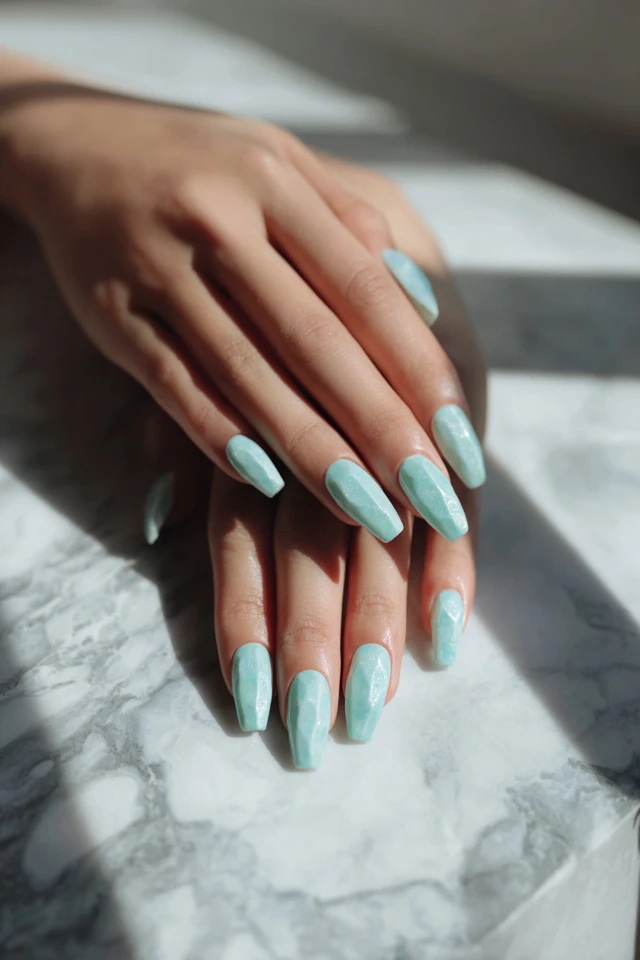
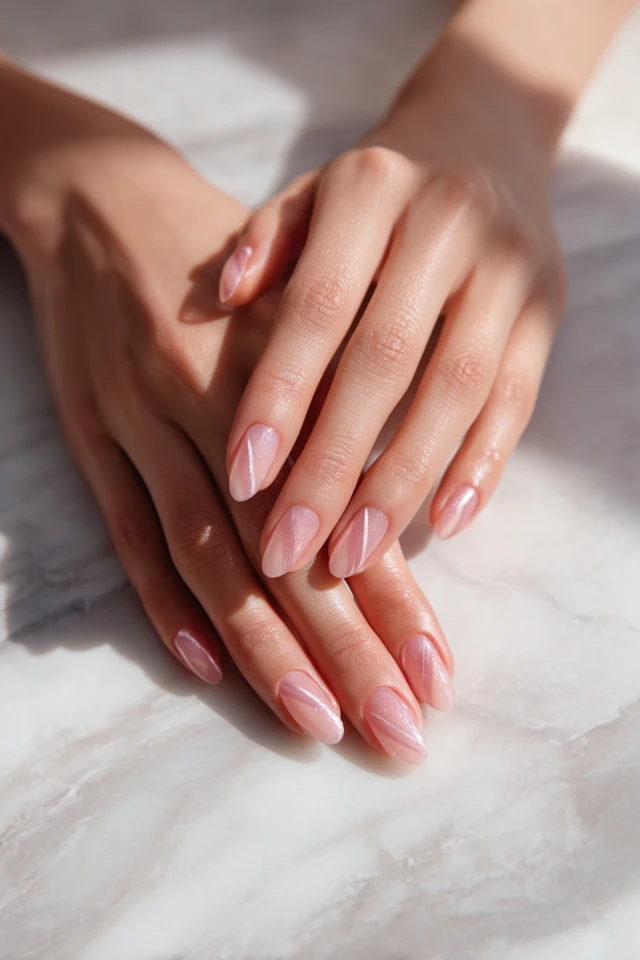
Coffin nails are long nails with a tapered sides and a flat, squared-off tip. Picture a square nail that narrows toward the end, like a ballerina slipper with the point cut straight across. The oblique version in this post angles that flat tip slightly, which gives the shape a sharper, more graphic edge.
The shape suits you if you like length and a clean, architectural line. It asks a bit more upkeep than a short round nail, so it helps to know how it compares with other shapes before you commit.
Why are they called coffin nails?
The name comes from the outline. A coffin is narrow at the foot, wider at the shoulders, and flat at the ends, and a nail filed with tapered sides and a flat tip traces the same silhouette. The other common name, ballerina nails, comes from the resemblance to a pointe shoe.
Coffin nails vs ballerina, almond and square
The shapes are close relatives, and the differences are small but visible. The tip is the main clue.
Coffin nails vs ballerina
These are usually treated as the same shape. When people do separate them, ballerina nails taper a little more gently and often have a slightly narrower tip, while coffin nails keep a wider, flatter end.
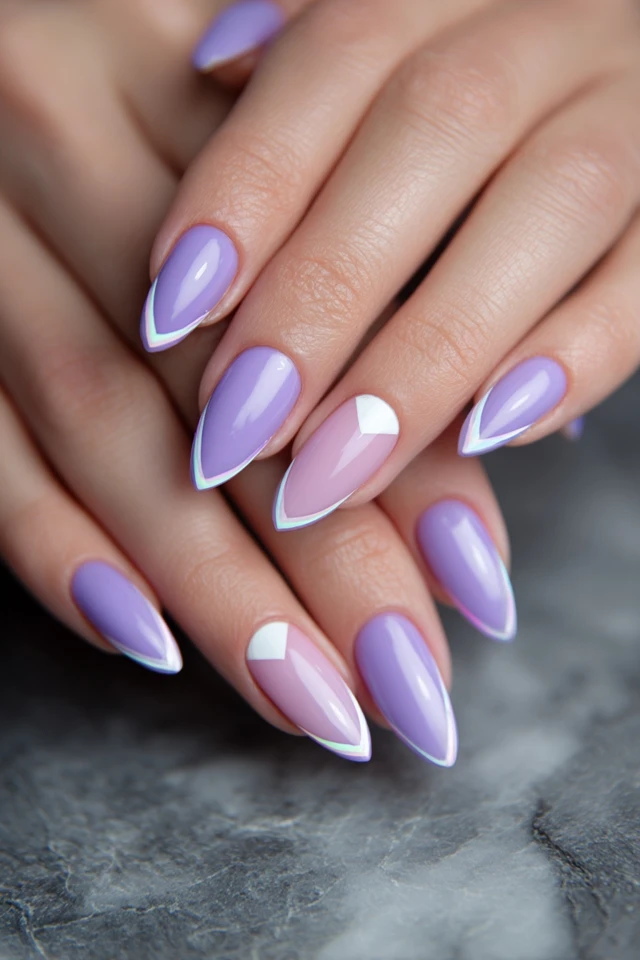
Coffin nails vs almond
Almond nails taper to a rounded point, so the tip is soft. Coffin nails end in a flat edge with two corners. If you want a more graceful, rounded line, almond is the calmer choice. If you want a bold edge that stands out, coffin wins. I'd pick almond for a soft, quiet look, because a curved tip reads as gentler than a flat one.
Coffin nails vs square
Square nails keep straight sides all the way to the tip. Coffin nails narrow first, which makes the fingers look longer and the tip less blocky. Square is sturdier, and coffin is more dramatic.
Rounder options sit at the other end of the range. If you lean that way, see round silhouette nails.
Types and sizes of coffin nails
Length changes the personality of the shape more than anything else.
- Short coffin nails taper only slightly and keep the tip wide. They are the easiest to live with for typing, cooking and bag-rummaging. The mini coffin look is a good example.
- Medium coffin nails show the taper clearly while staying manageable.
- Long coffin nails make the strongest statement and need the most care. Browse refined long coffin nails or sleek long coffin silhouettes for reference.
Tip width varies too. A very narrow tip is more dramatic, and a wider tip is stronger. Slimmer takes are shown in sharp slim coffin nails and ultra tapered designs.
How to shape and file coffin nails
The steps below cover how to cut coffin nails into shape. Start with the nails at your chosen length, whether natural or extended.
- Trim the nail straight across to the length you want. Do not clip the corners yet.
- File each side inward from the sidewall toward the center of the tip, keeping both sides symmetrical. Use short strokes in one direction rather than sawing back and forth.
- Stop when the tip is about one third to one half the width of the nail base. Narrower looks sharper, wider is sturdier.
- File the free edge flat, then soften the two corners very slightly so they do not snag.
- For the oblique version, angle the flat edge diagonally, and repeat the same angle on every nail so the set looks intentional.
- Check the shape from above and from the side, and compare nail to nail.
A fine-grit file gives a cleaner edge than a coarse one. If you wear extensions, shaping them is easier than shaping natural nails because the material is thicker.
Coffin nail design ideas
The flat tip gives you a clean canvas, and the angled edge suits graphic ideas.
- Coffin nails french tip: a thin white or colored line along the flat edge. On an oblique tip, follow the angle so the line runs diagonally.
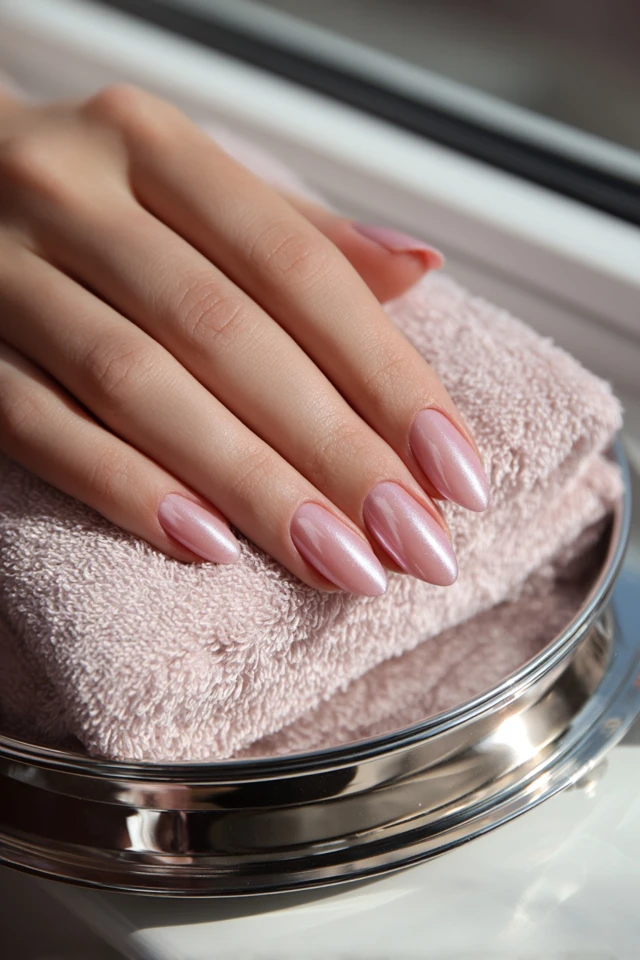
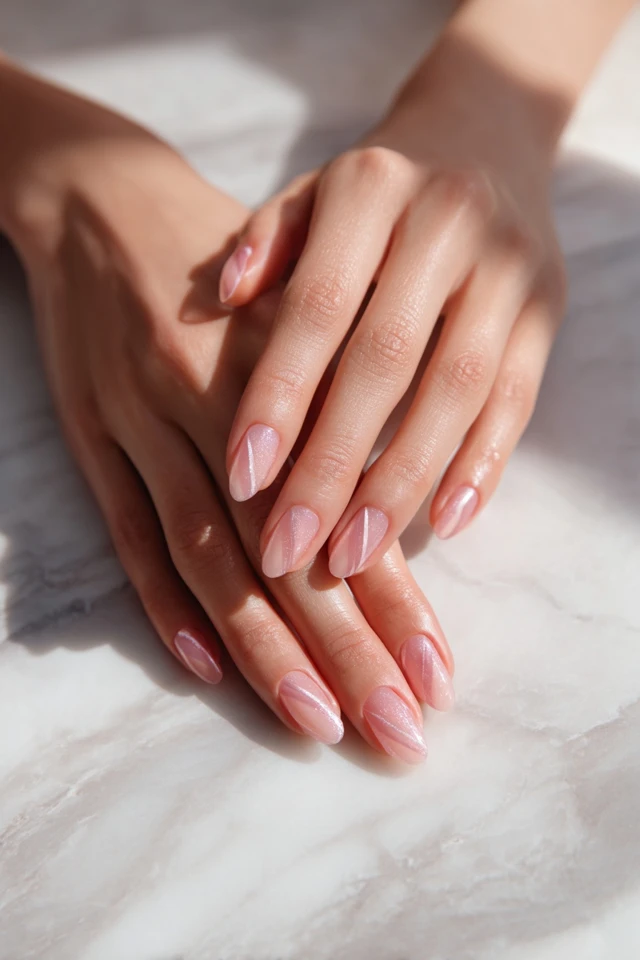
- Single-color nudes and blushes, which keep the shape itself as the focus.
- Thin geometric lines in gold or black that echo the diagonal tip.
- Gradient fades from the base to the tip, which emphasize length.
- Matte finishes with a glossy accent on one or two nails.
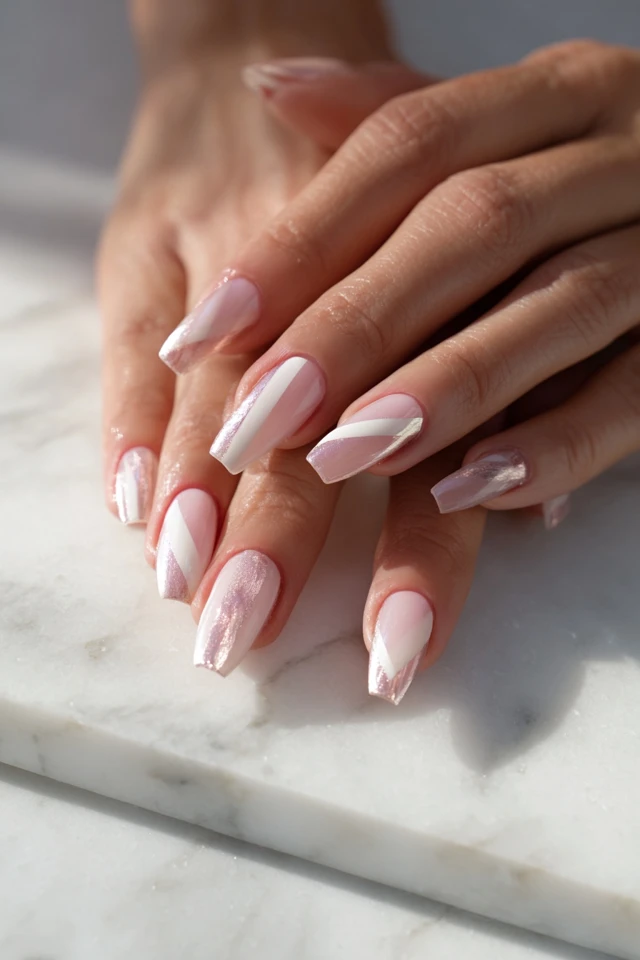
Through the lens of evidence-based design, I'd pay attention to finish before color. A matte coat and a glossy coat of the same shade do not read the same, because the surface changes how light reaches the eye. Gloss looks brighter and more reflective, and matte looks softer and flatter.
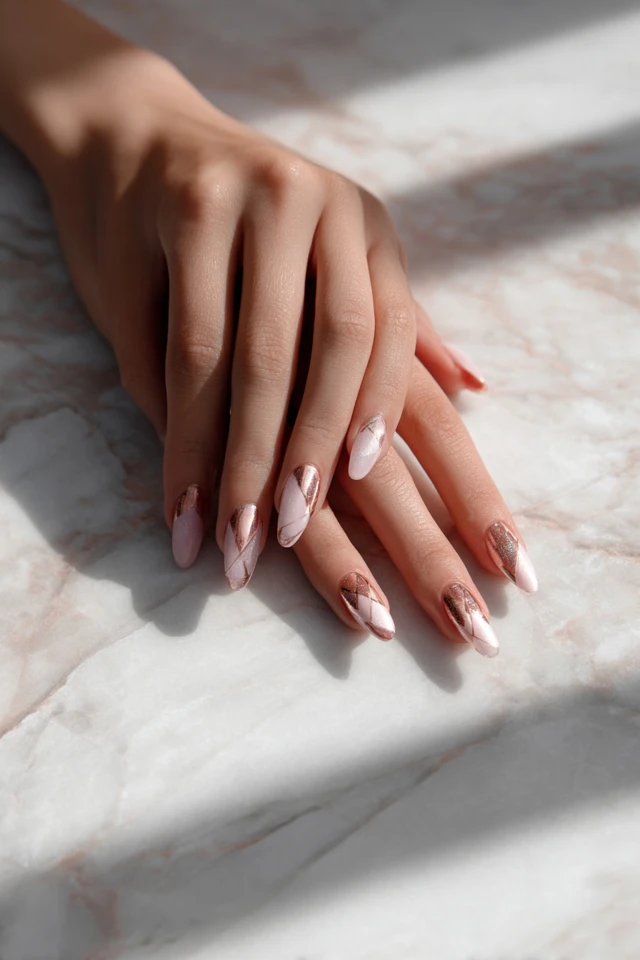
For more dramatic takes on the shape, look at striking oblique coffin designs and shadow coffin art.
Keeping the shape healthy
Long extensions need some care. The American Academy of Dermatology notes that to get acrylic nails to stick, the surface of your natural nails must be filed until they feel rough, which thins them and makes them weaker. The same page says you'll need touch-ups every 2 to 3 weeks to fill in the gaps as your nails grow.
Removal matters as well. Board-certified dermatologist Shari Lipner, MD, PhD, FAAD, says acetone is the most effective way to remove gel polish at home. Rushing it can backfire: the Cleveland Clinic says removing gel polish carelessly can temporarily damage nails, with cracking and peeling the most common issues.
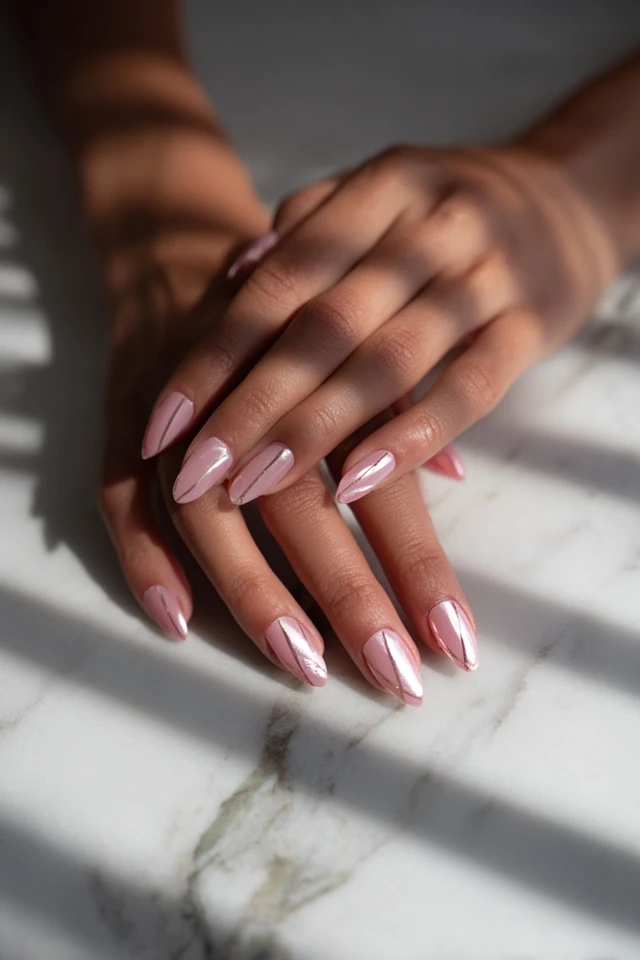
If your nails look thin, painful or discolored after a set, check with a dermatologist or another nail professional.
Frequently asked questions
Are coffin nails in style?
Coffin nails have stayed popular for years because the shape works with nearly any color or finish. Shorter lengths and soft nude shades are an easy way to wear them in a more current, understated way.
What nail shape is most attractive?
It depends on your hands and how you live. Almond and coffin both lengthen the fingers, while short squoval or round shapes look neat and are easier to maintain.
Should I do almond or coffin?
Choose almond for a soft, rounded tip and coffin for a flat, graphic edge. Coffin tips are more prone to snagging at long lengths, so consider your daily tasks.
Can coffin nails be short?
Yes. Short coffin nails taper only a little and keep a wider tip, which makes them sturdier and more practical for everyday use.
Filed under Nail Design