Coffin Nails: Shape, Length, Filing and Design Ideas
- Words by
- Julio Arco
- Published
- Reading
- 4 min
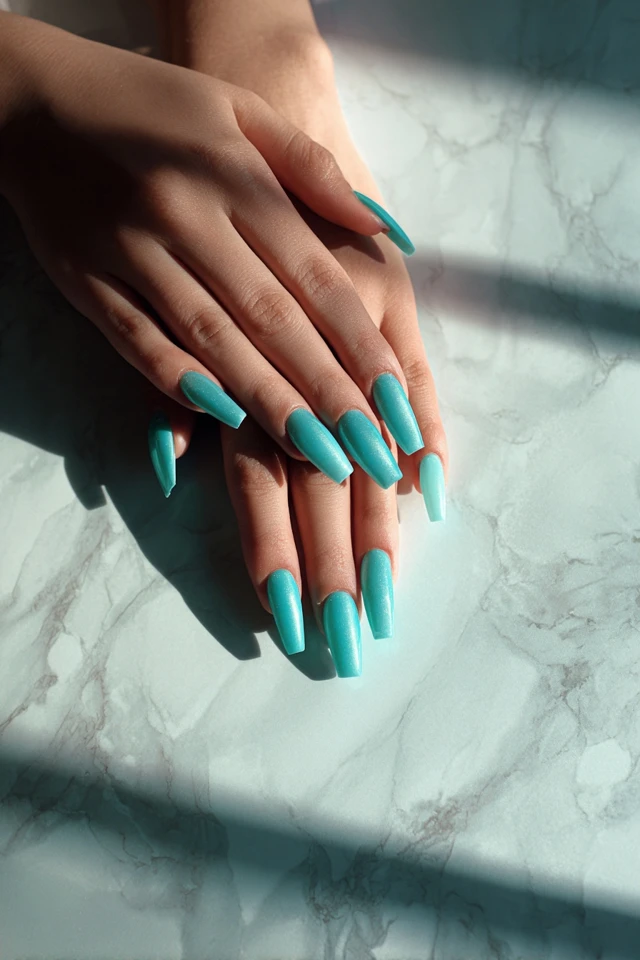
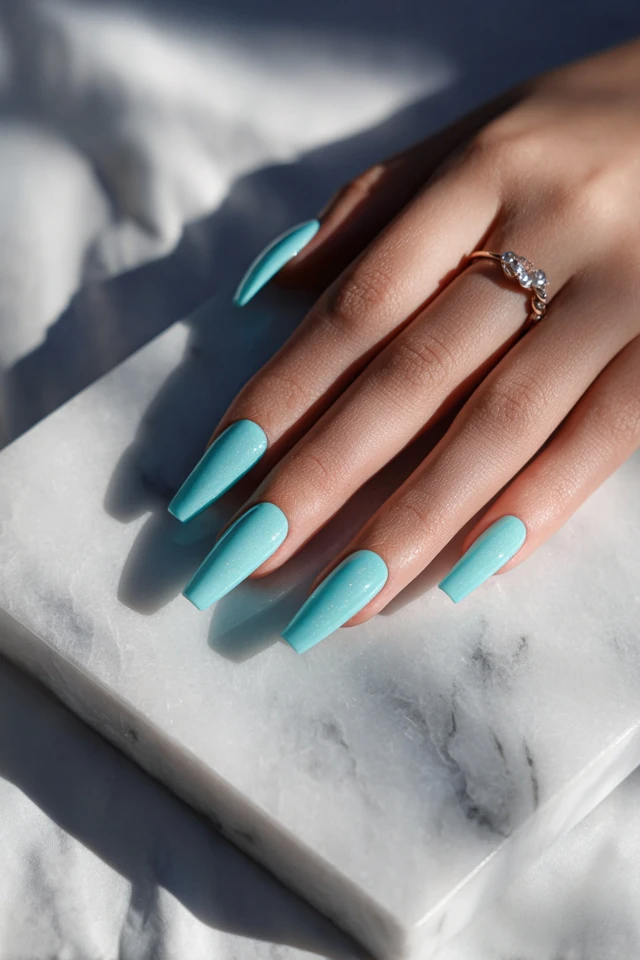
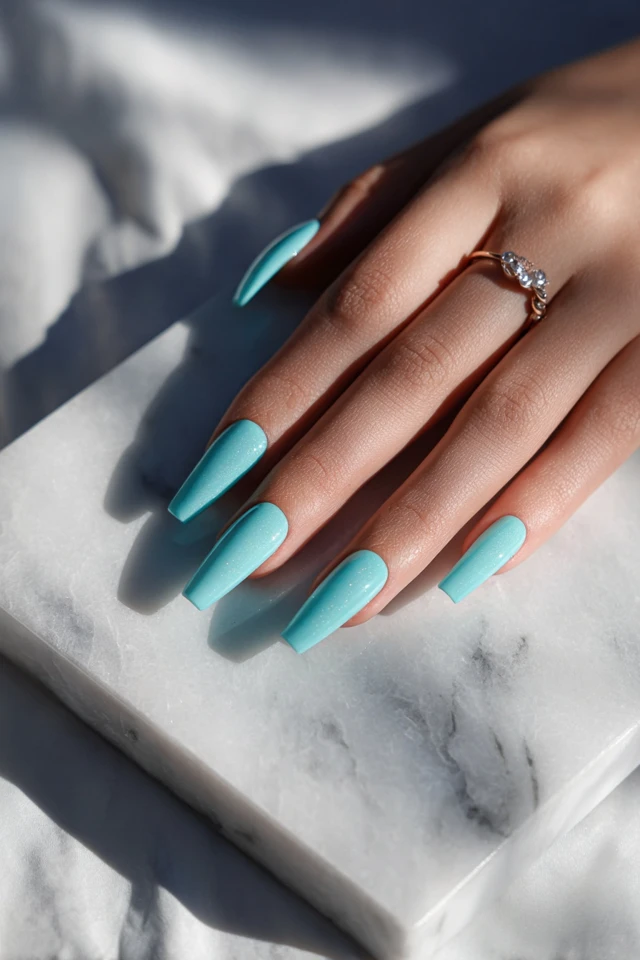
Coffin nails are tapered along the sides and finish in a flat, squared-off tip. The shape is also called ballerina nails, because the outline resembles a pointe shoe. It reads as long and slim, with a sharper edge than almond.
If you want the look without the drama, start with a medium length and a soft, glossy finish. You can always go longer once you know how the shape handles your daily routine.
Why are they called coffin nails?
The name comes from the outline: a narrow base, widening slightly, then a flat end, like the lid of a traditional coffin. Ballerina is the friendlier name for the same silhouette, and most salons use the two interchangeably.
Coffin nails vs almond, square and ballerina
The difference is almost entirely at the tip, so look there first.
- Coffin vs ballerina: usually the same shape. Some people use "ballerina" for a slightly softer, more rounded tip.
- Coffin nails vs almond: almond tapers to a rounded point, so it looks softer. Coffin keeps a flat tip, which gives a more graphic line.
- Coffin nails vs square: square keeps parallel sides and a flat tip. Coffin narrows toward the end, which makes fingers look longer.
Through the lens of evidence-based design, I'd say the eye reads the tip first, because it is the sharpest edge on the hand. A flat tip on a tapered nail draws a clear line, while a rounded one blends into the finger.
What length works best?
Length changes how the shape behaves in real life. Short coffin nails have a small flat tip and a gentle taper, so they are easier for typing, cooking and bag-digging. Medium length shows the taper clearly without much fuss. Extra long coffin nails make a strong statement but need more care, since the narrow tip is the weakest point.
A shorter nail bed can look longer with a coffin shape, but extreme length can overwhelm small hands. Pick the longest length you can live with comfortably, not the longest your nail tech offers.
How to cut and file coffin nails
If you are shaping natural nails or a set you are growing out, go slowly. Filing is easier than repairing a nail cut too far.
- Start with some free edge. You need a little length to create the taper.
- File each side inward at a slight angle, from the sides toward the center, keeping both sides even.
- Stop when the tip is about half to two-thirds the width of the nail at its base, then file the end flat.
- Soften the corners of the tip with a few light strokes. Sharp corners snag and chip.
- Compare all ten nails side by side and correct any that lean.
Use a fine-grit file and move in one direction rather than sawing back and forth. If you want a shorter, sturdier version, keep the taper subtle.
Coffin nail designs that suit the shape
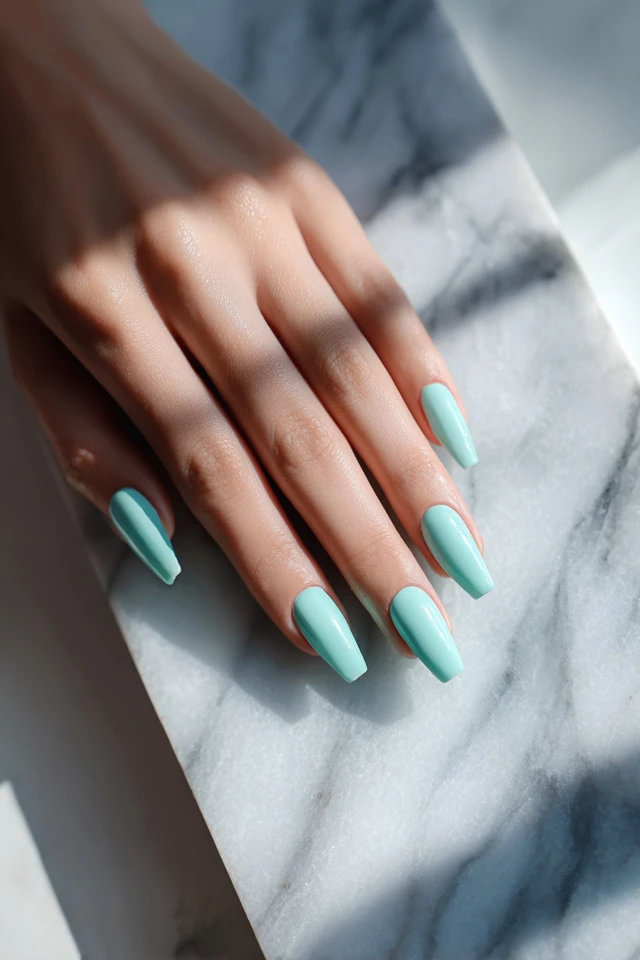
The long, narrow canvas suits both minimal and detailed coffin nail designs.
Glossy nudes and soft pinks
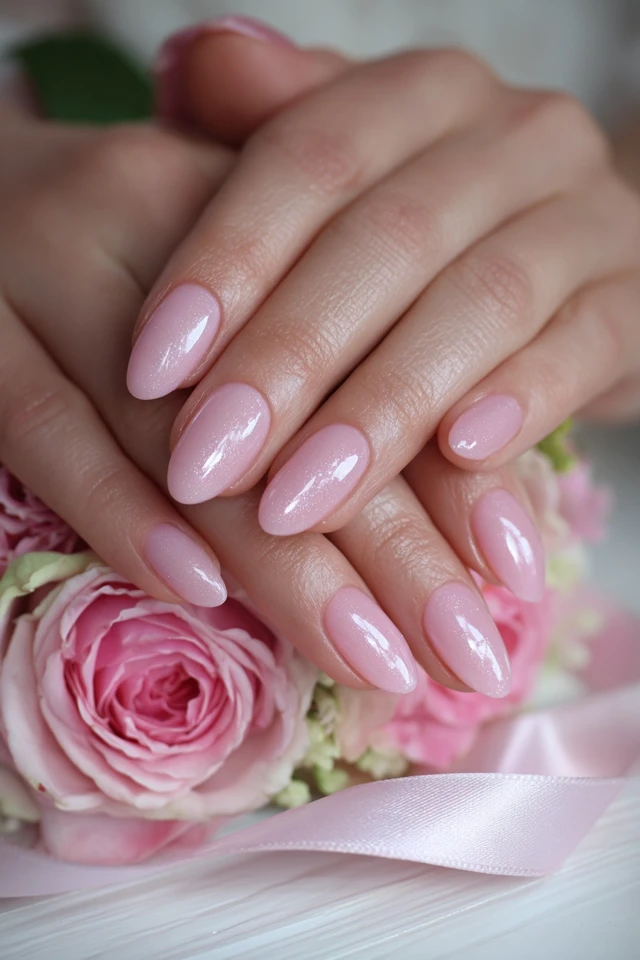
A single sheer shade lets the shape do the work. Pale pink and milky neutrals are forgiving and pair with almost any outfit.
Coffin nails french tip
A French tip on this shape follows the flat end, so the white line is short and straight. Thin lines look modern, while thicker tips feel more dramatic. A soft ombré fade is an easier option if you do not want a crisp line.
Deep reds, burgundy and black
Dark colors make the taper look sharper. Matte and glossy versions of the same shade read differently, because the surface changes how light reaches your eye, so choose by finish as well as color.
Metallics and chrome
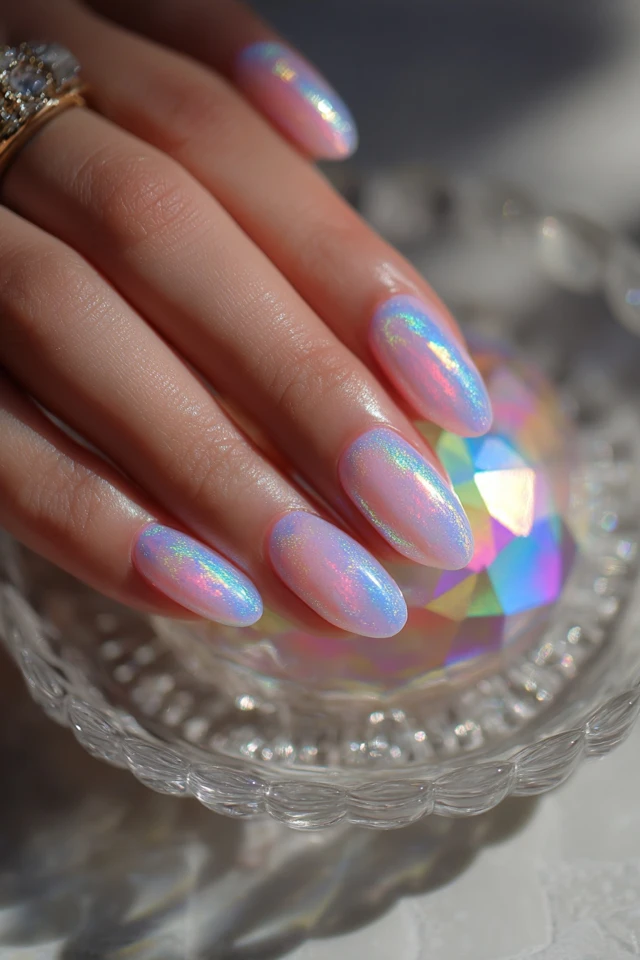
Reflective finishes show off the flat tip. Keep the rest of your accessories simple so nothing competes.
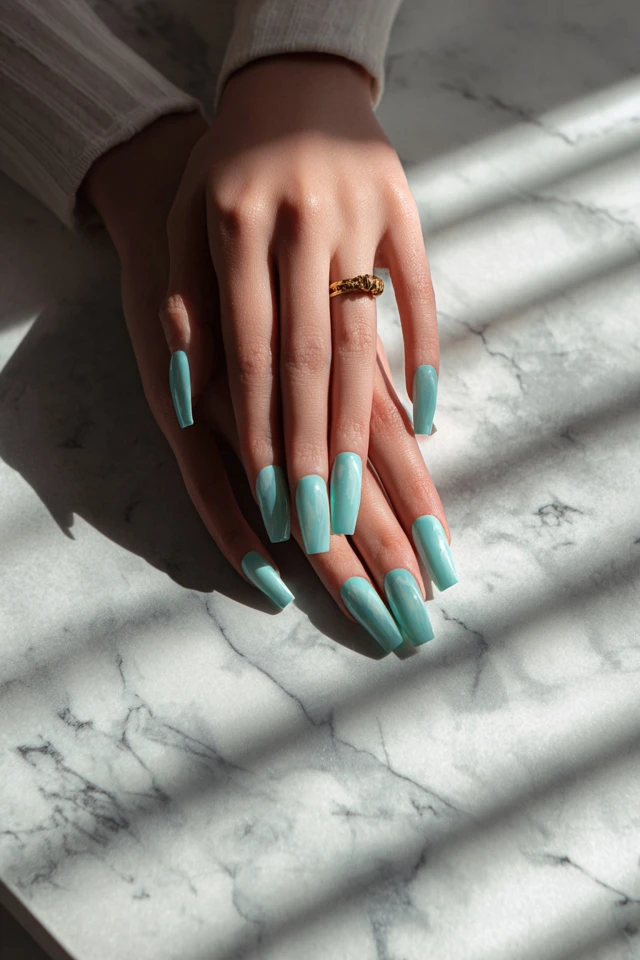
For more shapes and ideas, see sharp slim coffin nails, ultra tapered coffin design nails and signature mini coffin artistry nails.
Choosing colors for your skin and wardrobe
Warm undertones tend to look good with terracotta, bronze and mustard. Cool undertones often suit emerald, sapphire and amethyst. These are tendencies, so test a shade against your hand in daylight before committing.
For outfits, structured blazers and leather pair well with deep shades. Softer fabrics like silk go well with pastels and neutrals.
Caring for long coffin nails
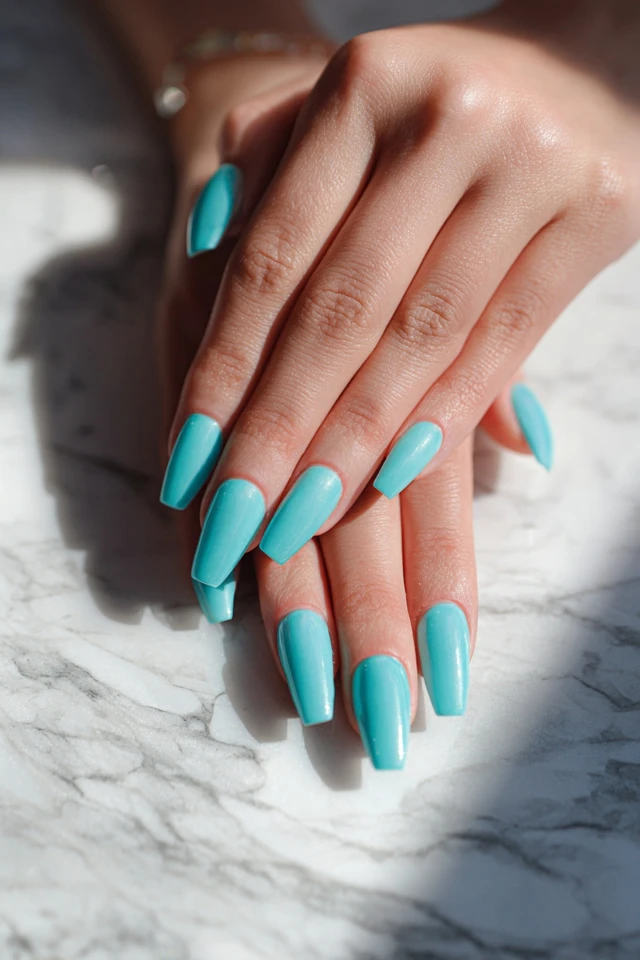
Most long sets are made with acrylic, gel or dip powder, and each has trade-offs. The American Academy of Dermatology notes that getting acrylics to stick means filing natural nails until they feel rough, which thins them and makes them weaker. It also says you will need touch-ups every 2 to 3 weeks if you wear artificial nails for more than a few weeks.
Removal matters as much as application. Cleveland Clinic explains that removing gel polish carelessly can temporarily damage your nails, with cracking and peeling the most common issues. Board-certified dermatologist Chris Adigun, MD, FAAD, says in the AAD's dip powder manicure guidance: "Looking closely at your nails after removing the color helps you spot a problem early." If your nails look damaged, check with a dermatologist.
Cuticle oil and hand cream keep the skin around the nail tidy, which makes any shape look cleaner. Between sets, give your nails a rest, and for a more tapered alternative look at refined long coffin artistry nails.
Frequently asked questions
Are coffin nails in style?
They have stayed popular because the shape works with both minimal and detailed designs. Shorter, softer versions are the easiest way to wear them day to day.
Should I do almond or coffin?
Choose almond for a softer, rounded point and coffin for a flat, graphic tip. If you are hard on your hands, a shorter coffin is usually sturdier than a long almond.
What nail shape is most attractive?
There is no single answer. Tapered shapes like coffin and almond make fingers look longer, while square and rounded shapes look neat and practical.
Can I wear coffin nails on short nails?
Yes. Short coffin nails use a gentle taper and a small flat tip, which keeps the shape without much length.
Filed under Nail Design