Shoulder Length Haircuts: Sliced Layers and Ideas
- Words by
- Julio Arco
- Published
- Reading
- 4 min
A sliced cut is one of the easiest shoulder length haircuts to live with. Your stylist uses a slicing motion with the shears to remove weight inside the ends, so the length stays but the hair moves and looks lighter instead of blunt and heavy.
It suits most hair types, and it is a good starting point if you want something that looks styled with very little effort. Below: what to ask for, who it flatters, and how to keep it looking sharp.
What is a sliced shoulder-length cut?
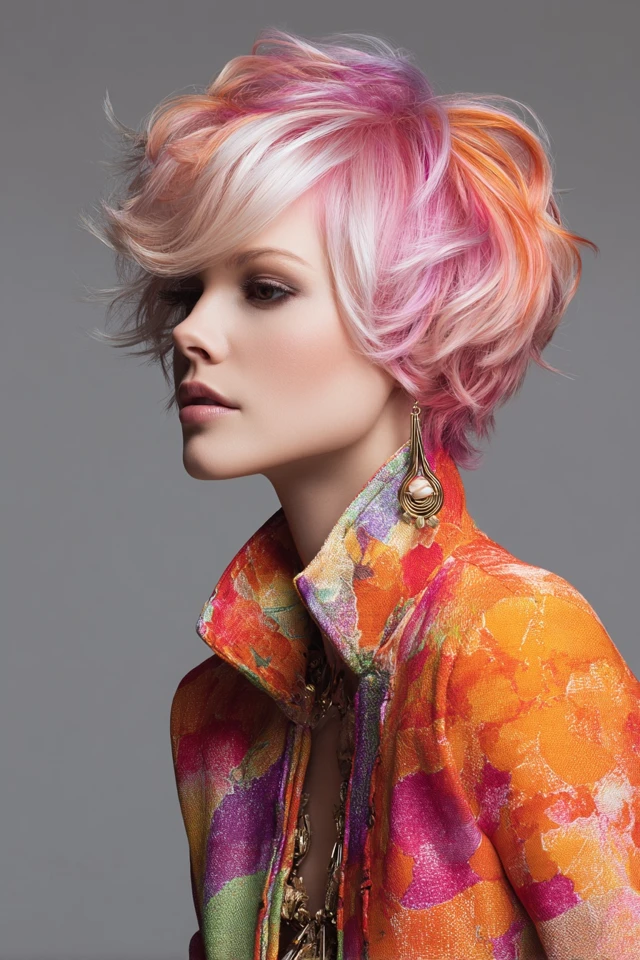
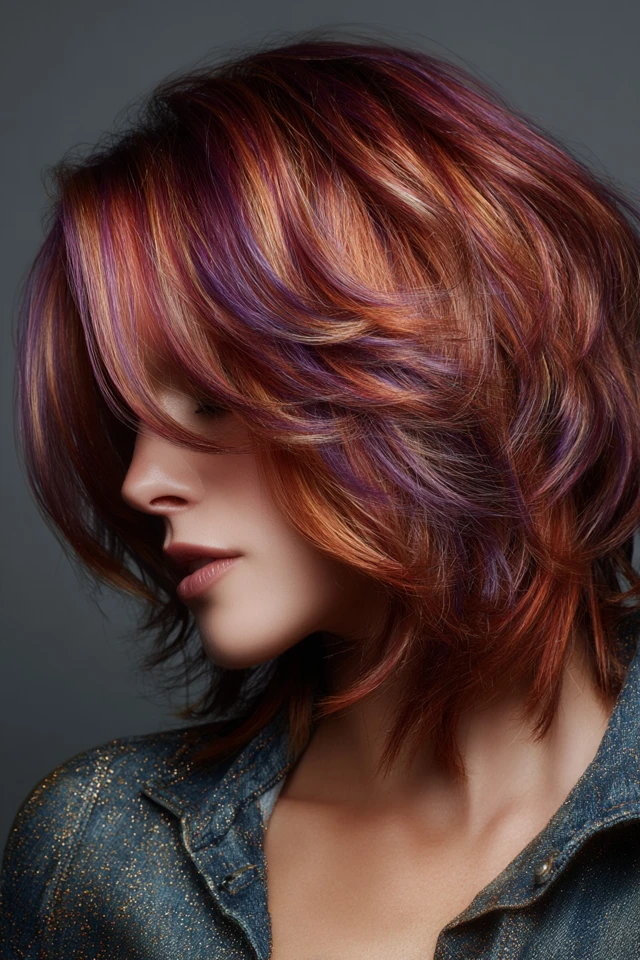
Slicing is a texturizing technique. Instead of cutting straight across, the stylist glides the shears through sections of hair, which leaves ends that are slightly uneven and soft. The silhouette stays at the collarbone or just above it.
Through the lens of evidence-based design, I'd think of it as a surface question. A hard blunt edge reads as a firm line, while sliced ends scatter the light and read as softer movement. That is why the same length can look polished or relaxed depending on how the ends are cut.
If you have seen photos of a feathered or razored finish, the idea is similar. Compare it with a shoulder-length razor haircut or a feathered cut to see how the ends change the mood.
Which face shapes does it flatter?
Most face shapes work, and the main adjustment is where the shortest pieces land.
- Oval: nearly anything works. Layers around the cheeks add a little volume.
- Round: keep the shortest slices at or below the jaw so the lines run downward and look longer.
- Square: soft, slightly wispy layers near the temples and jaw take the edge off angles.
- Heart-shaped: start the layers around the chin to add width where the face narrows.
These are styling guidelines, not rules. Your stylist can see how your hair actually falls and will adjust.
Shoulder length haircuts with layers: how many?
Sliced layers can be subtle or visible. For shoulder length haircuts with layers, a few long layers keep the shape full, while many short ones create a shaggy, choppy effect.
- Thin hair: ask for light, long layers and keep the perimeter fairly full. Heavy layering can make fine ends look sparse.
- Thick hair: more internal slicing removes bulk and helps the cut dry faster.
- Straight hair: slicing shows clearly, so it adds texture that straight hair often lacks.
- Wavy or curly hair: go gentler and let the pattern do the work. See the wavy version or the curly version.
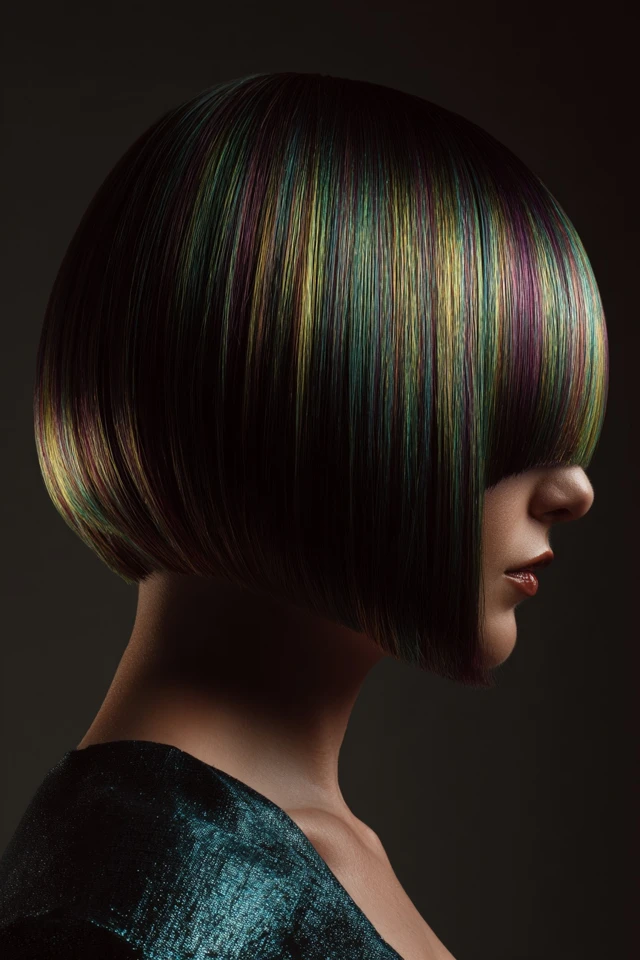
Can you add bangs?
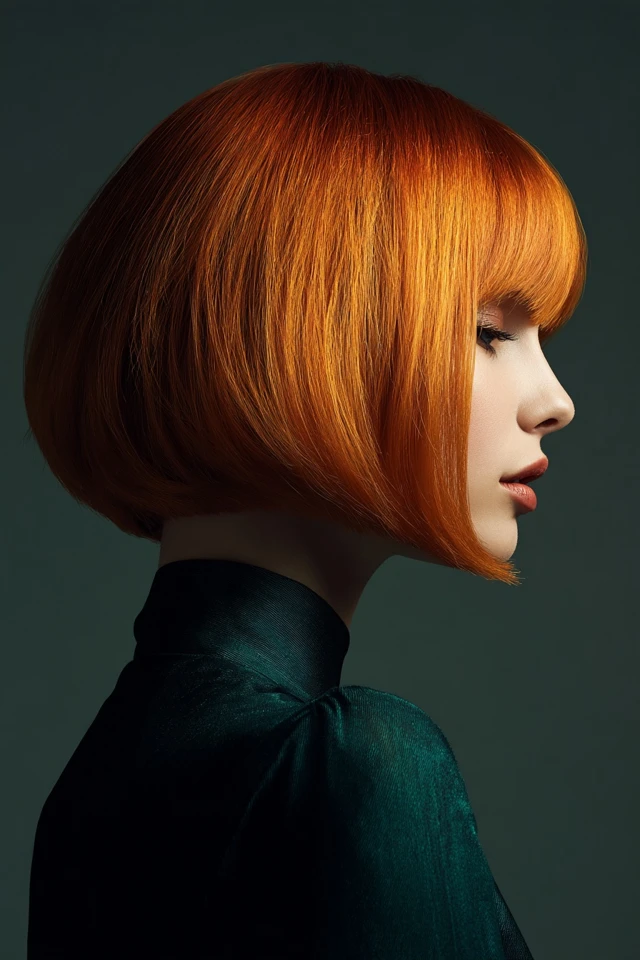
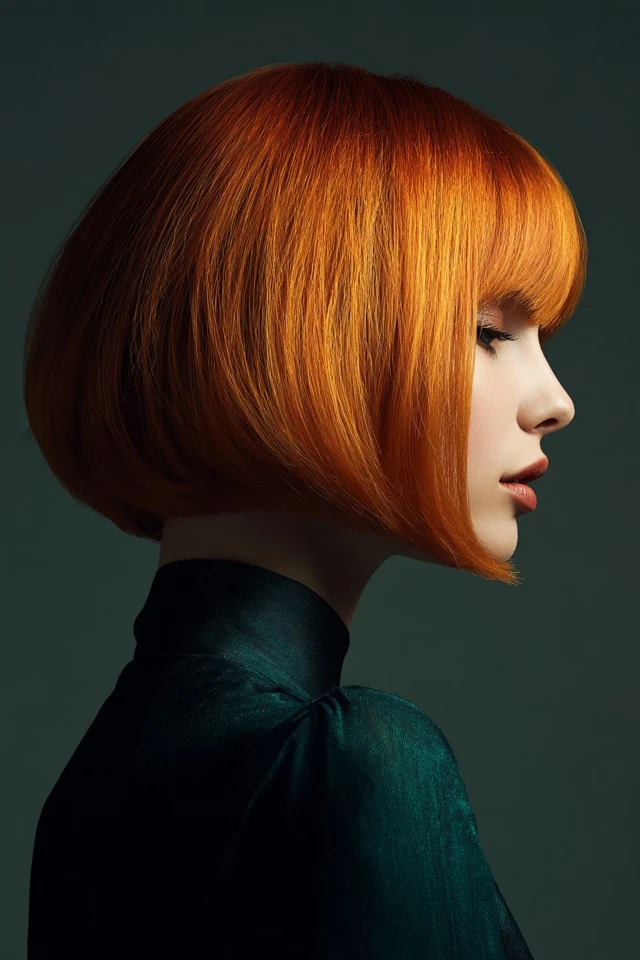
Yes. Shoulder length hair with curtain bangs is a natural match, because the parted fringe blends into the face-framing layers. Side-swept bangs work in the same way and grow out more forgivingly.
If you want a lighter option, a wispy shoulder-length cut pairs well with a thin, see-through fringe. Bring a photo, and tell your stylist whether you will style the bangs daily.
How to style it
Easy shoulder length haircuts depend on the cut doing most of the work. For a quick finish, rough-dry the hair, then use a texturizing spray or a light cream through the ends. For a smoother look, try a blowout or a sleek finish.
On the outfit side, a sliced cut has a polished but relaxed look, so it sits well with a tailored blazer, a white shirt or a trench. Soft knits and light fabrics move with the hair, while a stiff, structured collar gives a nice contrast.

How to keep it looking sharp
Sliced ends lose their shape as they grow, so a trim every 6 to 8 weeks is a sensible target for most people. Your stylist may suggest a different schedule for your hair.
Heat styling is where most damage happens. The American Academy of Dermatology advises that flat irons should be used on dry hair on a low or medium heat setting, no more often than every other day. Wet hair is also fragile, so the AAD recommends a wide-tooth comb instead of a brush to detangle wet hair.
If frizz shows up in the ends, a leave-in conditioner can help. Board-certified dermatologist Zoe D. Draelos, MD, FAAD, says in the AAD's leave-in conditioner tips: "You should see less frizz. Your hair should be easier to brush or comb, so you'll have less breakage." For scalp or hair concerns, check with a dermatologist.

What to tell your stylist
- Say the length you want: collarbone, just above, or just touching the shoulders.
- Ask for sliced or point-cut ends and say whether you want them soft or choppy.
- Describe your hair: fine, thick, straight or wavy, and how you usually style it.
- Decide on bangs before the cut, not during it.
- Bring two or three photos of hair with a similar texture to yours.
For more ideas on the same length, browse the textured cut and the layered cut with lift.
Frequently asked questions
Does shoulder length hair make you look older or younger?
Length alone does not decide it. Soft layers and some movement around the face tend to read as fresher, while a heavy, one-length line can look stricter.
What is the most flattering haircut for an older woman?
A shoulder-length cut with soft, long layers is a flexible choice, because it keeps volume and movement without needing much styling. A stylist can adjust the layers to your hair's thickness and texture.
Can shoulder-length sliced hair work on thin hair?
Yes, with light layers and a fuller perimeter. Too much slicing through fine hair can make the ends look wispy.
Filed under Haircuts