Short Cropped Pixie Cuts: Ideas, Fit and Upkeep
- Words by
- Julio Arco
- Published
- Reading
- 5 min
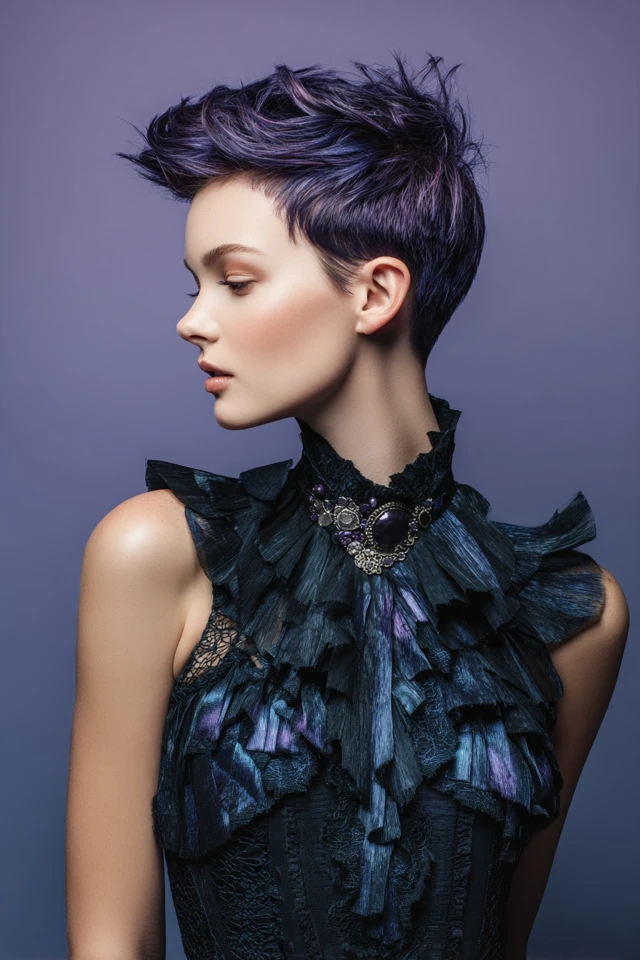
Short cropped pixie cuts keep the sides and back close to the head and leave a little more length on top, so the shape comes from the cut rather than from styling. They suit most hair types if the top is cut to match your texture: soft and wispy for fine hair, weighted and textured for thick hair.
The ideas below are grouped by the questions people ask most: who it suits, which version to pick, how to style it and how to keep it looking sharp.
Pixie cut vs. short hair: what is the difference?
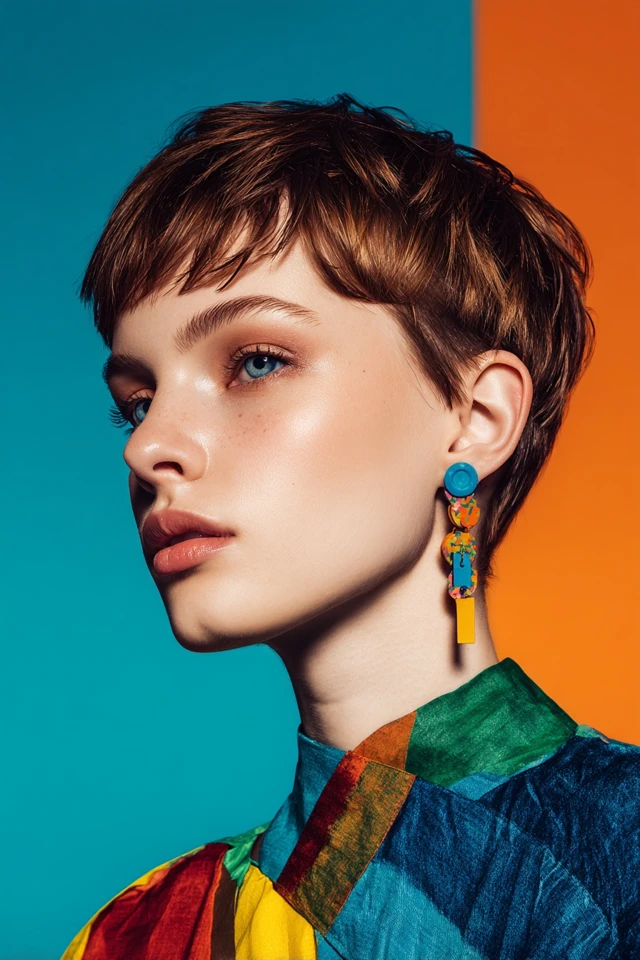
A pixie is cropped at the nape and around the ears, with the length concentrated on top or at the fringe. A short bob or other short cut leaves length at the back, usually near the jaw or neck. If you want the shape to hold without much effort, the pixie is the shorter commitment in styling time but the bigger one in trims.
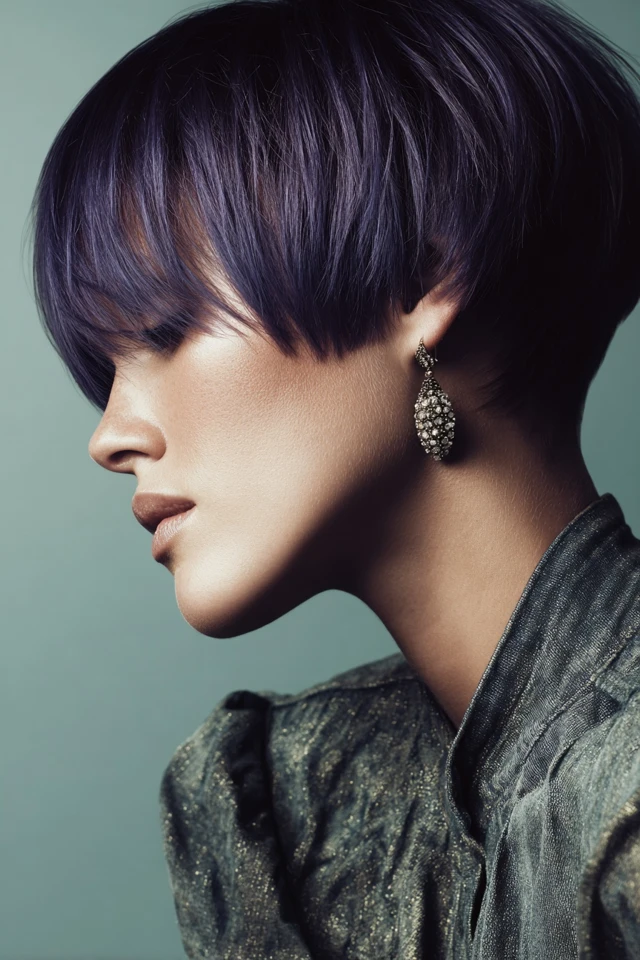
If you are not ready to go that short, a neighboring cut such as a sleek neck-hugging cut or short piecey layers gives you a preview of how short hair behaves on you.
Which pixie suits your hair type?
Fine or thin hair
Short cropped pixie cuts for fine hair work well because shorter length looks fuller, with less weight pulling the strands flat. Ask for soft, uneven texture on top rather than blunt, heavy lines, which can reveal the scalp. A fringe swept to one side also adds visual density at the front.
Thick or coarse hair
Pixie cuts for thick coarse hair need thinning through the interior and a tighter nape, otherwise the shape puffs out. A longer top with point-cutting lets the hair lie down instead of stacking up. Curly hair can do this well too: cut it dry or ask for a stylist who works with curl pattern.
Wavy or curly hair
Leave enough length on top for the curl to form, usually a couple of inches, and keep the sides tidy. Too short on top and the curl turns into frizz.
Do pixie cuts suit older women?
Short cropped pixie cuts for older women are a practical choice. They are easy to wash, and a cut with soft layers on top and a clean neckline can look polished rather than severe. Hair often gets finer and drier with age, and a short length keeps the ends in better shape.
A pixie does not make you look older or younger by itself. The things that read as age are usually a harsh, flat shade, a cut that fights your texture, or a shape that has grown out. Through the lens of evidence-based design, I'd look at the contrast at the face: a soft fringe or wisps near the temples usually reads gentler than a hard, straight line.
Which pixie style should you choose?
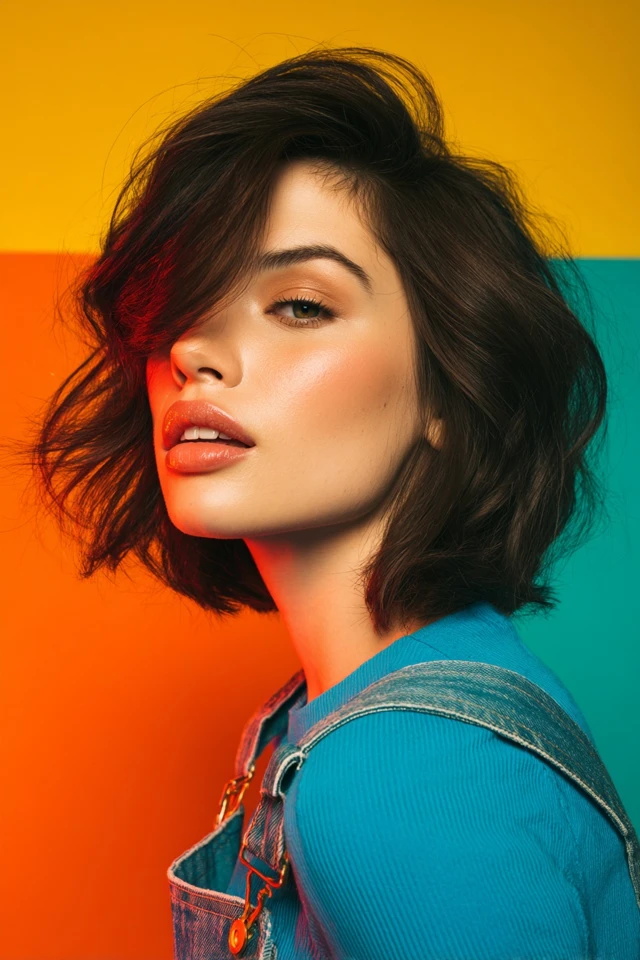
- Classic: neat sides, a slightly longer top, and a side or center part. Easy to wear to work.
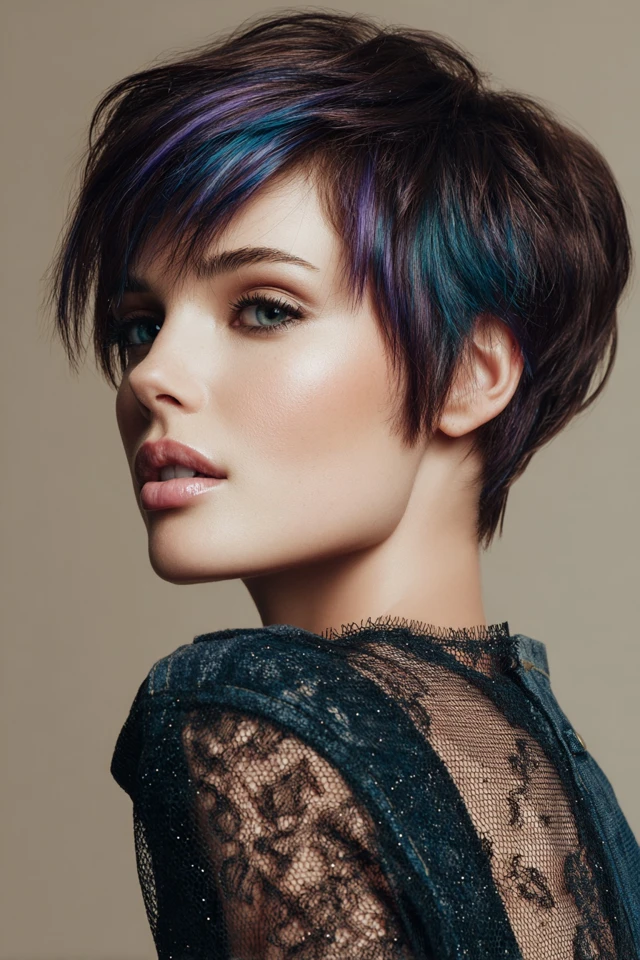
- Textured: choppy layers on top, styled with a little product. Good for fine hair and for adding movement.
- Sleek: smooth, close to the head, brushed in one direction. It needs a clean neckline and regular trims.
- With a fringe: a long, side-swept fringe softens a strong forehead, and a shorter one draws attention to the eyes.
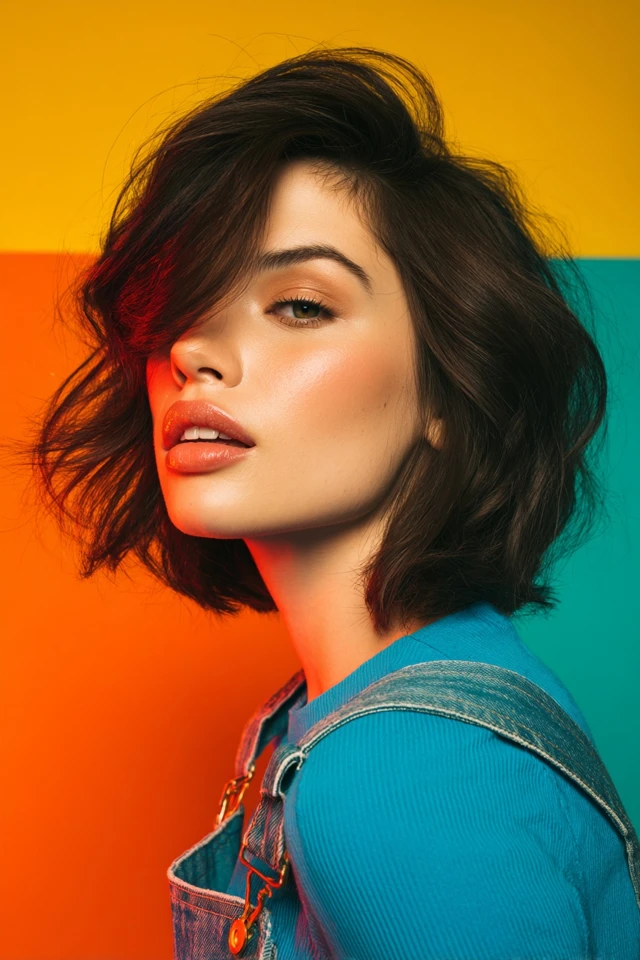
If you like the look of a part, a short pixie can have one. See how it works on a longer length in this medium center-part cut or this short side-part cut with lift.
Face shapes: what to tell your stylist
Oval faces can wear almost any version. For a round face, ask for height on top and shorter sides to add length. For a long face, a fringe and some width at the sides balances the proportions. For a square jaw, softer, wispy layers around the temples ease the angles. These are general proportion rules, not hard limits, so bring a photo and ask what will adapt to your hair.
How to style a pixie cut
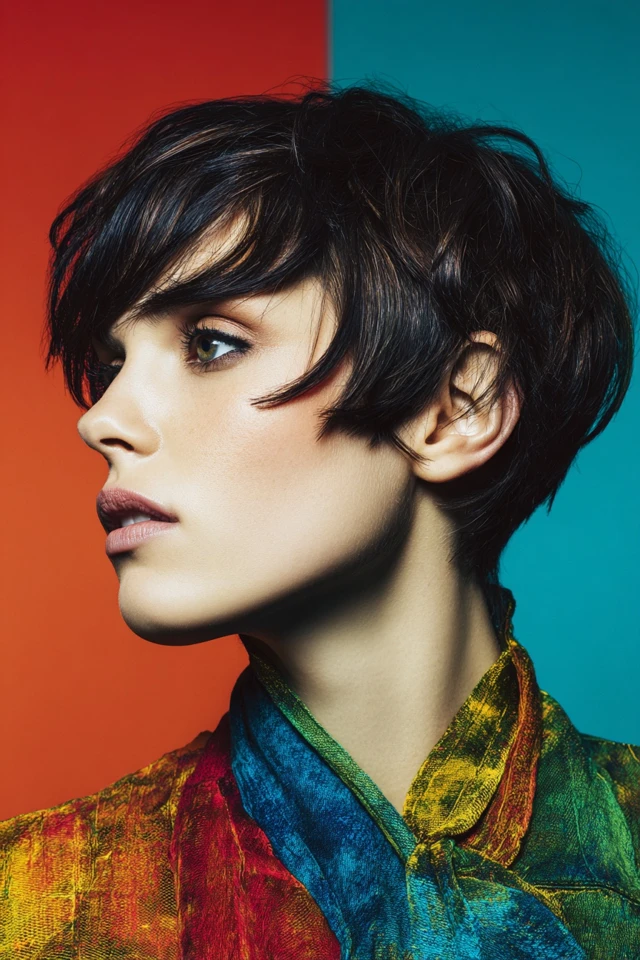
Start with towel-dried hair and a small amount of light product, about a pea-sized dab to begin with. Push the top up and forward with your fingers, then shape the fringe last. A pixie takes about five minutes once the cut is right.
If you use heat, keep it moderate. The American Academy of Dermatology says flat irons should be used on dry hair on a low or medium heat setting, no more often than every other day. Detangle wet hair gently, because the AAD notes that hair is delicate when it's wet, so a wide-tooth comb is better than a brush.
For a low maintenance pixie, choose a texture-friendly cut and skip the daily iron. Air-drying with a bit of cream often does the job. For dry or frizzy ends, a leave-in conditioner helps. Dermatologist Zoe D. Draelos, MD, FAAD, says in the AAD's leave-in conditioner tips: "You should see less frizz. Your hair should be easier to brush or comb, so you'll have less breakage."
How often does a pixie need a trim?
Most stylists suggest every 4 to 6 weeks to hold the shape, particularly at the nape and around the ears, where growth shows first. You can stretch it to 8 weeks with a more textured cut. Ask what interval your own cut needs.
How to grow out a pixie
Growing out takes patience. Keep trimming the neckline so the back stays tidy, and let the top grow into a short shag or bob. A cut like a short layered fringe is a good middle stage. Pins and a headband help through the awkward months.
Frequently asked questions
Do pixie cuts make you look older or younger?
Neither, on their own. The effect depends on how well the cut suits your texture and face, and on softness at the front. A fringe or soft layers usually read younger and gentler than a blunt, flat shape.
What is a choppy pixie cut for over 60?
It is a pixie with short, uneven layers on top that add texture and movement, which helps thinner hair look fuller. Ask for point-cutting and a tidy neckline so it stays soft rather than messy.
Is a pixie cut low maintenance?
Styling is quick, often a few minutes, but trims are frequent, about every 4 to 6 weeks to keep the shape. A textured cut tolerates longer gaps than a sleek one.
Filed under Haircuts