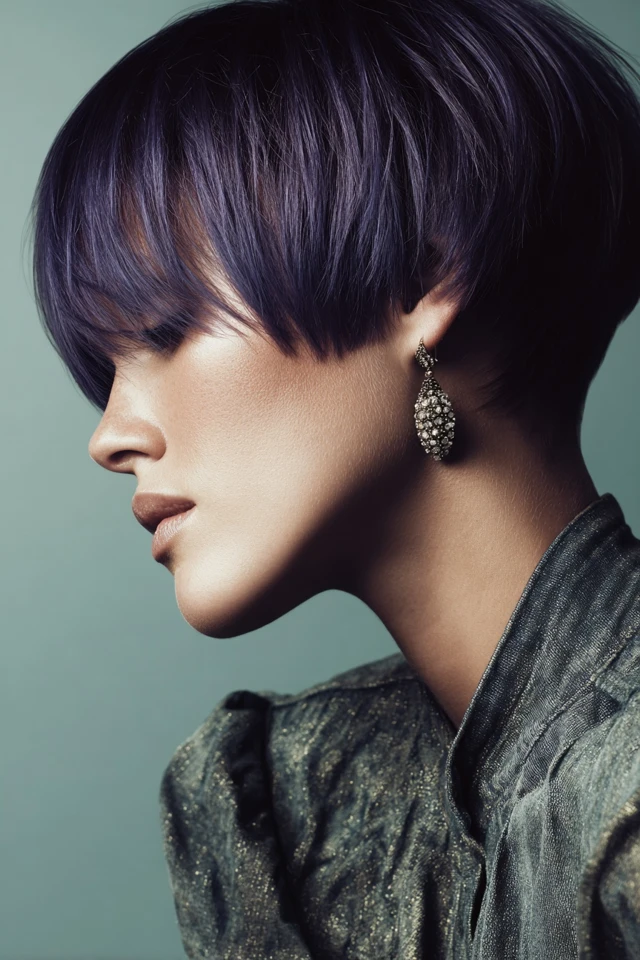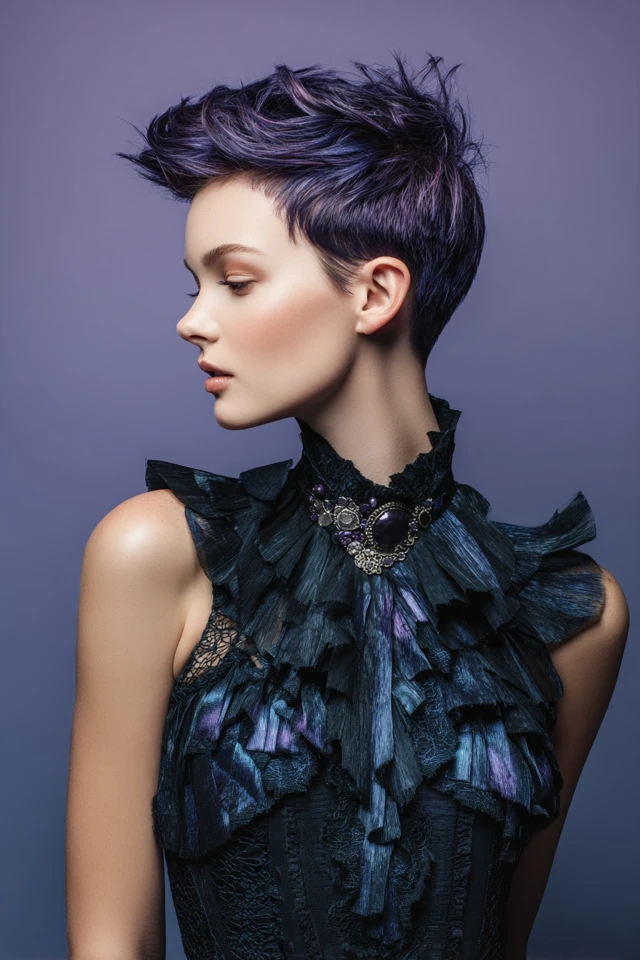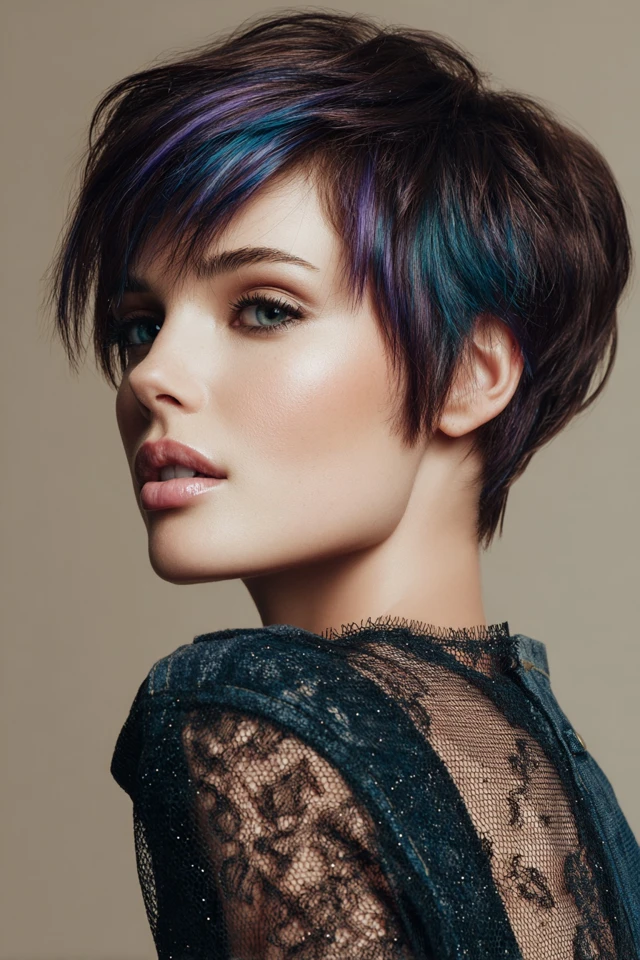
Short Cropped Pixie Cuts: Low-Maintenance Ideas and Tips
- Words by
- Julio Arco
- Published
- Reading
- 5 min
Short cropped pixie cuts are among the easiest haircuts to live with: little drying time, no ponytail decisions, and a shape that mostly styles itself. The catch is that the cut has to fit your hair texture and growth pattern, so the choice matters more than with longer hair.
The quick rule: keep more length on top for fine hair, ask for texture removed for thick hair, and plan a trim about every 4 to 6 weeks so the outline stays crisp.
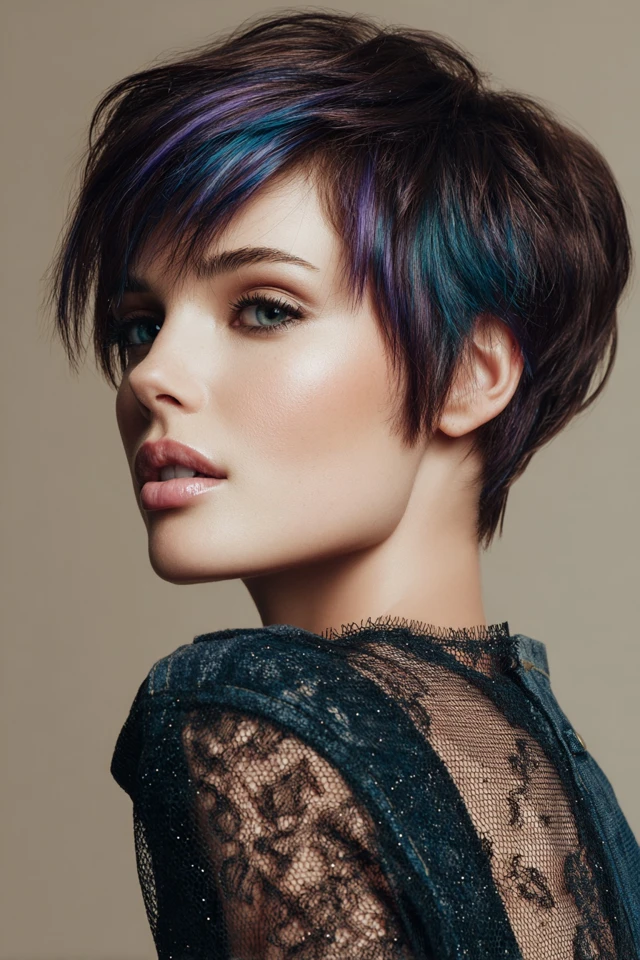
What makes a pixie low maintenance?
Low maintenance means the cut looks intentional with a towel dry and a pea-sized dab of product. That depends on three things: a shape that follows your natural growth direction, layers that suit your texture, and a hairline neat enough to forgive a missed trim.
Low maintenance short cropped pixie cuts still need regular visits. Short hair shows its edges, so an overgrown nape or ears will read as untidy sooner than a bob would. A trim every 4 to 6 weeks is a sensible schedule for most people.
Which pixie suits your hair type?
Fine or thin hair
Short cropped pixie cuts for fine hair work best with soft, point-cut layers and a bit of length through the crown. Very blunt, heavily thinned ends can make fine hair look sparse. A light texturizing spray adds grip without weight.
Thick or coarse hair
Pixie cuts for thick coarse hair need layering inside the shape, otherwise the sides puff out. Ask for weight to be removed at the nape and around the ears. Coarse hair also holds a clean line well, so a sharper, more cropped outline can look very polished.
Wavy or curly hair
Curls shrink when cut short, so a stylist who works with curl pattern will usually cut it dry or check it dry. Leave enough length on top to let the curl show instead of sitting flat.
Which face shape does a cropped pixie flatter?
Through the lens of evidence-based design, I'd treat the cut as a frame: the eye reads the outline first, then the features inside it. That is why small changes matter so much.
- Round faces: height on top and shorter sides make the face read longer.
- Oval faces: nearly any pixie works, so choose by texture and upkeep.
- Square faces: soft, wispy fringe and textured layers soften a strong jaw.
- Heart-shaped faces: a side-swept fringe balances a wider forehead.
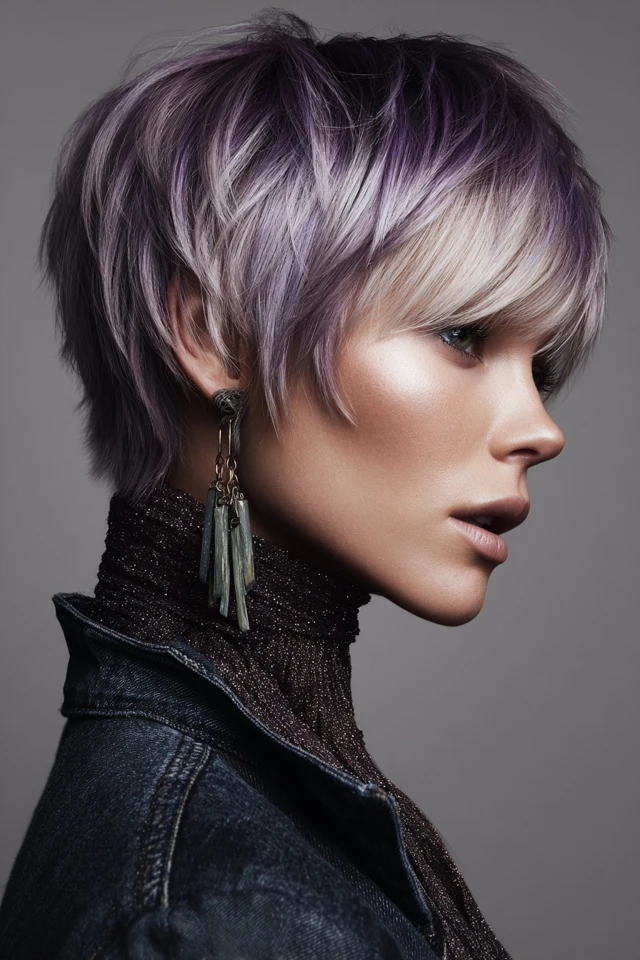
Do pixie cuts make you look older or younger?
Neither, on its own. What changes the impression is polish and texture. A soft, tousled top with a clean neckline tends to read as fresh, while a flat, overly set shape can read as formal. Color matters too: a dimensional tone looks more relaxed than one flat shade.
Pixie cuts for older women
Short cropped pixie cuts for older women are popular for a practical reason: hair often gets finer and drier with time, and a short cut keeps the ends fresh and the shape easy to manage. Very short pixie cuts for older women look best with some softness around the face, such as wispy sides or a light fringe, rather than hard, severe lines.
Gray and silver hair shows texture beautifully, but it can look flat if cut too uniformly. Ask for movement on top. If you are unsure how short to go, start with a cropped length you can still finger-style and cut closer at the next visit. For other short shapes worth comparing, see a short layered fringe haircut or short piecey layers.
Classic, textured and sleek: choosing a finish
The same cut can look quite different depending on how you finish it.
- Classic: tapered sides and back with a neat, combed top. Quick and tidy.
- Textured: choppy layers on top, styled with a matte paste or cream. This forgives growth best.
- Sleek: smoothed with a serum for a glossy surface. It shows light, but it needs more precise trimming.
I'd pick the textured finish for a first pixie. A matte surface scatters light, so small irregularities in the cut are less visible than on a glossy finish.
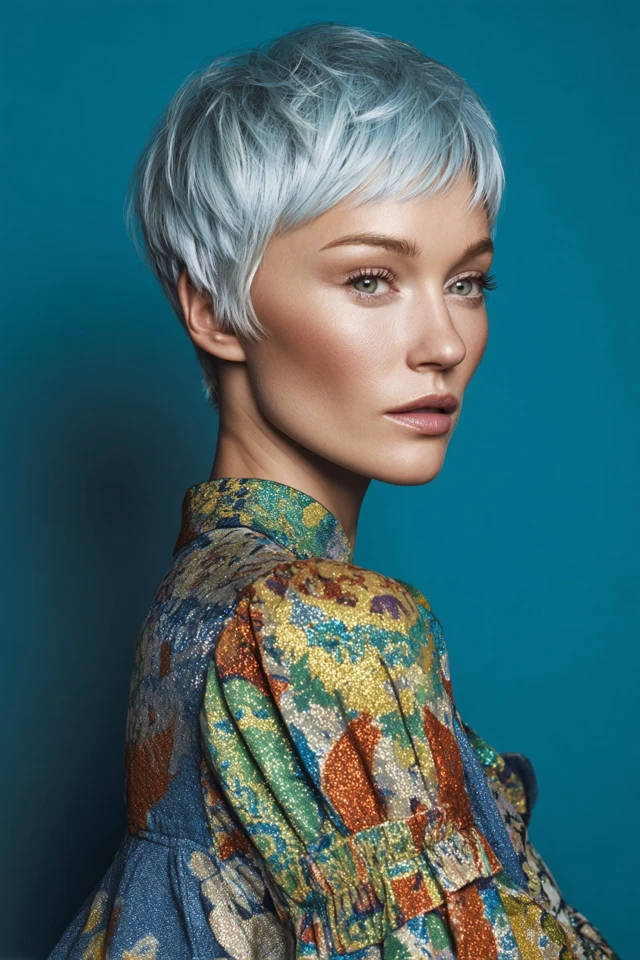
Should you add bangs or a fringe?
A fringe adds personality and covers a high forehead, but it needs its own trims, often between full cuts. Side-swept fringes are the easiest to live with because they blend as they grow. If you want to see how a fringe works with layers, this layered fringe look is a good reference.
How to style a pixie in two minutes
- Towel dry, then comb through gently. Hair is delicate when wet, and the American Academy of Dermatology recommends a wide-tooth comb instead of a brush to detangle wet hair.
- Work a small amount of cream, paste or texturizing spray through with your fingers, starting at the roots.
- Push the top in the direction it grows naturally and shape the front with your fingertips.
- If you use a flat iron, keep it on a low or medium setting. The AAD advises using it on dry hair, no more often than every other day.
If your hair is dry or frizzy, a leave-in conditioner can help. Board-certified dermatologist Zoe D. Draelos, MD, FAAD, says of leave-in products on the AAD site: "You should see less frizz. Your hair should be easier to brush or comb, so you'll have less breakage."
For a smoother, more polished day, compare it with a short blowout, or go the other way with a wash-and-go approach.
How to grow out a pixie
Growing out is the awkward part, so plan it. Keep trimming the nape and around the ears every 6 to 8 weeks while the top gains length. Ask for layers that will blend into a short bob later. Headbands and clips help during the in-between stage. A shape like a neck-hugging sleek cut is a natural next stop.
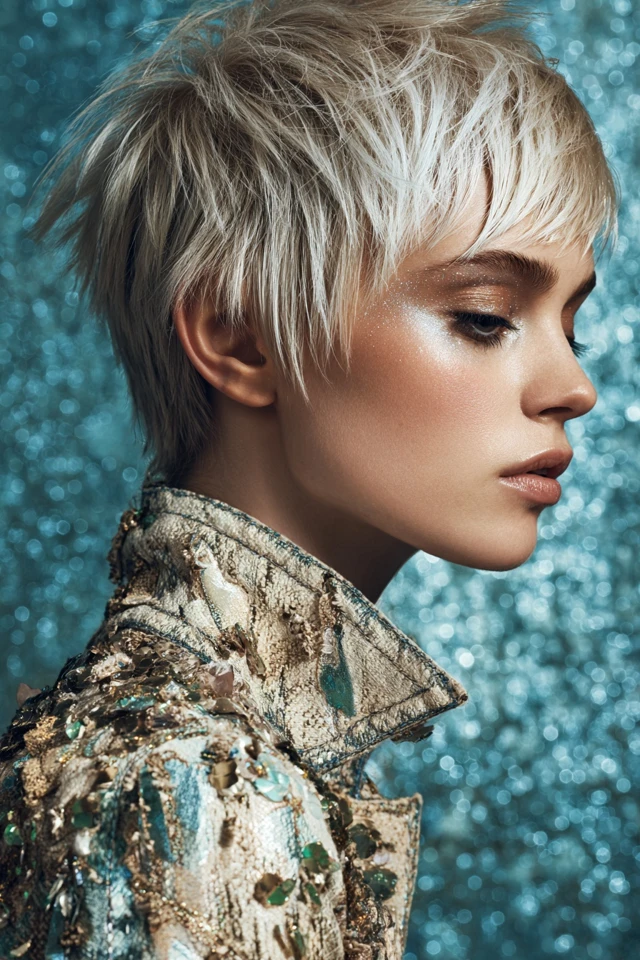
Frequently asked questions
Do pixie cuts make you look older or younger?
It depends on the finish more than the length. Soft texture and a clean neckline usually read as youthful, while a stiff, flat shape can look more formal.
What is a choppy pixie cut for over 60?
It is a short cut with uneven, piecey layers on top that add movement and volume. It suits finer or thinning hair because the texture creates body without much styling.
How often should you trim a short cropped pixie?
Most people book a trim every 4 to 6 weeks to keep the neckline and sides sharp. Hair that grows quickly may need it a little sooner.
Filed under Haircuts