Satin and Velvet Bridal Dresses: How to Pair the Fabrics
- Words by
- Julio Arco
- Published
- Reading
- 5 min
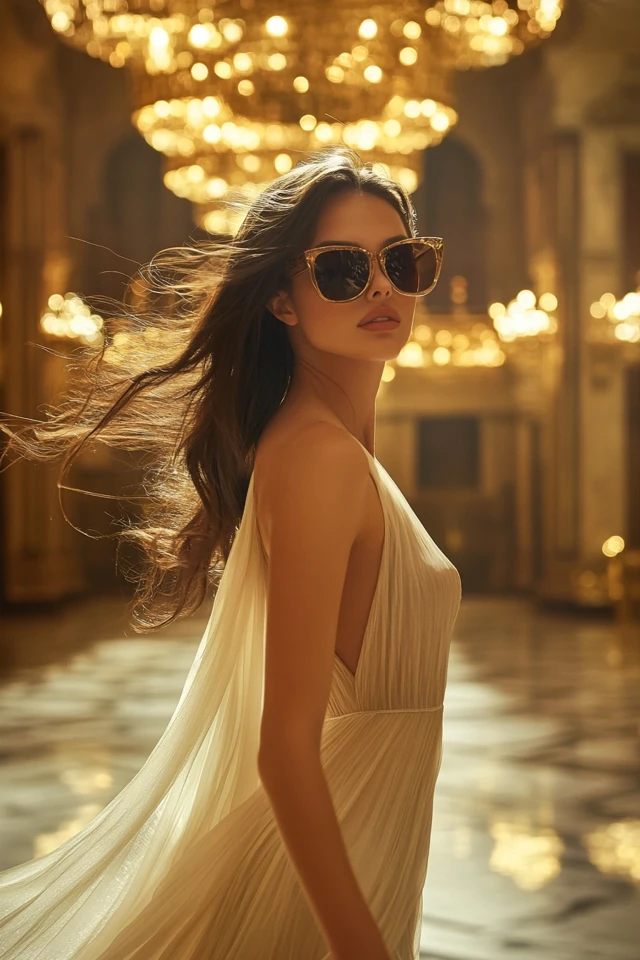
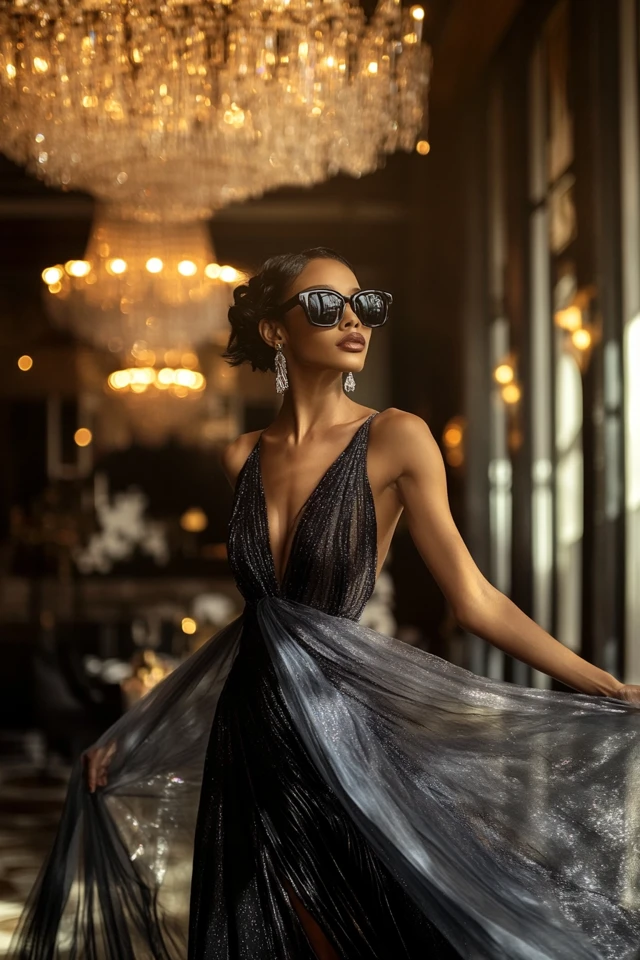
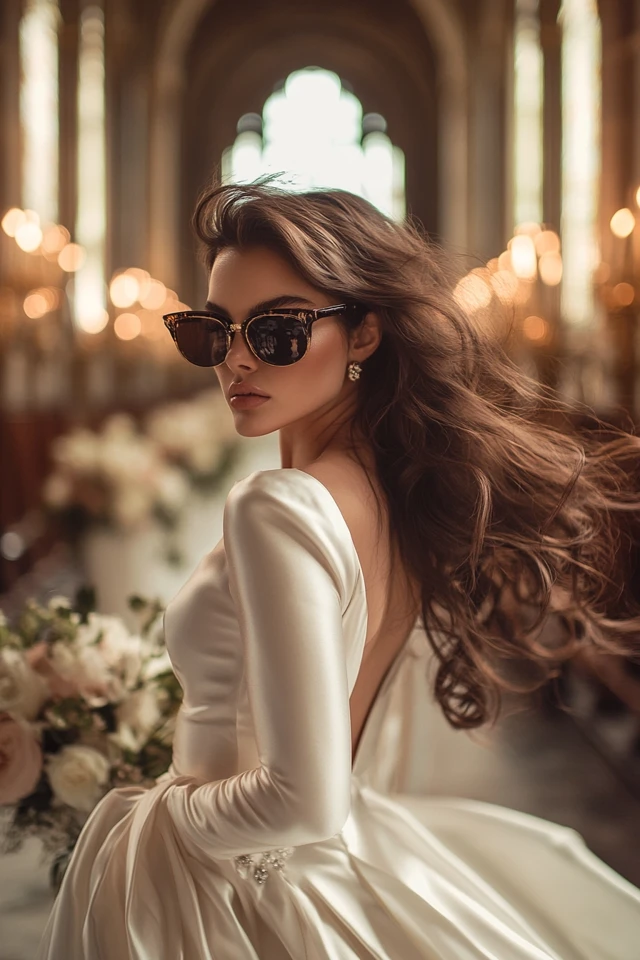
Satin and velvet work together when you give each one a job: satin supplies the movement and shine, velvet supplies the structure and depth. The simplest version is a satin skirt with a velvet bodice, or a satin sheath with a velvet belt, cape or sash.
This pairing suits cooler-season weddings best, and it works for bridesmaid and bridal dresses alike. Below: how each fabric behaves, which silhouettes and colors to pick, and how to finish the look.
How do satin and velvet behave next to each other?
Satin has a smooth, glossy surface that reflects light in broad streaks and falls in fluid folds. Velvet has a short, dense pile that absorbs light, so its color looks deeper and its edges look softer.
Through the lens of evidence-based design, I'd start with texture before color. The same shade in satin and in velvet will not read as the same color, because the surface changes how light reaches your eye. Pale ivory satin beside ivory velvet looks like two close but different whites, and that is the point: it gives a one-color dress dimension.
Satin is also a long-standing bridal fabric. Kathryn Hennessy, editor of Fashion: The Ultimate Book of Fashion and Style, describes early 1900s dress this way: "Sumptuous fabrics such as silk satin, damask, and chiffon, usually in light, soft colours, were decorated with lace, rhinestones, and spangles, often highlighting a part of the body or the face".
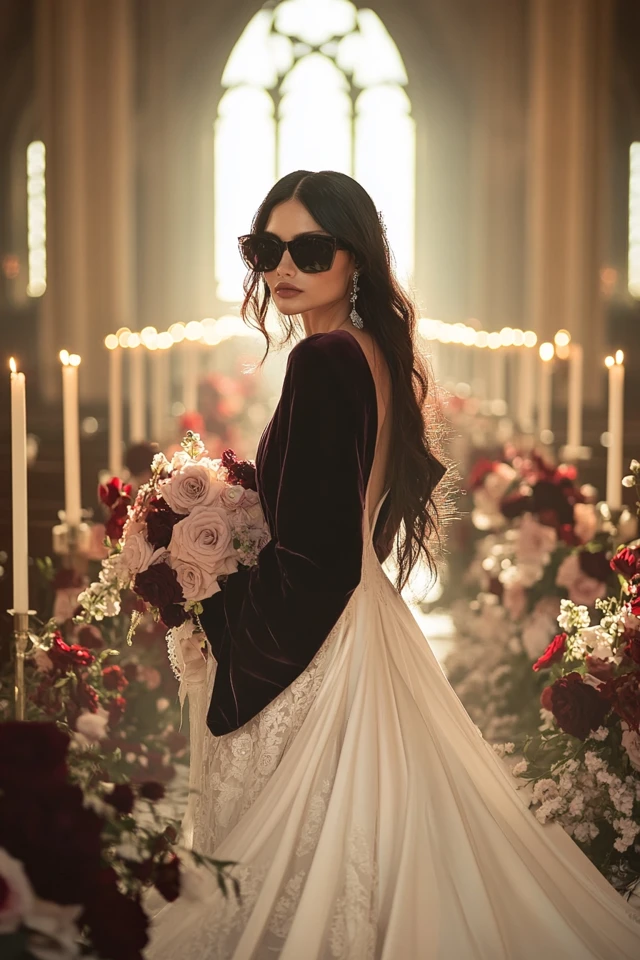
Which silhouettes suit a satin and velvet dress?
Weight decides this. Velvet is heavier and holds a shape, so put it where you want structure. Satin goes where you want flow.
- Ball gown: a velvet bodice with a full satin skirt gives a formal, dramatic shape.
- A-line: the easiest to wear, since the skirt skims rather than clings, and it flatters most figures.
- Sheath: a satin column with velvet details such as a belt, shoulder piece or cape. Satin shows every line underneath, so check the lining and undergarments.
- Fit-and-flare: a fitted velvet bodice that meets a satin skirt flaring from the hip or knee.
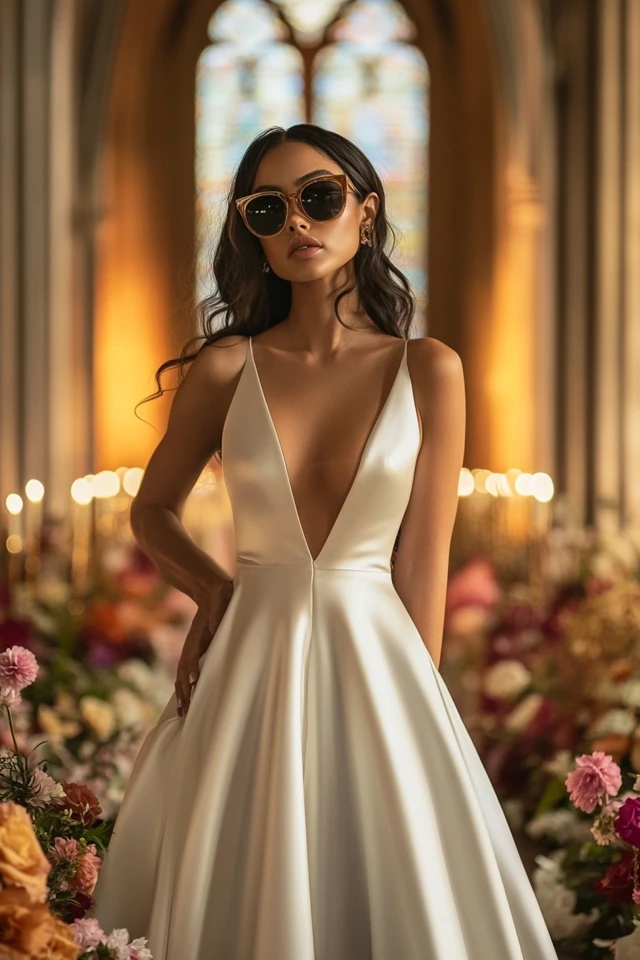
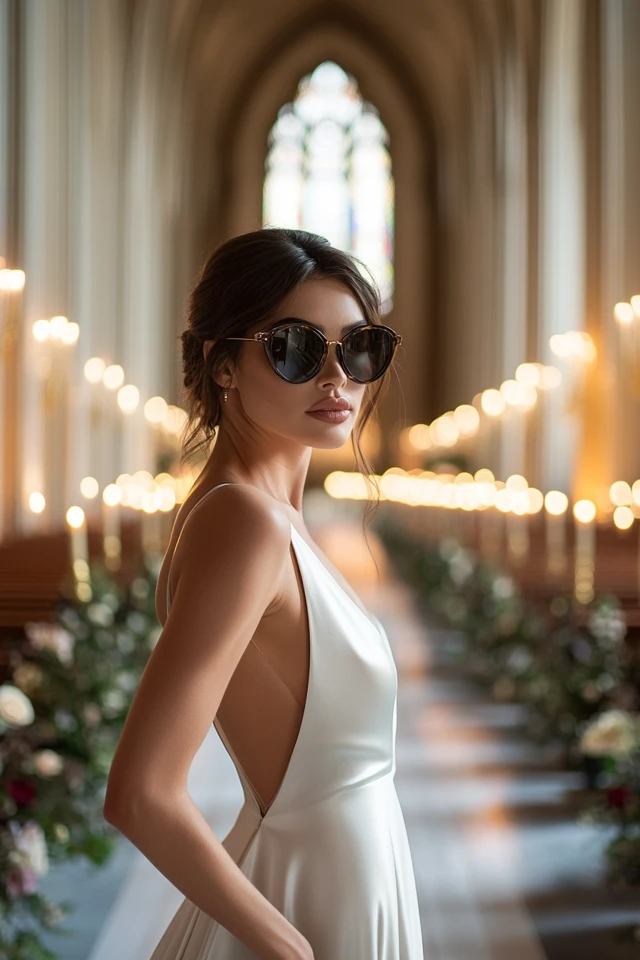
What colors work for satin and velvet combinations?
If you shop bridesmaid dresses by color, the same logic applies to the bride's dress: decide whether the two fabrics match or contrast.
- Tone on tone: ivory or white satin with velvet in the same shade. Quiet, classic, and the texture does the talking.
- Jewel velvet: emerald, sapphire or burgundy velvet against champagne or blush satin. The velvet reads darker and richer than the same dye on satin, so choose a shade a step lighter than you think you want.
- Matte against shine: a muted velvet next to high-gloss satin adds contrast without adding a second color.
Color also changes beside skin. Cool whites can look stark on warm undertones, so hold the fabric near your face in daylight before you commit.
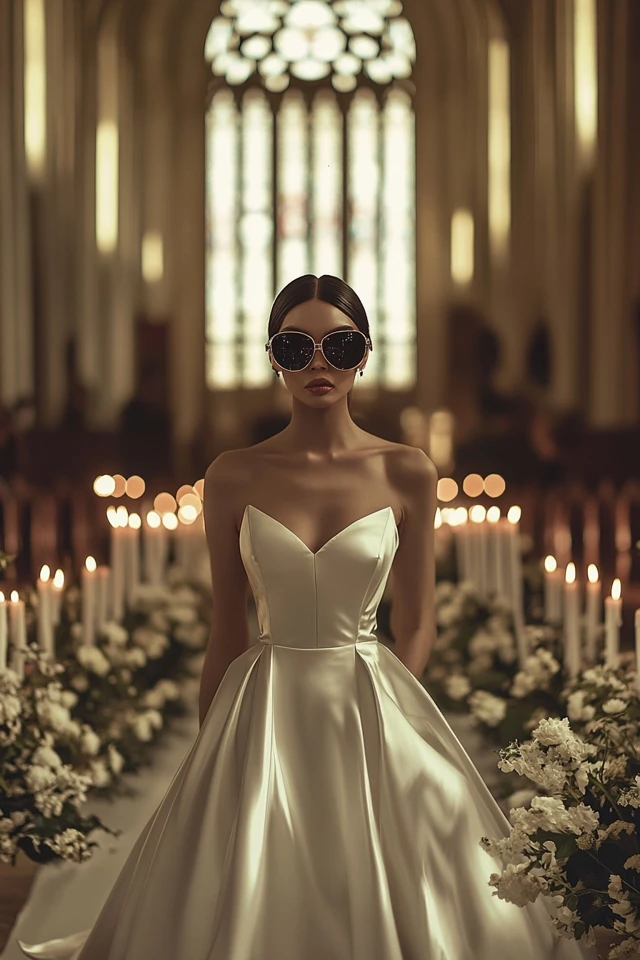
How do you style the rest of the look?
Veils and hairpieces
Both fabrics already have presence, so keep the veil simple. A cathedral-length veil suits a full ball gown, and a fingertip veil suits a sheath or A-line. Velvet headbands, pearl pins or satin ribbon can echo the dress.
Shoes, jewelry and wraps
Satin heels or velvet pumps both work. Pearls or simple stones keep the focus on the fabric. For a fall or winter ceremony, a velvet cape or satin wrap adds warmth. If the dress already has heavy detail, keep accessories minimal.
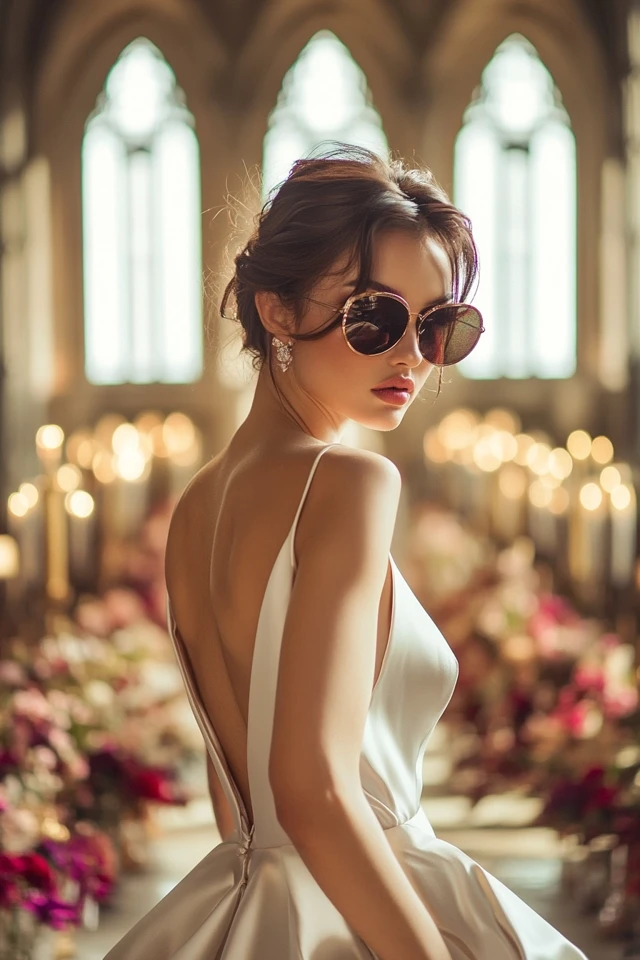
Is satin and velvet right for the season and the setting?
Velvet is a cold-weather fabric, and satin works year-round. Together they are most comfortable from fall through winter. For an evening summer wedding, limit velvet to a small accent like a sash or ribbon and choose a lighter satin.
Weight matters on the day. Both fabrics can be heavy, so move in the dress before you buy: sit, raise your arms, and walk a long distance. Try it under different lighting too, since satin flashes and velvet absorbs, and the two can photograph differently from how they look in a fitting room.
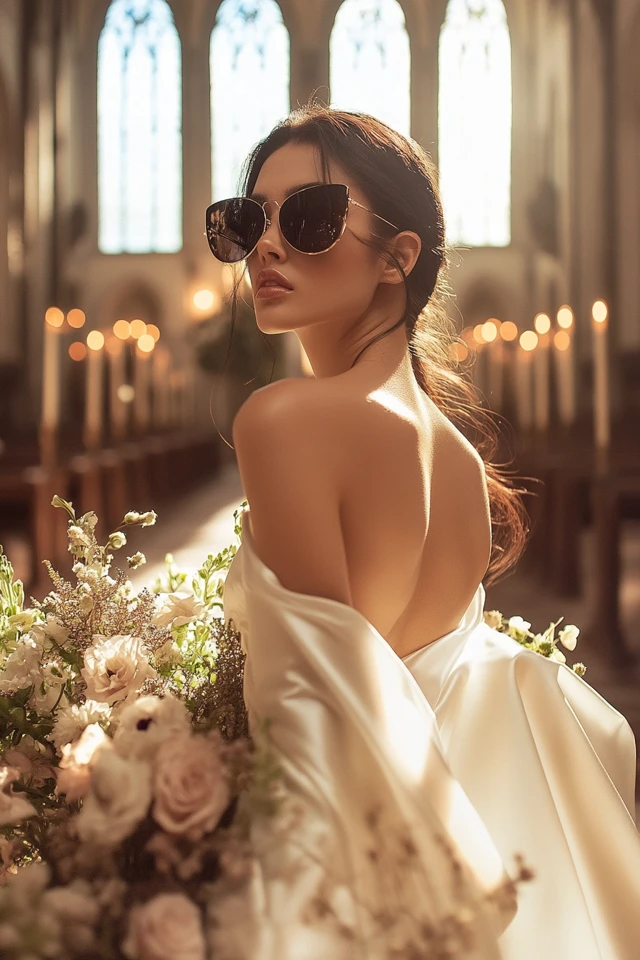
What about the wedding party?
Satin is the easier fabric for satin bridesmaid and bridal dresses, because it comes in many shades and drapes on most figures. For elegant maid of honor dresses, a velvet detail is a simple way to set her apart while staying in the party's color: a velvet sash or neckline on a satin dress that matches the others.
If you want to see more ways these fabrics pair, these posts cover related ground: velvet and satin in evening gowns, velvet and silk for formal gowns, and velvet and tulle for romantic gowns.
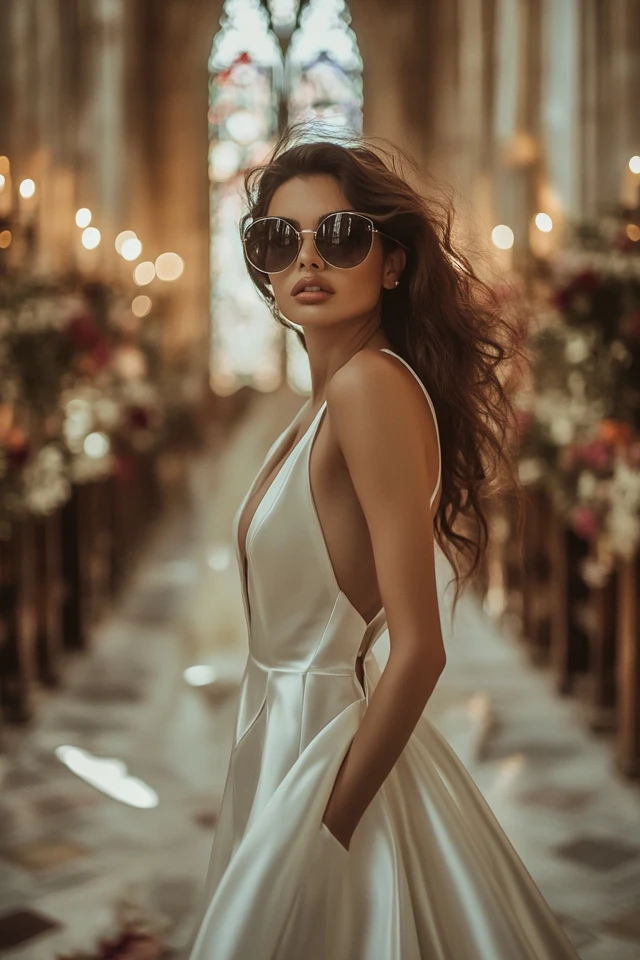
How do you choose between fabrics for a bridal dress?
When you browse bridesmaid dresses by fabric, satin, chiffon and velvet are the usual categories. Chiffon is light and airy, satin is smooth and structured in drape, and velvet is warm and plush. A combination borrows from two of them.
White itself has a bridal history. Queen Victoria wore white to her 1840 wedding, and FIT's fashion history timeline notes that she broke from royal custom and encouraged a lasting tradition for Western bridal fashion. Julia Baird, author of Victoria The Queen, says "Victora had chosen to wear white mostly because it was the perfect color to highlight the delicate lace."
Quality shows in the details: a clean lining, even seams, velvet pile that runs in one direction, and satin without pulls. As an architect trained in evidence-based design, I'd treat the neckline and shoulder line as the first thing the eye reads, so put your fit effort there.
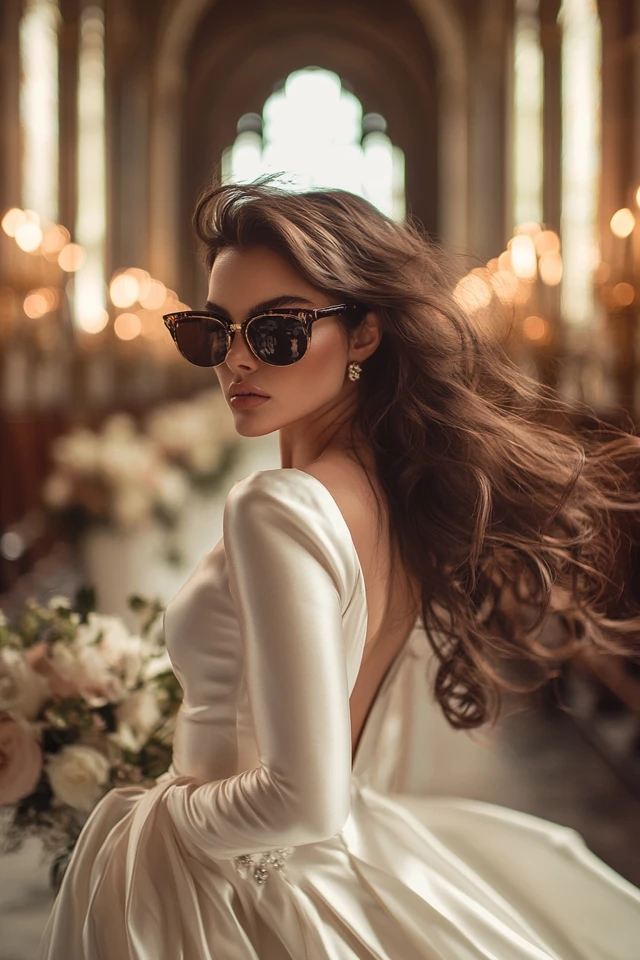
For care, follow the label or the maker's instructions, have a specialist dry clean the dress, and store it in a breathable garment bag.
Frequently asked questions
Who typically pays for bridesmaids dresses?
Traditionally each bridesmaid pays for her own dress, though some couples cover it or contribute. It helps to settle this before anyone shops.
Can I wear satin and velvet for a summer wedding?
It is possible for an evening ceremony if the velvet is limited to a small accent and the satin is lightweight. Try the dress on and move in it first.
Can I customize a satin and velvet gown?
Many makers offer custom colors and details, so ask about fabric swatches and lead times before ordering.
What silhouettes work best with satin and velvet?
Ball gowns and A-lines show the contrast between structure and flow most clearly. Sheath and fit-and-flare cuts also work with velvet details.
Filed under Fabrics & Textures