Pairing Velvet and Silk for Luxe Formal Gowns
- Words by
- Julio Arco
- Published
- Reading
- 4 min
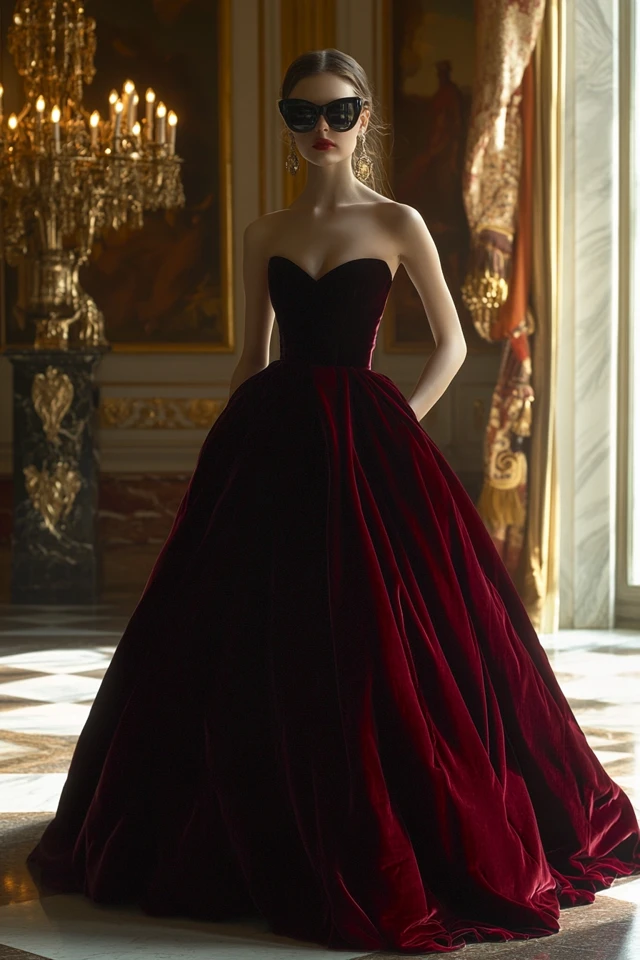
The simplest way to pair velvet with silk or satin is to put the velvet where you want structure (bodice, sleeve, cape) and the silk where you want movement (skirt, overlay, lining). Matte pile next to a fluid sheen gives a gown depth without extra embellishment.
That formula works across most women velvet satin evening gowns, from black-tie weddings to award nights. Below: how each fabric behaves, which cut suits which frame, and how to style and care for the mix.
Why velvet and silk work together
Velvet has a dense pile that absorbs light, so color looks deep and slightly soft at the edges. Silk and satin have a smooth surface that reflects light, so the same color looks brighter and shifts as you move. Put them side by side and your eye reads two different versions of one shade.
Through the lens of evidence-based design, I'd start with texture before color. A burgundy velvet bodice and a burgundy silk skirt will not look identical, and that small difference is what makes the gown interesting.
Velvet: structure and depth
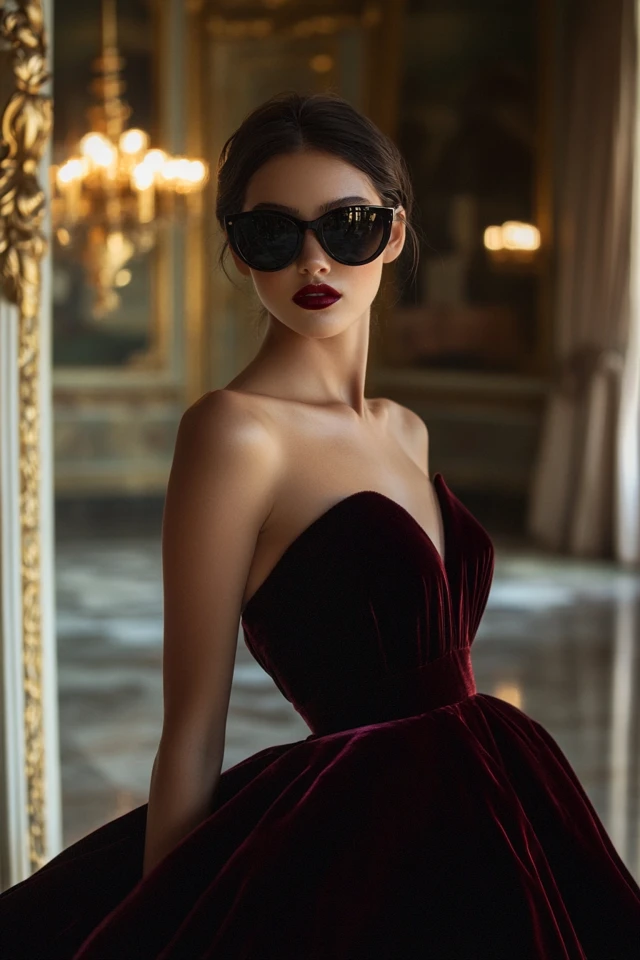
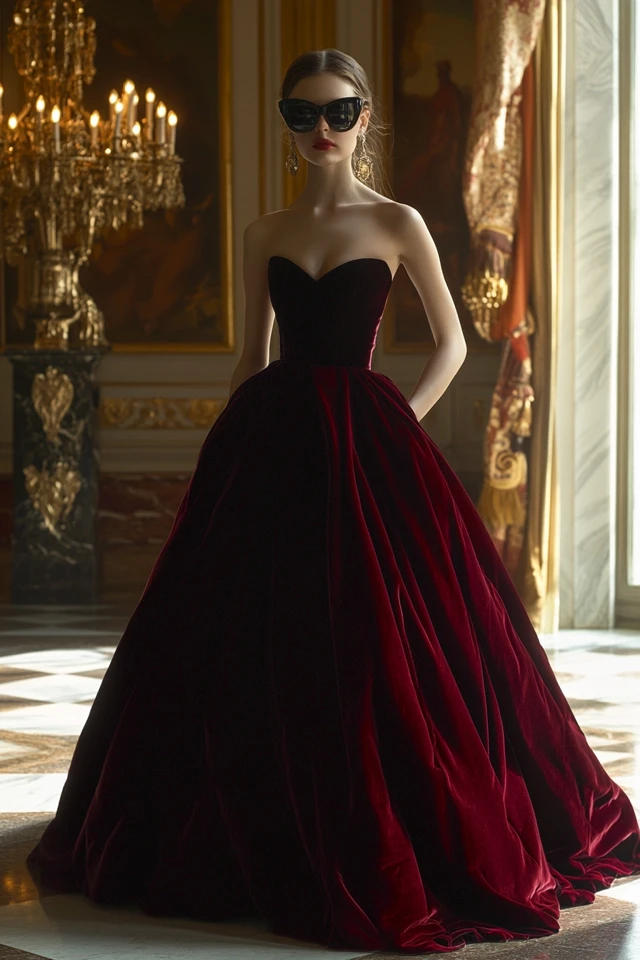
Velvet holds a shape well, which is why it suits bodices, off-the-shoulder necklines, wraps and capes. Jewel tones such as emerald, sapphire and ruby are classic. Black or muted pastel velvet reads more modern. If you worry velvet looks heavy, use it only on the top half and let a lighter fabric take the skirt.
Silk and satin: drape and movement
Silk skims the body and swings when you walk. It works as a bias-cut slip, a flowing A-line skirt or a sleeve overlay. Satin gives a similar glossy look, usually with a little more weight and shine, so check the label if you want the real thing.


How to place the two fabrics
- Velvet bodice with a silk skirt: the safest and most flattering split, and it suits year-round events.
- Silk gown with a velvet cape or wrap: easy to add in winter and remove indoors.
- One velvet sleeve or a diagonal velvet-to-silk transition: a bolder, asymmetric option.
- Velvet slip with silk panels: a lighter, more current take on the slip dress.
- Velvet wrap dress with silk lining: soft against the skin, with velvet on show.

Which cut suits your shape?
No body needs fixing. These are just ways to direct the eye, and you should pick what you enjoy wearing.
Hourglass
A fitted velvet bodice with a flowing silk skirt follows your waist. A thin belt or seam at the waist adds definition.
Pear
A velvet top in an off-the-shoulder or halter cut draws attention upward, while a silk A-line skirt skims over the hips.
Apple
An empire waist in velvet with a silk skirt that flares gently gives a long vertical line. A velvet sash or a vertical seam adds to that line. For more on that cut, see romantic empire waist gowns.
Petite
Keep the silhouette clean. A sheath with a velvet overlay or a midi with a velvet bodice and silk skirt keeps proportions in scale. Very voluminous skirts can overwhelm a smaller frame.
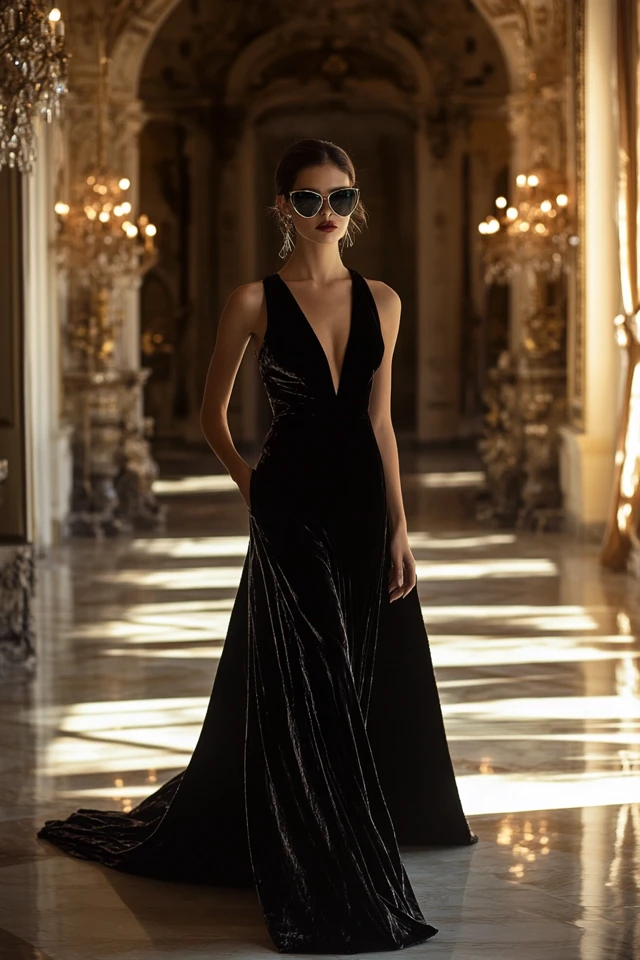

How to style a velvet and silk gown
- Keep jewelry simple. Two textured fabrics already carry the look, so small earrings and a plain clutch are enough. If you want sparkle, see velvet and sequined accessories.
- Choose a velvet shawl or a silk scarf for cold evenings. A bulky coat flattens the drape of the skirt.
- Both fabrics show lines, so seamless underlayers help the surface look smooth.
- Match the metals and the undertone of your shoes to the dominant color of the gown.
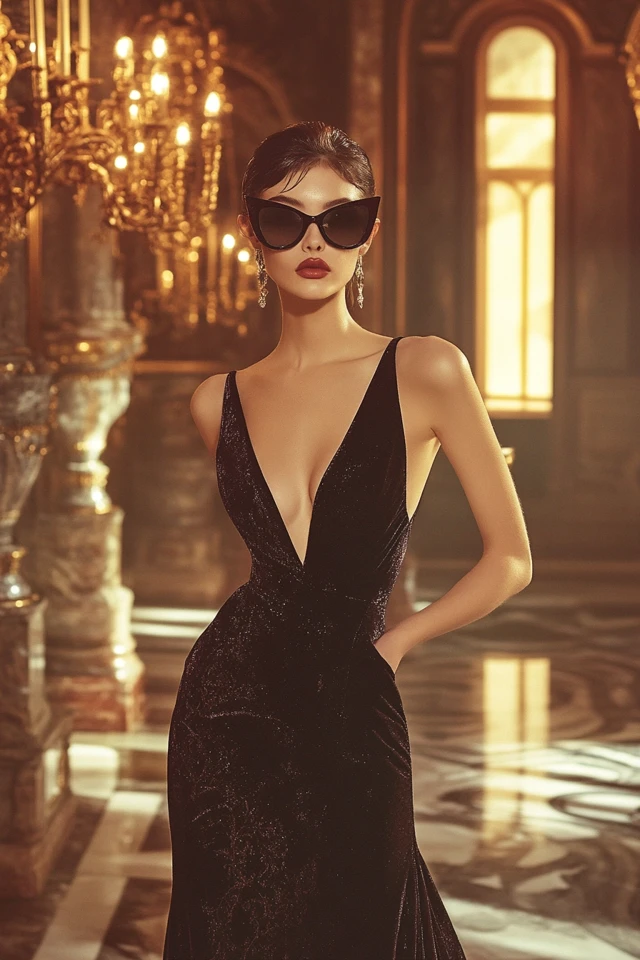
Care basics
Check the label first and dry clean when it says so. Store gowns hung, with the velvet not pressed against other fabrics, so the pile does not crush.
If a spot happens, treat it quickly: the University of Georgia Extension's stain guide notes that stains set by heat are difficult to remove, and that ammonia damages silk and wool. When in doubt, take the gown to a professional cleaner.
Where to go from here
If you like the combination, compare it with velvet and satin in evening gowns, or try a lighter mix in velvet and chiffon formal looks. For events, formal gowns for award ceremonies covers the dress-code side.
Frequently asked questions
Can I wear velvet and silk year-round?
Velvet is warmest, so it suits cooler months best, while silk works in most seasons. A velvet bodice with a silk skirt is the easiest mix to wear across seasons.
How do I mix velvet and silk in separates?
Try a velvet blazer over a silk camisole with tailored trousers. Keep both pieces in the same color family so the texture does the work.
Are there sustainable options for velvet and silk?
Vintage and secondhand pieces are the simplest route, since both fabrics last well with proper care. Check labels for fiber content if that matters to you.
Can I dress velvet and silk down?
Yes. A velvet top with silk trousers, or a silk midi skirt with a fitted velvet top, reads dressy but relaxed.
Filed under Fabrics & Textures