Polished Natural Rounded Geometry Nails
- Words by
- Julio Arco
- Published
- Reading
- 4 min
Choose round if you want the softest, most natural outline, and squoval if you want a little more structure without sharp corners. Both keep the nail short-to-medium, both resist snagging, and both look tidy with a sheer neutral polish.
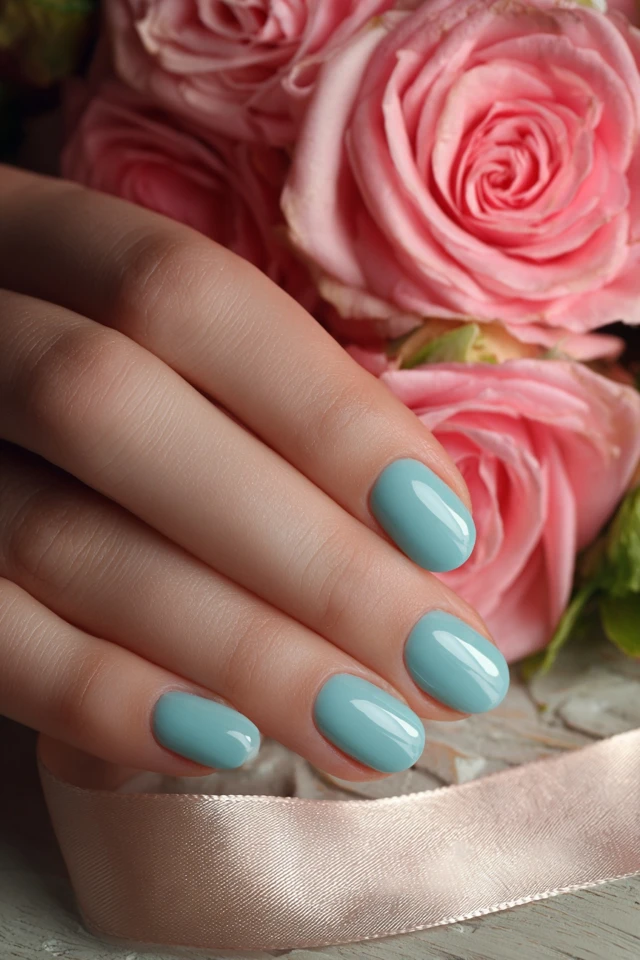
The difference is small but visible. A round nail follows the curve of your fingertip. A squoval nail (a square nail with softened corners) has a flat free edge and gently rounded sides.
What are squoval nails?
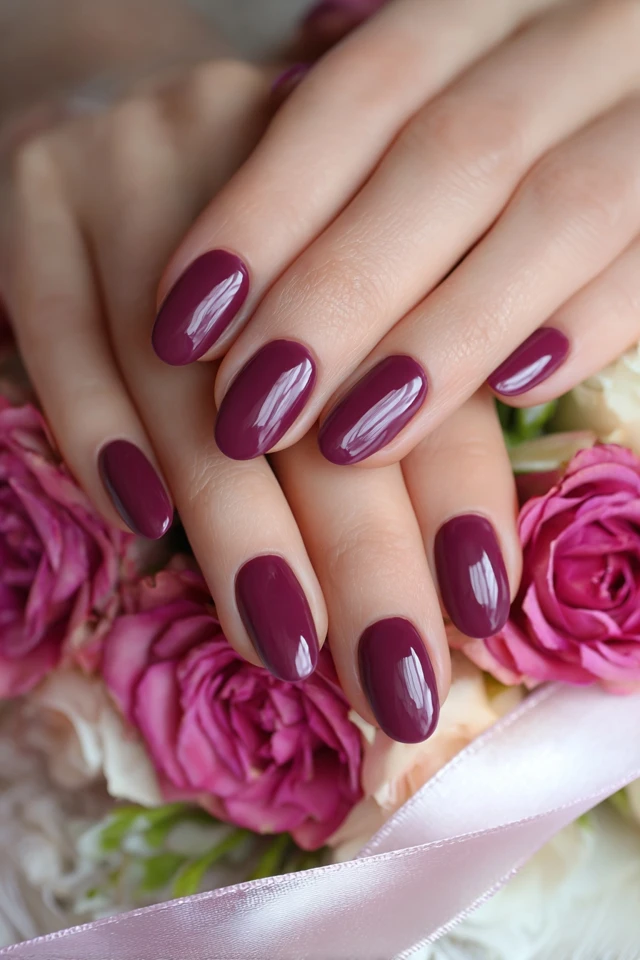
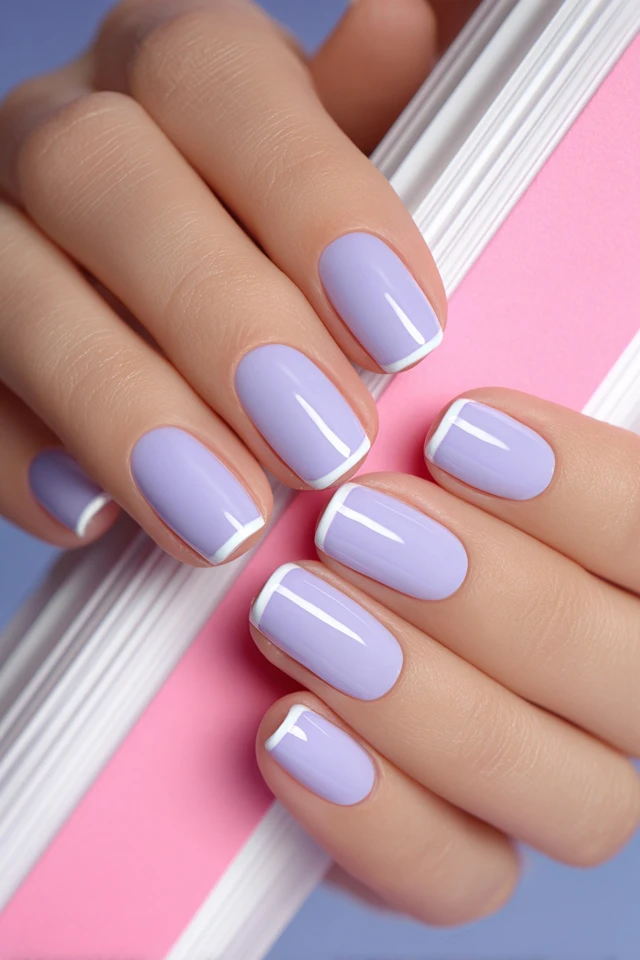
Squoval is a blend of square and oval. The tip is filed straight across, then the two corners are rounded off so nothing points or catches on fabric. From above, the nail reads as a soft rectangle.
That flat edge is what makes the shape feel a bit more graphic than a fully round nail, which is why it suits clean, geometric looks.
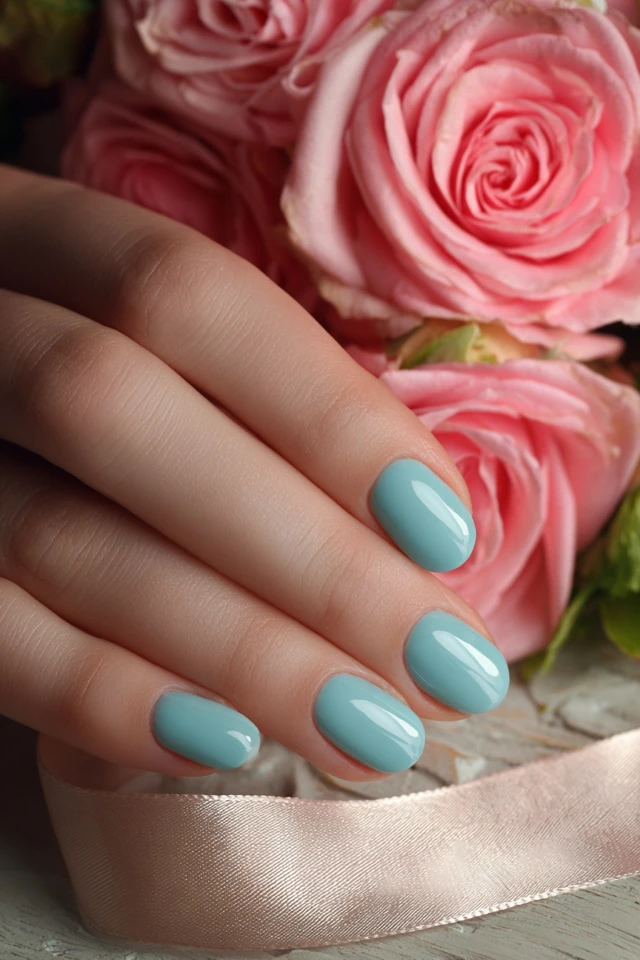
Round or squoval nails: how do they compare?
Think of it as a question of outline. Round nails make the fingertip look softer and a touch shorter. Squoval nails add a straight line at the tip, so the nail looks slightly wider and more deliberate.
- Round: follows the fingertip, the most low-key option, easy to grow out and re-shape.
- Squoval: flat tip with eased corners, a bit more polished, holds its shape well on medium lengths.
Round and squoval nails vs square
Square nails have sharp corners, and those corners are the first thing to catch on a sweater or split in a bag. Squoval keeps the square look while removing that weak point. If you like square but your nails chip at the corners, squoval is the practical fix.
Which nail shape suits my hands?
Through the lens of evidence-based design, I'd treat the nail as a frame: the eye reads the outline first, then the color. A few starting points:
- Short, wide nail beds: round or a slightly oval round reads soft and keeps the nail from looking boxy.
- Long, narrow fingers: squoval adds a little width at the tip and balances the length.
- Broad fingers or hands you feel are wider: a gently rounded shape with a sheer, close-to-skin shade tends to look streamlined. Keep the free edge short so the nail does not widen the fingertip.
None of this is a rule. Hold your hand out, try the shape in a mirror or with a pencil sketch, and choose the one that looks calm to you.
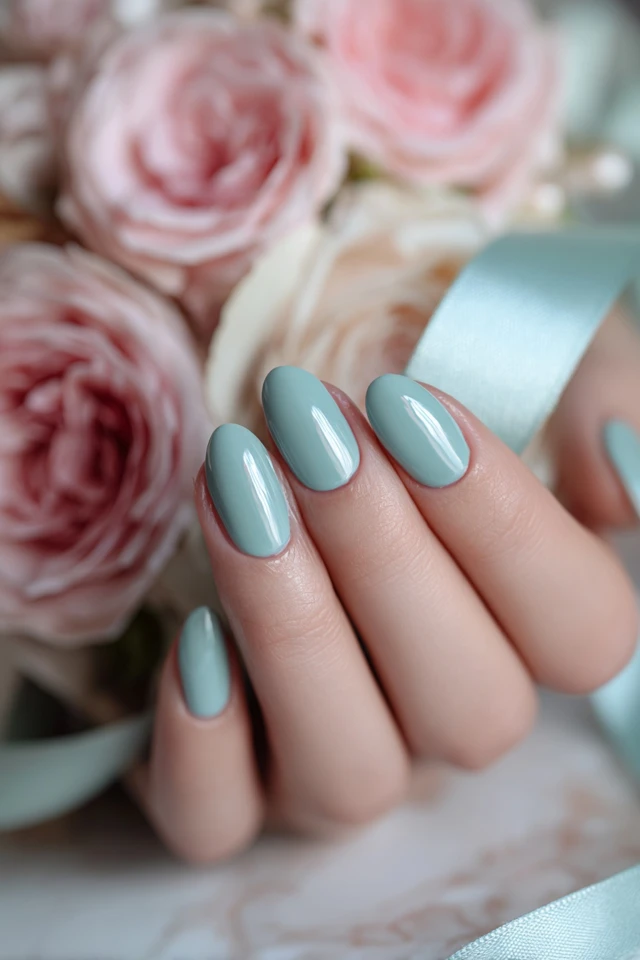
Is squoval good for short nails?
Yes. Squoval nails short are one of the easiest manicures to maintain: you only need a hint of free edge to file a flat tip, and the eased corners keep it from looking boxy. If your nails are very short, go rounder and leave a little white at the tip so the shape still reads.
Squoval nails for fragile nails
If your nails split or peel, a shorter squoval or round shape is a sensible choice because there are no pointed corners to lift or snag. Skip heavy extensions while the nail recovers. Artificial nails need the natural surface filed rough, which, according to the American Academy of Dermatology, thins the natural nail and makes it weaker. If your nails are persistently brittle, check with a dermatologist.
How to shape round and squoval nails at home
- Trim the nail to a length you want to keep, slightly longer than the final length.
- Use a fine-grit file and work in one direction, from the side toward the center, rather than sawing back and forth.
- For squoval, file the tip straight across first, then ease each corner with a few light strokes.
- For round, follow the curve of your fingertip from both sides until the edge is even.
- Look at each nail from straight on and compare them. Small differences between fingers show up more than you expect.
Polish colors and simple designs for each shape
Round and squoval nails simple manicures work best: a sheer pink, a milky beige or a soft gray gives a clean finish. Color reads differently depending on finish, so a glossy topcoat looks brighter than the same shade in matte.
- Round: sheer neutrals, a thin French tip, or a small dot near the cuticle.
- Squoval: a single straight line of color along the tip, or a negative-space stripe that echoes the flat edge.
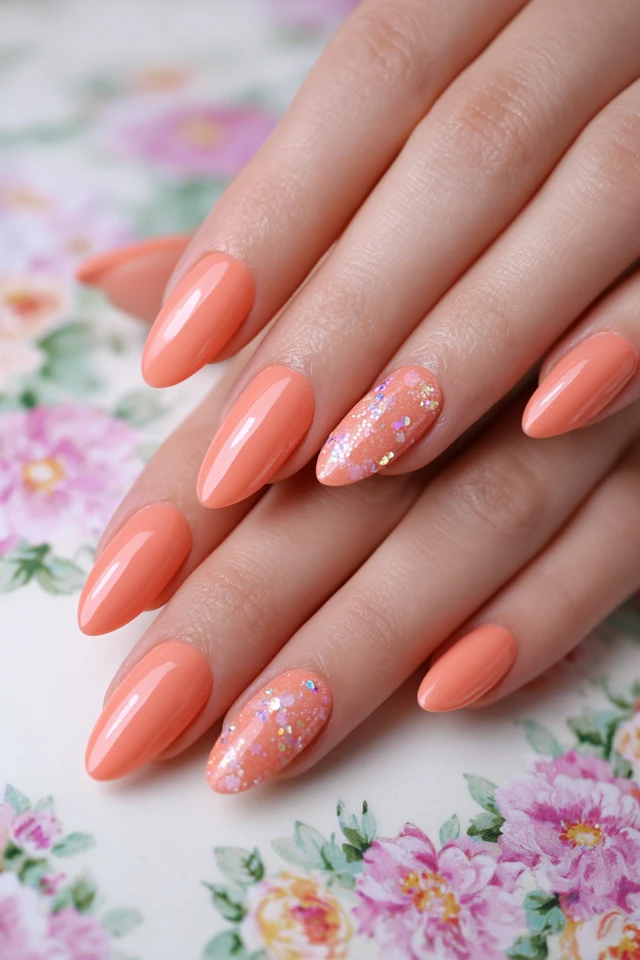
For more shape ideas, see glam natural rounded silhouette nails, luxe round geometry nails and, if you want a longer option, opulent mini coffin geometry nails.
Taking gel or dip color off without hurting the shape
Long-wear color can leave nails thin if it is removed carelessly. The AAD notes that acetone is the most effective way to remove gel polish at home, and the Cleveland Clinic says careless removal can temporarily damage nails, with cracking and peeling the most common issues. Dermatologist Chris Adigun, MD, FAAD, says on the AAD site that "Looking closely at your nails after removing the color helps you spot a problem early."
Re-shape with a gentle file once the color is off, and give the nails a break if they feel soft or flaky.
Frequently asked questions
Should I get round or squoval nails?
Pick round for the most natural, softest look and squoval if you want a flat tip with a little structure. If your nails catch or split at the corners, either shape is safer than square.
What is the classiest nail shape?
Short to medium squoval and round nails with a sheer neutral polish are the shapes most often seen as polished and understated. Clean, even filing matters more than the shape itself.
What nail shape is the most attractive?
It depends on your fingers and nail beds. Round tends to soften short, wide nails, while squoval balances long, narrow fingers.
Filed under Nail Design