Blazer Color Combinations: Neutral Blazer Ideas That Work
- Words by
- Julio Arco
- Published
- Reading
- 5 min
A neutral blazer in camel, stone, cream or dove gray is the closest thing to a blazer that goes with everything. Pair it with white or navy, add one deeper tone (olive, rust, charcoal), and keep the rest quiet.
Below are the pairings I'd start with, how to handle texture, and how to check the fit so the color actually does its job.
What color blazer goes with everything?
Camel, stone and mid-gray are the safest bets. They sit between warm and cool, so they sit comfortably next to white, navy, black, denim and most earth tones. Navy and charcoal work almost as widely, though they read more formal.
Cream and off-white blazers are the most flexible in summer but show wear faster. If you are buying one, pick the shade closest to what you already wear most: warm neutrals if your closet leans brown and olive, cool grays if it leans black and blue.
Basic rules for pairing blazer colors
- Keep the outfit to about three main colors, counting the blazer. Shoes and belt can match one of them.
- Change the value (light versus dark) between blazer and pants, so the two read as separate pieces.
- Match undertones: warm with warm (camel, cream, olive), cool with cool (gray, navy, icy beige).
- Let one piece carry the interest, whether a color, a pattern or a texture.
Blazer and pants color combinations to try
Camel blazer with white shirt and navy trousers
This is the dependable one. The navy grounds the warm camel, and the white shirt gives your face a clean, bright frame. It works for the office and for dinner.
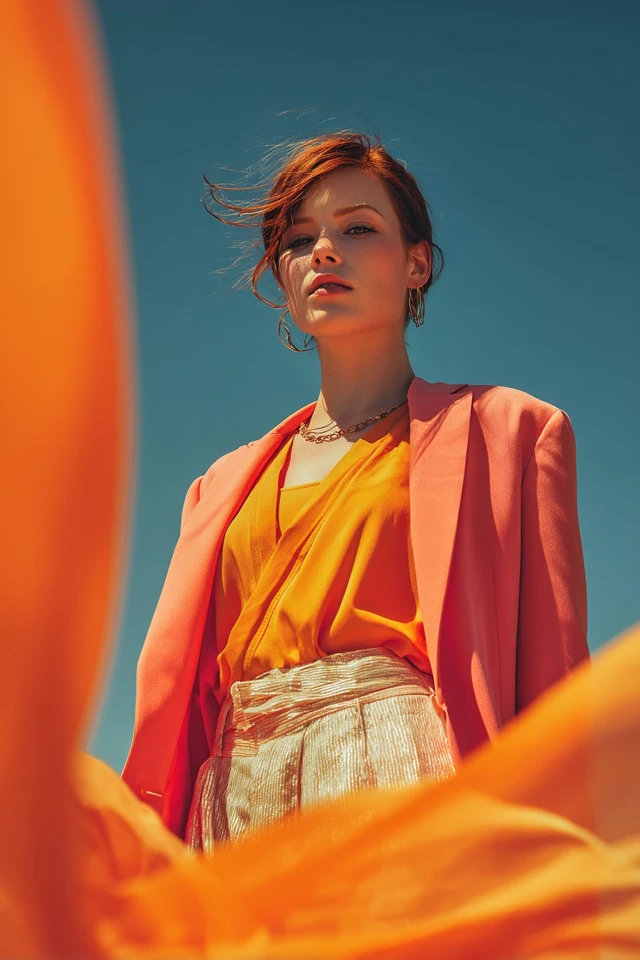
Dove gray blazer with soft pastels
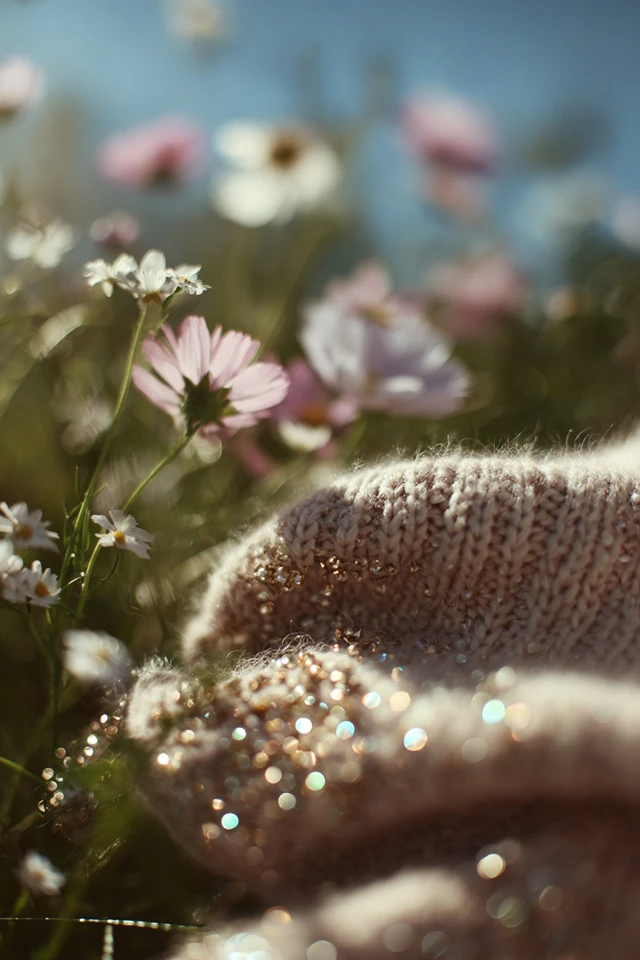
Gray is quiet enough to let blush, pale blue or lilac do the talking. Try a pastel knit underneath and darker gray or black trousers to keep the look sharp.
Cream blazer over olive or rust
Light over deep earth tones looks relaxed and a little autumnal. Olive trousers with a cream blazer and a white tee is an easy casual blazer color combination.
Navy blazer with khaki trousers
A classic for a reason: dark top, light bottom, clear contrast. Add a white or pale blue shirt and brown loafers. Stone or beige chinos work the same way if khaki feels too yellow on you.
Tonal looks
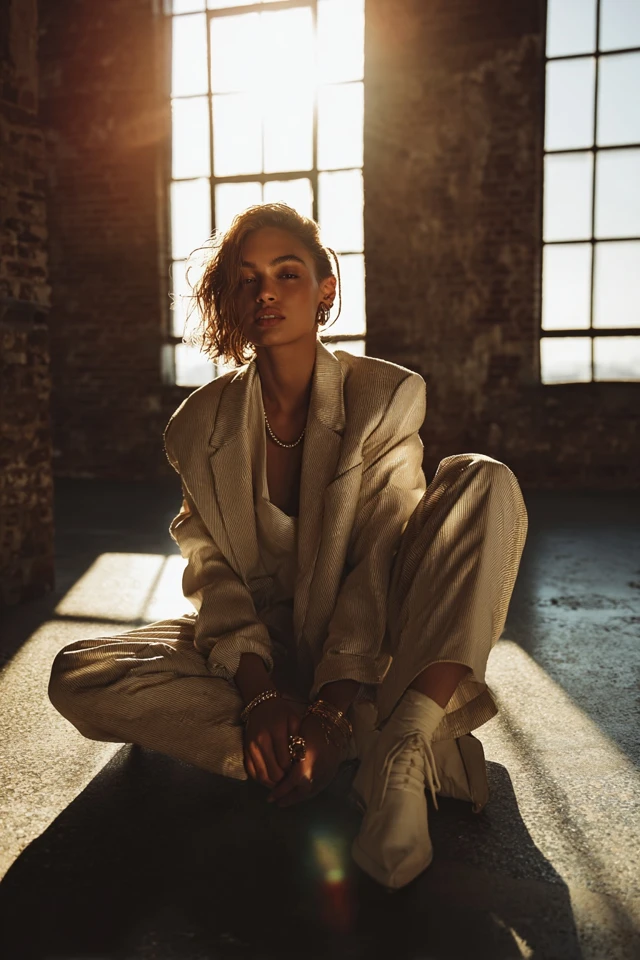
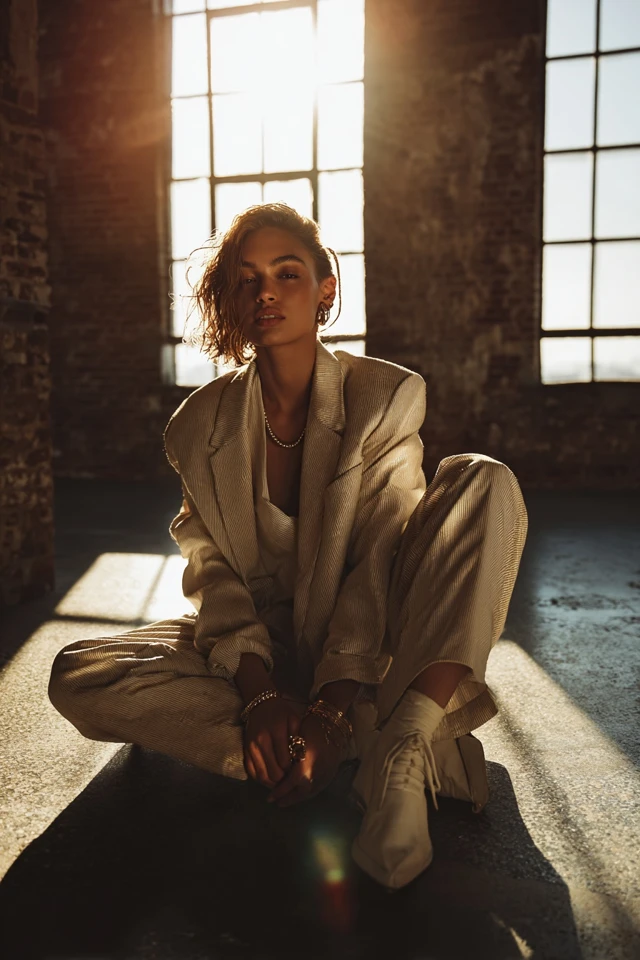
A beige blazer with slightly darker taupe trousers, or gray over gray, looks long and polished. Vary the shade by a step or two and change the fabric so it looks intentional rather than like a mismatched suit.
Using contrast and texture
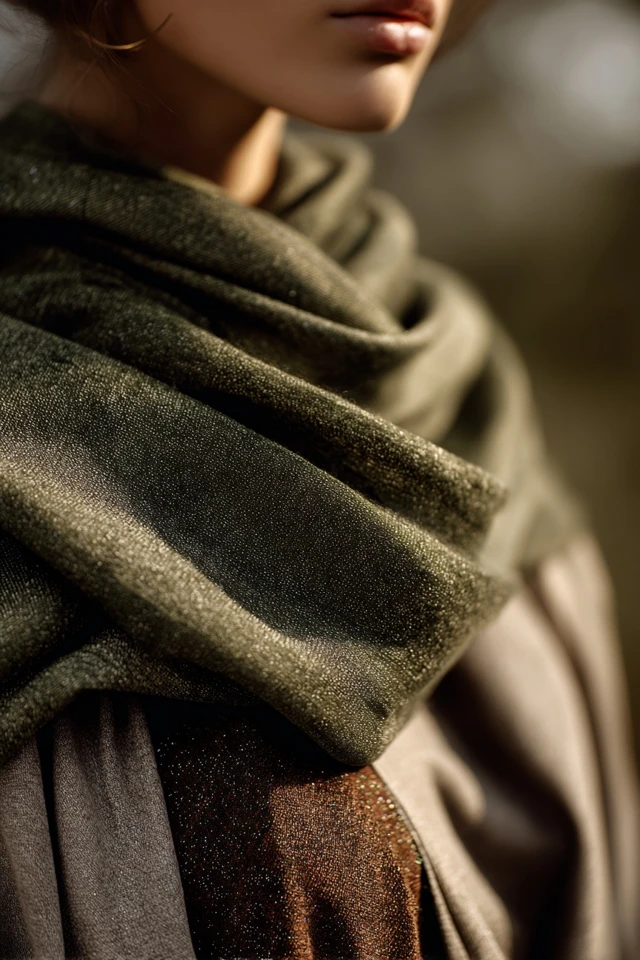
Through the lens of evidence-based design, I'd think about texture before color. A brushed wool and a smooth crepe in the same camel do not read as the same color, because the surface changes how light reaches your eye. Matte, nubby fabrics look softer and warmer. Smooth, tighter weaves look sharper and cooler.
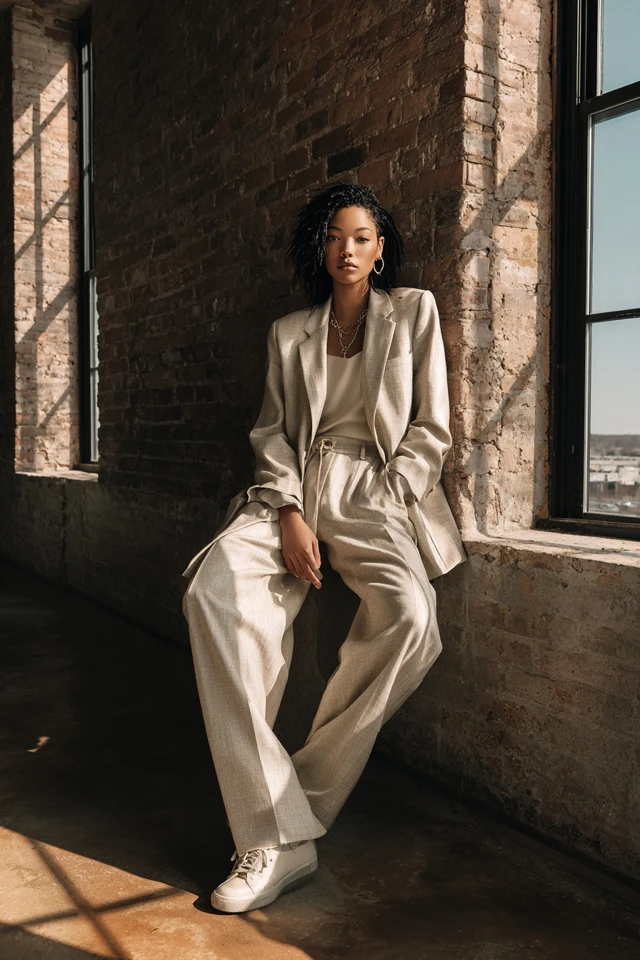
That gives you an easy tool for neutrals. If your blazer and trousers are close in color, make them differ in texture: a herringbone blazer with smooth trousers, or a linen blazer with a fine cotton tee.
What to wear with a blazer for casual and formal days
Casual
Pair a relaxed or oversized neutral blazer with a white tee, straight jeans and clean sneakers or loafers. A turtleneck in a deeper neutral also works well. For more ideas, see casual oversized blazer looks.
Formal
Go for structure: a single-button blazer in gray or camel, a silk blouse or crisp shirt, tailored trousers and leather shoes. Keep the palette to two or three tones. Jewelry and belts in one metal look tidier than a mix.
Bolder pairings
If you want color, let the neutral blazer be the calm part. Burgundy, forest green or a strong blue shirt under a stone blazer adds punch without a fight. The colorful blazer dressing guide covers the reverse, where the blazer itself is the color.
Choose a shade for your skin tone
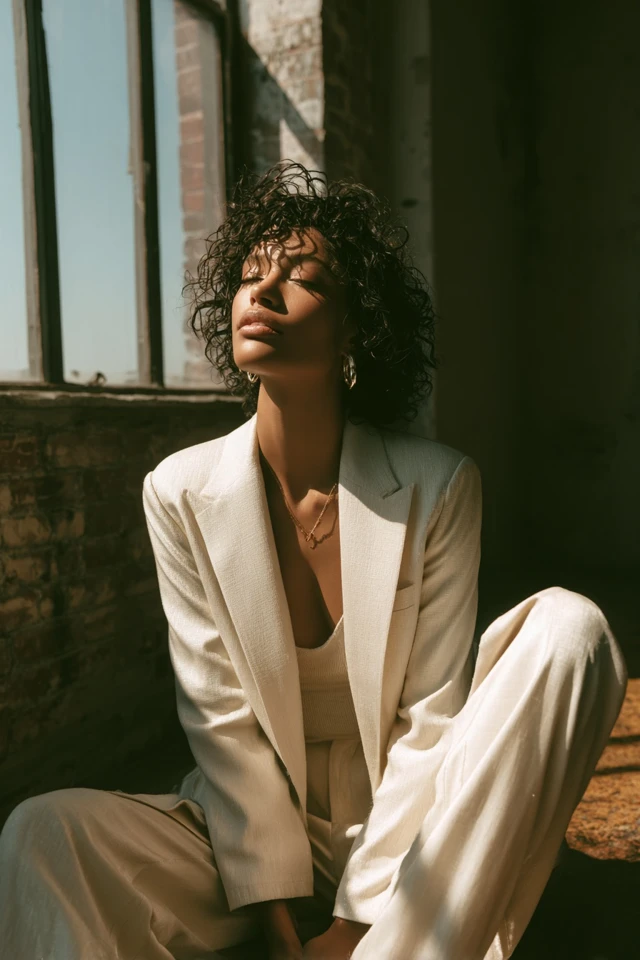
Warm undertones usually look good in ivory, camel and warm taupe. Cool undertones tend to suit charcoal, dove gray and icy beige. If you are in between, the fabric matters more than the exact shade, so hold the blazer up near your face in daylight and see whether it looks flat or fresh.
Treat that as a starting point, not a rule. A warm blazer with a white or cool shirt near the face often fixes a shade that feels slightly off.
Getting the fit right
A blazer that pulls at the shoulders is a fit problem, not a you problem. The shoulder seam should end where your shoulder does, and you should be able to button it without pulling at the front.
- Sleeves should end around the wrist bone, showing a little shirt cuff if you wear one.
- Longer blazers lengthen the look. Cropped ones suit high-waisted trousers and casual outfits.
- Nipped waists suit curves. Structured or double-breasted cuts add shape to straighter builds. Single-button styles tend to look long and lean.
- Wool and tweed suit cooler months. Linen and cotton blends keep warm weather polished. See summer blazer style and fit.
Where to go next
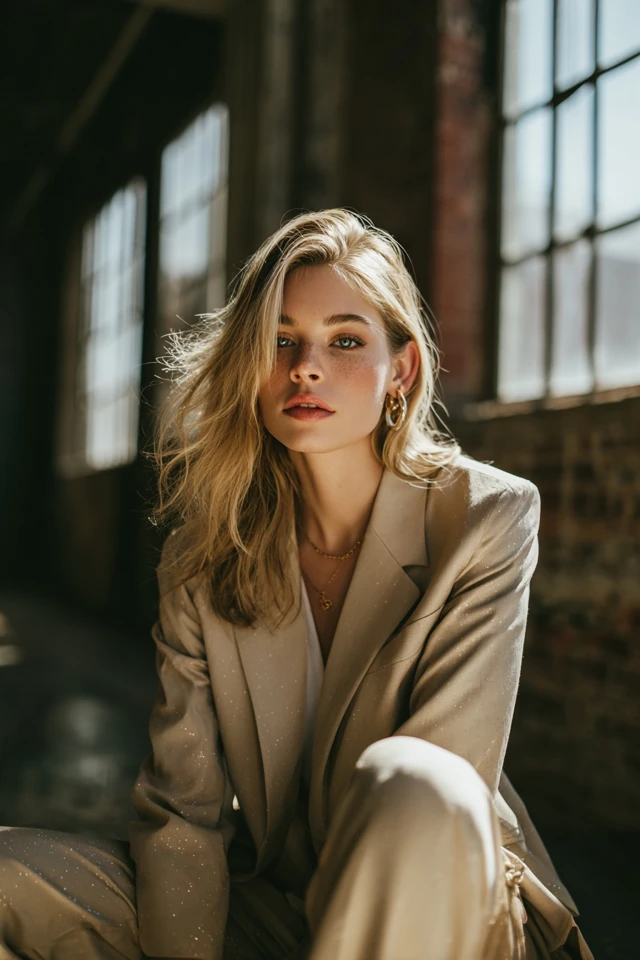
If you are building a small blazer wardrobe, start with neutral blazers for year-round versatility. For a smart, school-inspired look, try preppy blazer inspiration. Keep blazers on shaped hangers and spot clean or dry clean according to the fabric label.
Frequently asked questions
What is the 3 color rule for men's fashion?
Keep an outfit to about three main colors, counting the blazer, trousers and shirt. Shoes and belt can repeat one of them.
What color blazer goes best with everything?
Camel, stone, mid-gray and navy are the most flexible. They sit well next to white, denim, black and most earth tones.
What is the rule of wearing a blazer?
Fit comes first: the shoulder seam should sit at the edge of your shoulder and the sleeves should end near the wrist bone. Button the top button when standing and leave the bottom one open.
Can I wear a neutral blazer with jeans?
Yes. A stone, camel or gray blazer with a white tee and straight jeans is an easy casual combination. Keep the jeans a different shade from the blazer so the two do not blur together.
Filed under Outfit Ideas