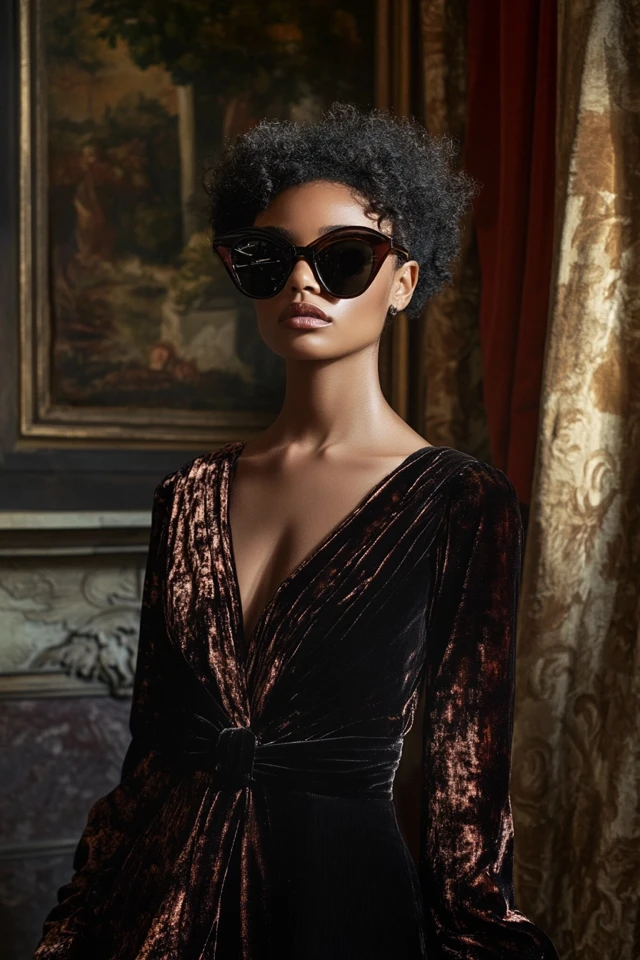
Mixing Sheer Mesh and Velvet for Dramatic Party Dresses: The Perfect Blend of Elegance and Edge
- Words by
- Julio Arco
- Published
- Reading
- 5 min
The easiest way to wear velvet and sequin party dresses is to let one fabric lead. Pick velvet as the base with sequins on the neckline, sleeves or panels, or a sequin dress with velvet trim, and keep everything else quiet. Two shiny, loud surfaces fighting for attention is the usual mistake.
Velvet absorbs light and looks deep. Sequins throw light back. Together they give you contrast without needing extra accessories, which is why the pairing works from holiday parties to cocktail evenings.

Why do velvet and sequins work together?
Through the lens of evidence-based design, I'd start with how each surface treats light. Velvet's short pile scatters it, so color reads deeper and softer. Sequins reflect it in small flashes, so the eye goes to them first. Put them side by side and each makes the other look more distinct.
Weight matters too. Sequins are heavy. A museum note from the Fashion Institute of Technology's fashion history timeline describes how the weight of sequins and applied stones pressed on thin net so the upper layer fell closer to the body. That is a useful reminder: a heavily sequined panel on a light base will hang and cling, while a velvet base gives it something to sit on.
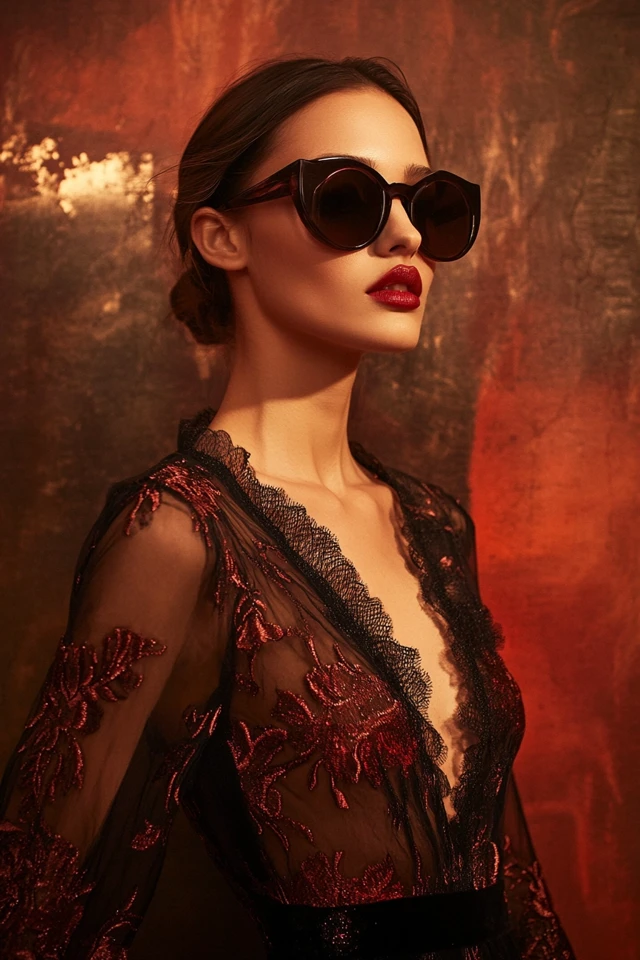
Which silhouette suits you?
- Bodycon velvet with sequin sleeves: close to the body, so check that the velvet doesn't pull across the hips or bust.
- A-line velvet with a sequin bodice: the skirt moves easily and the sparkle stays near your face.
- Sequin slip or column with a velvet belt, collar or cuffs: the quietest way to mix the two.
- Wrap velvet with sequin trim: adjusts to different waists and is forgiving if your size changes through the season.
If you want a longer line, choose one detail, such as a V-neck or a vertical seam, and skip extra ruching. Texture already adds visual volume, so simple cuts usually look more refined.

Mini, midi or maxi: which length?
A mini is the playful choice. Mini velvet and sequin party dresses suit dancing, short events and cold-weather nights with opaque tights and boots. Keep the neckline or sleeves covered if the hem is high, so the look stays balanced.
Midi velvet and sequin party dresses are the most flexible. A hem around the mid-calf or just below the knee works with heels, ankle boots or flats, and it suits most dress codes. Maxi lengths read as formal. Check that you can walk and sit comfortably, since velvet adds weight at the hem.
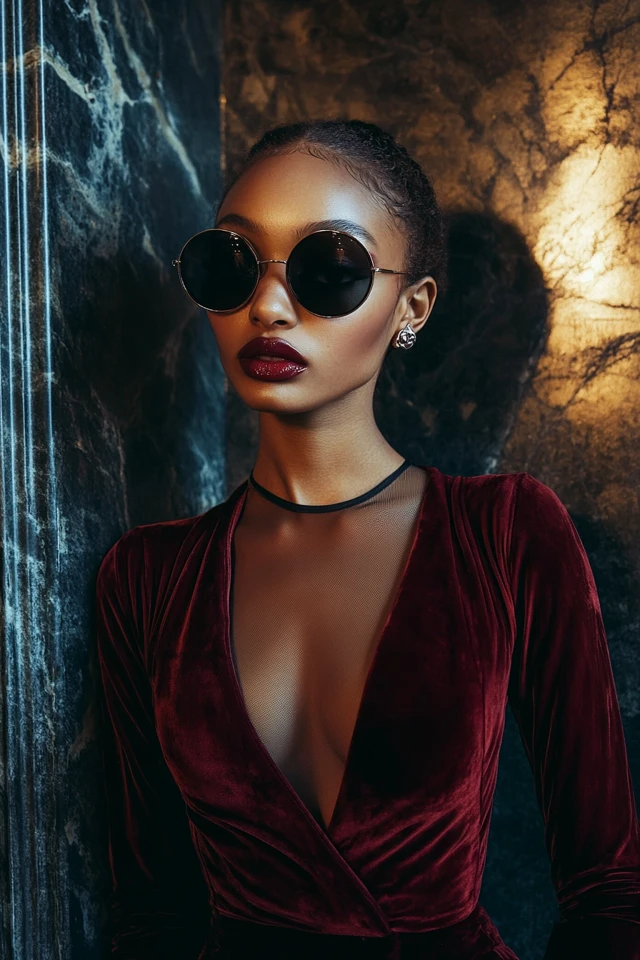
Do sleeves change the look?
Yes, and they solve a practical problem: winter parties are cold. A long sleeve sequin velvet dress covers your arms, so you can skip the wrap. Sequin sleeves on a velvet body put the sparkle at eye level. Velvet sleeves on a sequin body feel softer and are more comfortable if sequins tend to scratch.
Run your hand along the inside of the sleeve and underarm before you buy. Sequins that catch skin or tights will bother you after an hour.

How to style a sequin dress
Start with the dress as the focal point. Choose one accessory category to emphasize: earrings, a bag or shoes. Metallic that matches the sequin tone looks deliberate, while a plain black or velvet clutch is nearly always safe.
- Shoes: strappy heels, pointed pumps or sleek ankle boots. Matte or velvet finishes calm the sparkle.
- Jewelry: small studs or one statement earring. Skip a necklace if the neckline is embellished.
- Layers: a tailored blazer or a long coat in a solid color. Choose smooth fabrics so sequins don't snag on knit or lace.
- Color: deep jewel tones such as emerald, burgundy and navy, or black. Pastels work if you want a softer, less formal effect.
For a more relaxed daytime-to-evening version, try a sequin piece with a plain velvet blazer. For other velvet pairings, see mixing chiffon and velvet for holiday party gowns or velvet with sheer panels.

What occasions can you wear a velvet dress for?
Holiday parties, New Year's Eve, cocktail receptions, winter weddings (as a guest) and dinners out all suit velvet. Add sequins and the dress leans toward evening. For a formal invitation, choose a longer hem and darker color. For a casual party, a mini or knee-length with ankle boots is enough.
Velvet isn't only for December. A lighter-weight stretch velvet works in spring evenings, and darker shades in autumn. If you need a dress to repeat, a solid velvet with a small sequin detail is easier to restyle than a fully sequined one. A velvet cocktail dress with sequins at the neckline is a good example.

Fit, comfort and care
Velvet shows pressure marks and sequins add weight, so fit matters more than usual. A dress that pulls at the shoulders or bust is a fit problem, not a you problem. Look for lining, a stretch component for movement and a hidden zipper that lies flat. Many brands offer plus size options in these dresses, so check size charts and fabric stretch rather than guessing.
For care, follow the label. Many velvet and sequin dresses are dry-clean only. If you spill something on it, act quickly: the University of Georgia's textiles extension notes to treat stains immediately because stains set by heat are difficult to remove. Avoid heat and test any cleaner on a hidden seam first. Store the dress flat or on a padded hanger.

If sheer panels interest you more than sequins, sheer panels and velvet make a softer alternative, and satin with sheer mesh suits a smoother, less textured look.
Frequently asked questions
What occasions can I wear a velvet dress for?
Holiday parties, New Year's Eve, cocktail evenings, winter weddings as a guest and dinners out all work. Choose the length and color to match the dress code.
How do I style a sequin dress without it looking too much?
Let the dress be the only loud piece. Pair it with matte shoes, simple jewelry and a solid-color coat or blazer.
Can I wear a velvet and sequin dress in warmer weather?
A lightweight stretch velvet or a dress with sequin panels and short sleeves can work for cool spring evenings. Heavier velvet is best kept for cold months.
Should the dress be washed at home?
Check the care label first, since many are dry-clean only. If it allows spot cleaning, test on a hidden seam before treating a stain.
Filed under Fabrics & Textures